
Jammu city · Gandhi Nagar · Trikuta Nagar · Channi Himmat · Bahu · R.S. Pura
Best Rehab Centre in Jammu for Drug & Alcohol De-Addiction
जम्मू के परिवारों के लिए नशा मुक्ति और पुनर्वास केंद्र
24x7 Jammu helpline+91 62304 15581A government registered, men only residential rehab centre in Jammu terms and de-addiction centre run by Eshan Charitable Trust, taking admissions from every ward of Jammu city and across the district. Chitta, sharab, goliyan, bhukki and injecting use, handled by a doctor rather than a locked gate. Residential programmes of 30, 60 and 90 days. A charitable trust with no profit model, so full residential care is Rs 12,500 a month.
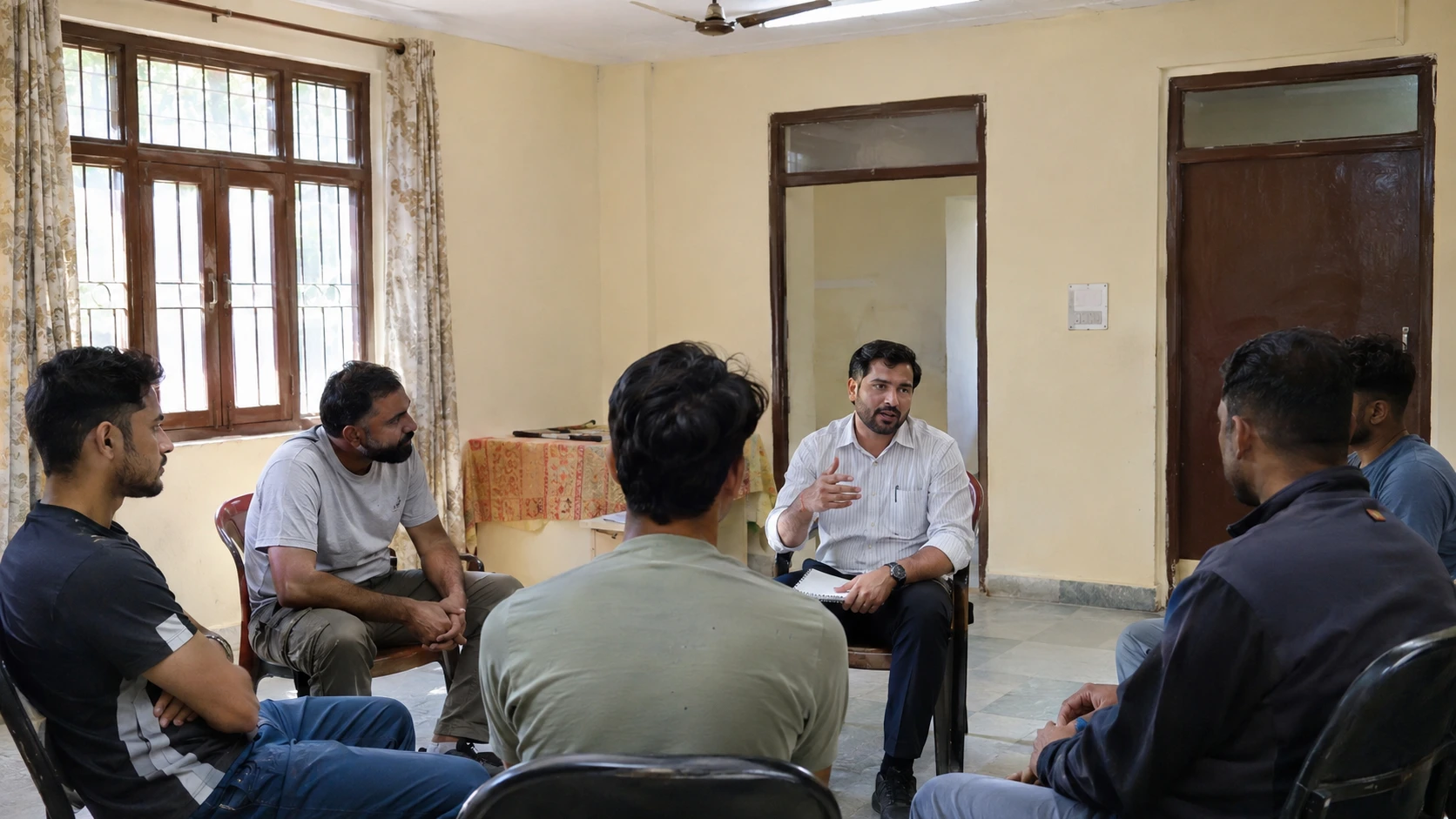
Start here
GMC Jammu carries 9,806 registered cases. The city admits a few hundred a year.
That gap is why a family ends up searching for a rehab centre in Jammu at one in the morning. This city is not short of enforcement, raids, demolitions or awareness drives. What it is short of is somewhere to put a man for a month. Below is the arithmetic, taken from the government's own figures, and then everything a family actually needs in order to decide.
9,806 registered at GMC Jammu alone
Of 32,517 substance use cases registered across Jammu and Kashmir since 2022, the Jammu division accounts for 15,758, and GMC Jammu alone carries 9,806 of them. That is the single largest registered caseload anywhere in the division, and it sits in this city.
75 psychiatric beds for ten districts
The Psychiatric Diseases Hospital at Ambphalla, the division's main inpatient psychiatric facility, has 75 indoor beds and 5 observation beds, sees roughly 90 to 100 patients a day in OPD and admits three to five of them. Those beds carry every psychiatric illness in the Jammu region, not only nasha.
311 admitted in a whole year
The police run De-addiction and Rehabilitation Centre at Channi recorded 1,667 OPD patients and 311 admitted patients across 2025. It is a genuinely useful facility and it is also, for most practical purposes, the admitting capacity a Jammu family will be told about.
And the enforcement side keeps growing
In 2025 Jammu district police arrested 311 drug peddlers including 35 women, registered 204 NDPS FIRs, seized over 15 kg of heroin valued at Rs 60 crore and 114 kg of poppy straw, capsules and opium, and secured 48 convictions. Supply is being squeezed hard. Treatment capacity is not growing to match.
Put the two sides together. Nearly ten thousand registered cases at one medical college, 15,758 across the division, and a few hundred residential admissions a year against them. That is not a failure of any one hospital. It is a capacity gap, and it is the reason families in Gandhi Nagar, Bhatindi and Nanak Nagar searching for a rehab centre in Jammu end up ringing numbers in Punjab, Himachal and Haryana in the same evening. This page sets out what we do, what it costs, and how to check us and everybody else before you hand anybody a rupee.
Before you ring anybody
Is this happening in your home?
In a city this size a young man can be months into a habit before anybody at home works it out, because the colony is busy, the hours are odd and nobody asks. These are the things parents and wives describe on the first call to a rehab centre in Jammu, roughly in the order they notice them.
Money that does not add up
Cash gone with no account of it, borrowing from three different people in the same mohalla, gold missing from the almirah, a phone or a scooter sold, an advance taken against next month, a fee or an EMI that never reached where it was meant to. In most households this is the first hard evidence anybody gets.
A body that has changed
Weight falling away, eyes red or glassy, a nose that runs all the time with no cold, sores or marks he explains away, teeth going bad, and either no sleep at all or sleep at the wrong end of the day. Foil, burnt cigarette ends, cut straws, syringes or small polythene wraps turning up in his room or his bike.
A temper on a timer
Calm one hour and impossible the next, with the bad hours arriving at the same time each day. Anger out of nowhere at an ordinary question about where he has been, and a sudden urgent errand that cannot wait and cannot be explained.
Work or college slipping
Shifts missed, a warning at work, a job changed twice in a year, or sitting at home insisting there is no work when there is. For a student at Jammu University or a coaching centre, attendance collapsing and exams quietly skipped while the family is told everything is fine.
A new set of friends
People the family has never met and is never introduced to, calls taken outside the house, a phone face down or password-locked for the first time in his life, and the old friends who used to come round no longer coming round.
Promises that keep breaking
He has stopped. He stopped last month too. He will stop after Navratras, after the wedding, after this job. Every family that ends up ringing us has been round this loop several times. The loop is the illness rather than a failure of his character or yours.
Recognise four or more and the window for a careful conversation has closed; this is the point at which families ring a rehab centre in Jammu. Our guide to the warning signs of drug and alcohol addiction goes through each of these, the signs of a chitta nasha addict covers the smack pattern specifically, and prescription drug addiction symptoms covers the one nobody looks for. In Hindi: घर में कोई चिट्टा ले रहा है.
What comes through the door
What our rehab centre in Jammu treats
What arrives at a rehab centre in Jammu can be read straight off one year of police figures. Across 2025, Jammu district recorded 204 NDPS FIRs, over 15 kg of heroin worth Rs 60 crore, and 114 kg of poppy straw, capsules and opium. Every one of those is a different withdrawal and a different plan, and a rehab centre in Jammu has to be able to handle all of them.
Chitta, smack and injecting use
Heroin reaches this city across the international border and down the highway, and what it leaves behind is the hardest dependence we treat. Dependence builds in weeks, withdrawal starts within hours of the last dose, and where there are syringes there is also a real risk of hepatitis B, hepatitis C and HIV. This gets a medically supervised detox with nursing cover on every shift and, where there has been injecting, blood-borne infection screening from day one rather than at some later review.
Sharab and alcohol
The largest problem in this city by a distance, and the quietest, because it is legal, social and nobody calls it nasha until a liver gives out. Withdrawal from years of daily drinking is the one that can genuinely kill, so it is never attempted at home. Alcohol treatment · Detox · Signs
Bhukki, doda and poppy straw
One hundred and fourteen kilograms of poppy straw, capsules and opium seized in this district in a single year. Common among drivers, loaders and older men along the highway and the industrial belt, and almost always described as something taken to get through a shift rather than as nasha. These are opioids and need a managed medical taper.
Goliyan and prescription tablets
The most hidden dependence of all, because the chemist has known the family for twenty years and a strip never gets a second look. Benzodiazepines, tramadol and codeine syrups all taper under supervision, because stopping some of them suddenly causes fits. Goliyon ka nasha · Detox
Ganja, bhang and charas
Across the Jammu division one campaign period produced 49 kg of ganja, 3.712 kg of charas and wild cannabis destroyed over more than 44 kanals. Daily use becomes dependence more often than families expect, and in young men it frequently sits underneath panic, paranoia or a first psychotic episode. Bhang treatment · Detox · Symptoms
Country liquor and lahan
Twenty-two thousand one hundred and fifty units of lahan and 476 litres of illegal liquor destroyed across the division in one campaign period. Men on home-distilled liquor arrive in worse physical shape than almost anybody else, so liver function is assessed at admission and the detox is written around what the reports say.
More than one at once
The normal case rather than the exception: chitta with tablets, sharab with bhukki, charas with syrup. One assessment, one plan, one fee, however many substances are involved. Any rehab centre in Jammu that bills per substance or adds a surcharge for a harder case is pricing on your fear.
What is underneath it
Depression, anxiety, old trauma, broken sleep, bipolar illness, occasionally psychosis. Treat the substance and leave that untouched and he is back within months. Psychiatric assessment and treatment are part of the programme and sit inside the same fee. The psychology of addiction
Men who have been through this before
Most men we admit have been somewhere else first. Four things account for nearly every failed attempt: a stay that ended too soon, an untreated psychiatric illness, a family nobody ever spoke to, and a discharge with no written plan for the month that followed. We start by working out which of the four it was.
Six checks, one phone call
What makes the best rehab centre in Jammu for your family
Jammu sits where Jammu and Kashmir, Punjab and Himachal meet, so a family here gets called back by centres in four states and the gap between the best and the worst of them is enormous. Six things decide whether a man comes home different, and all six can be put to a rehab centre in Jammu on the phone before anybody travels.
A registration you can read
Under Section 65 of the Mental Healthcare Act 2017 no mental health establishment may run without registration with a State Mental Health Authority, and a rehab centre is one. Ask for the certificate, and ask which state issued it. Trust deeds, society numbers, GST papers and ISO stickers are not registration.
A doctor with a name
Who supervises withdrawal, what are his qualifications, and what is his medical council registration number. If the person on the phone cannot answer that in one sentence, you are not speaking to a treatment facility, whatever the board outside says.
Somebody awake at three in the morning
Withdrawal is worst at night and that is when men try to leave. Ask who is physically awake on site at 3am, in exactly those words. A chowkidar at the gate and a doctor on a mobile is not nursing cover and should not be described as such.
A length somebody can justify
A fortnight gets a man through detox and nothing more. Ask how long the programme runs, what happens in each stage, and who decides the length. We run 30, 60 and 90 day programmes and the doctor recommends one at the assessment rather than leaving a frightened family to guess.
A number, in writing, before he travels
The full monthly figure and everything outside it, on paper, before anybody is admitted. A centre that quotes low on the phone and finds extras in month two has told you exactly how it will treat you later.
A door you can walk through
Can you come and see the rooms, the kitchen and the certificates on the wall without an appointment. A rehab centre in Jammu terms that needs notice before you can see where your son will sleep has answered the question for you.
Put all six to us, then put the same six to every other rehab centre in Jammu that rings you back, and compare the answers rather than the photographs. We have set the same test out at length in what actually makes a good rehabilitation centre, in what the unregistered end of this industry does, and in the difference between a rehab centre and a nasha mukti kendra.
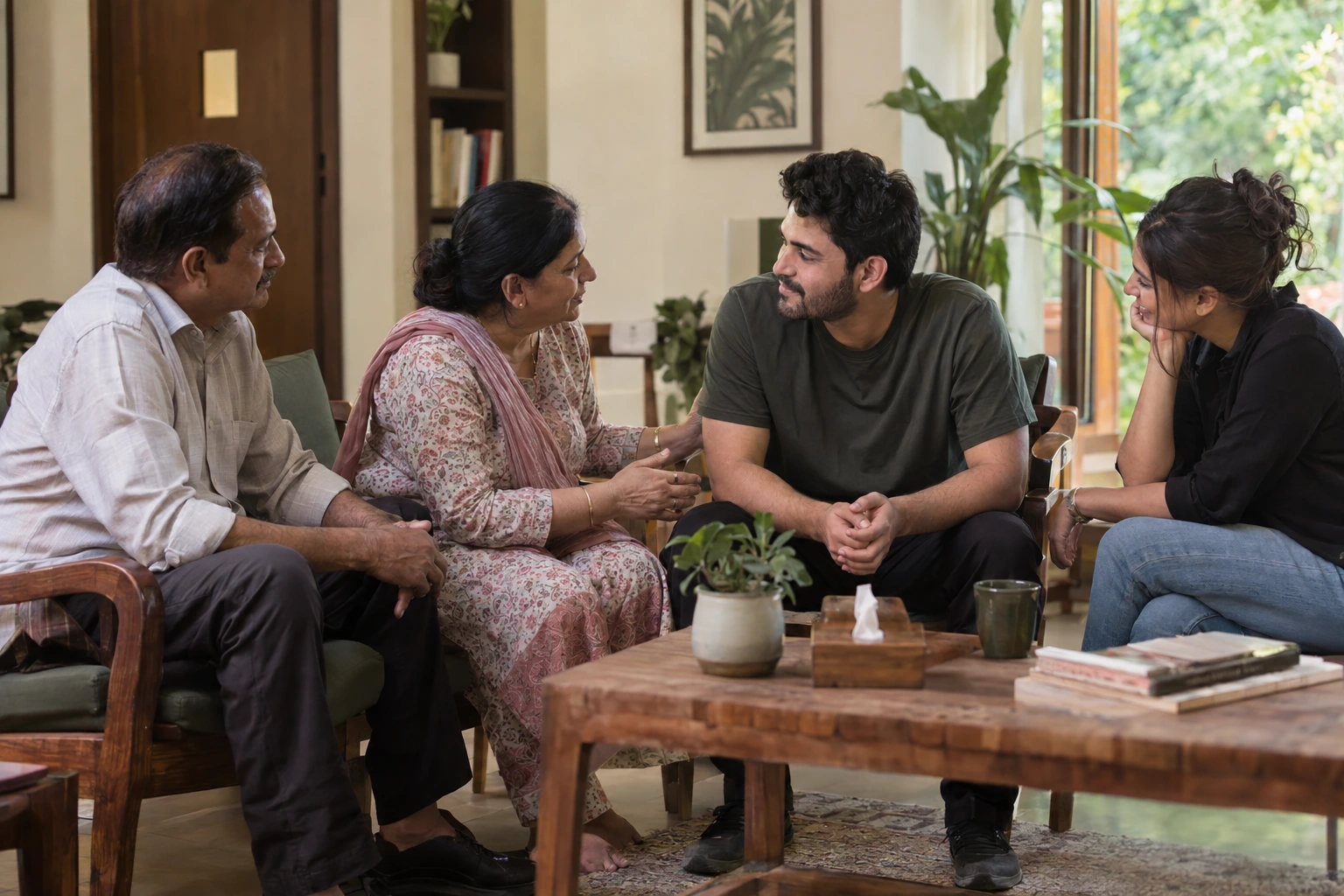
Families do most of the early work. The first conversation is almost always with a mother, a wife or a brother.
Searching at two in the morning
Looking for a rehab centre near me in Jammu?
Then it is probably not a reasonable hour, you have probably already rung two numbers that nobody picked up, and what you actually want is a rehab centre in Jammu that answers. The honest thing to know about a rehab near me search from this city is that it returns centres from Jammu and Kashmir, Punjab, Himachal, Haryana and Delhi all at once, because every one of them buys the words rehab near me, and a pin on a map establishes nothing at all about what happens inside the building.
Judge a rehab centre near me result by whether a human being answers at that hour, because two in the morning is when families stop deliberating and start acting. Ours does. The counsellor who answers will take the history, tell you plainly whether this needs a residential bed at all, and if it does not, point you at the right government service in your own district and tell you to keep your money.
Here is the one practical check that will save you a wasted journey: ask which State Mental Health Authority issued the certificate, then hold that answer against the address on the letterhead. A Jammu and Kashmir certificate covers a J&K building, a Punjab certificate covers a Punjab building, and a Himachal certificate covers a Himachal one. Ours is Provisional Registration Sr. No. 193 from the Himachal Pradesh State Mental Health Authority at Shimla, and we would rather you tested it now than after you had paid somebody. Apply the same test to every rehab centre in Jammu on your list.
On the ground in the city
Fourteen hotspots, drones on the border, and Rs 60 crore of heroin
These figures come from Jammu and Kashmir Police disclosures, the Nasha Mukt Jammu Kashmir Abhiyan reviews and the government's own answers in the House. We have set the enforcement record and the rehab centre in Jammu bed count on the same page deliberately, because almost nobody does, and the distance between them is the entire argument of this page.
Locations identified by Jammu police as drug hotspots inside the city, with 85 raids run against them
Peddlers arrested in Jammu district across 2025, including 35 women, against 204 NDPS FIRs
International market value of the heroin seized in the district in a single year, over 15 kg of it
Substance use cases registered at GMC Jammu alone since 2022, out of 15,758 across the division
Fourteen hotspots, named by the SSP
Jammu police publicly identified 14 locations in the city as drug hotspots and ran 85 raids against them, producing 71 NDPS cases and 85 arrests in the first months of that year, with the recoveries described as mainly heroin. In the same period 13 notorious peddlers were booked under the PIT NDPS Act, against 24 in the whole of the previous year. Police have also said they monitor former over ground workers to prevent narco-terrorism links. Whatever colony you live in, the hotspot list is not somewhere else, and a rehab centre in Jammu sees the result of it every week.
A full year of enforcement, written out
311 peddlers arrested including 35 women, 204 NDPS FIRs, 71 vehicles seized, over 15 kg of heroin valued at Rs 60 crore, 114 kg of poppy straw, capsules and opium, 11 commercial quantity cases producing 38 arrests, 11 hardcore peddlers detained under the PIT NDPS Act, 48 convictions, three drug hotspots and 23 drug-linked illegal structures demolished, and three immovable properties worth Rs 85.70 lakh attached as drug proceeds along with a vehicle worth Rs 11.40 lakh. Supply chain investigations ran into Punjab, Kathua, Udhampur and Rajouri, which tells you how far the network reaches.
What the drones drop into R.S. Pura
In October 2025, 5.3 kg of heroin valued at about Rs 35 crore was recovered from paddy fields at Bidhipur Jattan in the R.S. Pura sector of this district, packed in ten smaller packets inside two bags and dropped by a Pakistani drone; the BSF had reported suspicious drone activity the evening before and an FSL team confirmed the substance on the spot. In March 2026 police and the BSF recovered another 2 kg worth about Rs 12 crore the same way. Consignments of that size are not aimed at anybody else's market. They are aimed at this one.
155 hotspots and 701 arrests
Under the Nasha Mukt Jammu Kashmir Abhiyan the division's ten districts produced 155 identified hotspots, 598 FIRs, 701 arrests and 24 PIT-NDPS detention orders, with 14 kg of heroin, 49 kg of ganja, 3.712 kg of charas and 204.5 kg of poppy straw seized, 62 immovable properties worth Rs 19.30 crore demolished and 21 worth Rs 24.868 crore attached. Alongside it: 180 passports recommended for suspension, 243 vehicle registrations suspended, 2,293 drug users identified and 547 rehabilitated. The rehabilitation number is the one worth staring at.
The half that never makes a headline
None of the enforcement above treats a dependence. Demolishing a structure removes a storeroom and arresting a peddler removes a seller. Neither touches the man in your house who is eight months into chitta or fifteen years into sharab. And when supply is squeezed without treatment capacity being built alongside it, a dependent man does not stop. He moves to whatever is still available, which in this city has meant poppy straw, tablets, country liquor and needles.
Set the two sets of numbers side by side. Across the division, 155 hotspots, 701 arrests, 62 properties demolished and 21 attached. And on the treatment side, 75 psychiatric beds at Ambphalla for every mental illness in ten districts, outpatient facilities in the districts that do not admit, and 311 residential admissions in a year at Channi against 15,758 registered cases. That is the gap, and it is why a registered residential rehab centre matters for Jammu families whichever one you finally choose.
Why this city is not like anywhere else
What a border city on a national highway actually faces
Jammu is a winter capital, a garrison city, a university city, a pilgrimage transit point and a district with an international border running along the bottom of it. Six features of that combination decide what a rehab centre in Jammu is actually dealing with, and none of them appears on a page written for somewhere else.
Supply lands in the fields, not at a border post
Consignments come over the international border by drone into the R.S. Pura, Arnia and Suchetgarh belt, in packets small enough to carry away on a motorcycle, and from there they move up the highway into the city. There is no checkpost that catches a man collecting one and nothing for a family to see. This is why supply here is not a distant problem that arrives eventually. It is already inside the district before anybody has a chance to intercept it.
A student and coaching city
Jammu University, the Central University at Samba, GMC, the engineering and coaching institutes, and the thousands of young men in rented rooms and PGs around Gandhi Nagar, Bakshi Nagar, Janipur and Nanak Nagar who come from districts their families cannot easily reach. Nobody at home sees the first year.
Service, uniform and reputation
Government service, the armed forces and paramilitary, the judiciary, old business families. The first question we are asked from this city is almost never clinical. It is whether anybody will find out. That fear buys the habit another year and is the biggest single reason admissions here are late.
Two cities in one district
Trikuta Nagar and Greater Kailash on one side, and Bhatindi, Sunjwan, Gujjar Nagar and the old city lanes on the other. Different substances, different prices, different ages, sometimes a few kilometres apart. A rehab centre in Jammu that understands only one of them will mishandle the other.
A transit city
The Vaishno Devi yatra, the highway to the valley, the railway terminus and the bus stand all pass through here. Transit towns carry transient populations, cash, and a steady trade in tablets and liquor aimed at people who will be gone by morning.
The chemist counter
A city this size has a chemist every few hundred metres. Prescription dependence is the most respectable form the problem takes, the slowest to be named, and very often sitting underneath a man who insists he only drinks socially. Nobody in the family questions a strip.
The bed is the bottleneck
Not the doctors, not the diagnosis, not the awareness. The constraint for every rehab centre in Jammu is somewhere to put a man for a month. The morning he agrees to go is usually the only morning you get, and a bed available in three weeks has effectively said no.
Why this matters when you choose. A centre that treats a Jammu case the way it treats a small-town case will miss most of what is in front of it: the drone belt, the student in a PG, the uniform in the family, the chemist on the corner, and the fact that for this household discretion is a clinical problem rather than a vanity. Tell the counsellor at our rehab centre in Jammu on the first call which of the six above is your house, and the plan gets written from there rather than off a shelf.
Every ward, every colony, every tehsil
All of Jammu city, and the district around it
Men reach our rehab centre in Jammu from every part of this district, from the lanes behind City Chowk to the villages on the international border. Open any area below for the colonies and mohallas our rehab centre in Jammu takes admissions from.
The old city and the Tawi beltCity Chowk, Jewel Chowk, Panjtirthi, Gujjar Nagar, Prem Nagar
The oldest and densest part of Jammu, running from Raghunath Bazar and Mubarak Mandi down through City Chowk and Jewel Chowk to the Tawi. Gujjar Nagar sits along the river by the Sheri Kashmir Bridge under pin code 180001, and the lanes behind these chowks are exactly the kind of ground the city's hotspot list covers. Families here are often the last to ring because everybody knows everybody, and that costs time nobody has.
Gandhi Nagar, Trikuta Nagar and the new cityNanak Nagar, Shastri Nagar, Greater Kailash, Digiana
The commercial and residential heart of modern Jammu, built around the Gandhi Nagar postal head office at 180004 and running out through Trikuta Nagar, Guru Nanak Nagar and Shastri Nagar. Government service, business families and a very large student and PG population sit side by side here. This is also where confidentiality matters most to the families who ring us, and we treat that as a clinical problem rather than a preference.
Channi Himmat, Bahu and BhatindiSunjwan, Gorkha Nagar, Sidhra, Bahu Fort
The eastern belt across the Tawi. Bhatindi covers roughly 5.38 square kilometres with a population around 18,379 under pin code 181152, sitting next to Channi Himmat, Sunjwan, Gorkha Nagar and Sidhra, connected by the Jammu to Kunjwani bypass and NH-44. A fast-growing, young, largely rented belt, and one that reaches a rehab centre in Jammu late because the family is frequently in another district.
Janipur, Bakshi Nagar and Talab TilloAmbphalla, Krishna Nagar, Roop Nagar, Muthi
The western belt, and the part of the city that holds its medical infrastructure. The Psychiatric Diseases Hospital at Ambphalla, with 75 indoor beds and a de-addiction clinic, is in this belt, as is the Government Medical College. It is also a dense, old, mixed-income stretch of colonies where the money problem usually shows before anything else does.
Satwari, Gangyal and the industrial beltNarwal, Transport Nagar, Airport, Kunjwani
The southern working belt of the city: the airport, the cantonment, the mandis at Narwal, Transport Nagar and the industrial estates running down towards Bari Brahmana. Cash wages, shift work, long-distance drivers and loaders, and the oldest relationship in this district between a working day and a strip of tablets or a bottle of country liquor.
The border beltR.S. Pura, Bishnah, Arnia, Suchetgarh
The flat farming belt along the international border, and the ground the drone consignments actually land on. The 5.3 kg of heroin worth about Rs 35 crore recovered in October 2025 came down in paddy fields at Bidhipur Jattan in the R.S. Pura sector. Families here are closest to the supply and furthest from the city's services and from any rehab centre in Jammu, which is a bad combination and the reason we take so many calls from these villages.
Akhnoor and the Chenab sideKhour, Chowki Choura, Jourian, Pargwal
The western tehsils of the district along the Chenab, running up towards Rajouri. A rural belt with its own long history of country liquor and bhukki, a large serving and ex-serving population, and a real distance to any psychiatric service. A family in Pargwal or Khour that settles on a residential rehab centre in Jammu terms should decide once and travel once.
Beyond the districtSamba, Kathua, Udhampur, Reasi, Rajouri, Poonch, Doda
Our rehab centre in Jammu takes admissions from every district of the division on identical terms, and from across the Punjab and Himachal boundary. Our separate pages cover Bari Brahmana and Samba and Doda and the Chenab valley in full, with their own local figures.
Families in Jammu often ask about the hills as well, either because the man is already working there or because they want him away from the people he uses with. Our pages for Pathankot, Nurpur, Kangra, Dharamshala and Chamba cover the belt immediately south of here. Every area we serve is listed in full further down this page.
Five minutes that protect your family
Is your rehab centre in Jammu registered? How to check
A family searching for a rehab centre in Jammu gets called back by centres in four states at once, and that is precisely why this check matters more here than almost anywhere. It takes five minutes on the phone and rules out nearly everything you should be ruling out.
The law is not vague
Section 65 of the Mental Healthcare Act 2017 makes registration with a State Mental Health Authority compulsory for any mental health establishment, and a residential rehab centre is one. The word on the board changes nothing: trust, society, ashram, seva kendra, hostel or farmhouse all need the same certificate. We are a trust and the rule binds us exactly as it binds everybody else.
What provisional registration means
Section 66 lets the authority grant provisional registration for twelve months at a time, renewable, while inspection and verification run alongside. The document it produces is an ordinary printed certificate, and you need no training to read the three things that matter: the serial number, the date of issue and the registered name.
What is not registration
A trust deed, a society number, GST or Udyam papers, a municipal licence, an ISO sticker on the gate, a photograph of a minister at a ribbon cutting. Each is a real document about something else. Not one is registration under the Mental Healthcare Act, and not one tells you a doctor has ever signed a detox chart in that building.
Which authority, for which building
This is the one that catches Jammu families. The numbers ringing you back will be registered, if at all, in Jammu and Kashmir, Punjab, Himachal, Haryana or Delhi. A certificate is valid only for the state that issued it. Get the name of the authority, then hold it against the address printed on the letterhead before anything else is decided.
Three questions that sort the list
Name the doctor supervising withdrawal and give his council registration number. Say who is physically awake on site at three in the morning. Put the full monthly figure, and anything outside it, in writing before he travels. One call, three questions, and most of the wrong options eliminate themselves while you listen.
Ours, so you can test it
Provisional Registration Sr. No. 193, issued by the Himachal Pradesh State Mental Health Authority, Shimla, under Sections 66(4) and 66(11) of the Mental Healthcare Act 2017, dated 14/05/2026. The trust: Eshan Charitable Trust, Regd. No. 2025/19/IV/123, Book No. IV, Vol. 4067, Sub-Registrar-I, Kashmere Gate, Delhi, dated 14 February 2025. Both hang on the wall and can be read when you visit.
Hold us to every line of that as hard as you hold any other rehab centre in Jammu, and hold us to it while the money is still in your own hands. Arrive without warning if you prefer: walk the building, lift the certificate off the wall and read it, and talk to the counsellors on your own. For the legal background, including Section 64A and voluntary treatment, see how the NDPS Act works.
The journey
The 30, 60 and 90 day programmes at our rehab centre in Jammu
Admissions to our rehab centre in Jammu run as three residential programmes, of 30, 60 and 90 days. All three move through the same eight stages and all three sit inside the same monthly fee. The doctor recommends a length at the assessment, from what he takes, how long he has taken it and what has already been tried, so that a worried family is not left guessing at it. For the hour by hour picture, read what actually happens in a rehab centre.
Admission and assessment
A confidential sit-down with the doctor covering the substance, the quantity, the years, his physical state, his mental state and what the household has already lived through. What comes out of it is a plan built around this particular man, and a recommended length of stay that is explained to you rather than handed down.
Medically supervised detox
Withdrawal from chitta, sharab, bhukki, goliyan or street buprenorphine, managed with proper medication, vitals taken on a schedule and a nurse awake on the night shift. Benzodiazepines get a carefully written taper, because cutting those off suddenly brings on fits. Worth reading prescription drug detox and the chitta withdrawal timeline before you travel.
Psychiatric and psychological therapy
Individual sessions and cognitive behavioural work with our consultant psychiatrist and psychologist, aimed squarely at the depression, anxiety, anger or old trauma that sits underneath the nasha in most men and that nobody in the family has ever had looked at.
12-step programme and group therapy
A meeting every single day. This is where a man gives up performing for his relatives and starts speaking honestly in front of people who have run every excuse he is about to attempt. Ask men afterwards what actually shifted things and they name this room far more often than anything on the medicine trolley.
Yoga, meditation and fitness
Each morning begins in the open with yoga and breathwork, the Dhauladhar straight ahead. For a man who has spent two years inside a room in a city, the first two weeks of hill air do more than any timetable would lead you to expect.
Family counselling
Parents, wives and brothers are taught what dependence actually is in medical terms, why trust returns in stages rather than all at once, and how to back him without the small sums that have been keeping the habit alive. For families in Jammu these run by phone and video between visits, and in person when you come up. In Hindi: भर्ती कराने से पहले.
Relapse prevention
He writes it in his own hand before discharge: what sets him off, the signs that come before a slip, the three people he will ring, and an hour by hour account of his first month back in the colony, including which numbers get deleted and what he does about the counter he used to buy from.
Aftercare and follow-up
Leaving does not close a file with us. There are scheduled follow-up calls, review conversations, continued guidance for the household through the fragile months, and a helpline that stays open to him and to you at no further charge. In a city where the public services are already carrying 9,806 registered cases, having somebody to ring matters.
Said plainly, and this is the honest arithmetic of any rehab centre in Jammu: thirty days takes a man through detox and leaves him eating, sleeping and physically steady, which is a real gain and sometimes all a household can arrange. Sixty gets the therapy properly under way. Ninety is what a long tablet or sharab history usually needs, because the work that stops the next relapse takes longer than the detox that ends this one. Our page on the 30 day rehab programme sets out the month day by day, and we have written separately on what a short detox admission can and cannot achieve, and a rehab centre in Jammu that lets a man leave after ten days is not doing him a favour.
Life here
A day at the centre
At any good rehab centre in Jammu the timetable is itself part of the treatment, and not one slot is allowed to slide, because an empty hour is exactly what a craving moves into. Any rehab centre in Jammu you are weighing up should be able to hand you its timetable hour by hour before you admit him.
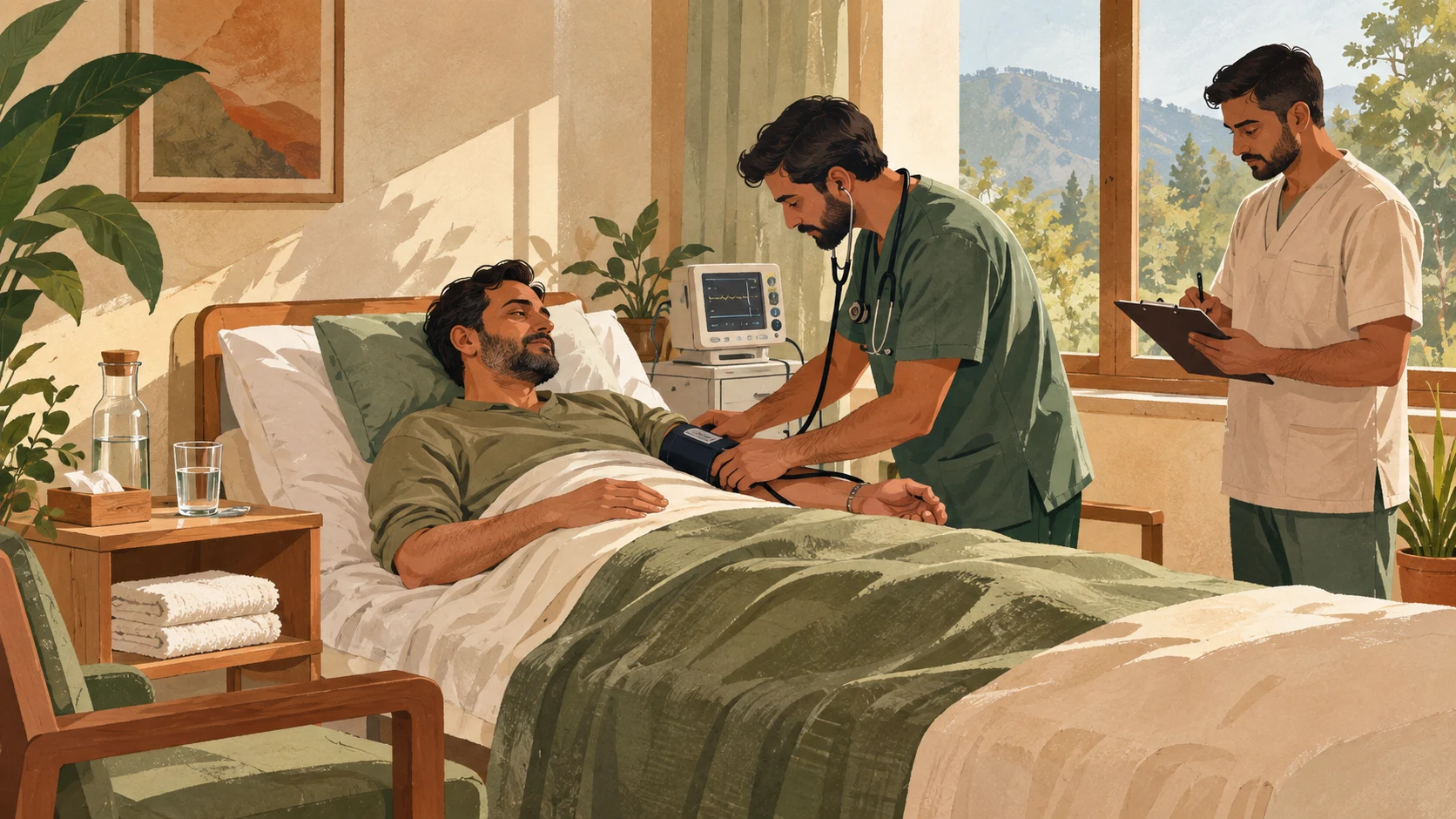
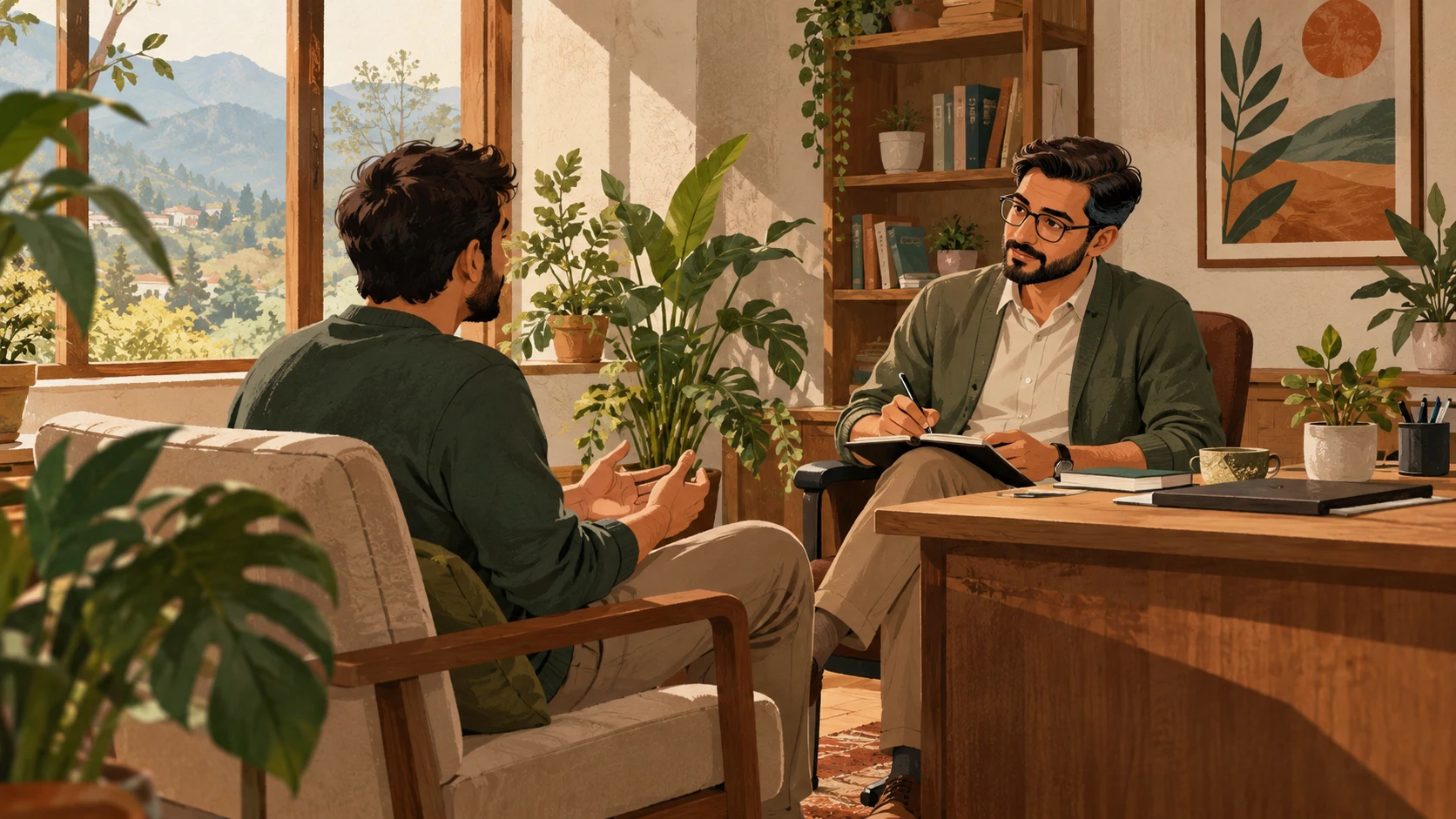
Morning
An early start, yoga and meditation in the open, breakfast, and then group work and one to one counselling, with the doctor's round and the medicine trolley at the same hour daily.
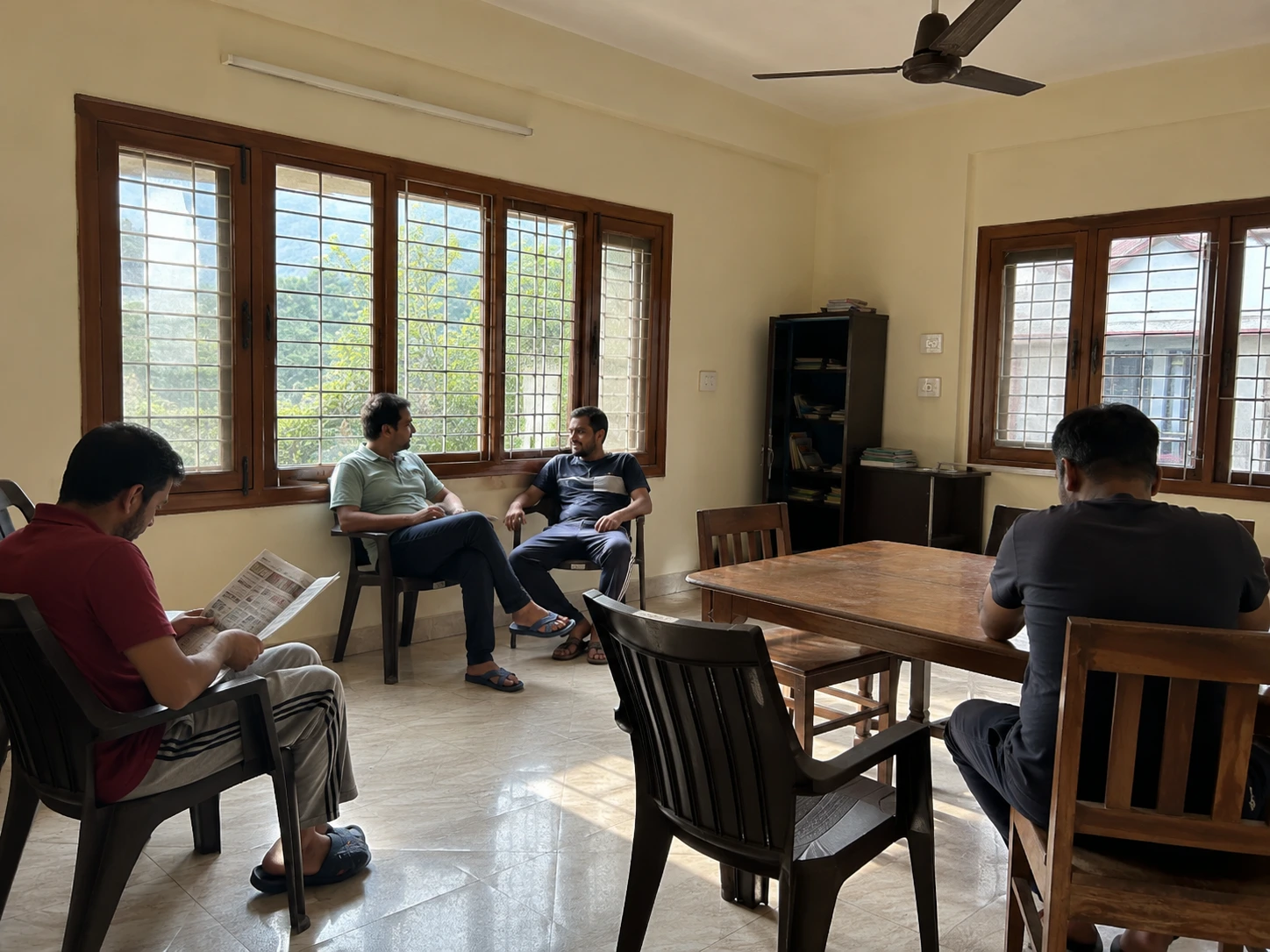
Afternoon
Rest, something to read, vocational and skill work, fitness and games. The psychiatrist's reviews and the booked family calls fall in this block, and it is generally here that a man admitted that morning stops eyeing the gate.
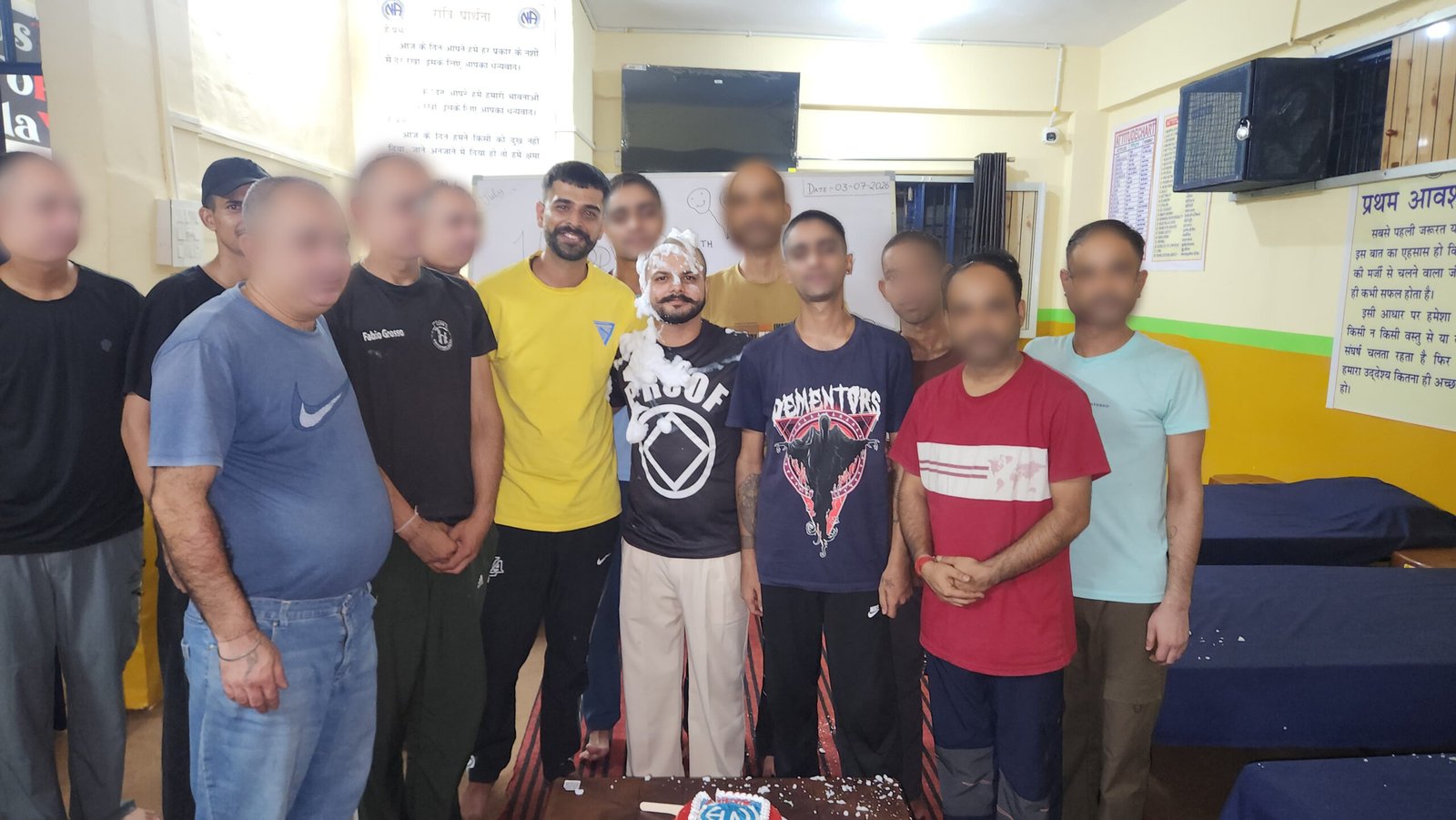
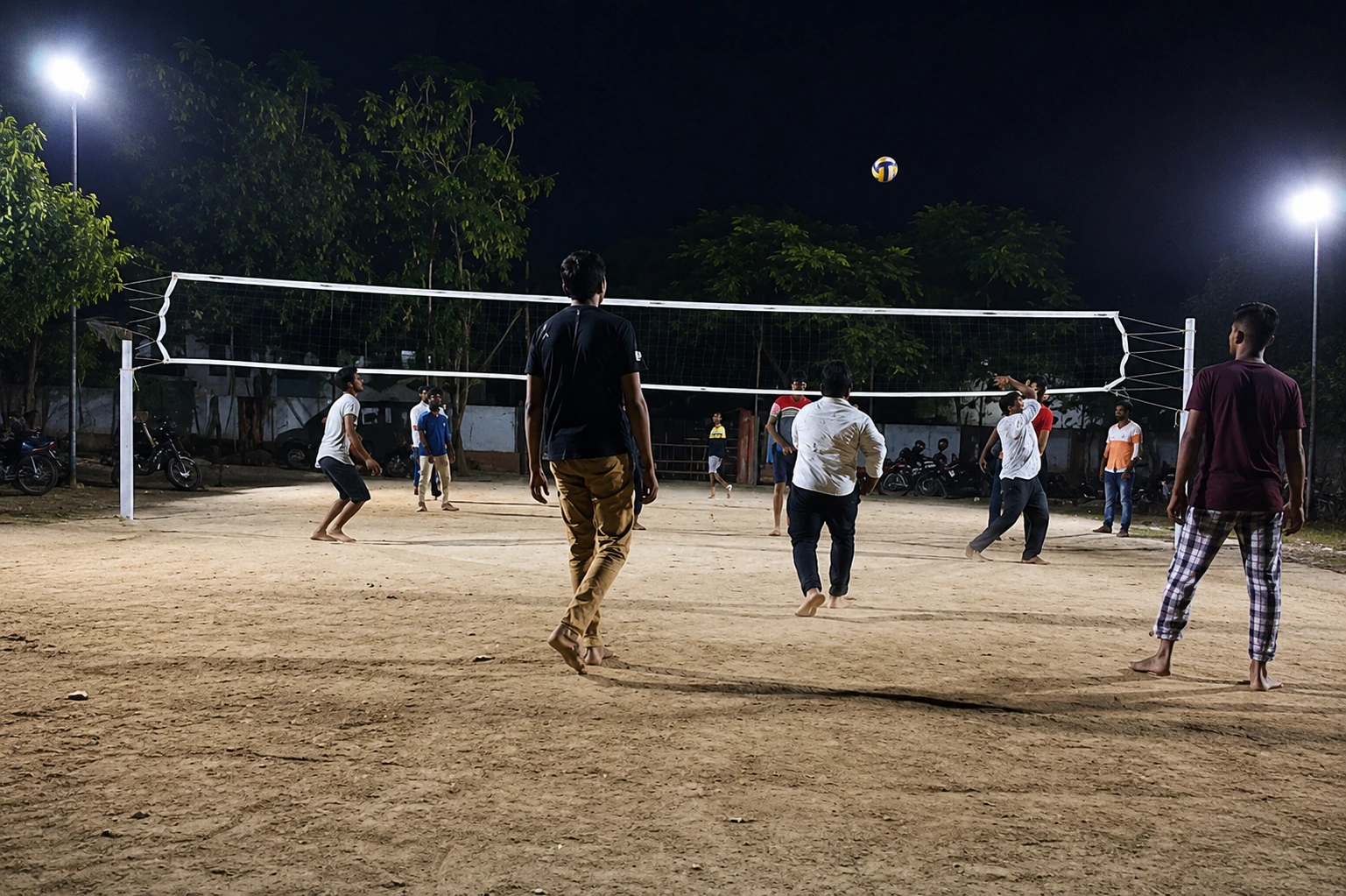
Evening
Sport, the 12 step meeting, a reflective hour and the written log, with meals and bedtime at set times. The lights go off at the same hour seven nights a week and nobody gets Sunday as an exception.
Admission
Admission from Jammu: first day, visits and calls
Six questions every Jammu family asks on the first call to a rehab centre in Jammu or de-addiction centre in Jammu, answered plainly so you know exactly what you are walking into.
When he will not agree
Refusal is where almost every man who has finished our rehab centre in Jammu programme began, so it tells you nothing about whether treatment would have worked for him. Our counsellors will rehearse that conversation with you in advance, line by line if that is what helps, and work through how to shut off the money that keeps the habit alive. Read helping someone who refuses to go to rehab. We will also set out exactly what supported admission under the Mental Healthcare Act 2017 permits in your case, instead of offering to send men to fetch him.
What to carry
His Aadhaar or any government photo ID, the same for whoever signs the papers, and every tablet strip, bottle and prescription slip in the house, the respectable-looking ones included. Any earlier discharge summaries, GMC or hospital papers and test reports. Clothes for the season, and more warm ones than you think if it is winter. Say plainly at the assessment whether there have ever been fits, jaundice, TB, hepatitis, HIV, diabetes, heart trouble or psychiatric medication.
Day one, and week one
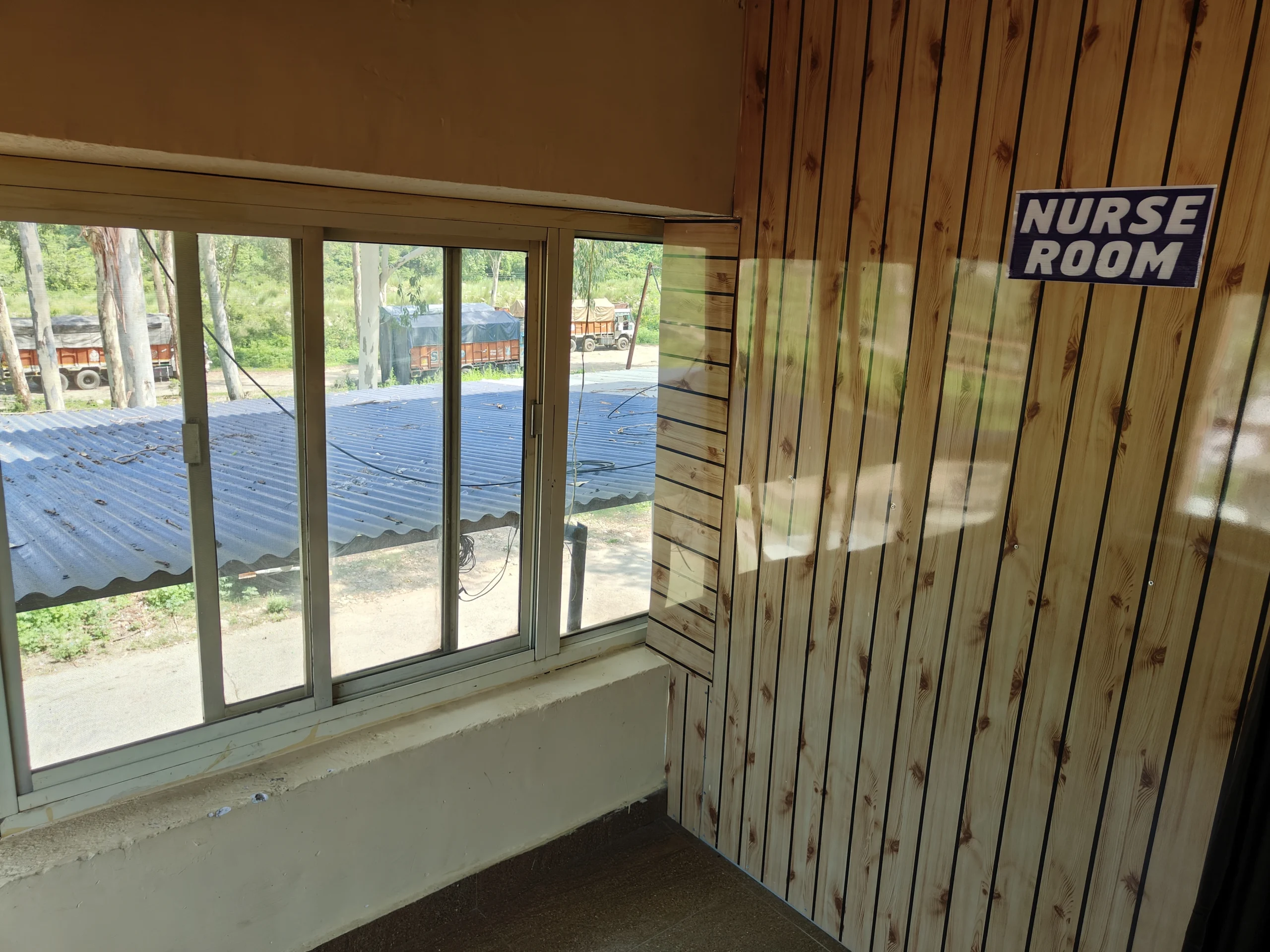
The assessment, his vitals, a written plan, and detox begun that day where the plan requires it. The opening week will not be pleasant: no proper sleep, aching legs and back, a temper that goes off at nothing, and a daily request to be taken home. There is a nurse on duty every shift and the doctor sees each man once a day. By about the second week most men stop fighting the routine.
Visits and phone calls
Both allowed, both written into his rehab centre in Jammu treatment plan, normally once the hardest part of stabilisation is behind him. They are kept back through the withdrawal for a single reason: a call then becomes pleading on his side and negotiating on yours, and the days it costs have to be made up all over again. Between visits the family work runs on video, which suits Jammu households that cannot keep making the trip.
Food and daily care
Simple, fresh, genuinely nourishing vegetarian food from our own kitchen at fixed hours, because years on powder, strips or sharab leave a body short of almost everything. The B Caring and A Caring plans carry an upgraded diet. Where diabetes or a liver problem requires something particular, the kitchen follows the doctor's written instruction.
Going home, and slipping
He goes home with the relapse plan in his own handwriting and his follow-ups already booked, and before that we work through what it will actually take to return to the same colony, the same two friends and the same counter without returning to the supply. If he slips, tell us fast. Inside a few days it is a phone call and a change to the plan. Buried for a month it is usually a second admission.
Fees and accommodation
Rehab centre fees for Jammu families, stated in full
The medicine at our rehab centre in Jammu does not change between plans. The same doctors, the same therapy hours, the same routine and the same nursing cover on every shift, whatever a household pays. The only things that move are the room and the plate.
Shared Residential Care
A place in our shared residential quarters with meals from the trust kitchen. Medical detox, doctor and psychiatrist reviews, individual counselling, group therapy, the 12 step programme, yoga, fitness, family counselling and every activity at the centre are all inside this figure.
Deluxe room, twin sharing
A deluxe room shared with one other resident, with an upgraded diet. Quieter, with room to rest properly between sessions. The clinical programme is exactly the same.
Private room, single occupancy
A private room for one with an upgraded diet. The most personal space we offer, and the plan Jammu families choose most often when being recognised in their own colony weighs as heavily as the treatment itself.
Medically supervised detox
Charged once, whichever plan you choose. It covers detox medication, monitoring of vitals and round the clock nursing through withdrawal under our psychiatrist's supervision. Nothing else is ever added to the monthly figure, and you hear about this one before you leave home.
Every plan includes
- Accommodation and all meals
- All prescribed medication
- Doctor and psychiatrist reviews
- Individual counselling and group therapy
- Yoga, fitness and every activity at the centre
- Family counselling and aftercare follow-ups
Why the figure is what it is
Because nothing in the structure is built to make a profit. Eshan Charitable Trust is a registered charitable trust, no individual owns it as a business and no investor is waiting on a return, and that one fact takes out the largest single line in any private fee. What remains is the real cost of a month at a rehab centre in Jammu: his bed, his meals, the nursing shifts that get him through withdrawal, and the recorded hours our doctor, psychiatrist, psychologist and counsellors put into his file.
That matters in this city because of what sits on either side of the number. Public care costs nothing and, where it is the right answer, you will be sent there rather than signed up. At the other end, private residential care advertised into this city is routinely quoted at several multiples of this. For a household that has already watched one outpatient attempt fail and cannot reach those rates, there has been very little in between. We are not claiming to be the least expensive option in front of you. What we will say is that among registered residential centres with a psychiatrist on the roll, medically supervised detox, a 30, 60 or 90 day programme, family counselling and aftercare all inside one monthly figure, a rehab centre in Jammu terms at Rs 12,500 a month sits in a different order of cost, and that is deliberate.
If money is the thing stopping you, say so on the first call to any rehab centre in Jammu instead of quietly deciding against ringing. We have written openly about what rehab actually costs across the region, about the most affordable options available, and about where health insurance and Ayushman Bharat do and do not help. In Hindi, our note on सबसे सस्ता नशा मुक्ति केंद्र explains what that phrase should and should not mean.
If something truly falls outside the plan, an outside hospital referral, a specialist test, transport, the family is asked first and nothing is spent until you agree. Nothing gets added once he is admitted.
Speak to admissions about fees: +91 62304 15581Free and government care
Jammu's free and government options, honestly listed
If public care fits your situation, use it and keep your money. A rehab centre in Jammu that pretends the government system does not exist is selling you something, and one that tells you the free route is useless is selling you harder. Before you pay any rehab centre in Jammu anything at all, here is what this city actually has.
The police centre at Channi
The Drug De-addiction and Rehabilitation Centre run by the police at Channi recorded 1,667 OPD patients and 311 admitted patients across 2025. It is the facility most Jammu families get pointed towards for an actual bed, it costs nothing, and it is worth ringing before you ring anybody private, ourselves included. The constraint is volume: 311 admissions in a year against a division carrying 15,758 registered cases.
GMC Jammu and Ambphalla
GMC Jammu runs psychiatric services and carries by far the division's largest registered caseload at 9,806. The Psychiatric Diseases Hospital at Ambphalla holds 75 indoor beds and five observation beds, sees roughly 90 to 100 OPD patients a day and admits three to five of them, runs a de-addiction clinic alongside its child guidance and psychosomatic clinics, and keeps round the clock emergency cover. For an assessment or an emergency, this is where to go.
Helplines and the legal route
The national de-addiction helpline is 14446, Tele MANAS is 14416 and the MANAS helpline is 1933. See also Nasha Mukt Bharat Abhiyaan. If a consumption case is pending, ask a lawyer about Section 64A of the NDPS Act before anything else is settled.
Where the free route works
It works, and it costs nothing, where a man wants to stop, is still holding his life together, and can get to a clinic and come back, and no honest rehab centre in Jammu will tell you otherwise. The clinical standard at GMC Jammu is as good as anything money buys in this region and anybody who tells you otherwise is selling. If that is your son, start there, ahead of every private number on your list including ours. Our comparison of government versus private de-addiction care sets out the trade-off, and our list of government nasha mukti kendras covers the hill states next door.
And where it stops
In one place, and it is arithmetic. An outpatient card assumes a man can hold himself together between appointments, and the men who reach us cannot. Against 9,806 registered cases at one medical college and 75 psychiatric beds for ten districts, a residential admission in this city frequently means a wait. The window in which a man agrees to go is usually a single morning. When an outpatient attempt has failed twice, when he cannot hold a clean week inside his own colony, or when there is untreated psychiatric illness underneath, residential stops being a preference and the question becomes which rehab centre in Jammu actually has a bed this week.
Who will be with him
The people your son or husband will actually meet
You are about to hand somebody you love to people you have never met. The most useful thing any rehab centre in Jammu can put in front of you is not a photograph of a building; it is the list of people inside it, with their qualifications and a council number you can check yourself. Every hour of every person below is already covered by the monthly fee.

Dr. Devasheesh Sharma
Consultant Psychiatrist
MBBS, DNB (Psychiatry)
HPMC Reg. No. 5263
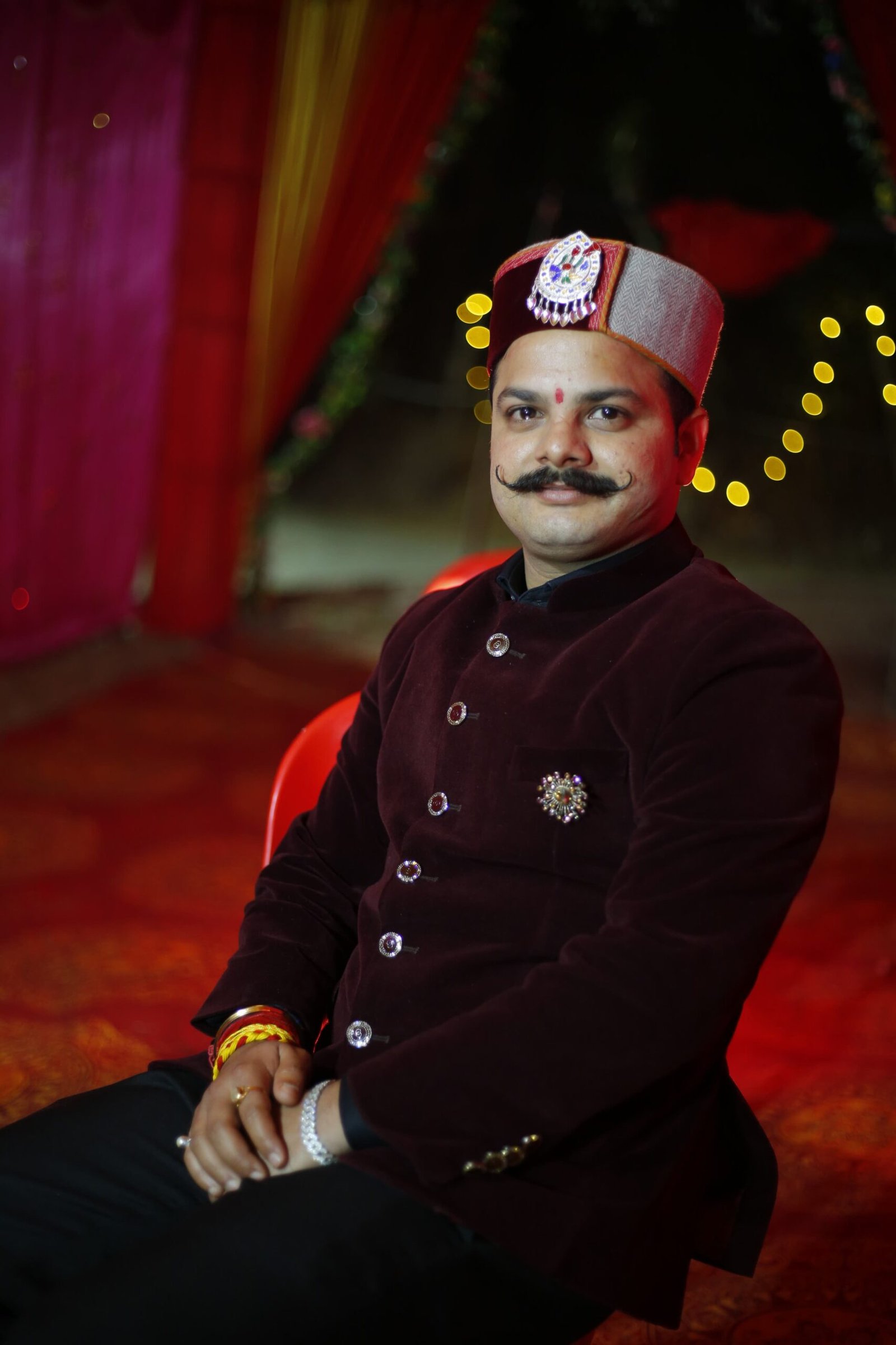
Eshan Pathania
Founder & Managing Trustee
Five years in recovery himself, and in the building every day
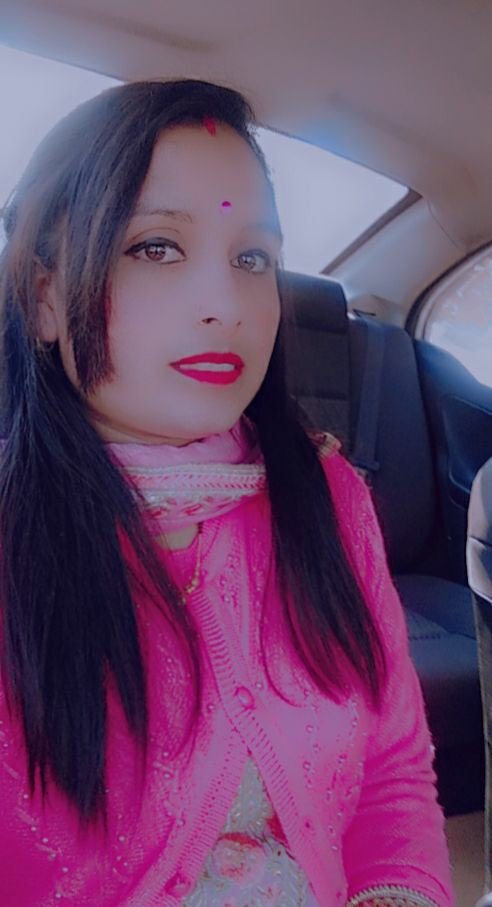
Shivani Rana
MSW Counsellor
Individual counselling and family support
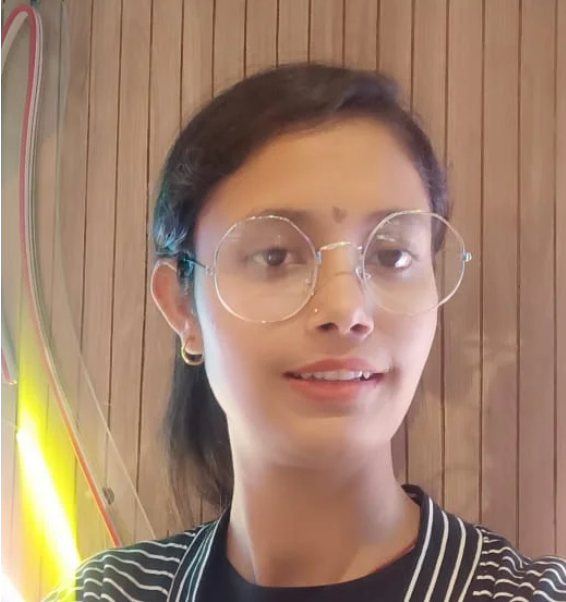
Vanshika
Psychologist
Group therapy and relapse prevention
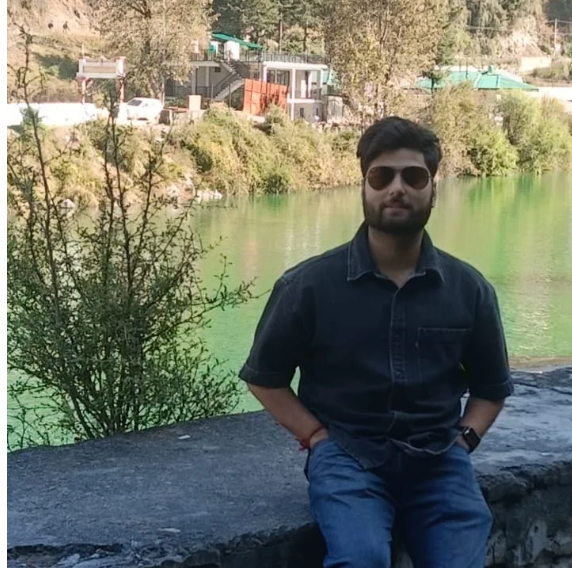
Rakshit Sharma
D. Pharma
Medication management and medical support
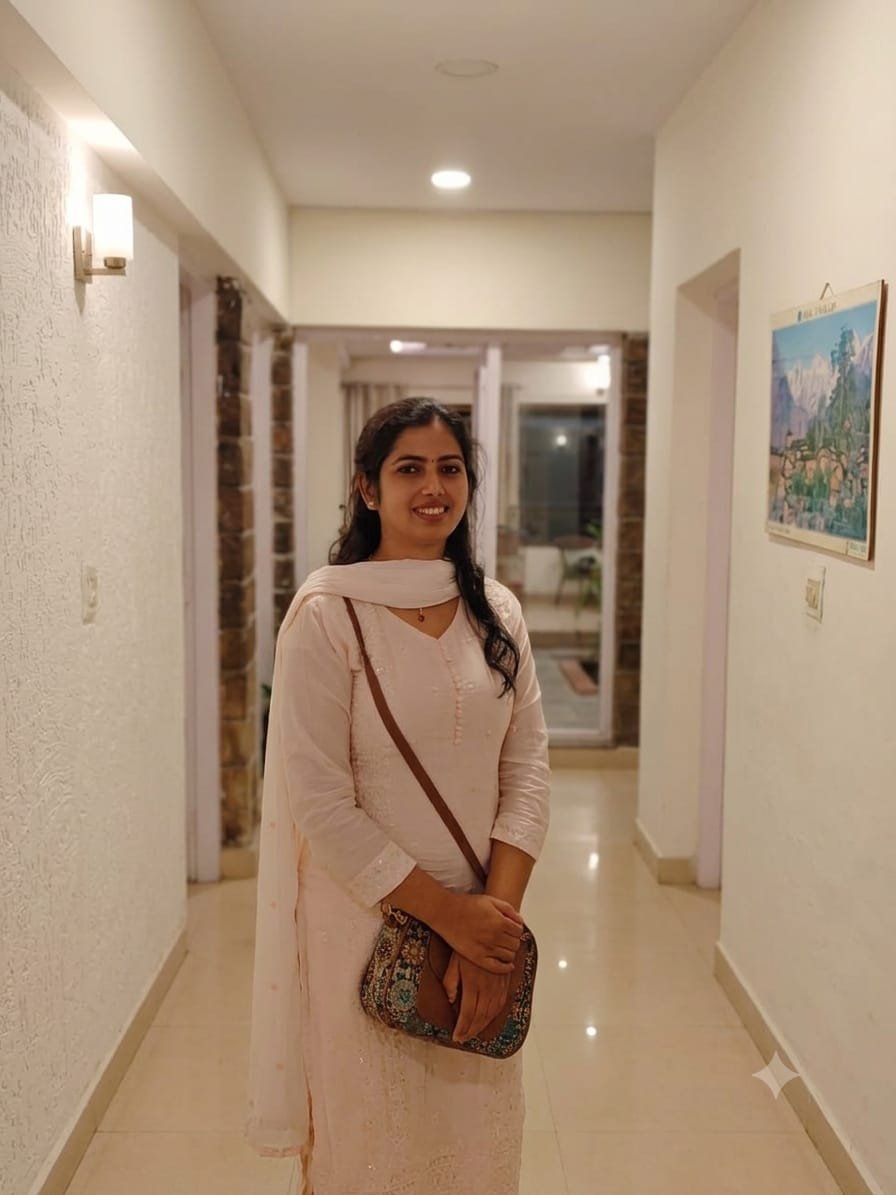
Counsellor
MSW Counsellor
12 step programme and emotional support
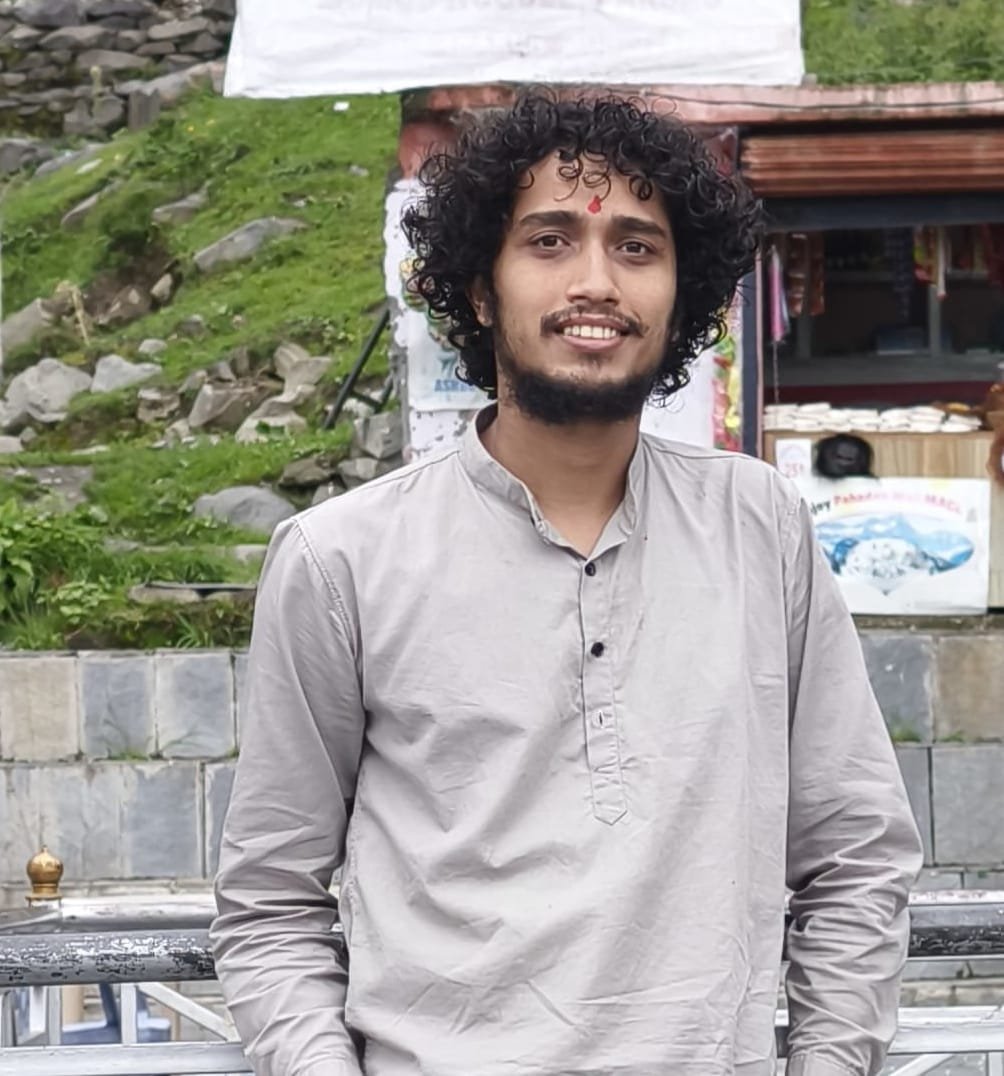
Abhishek
Yoga & Wellness
Daily morning practice and breathwork
Pankaj Guleria
Vocational Trainer
Skill development and daily vocational work

Nursing team
Round the clock care
Awake on every shift, including through the night
Kitchen & housekeeping
Daily living
Three fresh meals a day and a clean building
Ask the same of every number that rings you back: the staff list, the psychiatrist's council registration, and who is physically awake inside the building at three in the morning. They are short questions and the answers are rarely ambiguous. Anywhere that cannot name its own doctor over the phone is not a treatment facility, whatever is painted on the board.
In their own words
Men who finished the programme
Underneath every first call sits one question nobody quite asks out loud: after everything already tried at home, does any of this actually work. We publish no recovery percentage, because no rehab centre in Jammu or anywhere else can stand behind one. What we can put in front of you instead are three men who finished, in their own words.
I had written myself off long before I reached this nasha mukti kendra. Nobody shouted at me and nobody locked me in a room. They treated me like a man worth saving, and I walked out of here with my life back in my own hands.
 DinkarCompleted the 90-day programme
This is real medical care, not punishment, and that is the whole difference between here and the places I had been before. The counselling made me face things I had been running from for years. I left with a plan written down, and I still follow it every morning.
 FarhanCompleted the 60-day programme
Yoga at six with the mountains in front of us, the group meetings, and staff who would not give up on me even when I tried to make them. Piece by piece this de-addiction programme put me back together, and my family has me again.
 AyushCompleted the 90-day programme
No resident's town, village or employer is ever named here, and no figure is attached to any of it. Every man above completed a 30, 60 or 90 day programme with us. If you would rather speak to a family that has already done this before you decide, say so on the call and we will ask one whether they are willing to take it.
Getting here from Jammu
One phone call, then one journey
Admission to our rehab centre in Jammu is arranged on the phone before anybody travels, which matters a great deal for a family in this city, because you are the ones most likely to be ringing numbers in four states on the same afternoon, and a good many of them will not be registered anywhere you can check. Call +91 62304 15581. A counsellor at our rehab centre in Jammu will take the whole history, say straight out whether a residential bed is even warranted, and if it is, book the slot and list exactly what you should carry with you. The assessment then runs on the day you arrive rather than at the end of a queue.
Men reach our rehab centre in Jammu from every part of the district, from Gandhi Nagar and Trikuta Nagar to Bhatindi, Bishnah, R.S. Pura and Akhnoor, by road and by rail. Families routinely travel up, settle him in and are home within the week. Visits and family counselling are written into the treatment plan, and between visits the family sessions run on video, so nobody is making that journey every fortnight simply to take part.
If getting him into a car at all looks unsafe, say so on the phone instead of trying to handle it between you. There are situations where the right answer is GMC Jammu or the nearest casualty tonight rather than a journey tomorrow, and we will tell you that instead of taking a booking. For an overdose or a seizure, go to the nearest hospital first and ring us afterwards.
Open 24x7. Admissions any day of the week, including Sundays and public holidays.
Everywhere we serve, and everything we have written
Our full network and reading library
Jammu sits at the junction of three states, and so does the supply that reaches it: the 2025 investigations out of this district ran into Punjab, Kathua, Udhampur and Rajouri. Below is every area our rehab centre in Jammu takes admissions from and every guide we have written, including the local reporting from the districts along those routes.
The Jammu region and the plains
- Eshan Charitable TrustOur main page: the trust, the registration, the staff and the whole programme
- Doda and the Chenab valleyEighteen tehsils, the tablet belt and the Bhaderwah cases
- PathankotThe junction on the road down into the Himachal hills
- PunjabThe state page, and the supply belt the Jammu investigations reached into
- AmritsarThe border district, and what chitta looks like where it first lands
- HoshiarpurWhere Punjab meets Himachal, and the route that runs between them
- JalandharResidential care across the Doaba
- Sharab treatment in JalandharWhen daily drinking has stopped being safe to interrupt at home
- LudhianaAnother industrial city, and the same shift-and-wage pattern
- MehatpurA border town on the Punjab and Himachal line
- ChandigarhWhere many families in this belt look first, and what it costs there
- Bari Brahmana and SambaThe border and industrial belt, and the drone route into the plains
- Delhi and the NCRFor relatives working in the capital, written for that city's pattern
Where the centre sits: Kangra and Himachal
- Kangra districtOur own district, and the whole valley around the centre
- DharamshalaThe district headquarters and the hill belt above it
- PalampurThe tea belt and the colleges in it
- BaijnathBaijnath, Paprola and the upper Kangra tehsils
- NurpurThe first town inside Himachal on the road from Pathankot
- JwalamukhiDehra, Jwalamukhi and the Dehra Gopipur side
- UnaThe industrial corridor where Himachal meets Punjab
- HamirpurA district full of students and coaching institutes
- BilaspurBilaspur, Ghumarwin and the highway belt
- MandiThe district with the most sub-divisions and a serious chitta problem
- KulluThe valley, the orchards and the cash that comes with them
- ManaliTourism, season work and year-round use
- ShimlaThe state capital, and what is actually available in it
- SolanSolan district and the pharmaceutical belt below it
- BaddiAsia's largest pharma hub, and what that does locally
- NalagarhThe Nalagarh and Ramshehar belt
- KasauliKasauli, Dharampur and Parwanoo
- ChambaChamba, Dalhousie and the tehsils behind them
- PangiThe hardest valley in the state to reach a doctor from
- SirmaurNahan, Rajgarh and the lower belt
- Paonta SahibAn industrial town on the Haryana and Uttarakhand edge
- KinnaurApple money, long winters and heavy drinking
- Lahaul and SpitiWhat winter closure means for getting treatment at all
- UttarakhandThe other hill state families in this belt ask about
- Substance use treatment in HimachalThe state-wide picture of what exists and where
Chitta, smack and the supply belt
- चिट्टा नशा: पूरी गाइडWhat chitta is and what it does to a body, explained in Hindi
- चिट्टा छोड़ने का इलाजThe treatment and the detox, step by step, in Hindi
- चिट्टा कैसे छोड़ेंThe practical guide to stopping and to staying stopped
- Chitta among young menHow the habit moves through a district's colleges and bus stands
- What an overdose looks likeAnd exactly what to do in the first five minutes of one
- Overdose where help is far awayWhy the deaths cluster where treatment is hardest to reach
- Overdose in a state capitalThe same drug, a very different set of excuses
- Emergency addiction helpWhat counts as an emergency and who to ring first
- Anti-drug campaignsWhat a campaign achieves and where it stops
- नशे के खिलाफ जन अभियानWhy awareness alone never closes the gap
Sharab and alcohol
- Alcohol addiction treatmentThe whole pathway, from the first call to the last follow-up
- Alcohol detox treatmentWhy withdrawal from sharab is the one that can kill
- Signs of alcoholismWhat separates heavy drinking from dependence, plainly
- Alcohol addiction recoveryWhat the first year after a residential stay is really like
- Sharab treatment in MandiA district where drinking outnumbers everything else put together
- Sharab treatment in Kullu and ManaliSeason work, tourist money and drinking that never stops
- Alcohol rehabilitation in ChambaResidential care for a twenty year drinking history
Goliyan, bhang and charas
- Goliyon ka nasha treatmentTablet dependence, and why families name it last
- Prescription drug symptomsWhat to look for when the strip came from a chemist
- Prescription drug detoxTapering safely, and why stopping suddenly causes fits
- Bhang addiction symptomsWhen daily use has stopped being recreational
- Bhang addiction treatmentIncluding the psychiatric side nobody expects
- Bhang and charas detoxWhat the withdrawal is, and how long it runs
- Chitta detoxMedically supervised detox from smack and heroin
- Chitta withdrawal symptomsThe first week, hour by hour
Before you choose a centre
- The reality of nasha mukti kendrasWhat the unregistered end of this industry does to men
- Rehab centre or nasha mukti kendra?Two words, and why the difference is not the signboard
- How to choose a centreThe checks to run before any money changes hands
- Government or private?An honest comparison, including where the free route wins
- What rehab actually costsReal figures, not a range to ring about
- The most affordable optionsWhere to look when money is the thing stopping you
- सबसे सस्ता नशा मुक्ति केंद्रWhat that phrase should and should not mean
- Insurance and Ayushman BharatWhere they help with de-addiction and where they do not
- The NDPS Act explainedIncluding Section 64A and what voluntary treatment protects
Comparing what exists, district by district
- Best rehabilitation centre in HimachalThe state-wide comparison, district by district
- Top 5 in ChambaWhat is genuinely available in the district
- Top 4 in KulluThe valley's options, compared honestly
- Top 4 in ManaliIncluding which of them are registered
- Best rehabilitation centre in ChambaWhat to weigh where provision is thin
- Residential rehabilitation in ChambaWhat a residential stay involves and who needs one
- Rehabilitation centre in KulluTreatment options across the valley
- Options across Kullu and ManaliThe whole valley, side by side
- Government centres in ShimlaThe free list, and how to actually use it
- Government centres in ManaliWhat the public system offers in the valley
- Government nasha mukti kendrasThe free list for the hill states, with how to get a bed
For the family
- Warning signs to look forWhat families notice first, and what they miss for years
- घर में कोई चिट्टा ले रहा है?How to be sure, and what to do next
- Signs of a chitta nasha addictThe physical and behavioural markers, described plainly
- When he refuses to goWhat works, what backfires, and what the law allows
- भर्ती कराने से पहलेWhat to ask and check before admitting anybody anywhere
- भर्ती से पहले: ज़रूरी बातेंThe papers, the questions and the costs
- What happens insideThe daily routine, with nothing left out
- The psychology of addictionWhy willpower is the wrong frame for this illness
- Yoga for stress and anxietyWhat the morning practice here is actually for
Treatment, and talking to us
- All treatment servicesEvery programme we run and what each one covers
- Chitta nasha treatmentThe residential pathway for smack and heroin dependence
- What a short detox can doAnd, honestly, what it cannot
- Frequently asked questionsThe questions families ask most, in one place
- Contact usPhone, WhatsApp, email and the full address
Questions Jammu families actually ask
Rehab centre in Jammu: everything, answered plainly
Forty-three questions about choosing a rehab centre in Jammu, taken from real first calls out of the city and the district around it. If yours is not here, ring and ask it. Nobody is put on hold and nobody is sold anything, which is not true of every rehab centre in Jammu you will ring.
Jammu, your colony and where to start
Is there a good rehab centre in Jammu?
There is real public provision here and you should know about it before you ring anybody private. GMC Jammu runs psychiatric services and carries the division's largest registered caseload at 9,806. The Psychiatric Diseases Hospital at Ambphalla holds 75 indoor beds with a de-addiction clinic and round the clock emergency cover. The police run De-addiction and Rehabilitation Centre at Channi admitted 311 men across 2025. What the city is short of is residential beds for a man who needs a month, which is why so many families searching for a rehab centre in Jammu end up ringing four states in one evening. We take admissions from every ward of Jammu on +91 62304 15581, answered at any hour, and if the free route fits you we will say so on that call. Judge every rehab centre in Jammu you ring on the six checks set out above, and judge them before you pay anybody.
Where is your centre, and under which authority?
Our residential campus is at Near FCI Godown, Village Tanda Kholi, Ward No. 7, PO Kholi, Tehsil and District Kangra, Himachal Pradesh 176001, beside the government medical college at Tanda. It runs under Provisional Registration Sr. No. 193 from the Himachal Pradesh State Mental Health Authority at Shimla, dated 14/05/2026, granted under Sections 66(4) and 66(11) of the Mental Healthcare Act 2017. The trust is Eshan Charitable Trust, Regd. No. 2025/19/IV/123, Book No. IV, Volume 4067, registered at the office of the Sub-Registrar-I, Kashmere Gate, Delhi. We state both plainly because you should be able to check them, and because a great many centres advertising into Jammu will not tell you which state issued theirs. Ask every rehab centre in Jammu you ring for both of those numbers, and treat a refusal to give them as the answer.
Which parts of Jammu do you take admissions from?
All of them. The old city around City Chowk, Jewel Chowk, Panjtirthi and Gujjar Nagar; Gandhi Nagar, Trikuta Nagar, Guru Nanak Nagar, Shastri Nagar, Greater Kailash, Digiana and Rehari; Channi Himmat, Bhatindi, Sunjwan, Gorkha Nagar, Sidhra and Bahu; Janipur, Bakshi Nagar, Talab Tillo, Ambphalla, Paloura, Bantalab and Muthi; Satwari, Gangyal, Narwal, Transport Nagar and Kunjwani; and across the district at Nagrota, Marh, Bhalwal, Bishnah, R.S. Pura, Arnia, Suchetgarh, Akhnoor, Khour, Jourian and Pargwal. The full list is further up this page. No colony is treated as a lower priority, and nobody is told to ring a different rehab centre in Jammu because of which ward they live in.
Are you the best rehab centre in Jammu?
Nobody running a centre can answer that about their own building with a straight face, and one that tries should raise your suspicion rather than settle it. What we can do is give you the things that let you decide for yourself: a registration number you can verify, a psychiatrist named with his council registration, a fee stated in full with nothing appearing later, a stay length the doctor can justify, and a building you can walk into unannounced. Apply the six checks above to every name on your list, and do not let us off any of them. If GMC Jammu or the Channi centre fits your situation, that is the better answer and you will hear it from us. Ask it the other way round: not which is the best rehab centre in Jammu, but which one can I verify, afford and get a bed at this week.
Why do searches from Jammu return centres in four states?
Because this city sits where Jammu and Kashmir, Punjab and Himachal meet, so centres from all three bid on the same words, along with centres in Haryana and Delhi with no connection to the region whatsoever. Some of what ranks is excellent, some is a lead generation page that sells your number to whoever pays most for it, and some is a building with no doctor in it. A map pin establishes nothing. The one check that cuts through it is the certificate: ask which State Mental Health Authority issued it and hold the answer against the address on the letterhead. That is why a rehab near me search from this city is almost useless on its own, and why the certificate is the only check that settles it.
He is a student here and we are hearing things. What now?
This is one of the most common calls we take from this city and one of the hardest, because nobody at home has watched a single day of it. Jammu holds a very large student and paying guest population around Gandhi Nagar, Bakshi Nagar, Janipur and Nanak Nagar, much of it drawn from districts the family cannot easily reach. The first thing a family usually notices is the money: a fee that never reached the college, borrowing from three people, a phone sold. Do not wait for proof. Ring and give the counsellor the history including the money, and read the warning signs and what a chitta nasha addict looks like before you confront him. A residential rehab centre in Jammu is often the only structure available to a boy in a PG, because nothing about a shared room changes on its own.
Chitta, smack and injecting
My son is taking chitta. What do I do first?
Make the call today, and from today close off every rupee that reaches his hands. Chitta is the north Indian name for smack and street heroin. It produces physical dependence inside a few weeks, and by that point what looks like choosing is nothing of the sort. Do not try to dry him out at home and do not shut him in a room; both fail and both make him harder to reach the next time. He needs a medically supervised detox at a registered rehab centre and then months of therapy, and you need the money closed off while that is arranged. Read चिट्टा कैसे छोड़ें and घर में कोई चिट्टा ले रहा है, then ring +91 62304 15581. A rehab centre in Jammu that tells you to try one more month at home with a man on chitta is avoiding the work rather than being kind.
Is chitta really that available in Jammu?
Yes, and the figures are not ambiguous. Across 2025 Jammu district police arrested 311 peddlers including 35 women, registered 204 NDPS FIRs and seized over 15 kg of heroin valued at Rs 60 crore, alongside 114 kg of poppy straw, capsules and opium. The city's own police have identified 14 locations as drug hotspots and run 85 raids against them. And on the supply side, 5.3 kg of heroin worth about Rs 35 crore was recovered from paddy fields at Bidhipur Jattan in the R.S. Pura sector in October 2025 after a Pakistani drone dropped it, with another 2 kg worth about Rs 12 crore recovered the same way in March 2026. This is the ground a rehab centre in Jammu actually works on, and any centre describing this city without knowing it is reading from a template.
What does chitta withdrawal look like?
The first symptoms arrive six to twelve hours after the last dose and the worst of it lands on days two and three. Bone and muscle pain, cramps, vomiting, loose motions, a nose that will not stop running, sweating that turns to shivering, gooseflesh, no sleep at all, and craving that is a physical sensation rather than a thought. It very rarely kills on its own, which is exactly why so many families decide they can manage it at home and why so many of those attempts fall apart on the second night. With a psychiatrist and the correct medication it comes down to something a man can actually endure. See the full timeline and chitta detox. Ask any rehab centre in Jammu to describe that first week hour by hour before you admit him; one that cannot has not thought about it.
He is injecting. There are syringes in the room.
Treat this as the point at which the clock starts running. Injecting adds abscesses, collapsed veins and the risk of hepatitis B, hepatitis C and HIV from shared needles, and the published work on injecting drug use in this union territory puts hepatitis C rates among users shockingly high. Say on the very first call that needles are involved, because it changes how the admission is set up: blood-borne infection screening is done on the first day instead of at a later review, and the detox plan is written differently. Do not wait for him to agree to a test before you ring, and do not wait for an abscess to force the issue. Injecting cases are the most urgent admissions a rehab centre in Jammu takes, and they should never go behind anybody on a list.
What is the overdose risk, and what do we do?
At its worst immediately after any clean spell, because tolerance drops while the quantity he takes does not. That means after a short detox, after a few days in a lock-up, after any week he managed without. Slow or stopped breathing, blue lips, pinpoint pupils and a man you cannot rouse are a medical emergency. Get him to GMC Jammu, SMGS or the nearest casualty at once and tell the doctor exactly what he took, tablets included. Do not sit and watch to see whether he sleeps it off, and do not let fear of the police cost you the minutes. Afterwards, ring a de-addiction centre the same week, because an overdose survived is the clearest warning a family ever gets. Ring a rehab centre in Jammu the same week, because an overdose survived is the clearest warning any family ever gets.
He only smokes it, he does not inject. Is that less serious?
He escapes everything that comes with a shared needle, which genuinely matters, but the dependence underneath is no gentler. Smoked chitta reaches the brain fast, builds tolerance fast and produces the same physical withdrawal. In practice what smoking usually means is that he is earlier in the same progression rather than on a different road, and a great many men who inject began on foil. What you still have on your side today is a man whose veins and liver have not been wrecked. What you lose by waiting is exactly that. Smoked or injected, it is the same drug and the same dependence, treated on the same programme at this rehab centre in Jammu at the same fee.
Sharab and alcohol
Sharab chhudane ka ilaj: what actually works?
Alcohol is the largest substance problem in this city by a long way and the quietest, because it is legal, social and nobody calls it nasha until a liver gives out. The treatment is a medically supervised detox first, then a psychiatric assessment because depression or anxiety is nearly always underneath it, then months of therapy and the 12 step programme, then family counselling and a written relapse plan. What it is not is one tablet, one injection, or two weeks. Our pages on alcohol addiction treatment, alcohol detox and what recovery looks like set out the whole pathway. Sharab is the reason most families ring a rehab centre in Jammu, even though chitta gets all the headlines.
Is stopping sharab suddenly dangerous?
Yes, and nothing on this page is more important. After years of heavy daily drinking, stopping can produce seizures and delirium tremens, and untreated delirium tremens kills a real proportion of those who develop it. Coming off chitta is brutal but seldom lethal. Coming off sharab is the one that lands men in an intensive care unit. So where the drinking has been daily and heavy for years, nobody in that house, least of all him, should be deciding to stop everything on a Sunday morning. Shaking in the morning, sweating, retching, seeing or hearing things that are not there, or a fit during any earlier attempt to cut down: all of those point the same way, to a doctor watching him rather than willpower. If there is any doubt at all, ring a doctor or a de-addiction centre in Jammu before he stops rather than after something has gone wrong.
He only drinks at functions and with friends.
Then look at what it costs rather than how often it happens. Dependence is not counted in pegs. It is whether he can stop when he means to, whether the quantity has climbed, whether he drinks to steady himself rather than to enjoy it, whether money and promises go missing around it, and whether the week arranges itself around the next occasion. In a city where every function and every posting involves a drink, this is the easiest thing in the world to miss. Our page on the signs of alcoholism goes through it properly, and counting the money usually settles the argument faster than counting the drinks. Count the money as well as the occasions, because that number usually settles it.
The liver reports are bad. Is it too late?
No, and we are not saying that to be comforting. A liver that is damaged but not yet cirrhotic recovers a surprising amount of function once the drinking stops, and even with established disease, stopping shifts the outlook further than any medicine on the market. Bring every report, every scan and every prescription to the assessment, and mention jaundice, swelling in the abdomen or the legs, blood in the vomit, and any previous hospital admission. The detox is written around the liver when the liver is the problem, the kitchen follows the doctor's written instruction, and if what he needs is hospital care rather than a residential bed you will be told that instead of being given a booking. Bring the reports, because a rehab centre in Jammu that admits a man with advanced liver disease without reading his papers is gambling with him.
Will he be able to drink normally later?
Almost certainly not, and anybody who promises a family he will drink like other men afterwards is selling hope rather than treatment. Once the drinking has got as far as a residential admission, the only goal that holds is stopping completely, for one blunt physiological reason: tolerance never goes back to zero. A man who takes two pegs after two dry years is generally back at his old quantity within weeks, because the brain picks up where it left off rather than where it started. In a city where refusing a drink at a function needs explaining, this is worth working through in family counselling long before discharge. Settle it in family counselling rather than discovering it at the first function after he comes home.
Bhukki, goliyan and tablets
Do you treat bhukki, doda and poppy straw?
Yes, and in this district it is far from history. Jammu police recorded 114 kg of poppy straw, capsules and opium seized across a single year, and the division's campaign figures add another 204.5 kg of poppy straw. It is common among drivers, cleaners, loaders and older men along the highway and around the mandis at Narwal and Transport Nagar, and it is almost always described as something taken to get through a shift rather than as nasha. These are opioids. They produce real physical dependence and need a properly managed medical taper under a doctor rather than a decision to stop on a Monday. Bhukki and doda are treated on the same programme as everything else at this rehab centre in Jammu, with no separate charge for a harder case.
He is taking tablets from the chemist. Is that the same thing?
Medically, yes, and in a city this size it is the most hidden dependence of all, because there is a chemist every few hundred metres and a strip never gets a second look. Goliyon ka nasha produces real physical dependence, a withdrawal that can include seizures where benzodiazepines are involved, and a taper that must be managed rather than stopped abruptly. Bring every strip and every prescription to the assessment, including the ones that look entirely legitimate, and do not let him throw them away first. See goliyon ka nasha treatment, the symptoms and prescription drug detox. Goliyon ka nasha is the most under-treated dependence in this city, and the one a rehab centre in Jammu is least often asked about.
But a doctor prescribed it. Does that not make it legitimate?
It did at the start, and that is exactly what makes it so hard for a family to name out loud. The sequence is nearly always the same: a genuine prescription for sleep, pain, anxiety or a back injury; a dose that creeps upward; a second doctor and then a third; strips bought over the counter with no prescription at all; and in the end a man who cannot face a morning without them and will argue that it is medicine rather than nasha. Our psychiatrist needs the actual drug, the actual dose and how long it has run, because a taper written on guesswork is more dangerous than no taper at all. Bring the actual strips to the assessment and let the doctor at whichever rehab centre in Jammu you choose write the taper from the real dose.
He smokes charas or ganja every day. Is that an addiction?
Daily use can absolutely become one, and there is no shortage of it here: one campaign period across the division produced 49 kg of ganja, 3.712 kg of charas and wild cannabis destroyed across more than 44 kanals. Where it needs treatment is when the day is built around it, when stopping brings irritability, no sleep and no appetite, or when there is paranoia, panic or a first psychotic episode underneath, which we see in young men more often than families expect. See the symptoms, detox and treatment. If it really is occasional and nothing else is wrong, you do not need us and that is what you will be told. Where there is psychosis or panic underneath the charas, that needs a psychiatrist rather than a lecture, and it is treated inside the programme here.
He uses several things at once. Do you charge extra?
No. One assessment, one plan, one fee, however many substances are involved. Polysubstance use is the normal case rather than the exception here: chitta with tablets, sharab with bhukki, charas with syrup, and country liquor on top of all of it. A rehab centre in Jammu that bills per substance or adds a surcharge for a harder case is pricing on your desperation rather than on the treatment. All of it is handled inside the same Rs 12,500 a month residential programme, with the same doctors and the same therapy. One fee, whatever the combination, which is not true of every rehab centre in Jammu families get quoted by.
Fees, money and free options
What does a rehab centre in Jammu cost?
In this region the honest spread runs from free at a government facility, through something like Rs 15,000 to Rs 40,000 a month at ordinary private centres, up to a great deal more at the top end, and what is advertised is frequently not what is finally billed. Ours is Rs 12,500 a month for shared residential care, Rs 25,000 for a deluxe twin-sharing room and Rs 40,000 for a private room, with a one-time Rs 6,000 charge for medically supervised detox at admission. That is the whole of it. Nothing is added afterwards, and anything genuinely outside the plan is put to the family before it is spent. Our page on what rehab actually costs has the wider comparison. Ask every rehab centre in Jammu on your list for the full figure in writing before anybody travels, and treat a refusal as the answer.
What does Rs 12,500 a month cover?
His bed, three fresh meals a day, every prescribed medicine, doctor and psychiatrist reviews, individual counselling, group therapy, the daily 12 step meeting, yoga and fitness, vocational work, family counselling, the written relapse prevention plan and the aftercare calls after he leaves. In other words, every element of the treatment itself. The single separate charge is the one-time Rs 6,000 for medically supervised detox at admission, and you are told that on the phone before you travel. The medicine is identical across all three plans. The extra buys a better room and a better plate, and that is all it buys. Nothing above is an optional extra and nothing appears on the bill later, which is the commonest complaint families bring us about the last place they tried.
Is there a free rehab centre in Jammu?
There is free care, and if it fits your situation you should use it and keep your money. GMC Jammu provides psychiatric services and carries the division's largest registered caseload. The Psychiatric Diseases Hospital at Ambphalla holds 75 indoor beds and five observation beds with a de-addiction clinic and round the clock emergency cover. The police run centre at Channi admitted 311 men across 2025. The national helpline is 14446. The limit is arithmetic: against 9,806 registered cases at one medical college and 15,758 across the division, a residential admission usually means a wait, and the window in which a man agrees to go is often a single morning. Try the free route first regardless. Start with the free route, and treat a private rehab centre in Jammu as the answer for when a bed is needed this week rather than in three.
Why is a trust so much cheaper than a private centre?
Because there is no profit built into the structure at all. Eshan Charitable Trust is a registered charitable trust; nobody owns it as a business and no investor expects a return, and removing that removes the single biggest item in a private fee. What is left is what a month genuinely costs to run: his bed, his meals, the nursing shifts that get him through withdrawal, and the logged hours our doctor, psychiatrist, psychologist and counsellors spend on the case. That is also why the number is printed here rather than quoted to you once you have explained your situation. It is also why the figure sits on a public page instead of being quoted to you after you have explained how desperate you are.
Will insurance or Ayushman Bharat pay?
Sometimes, in part, and seldom in the way a family hopes. A great many private policies exclude substance use entirely, or will pay for the acute hospital portion of a detox and nothing at all for a residential stay. Ayushman Bharat covers particular hospital packages at empanelled hospitals, which is a different thing from a 30, 60 or 90 day residential programme at a trust. Read the exclusions clause in your own policy rather than relying on what an agent told you, and put the question to the insurer on paper. Our page on insurance and Ayushman Bharat for de-addiction goes into it properly. Get that answer from the insurer in writing rather than from any rehab centre in Jammu, ours included, because we do not control what they pay.
How long should he stay, and can we pay monthly?
We run programmes of 30, 60 and 90 days, and the doctor recommends one at the assessment instead of leaving an anxious family to pick a number. At our rehab centre in Jammu thirty days takes him through detox and leaves him eating, sleeping and physically steady. Sixty gets the therapy properly under way. Ninety is what a long chitta or sharab history usually needs, because the work that stops the next relapse takes longer than the detox that ends this one. Billing runs month to month, so thirty days is one month, sixty is two, ninety is three, with no package rate, no lump sum and nothing locking you in. If thirty days is all the money will cover, begin there and tell us. Our 30 day programme page sets that month out day by day. There is no deposit held back either, so a family can begin with thirty days and extend once they see how he is doing.
Admission, consent and the family
He will not agree to go. What do we do?
Nearly every man who has completed this programme began by refusing, so a no predicts nothing about whether treatment would work for him. What it does tell you is that the coming weeks are the family's job rather than his. Our counsellors will work through that conversation with you beforehand and help you shut off the small payments and quiet rescues that keep the habit funded while everyone waits for him to come round. Read helping someone who refuses to go to rehab and, in Hindi, भर्ती कराने से पहले. In our experience the agreement arrives somewhere between the second and the sixth serious conversation. Being ready matters more than being persuasive: have a rehab centre in Jammu chosen, checked and on the phone before the morning he agrees.
Can you send men to bring him?
No, and treat anybody who offers it with suspicion. Collecting a grown man by force is not treatment, it is not legal, and it hands him a grievance that will sit under every session for months afterwards. The Mental Healthcare Act 2017 provides a narrow route for supported admission where a person lacks capacity and there is serious risk, and it comes with medical assessment, documentation and review rather than a vehicle and four men. We will explain, for your situation specifically, exactly what that provision permits and exactly where it ends. In most households the real leverage is money rather than muscle, and it is usually greater than the family realises. Any de-addiction centre in Jammu offering to fetch a grown man by force is telling you how it will treat him once the gate shuts.
Will anybody in Jammu find out?
Not from us. In a city where a rishta, a government posting, a uniform and a family's standing all travel on the same information, this is the question we are asked first, ahead of anything clinical. Confidentiality is a legal duty for a registered mental health establishment under the Mental Healthcare Act 2017, not a courtesy we extend. No employer, neighbour or relative is told anything without written consent, no resident's name or colony appears on this website or anywhere else, and no photograph is published without consent. Enquiries through the form on this page reach our counsellors and nobody else, and they are never sold on. That duty binds every registered rehab centre in Jammu, and it binds us.
Can we visit, and can he call home?
Both are permitted and both go into his plan, usually from the point where the worst of stabilisation is behind him. They are held back during withdrawal for a single reason: a call at that stage turns into him begging and you bargaining, and the week it costs has to be worked through again from scratch. A great many Jammu families do the family counselling on video between visits, so you take a full part without travelling repeatedly. When you visit you walk the building, meet the people caring for him, and talk to him without any staff member in earshot. A rehab centre in Jammu that will not let a family visit at all has already told you what it is.
Do you admit women?
No. We take men only, and we say it at the start rather than after a family has made the journey. Housing men and women properly in one building needs separate wings, separate staff and separate night cover, and anywhere doing it without all three is being unsafe rather than inclusive. If you are ringing about a woman, use the national helpline on 14446 or Tele MANAS on 14416, and ask GMC Jammu and the Social Welfare department what exists for women in this division. Ring us anyway if it helps to talk it through; we will tell you what we know rather than leave you with nothing. We say it on the first call rather than after you have travelled, which is the least any rehab centre in Jammu owes a family.
What is the minimum age?
Eighteen, with no upper limit. Under eighteen, residential care belongs with a specialist child or adolescent service and the safeguards that go with it, and we will direct you there rather than take an admission we should not be taking. Nobody in this district needs persuading that it starts younger than people assume. What we would say is that for a young man just over eighteen an admission now is worth more than any amount of waiting to see whether he grows out of it, and that is one of the few points in this field nobody argues about. For a man in his early twenties, an admission now is worth more than another two years of hoping.
Registration, safety and results
Are you registered, and how do I verify it?
Provisional Registration Sr. No. 193, issued by the Himachal Pradesh State Mental Health Authority, Shimla, under Sections 66(4) and 66(11) of the Mental Healthcare Act 2017, dated 14/05/2026. The trust is Eshan Charitable Trust, Regd. No. 2025/19/IV/123, Book No. IV, Volume 4067, registered at the office of the Sub-Registrar-I, Kashmere Gate, Delhi, dated 14 February 2025. Both certificates hang on the wall and you may take them down and read them when you visit. Ask every centre on your list for the same two documents, and ask which authority issued the first one, because a certificate is valid for the state that issued it and no other. Registration is the first thing to check at any rehab centre in Jammu, ahead of the fee, the photographs and the reviews.
Who is the doctor, and who is on duty at night?
Our consultant psychiatrist is Dr. Devasheesh Sharma, MBBS, DNB (Psychiatry), Himachal Pradesh Medical Council Registration No. 5263. He supervises every detox and reviews each resident. A nurse is awake on site on every shift including through the night, which is when withdrawal is at its worst and when men try to leave. Put both of those questions to everybody you ring, in exactly these words: name the doctor and give me his council number, and tell me who is physically awake in the building at three in the morning. A place that cannot answer either is not a treatment facility, whatever the signboard says. Put those two questions to every rehab centre in Jammu on your shortlist and most of the bad options will be gone by the evening.
What is your success rate?
We do not publish one, and we would ask you to treat any centre quoting you ninety per cent with genuine suspicion. Nobody in this field agrees on what success even means, no outside body audits a single centre's claim, and there is no honest way to track every man for five years after he leaves. What is well established is what shifts the odds: completing the programme he came in for instead of leaving once detox ends, turning up for aftercare, the family changing its own habits alongside him, and treating the depression, anxiety or trauma underneath rather than only the substance. Getting him through the door in the first place remains the hardest part. Be suspicious of a published figure from any rehab centre in Jammu, because nobody is auditing a single one of them.
What if he relapses back in the colony?
Tell us early. Relapse is common in this illness and it is a reason to change the plan rather than restart the shame. Told to us within days it is a phone call, an honest meeting and an adjustment. Concealed for a month, it is normally another admission. The specific Jammu risk is that he goes back to the same lane, the same two friends and the same chemist, which is exactly why the relapse prevention plan written before discharge names which numbers come off the phone and sets out the first thirty days hour by hour. Aftercare calls and the helpline carry on at no further charge. Tell us rather than hiding it, and tell us early; a rehab centre in Jammu that shames a man for a slip will not see the next one coming.
There is an NDPS case against him. Does treatment help?
It may, and that is a question for a lawyer rather than for a rehab centre. Section 64A of the NDPS Act gives immunity from prosecution to a person charged with consumption of a small quantity who volunteers for medical treatment at a recognised facility, subject to conditions. Whether it covers your son depends on the charge, the quantity recorded and how far the case has gone, and nobody working at a rehab centre is qualified to advise on it. Jammu district registered 204 NDPS FIRs and secured 48 convictions in a single year, so this is not a theoretical question here. See how the NDPS Act works, then speak to a criminal lawyer, then ring us. Speak to the lawyer first and the rehab centre in Jammu second, in that order.
Is a rehab centre the same as a nasha mukti kendra?
In ordinary speech the two are used interchangeably, and in law neither term means anything on its own. In Jammu most families say rehab or de-addiction centre rather than nasha mukti kendra, and the word makes no difference to what you get. What decides it is whether the building is registered as a mental health establishment, whether a psychiatrist genuinely supervises the detox, and whether there is a therapy programme behind the gate or just a gate. We have written about the difference between the terms and about what the unregistered end of this industry does. What matters is the registration, the doctor and the programme, not whether the board outside says rehab centre in Jammu or nasha mukti kendra.
Can we come and look before deciding?
Yes, and turning up unannounced is fine by us. Walk through the whole building, see the rooms and the kitchen, take both certificates down and read them properly, speak to the counsellors without us present, and ask any resident who is willing what it is really like here. If a rehab centre needs warning before it will show a father the room his son is going to sleep in, you have learned something useful. Many Jammu families admit on the same visit, which is sensible; others look round and come back a week later, which is equally fine. Nobody is penalised for wanting to think about it. Come unannounced. A rehab centre in Jammu that needs notice before you can see the room has told you something important for free.
What should I say on the first call?
Whatever you know, in any order, in Dogri, Hindi, Punjabi or English. What helps most is the substance and the duration, roughly the quantity and how recent, any previous attempts or admissions, any history of fits, jaundice, TB, hepatitis, HIV, diabetes or heart trouble, any psychiatric diagnosis or medication, whether there are needles, whether he knows you are ringing, and where you stand on money. If you do not know something, say so. You are not being assessed. The number is +91 62304 15581, answered 24x7, and whoever picks up is the one who takes the history. Ring once and within ten minutes you will know whether this rehab centre in Jammu is worth your time.
How soon can he be admitted?
There is no waiting list and no admission window, so in practice the limit is how fast you can travel. Jammu families routinely ring in the morning, settle everything on the phone and admit the same day or the next. That matters more than it sounds, because the morning a man agrees to go is often the only morning you get, and a bed available in three weeks has effectively said no. Admissions run every day of the week, including Sundays and public holidays. A rehab centre in Jammu that keeps no waiting list is worth more to a family than one with a better brochure.
Talk to us
One call, and the waiting stops
You have most likely been reading pages like this one for hours, and almost every one of them wanted your phone number before it would tell you a single useful thing. Here is everything a rehab centre in Jammu should tell you before it asks you for anything at all, with no form standing in the way. The form below is for when it is easier than talking.
Eshan Charitable Trust
Answered 24x7, including nights, Sundays and public holidays. Dogri, Hindi, Punjabi or English.
Residential centre
Near FCI Godown, Village Tanda Kholi, Ward No. 7, PO Kholi, Tehsil & District Kangra, Himachal Pradesh 176001
Centre registration
Provisional Reg. Sr. No. 193, HP State Mental Health Authority, Shimla, dated 14/05/2026
Trust registration
Regd. No. 2025/19/IV/123, Book No. IV, Vol. 4067, Sub-Registrar-I, Kashmere Gate, Delhi, dated 14 February 2025
Email
eshancharitabletrust@gmail.com
If this is an emergency, an overdose, a seizure, unconsciousness or a man talking about ending his life, go to the nearest hospital now and ring us afterwards. Free national helplines: de-addiction 14446, Tele MANAS 14416, MANAS 1933. More at Nasha Mukt Bharat Abhiyaan.
9,806 registered cases at GMC Jammu, and a few hundred beds. Do not wait for one.
A government registered rehab centre and de-addiction centre for men, taking admissions from every ward of Jammu city and across the district. A charitable trust, so residential care is Rs 12,500 a month · 30, 60 and 90 day programmes · No waiting list · Admissions any day · Completely confidential · Open 24x7 · Provisional Registration Sr. No. 193, HP SMHA Shimla