
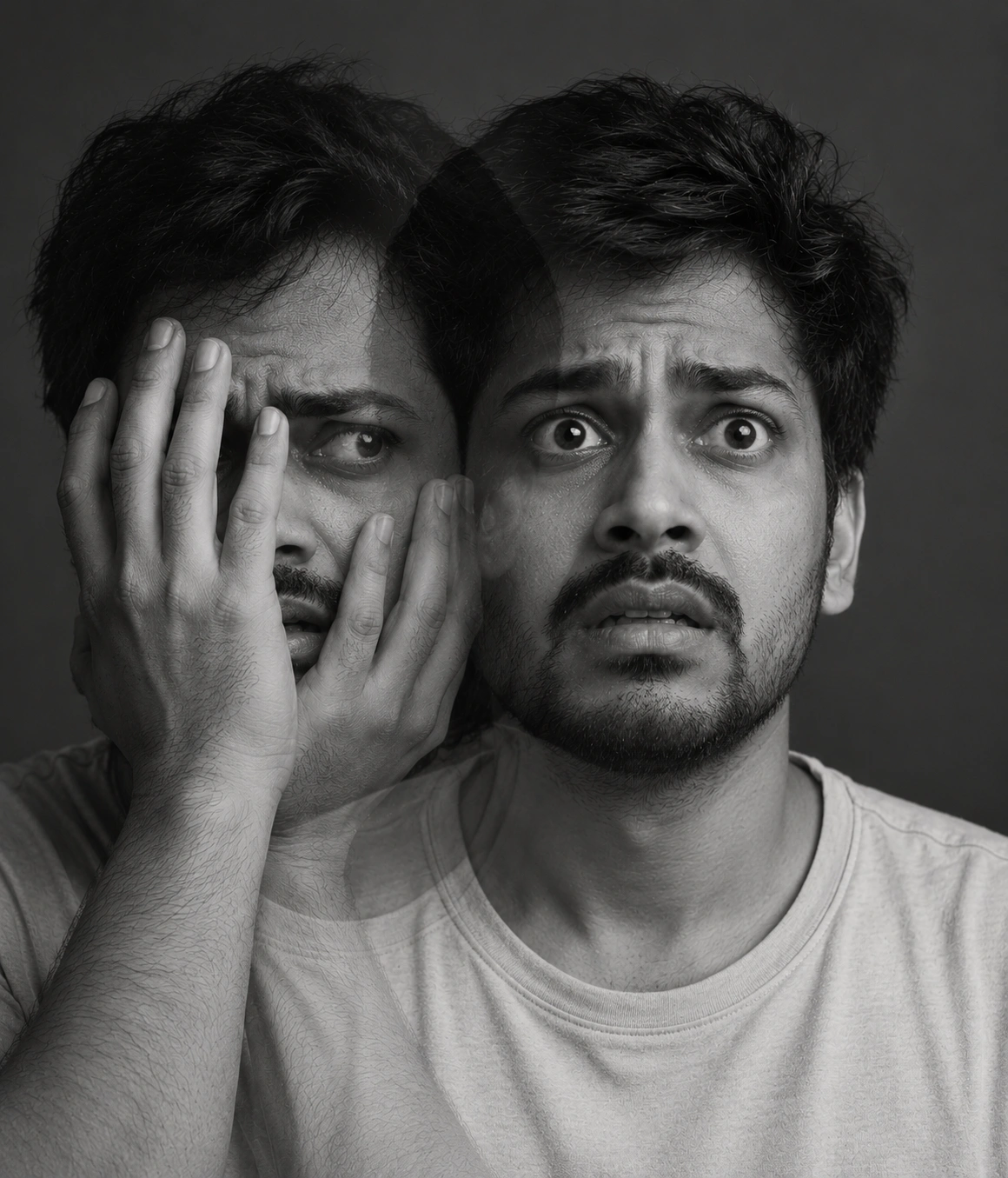
Chitta Nasha (Heroin) Addict Signs: How to Know
चिट्टा नशा करने वाले की पहचान कैसे करें — ईशान चैरिटेबल ट्रस्ट, कांगड़ा
Chitta & Heroin Addiction
This page sets out the chitta nasha addict signs families actually notice. Chitta is street heroin, also called smack, and these are the physical changes, the behaviour, the paraphernalia found around the house, and the point at which it becomes a medical emergency.
Most families in Himachal and Punjab suspect something for months before they are sure. Money goes missing, the person sleeps all day, old friends disappear. By the time it is obvious, physical dependence is usually already established.
Knowing what to look for early is the single biggest advantage you have. Nothing on this page is a diagnosis, but it will tell you whether it is time to call someone.
Chitta Addict Signs at a Glance
- Pinpoint pupils that stay small even in a dim room, and the drowsy, nodding state typical of heroin use.
- Running nose, yawning, watering eyes and goosebumps between doses, which is early withdrawal, not a cold.
- Money or gold missing from the house, borrowing from relatives, selling a phone or a bike.
- Burnt foil, rolled notes, lighters, torn polythene corners or syringes, the usual chitta and smack kit.
- Rapid weight loss, grey skin and withdrawal from family into a locked room.
- If breathing is slow or he cannot be woken, that is an overdose. Call for help immediately.

What Chitta and Heroin Do to the Body and Mind
Chitta is a white or brownish powder sold across Himachal and Punjab as heroin, almost always adulterated. Elsewhere in north India the same heroin is called smack. It is usually smoked on foil, sometimes injected.
As an opioid it binds to receptors controlling pain, reward and breathing. The first effect is a warm, detached calm. Within weeks the brain reduces its own comfort chemistry, tolerance climbs, and the person needs chitta simply to feel ordinary.
That shift is what produces almost every sign of heroin addiction on this page. You are not looking for a person chasing a high; you are looking for a person organising their entire day around not being in withdrawal.
Early Signs Families Usually Notice First
In the first months the signs of chitta or heroin use are easy to explain away as stress, late nights or bad company:
- Money disappearing from the house in small amounts, then larger ones
- New friends who are never brought home or named
- Long unexplained absences, especially in the evening
- Sleeping through the day and awake all night
- Sudden irritability or aggression when questioned
- Losing interest in work, studies, cricket, friends, everything that used to matter
- Needing the bathroom or a locked room immediately after coming home

Physical vs Behavioural Chitta Addict Signs
| Physical Signs | Behavioural and Household Signs |
|---|---|
| Pinpoint pupils that do not widen in a dim room | Money, gold or household items going missing |
| Drowsy, nodding state; falling asleep mid-conversation | Borrowing from relatives and neighbours with vague reasons |
| Running nose, watering eyes, constant yawning between doses | Burnt foil, rolled notes, lighters or torn polythene found in his things |
| Rapid weight loss and a grey, sallow complexion | Locking the room, long periods alone, secretive phone use |
| Constant scratching, poor dental condition, constipation | Lying about where he has been, becoming aggressive when asked |
| Track marks, bruising or abscesses on arms, hands or feet | Dropping out of work or college, and lying about still attending |
| Cramps, body ache, diarrhoea and sweating if a dose is missed | Promising repeatedly to stop, then relapsing within days |
Physical Signs of Chitta Use in More Detail
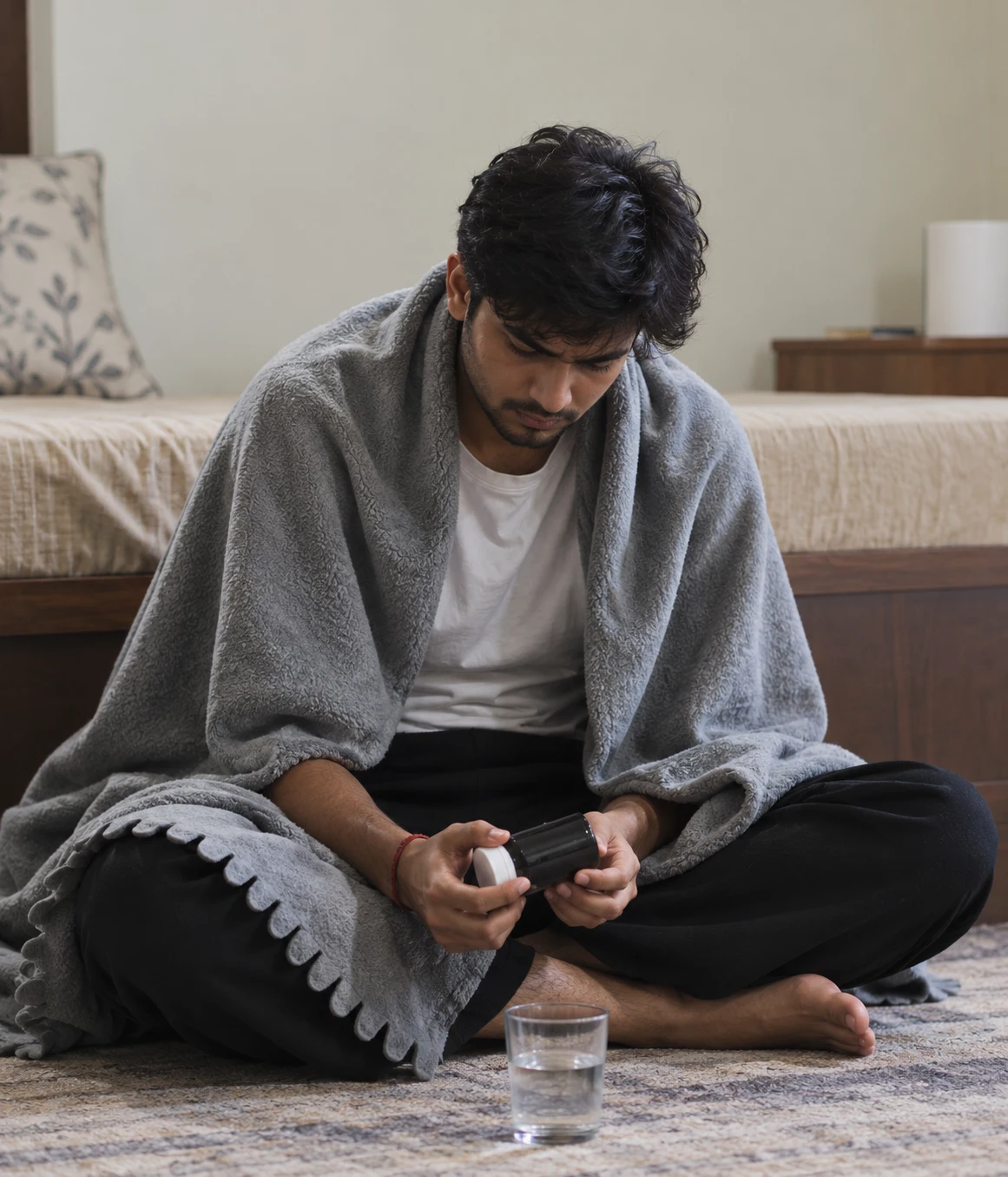
Opioids leave a recognisable physical pattern. On their own none of these proves chitta use, but together they are a strong signal that something medical is happening.

Behavioural and Emotional Signs
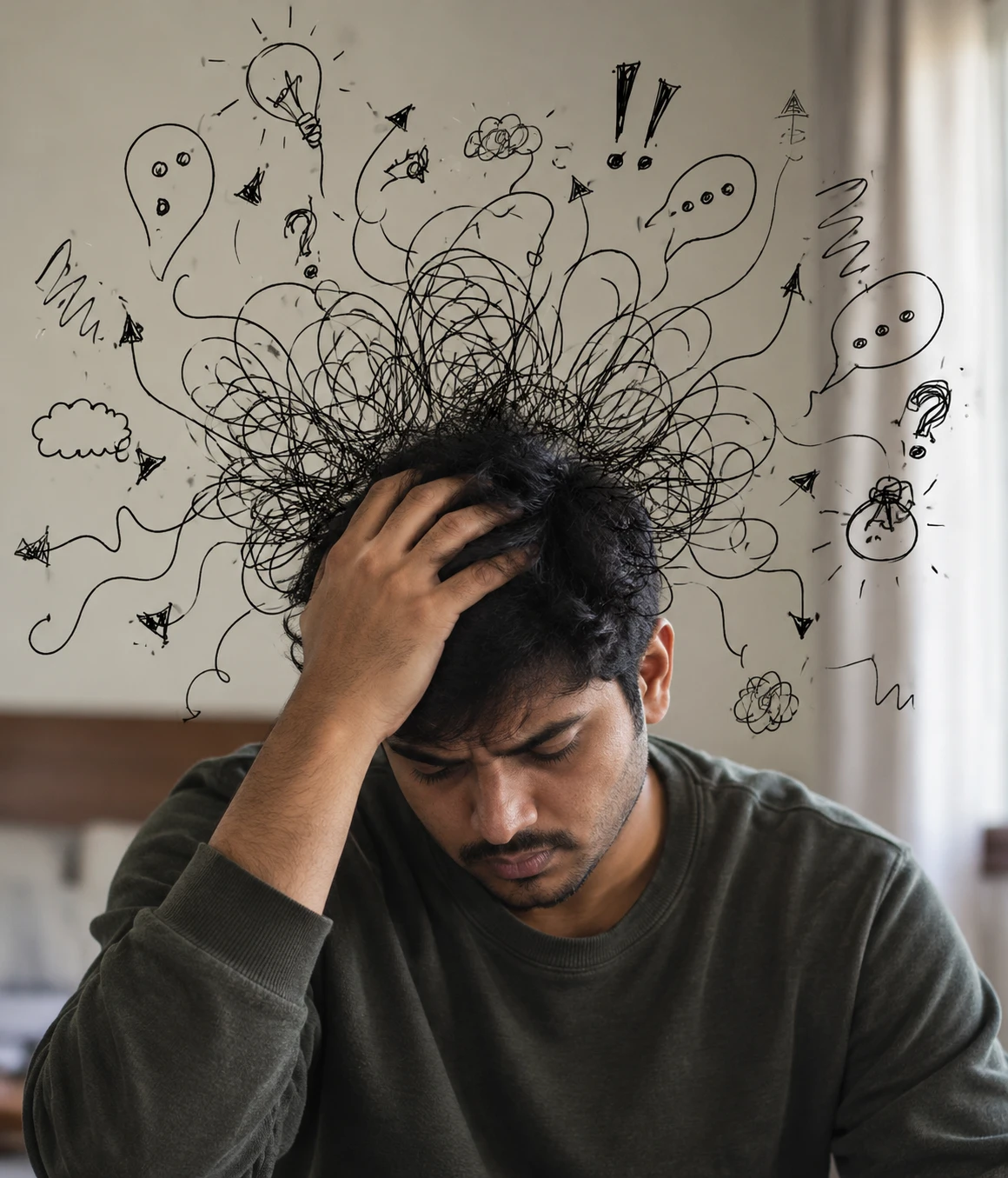
Behaviour usually changes before the body does. These are the patterns families describe to us most often when they finally call.
Speak to a CounsellorMoney, lying and things going missing
Chitta is a daily expense that climbs. Almost every family we speak to describes the same sequence:
- Small amounts missing from purses and drawers, blamed on someone else
- Gold, a phone, a watch or a bike sold with an unconvincing explanation
- Borrowing from relatives, shopkeepers and neighbours across different areas so no one compares notes
- Elaborate, shifting stories that do not survive a simple question
Withdrawal from family and social life
The circle narrows to people who use or supply. He stops attending weddings and family events, avoids relatives who might notice, and spends hours locked in a room or away from the house.
Old friends stop coming. New ones are never introduced by name.
Mood, aggression and denial
Mood tracks the dose. Calm and distant just after using, irritable and tense as it wears off, openly aggressive if questioned at the wrong moment.
Denial is genuine rather than simply dishonest: opioid dependence distorts a person’s own account of their use. Arguing rarely helps. A clinical assessment does.
Early withdrawal mistaken for illness
Families very often treat early withdrawal as flu. Between doses you may see:
- Running nose, watering eyes and repeated yawning
- Goosebumps, shivering and sweating at once
- Cramps, body ache, restless legs and diarrhoea
- Agitation that settles suspiciously quickly after he steps out

What Families Find Around the House
Physical evidence is usually what finally ends the doubt. Chitta and smack smoked on foil leave a very characteristic heroin trail:
- Aluminium foil with brown or black burn streaks, often folded small
- A rolled note, hollow pen or thin tube used to inhale the smoke
- Cheap lighters in unusual numbers, and blackened spoons
- Tiny torn corners of polythene, sometimes knotted
- Syringes, cotton, or a belt used as a tourniquet where injecting has started
- Burn marks on bedding, clothing or the bathroom floor
Chitta Addict Signs in a Son, Husband or Brother
It is far easier to see the pattern in someone else than in yourself. These are the signs families describe most often, split by who they are worried about.
Signs in a son or young adult
Parents usually notice the change in rhythm before anything else:
- Attendance at college or work collapsing while he insists he is still going
- Sleeping all day, awake and restless all night
- A phone guarded constantly, calls taken outside
- Fees or allowance money spent with nothing to show
- New friends, none of whom are ever introduced
Signs in a husband or brother
Household finances are usually the first casualty:
- Salary not reaching home, or loans appearing from nowhere
- Shopkeepers and relatives quietly asking about money owed
- Disappearing for hours with no account of where he has been
- Anger and threats when the subject is raised
- Promises made and broken within days, repeatedly
When he is also using something else
Across Himachal, chitta and heroin are frequently used alongside alcohol, charas, ganja or medical tablets, which raises the medical risk considerably and changes the treatment plan.
Mixing opioids with alcohol or sleeping tablets is particularly dangerous, because both slow breathing. If you suspect this, say so when you call, and read about alcohol addiction treatment as well.
When Is It a Medical Emergency?
Some signs are not a reason to make an appointment; they are a reason to get to a hospital now. Treat it as an overdose if he is unconscious or cannot be woken, if breathing is slow, shallow or gurgling, if lips or fingertips turn blue or grey, or if his body is limp and the skin is cold and clammy.
Overdose risk is highest just after a period clean, because tolerance drops within days while the usual dose does not. Many deaths in Himachal happen in exactly that window, after a short stay somewhere or a few days in custody.
What to Do If the Signs Fit
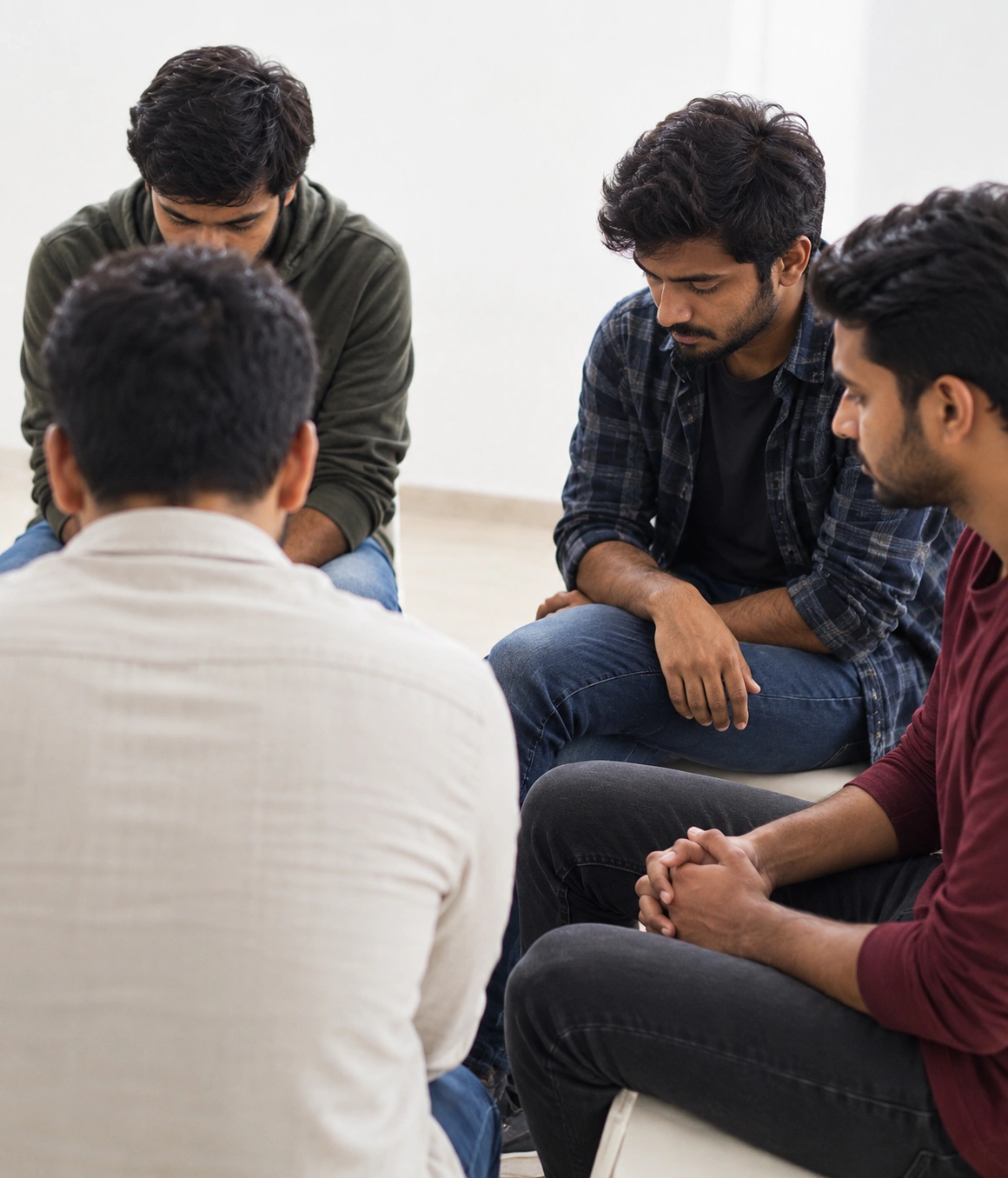
If several signs on this page describe someone in your house, the useful next step is an assessment, not a confrontation.
- Choose a calm moment, never while he is intoxicated or in withdrawal
- Describe specific things you have seen rather than using the word nashedi
- Expect denial and do not argue it out; say what you have decided instead
- Secure money, gold and documents without announcing it
- Call a de-addiction centre yourself, before he agrees, and ask what is possible
- Do not let him stop abruptly at home while you decide

Help Across Himachal Pradesh and Nearby States
If these signs fit, help is close. Find the nearest nasha mukti kendra near me page:
Frequently Asked Questions About Chitta Addict Signs
What are the first signs of chitta nasha addiction?
The earliest chitta nasha addict signs, and the earliest heroin addiction signs generally, are usually behavioural rather than physical: money going missing, new friends who are never introduced, long unexplained absences, sudden irritability, and sleeping at odd hours. Pinpoint pupils and a drowsy, nodding state after going out are often the first clear physical confirmation.
Chitta ka nasha karne wale ki pehchaan kaise kare?
चिट्टा लेने वाले की पहचान आमतौर पर इन बातों से होती है: आँखों की पुतलियाँ बहुत छोटी हो जाना, बैठे-बैठे झपकी लेना, नाक बहना और बार-बार जम्हाई आना, वज़न तेज़ी से घटना, घर से पैसे या सामान गायब होना, अकेले कमरे में बंद रहना, और अचानक गुस्सा या झूठ बोलना। फ़ॉइल, लाइटर, मुड़े हुए नोट या सिरिंज मिलना सबसे पक्का संकेत है।
What does chitta paraphernalia look like?
Burnt aluminium foil with brown or black streaks is the classic sign of smoked chitta or smack. Alongside it, a rolled note or hollow pen used as a tube, cheap lighters in unusual numbers, small torn polythene corners, and in injecting use, syringes, cotton, spoons and tourniquets. Families often find these in a bag, behind a water tank, in the fields or in a vehicle.
Can someone use chitta and still go to work or college?
Yes, at first. Early on many users keep attending work or college while using daily, which is why families miss it for months. As tolerance rises the day reorganises itself around arranging and using, and attendance is usually the first thing to collapse.
What are the physical signs of chitta use on the body?
Rapid weight loss, a grey or sallow complexion, constant constipation, poor dental condition, scratching from itching, and in injecting use, track marks, bruising, abscesses or swollen hands and feet. Pinpoint pupils that do not widen in a dim room are the most specific single sign.
How is chitta addiction different from ganja or alcohol?
Chitta is heroin, and heroin is an opioid, so dependence forms faster, withdrawal is far more physically severe, and overdose can stop breathing. A person can drink heavily for years before the body is fully dependent; with chitta that can happen within weeks. It also carries infection and overdose risks that cannabis does not.
Is there a nasha mukti kendra near me if I recognise these signs?
Eshan Charitable Trust runs a government registered nasha mukti kendra near me service at Tanda Kholi, Kangra, serving all of Himachal Pradesh plus Punjab, Jammu and Uttarakhand. Call +91 62304 15581 for a free, confidential assessment. You do not need proof before you call.
He denies everything. What do I do?
Denial is a feature of opioid addiction, not simply lying, and arguing a person out of it almost never works. Stop trying to win the argument and get a clinical assessment instead. Our counsellors speak to families every day about how to open that conversation without it ending in a fight.
Related reading: chitta kaise chhode, chitta nasha withdrawal symptoms, and our full FAQ page.
Not Sure Yet? Describe What You Have Seen. We Will Tell You.
Open 24x7. Admissions any day of the week. Every conversation is confidential.
Eshan Charitable Trust
Nasha Mukti Kendra, De-Addiction & Rehabilitation Centre
Near FCI Godown, Village Tanda Kholi, Ward No. 7, PO Kholi,
Tehsil & District Kangra, Himachal Pradesh 176001
Medical disclaimer: This page is written for general information and is reviewed by a qualified psychiatrist. It is not a substitute for individual medical advice and does not provide medication names or dosages. This page helps you recognise signs; it does not diagnose anyone. If someone is unconscious, breathing slowly or cannot be woken after taking chitta or any opioid, treat it as an overdose emergency and get them to a hospital immediately.