
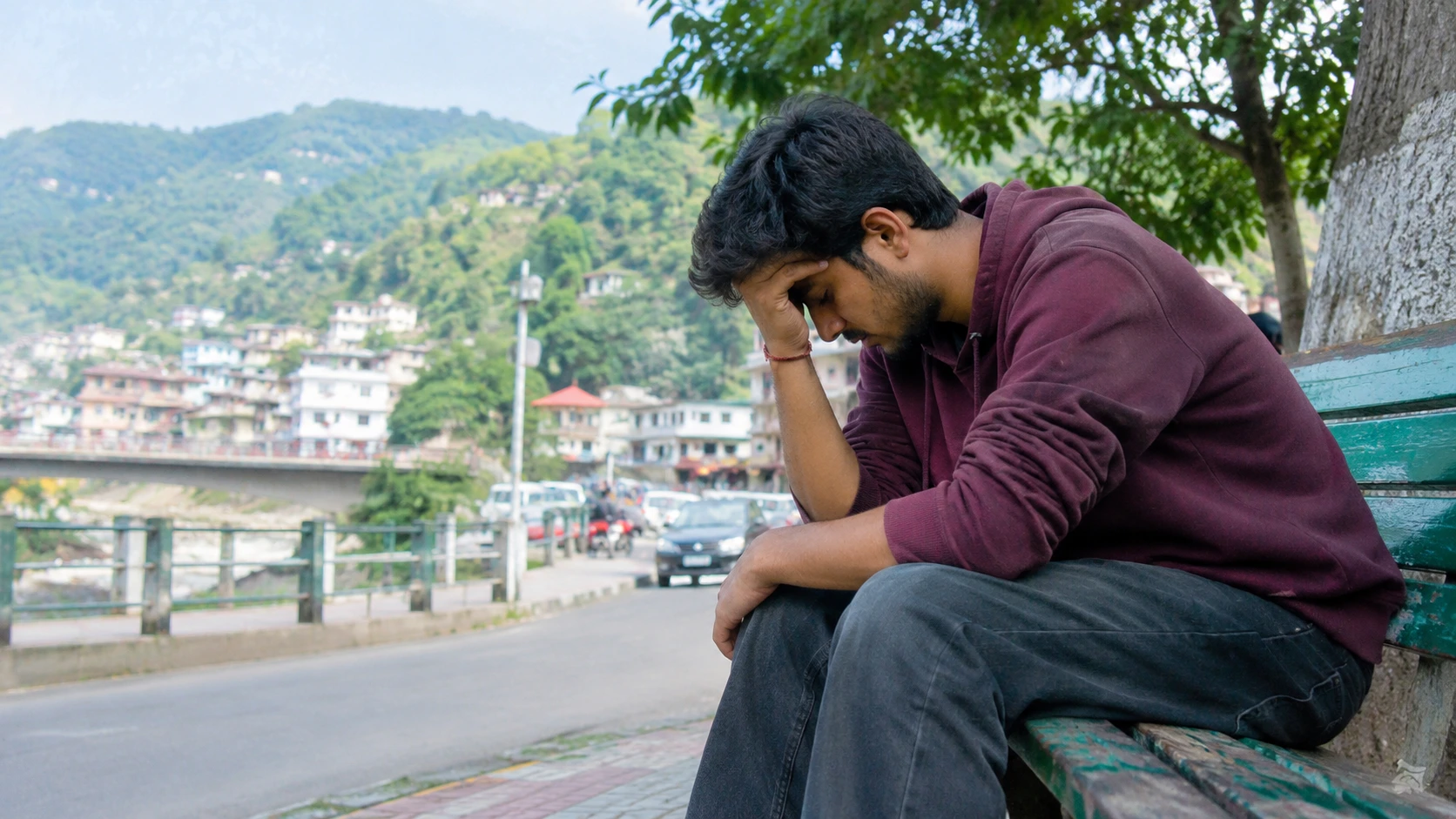
Understanding Chitta Addiction Among Youth in Mandi starts with facing a painful truth: the quiet towns of Sundernagar, Nerchowk, Balh, Sarkaghat, Padhar, and Jogindernagar are no longer untouched by synthetic heroin. Across Mandi district, parents are finding burnt silver foil in bedrooms, watching savings disappear from bank accounts, and wondering how a bright college student or hardworking young man became a stranger in his own home. If you need immediate guidance tonight, you can call or WhatsApp our 24x7 helpline at +91 62304 15581.
If your family is going through this right now, please take a slow breath. You are not alone, and this is not a moral failure of your upbringing. Chitta is a highly addictive opioid that rewires the brain's survival system within weeks. Willpower, scolding, or locking a boy inside a room in Mandi town will not switch off the physical agony of withdrawal.
This guide was written by the clinical and counselling team at Eshan Charitable Trust, a government-registered rehab centre serving Mandi families located along the direct NH-154 corridor in Kangra, and medically reviewed by a psychiatrist. Whether you suspect ghar mein koi chitta le raha hai or you are trying to prevent a relapse after a hospital visit, this page gives you verified facts, local Mandi hospital details, and a clear step-by-step plan.
- Mandi is Himachal's #1 hotspot for NDPS cases: Police recorded 297 NDPS cases and 475 arrests in Mandi district in a single year, meaning local peddling networks are active right outside colleges, coaching hubs, and bus stands.
- Never mix scolding with acute withdrawal: Once a young man is physically dependent on chitta (चिट्टा), stopping suddenly causes severe bone pain, vomiting, and panic. He needs medically supervised detox, not a beating.
- Stop handing over cash or vehicles: Cut off cash, UPI access, and bike or car keys immediately so he cannot travel along NH-21 or NH-154 to score or become a courier under NDPS Section 21 and Section 29.
- Distance from local Mandi dealers saves lives: Detoxing for 5 days and returning to the same friend circle in Sundernagar or Nerchowk leads to immediate relapse. A 180-day residential programme away from local triggers gives the brain time to heal.
- In an overdose, call 108 first: If he cannot be woken, has tiny pinpoint pupils, or has slow, gurgling breathing, call 108 and rush him to SLBSGMC Nerchowk or Zonal Hospital Mandi for Naloxone.
Understanding Chitta Addiction Among Youth in Mandi: Why Is the District So Vulnerable?
To truly grasp Understanding Chitta Addiction Among Youth in Mandi, families need to look at geography, youth demographics, and how drug supply chains operate in central Himachal Pradesh.
1. The Highway Transit Crossroads (NH-21 & NH-154)
Mandi sits at the exact junction connecting Bilaspur, Kiratpur, and Punjab to Kullu-Manali on one side, and Jogindernagar, Palampur, and Pathankot on the other. Smugglers moving synthetic heroin from border districts use the Chandigarh-Manali four-lane highway and the Mandi-Pathankot highway, dropping small retail packets in towns along the way.
2. Coaching Hubs, Hostels & PG Rooms
Sundernagar, Nerchowk, and Mandi town host thousands of students in engineering, polytechnic, ITI, medical, and coaching institutes living in rented rooms without parental supervision. Peddlers target first-year students with free initial doses during exam stress or hostel parties.
3. From User to Small-Time Peddler
A daily chitta habit quickly costs ₹1,500 to ₹4,000 a day. When a young man from Balh, Sarkaghat, or Karsog runs out of pocket money and can no longer steal from home, dealers offer him a trap: buy 10 grams from Punjab or a highway supplier, sell 7 grams to five college friends, and keep 3 grams for his own daily dose.
4. The Shift from Traditional Charas to Synthetic Heroin
While cannabis (चरस, भांग) was historically known in the hills, recent research on drug abuse in Himachal Pradesh highlights a rapid shift toward synthetic opioids like chitta because tiny plastic pouches are odourless, easy to hide in a pocket, and create physical dependence within days.
Chitta in Mandi District: What Official Police Data and 2025-2026 News Reports Show
Many parents in Mandi feel ashamed and believe their family is the only one facing this crisis. Official law enforcement data and recent news reports from Mandi prove that this is a district-wide public health emergency.
NDPS Act cases registered in Mandi district with 475 people arrested, the highest district tally reported in Himachal. Source: The Tribune
young people who lost their lives to drug overdose across Himachal between 2023 and 2025, according to state assembly records. Source: ETV Bharat
NDPS cases registered statewide in Himachal from January to November 2025, a 28% jump over the previous year. Source: Outlook India
of youth up to age 30 admitted in surveyed Himachal de-addiction centres were addicted specifically to chitta. Source: ETV Bharat
Dated Timeline: Recent Chitta Incidents Across Mandi, Sundernagar & Jogindernagar
- February 2025 (Mandi Belt)In a disturbing case highlighting the desperation of addiction, local media reported from a belt in Mandi district that young men desperate to fund their daily chitta dose had tricked their own parents into consuming chitta disguised as medicine so the parents would fund the daily supply.
- November 2025 (Sundernagar, Mandi)A newly married young machinery operator in the Sundernagar police station area died of a tragic chitta overdose after consuming alcohol and sharing a chitta injection with a friend, who failed to call family members or an ambulance in time.
- December 2025 (Mandi District Review)Mandi police and the district administration shared official figures showing 297 NDPS cases and 475 arrests in Mandi district, while launching awareness campaigns across educational institutions and panchayats.
- March 2026 (Sundernagar, Mandi)Police arrested a newlywed couple at a hotel in Sundernagar just three days after their wedding for allegedly trafficking heroin under the NDPS Act, showing how deeply peddling networks have penetrated ordinary households.
- September 2026 (Jogindernagar, Mandi)Jogindernagar police arrested four individuals and seized 11.48 grams of chitta under Sections 21 and 29 of the NDPS Act along the highway belt.
Note that in line with ethical medical reporting, we never name any arrested person, victim, or family. What matters for parents in Mandi is the pattern: small quantities of chitta are circulating inside local neighbourhoods, and mixing alcohol with injected chitta is claiming young lives that could have been saved with timely medical intervention.
What Chitta Actually Is and How It Traps a Young Brain
An essential part of Understanding Chitta Addiction Among Youth in Mandi is knowing what is inside the packet. "Chitta" (meaning white) is street heroin derived from morphine, mixed with unknown chemical cutting agents, crushed sedatives, and synthetic adulterants.
Most boys in Mandi start by "chasing the dragon": heating the white or brownish powder on a strip of silver foil with a lighter and inhaling the fumes through a rolled paper tube or currency note. Within weeks, as tolerance builds, smoking no longer gives the same relief, and many switch to dissolving the powder in water and injecting it with insulin or disposable syringes.
According to MedlinePlus (US National Library of Medicine), opioids bind directly to opioid receptors in the brain that control pain, reward, and breathing. After repeated use, the brain stops producing its own natural feel-good chemicals. At that stage, your son is no longer taking chitta to enjoy a party. He is taking it every 8 to 12 hours simply to stop his bones from aching and his stomach from cramping. You can read more in our clinical guide on the psychology of addiction.
Chitta Ki Pehchan: Warning Signs That Someone at Home in Mandi Is Using Chitta
Young men rarely admit to using chitta on the first ask. Instead of waiting for a confession, look for a cluster of physical, behavioural, and financial signs over two to three weeks:
Physical Signs on the Body
- Pinpoint pupils: The black centre of the eye stays tiny even in a dark room.
- Nodding off (झपकी आना): Falling asleep mid-conversation or while holding a cup of tea.
- Flu-like withdrawal every morning: Yawning non-stop, watery eyes, runny nose, sweating, and restless legs until he leaves the house.
- Track marks & long sleeves: Wearing full sleeves in warm weather to hide needle marks on forearms, wrists, or feet.
- Sudden weight loss: Loss of appetite, severe constipation, dark circles, and constant itching.
Behavioural & Academic Signs
- Locked bathrooms: Spending 30 to 45 minutes locked in the washroom or a parked car with the exhaust fan running.
- Sleep reversal: Awake and restless until 3 AM, then sleeping past noon.
- Dropping out of routine: Skipping college classes in Mandi or Sundernagar, quitting the gym or army physical prep, and avoiding family meals.
- Extreme mood swings: Angry, defensive outbursts when asked simple questions, followed by sudden calmness an hour later after using.
Financial Warning Signs
- Urgent UPI transfers: Frequent ₹500, ₹1,000, or ₹2,000 Google Pay or PhonePe transfers to unknown numbers.
- Missing household items: Cash missing from wallets, gold rings or chains disappearing, or selling his laptop, phone, or bike parts.
- Fake emergencies: Borrowing money from cousins and friends claiming an accident, college fine, or medical bill.
Paraphernalia Found in Rooms
- Strips of aluminium foil (from medicine wrappers or kitchen foil) with black soot trails.
- Hollowed-out ballpoint pen tubes or tightly rolled currency notes.
- Multiple cheap lighters, blackened spoons, or tiny cotton balls.
- 1 ml insulin syringes or small zip-lock plastic pouches hidden in shoes, helmet linings, or cupboard tops.
Beyond Chitta: Sharab, Charas, Bhang and Goliyon Ka Nasha in Mandi
While chitta is the most urgent threat, our clinical team sees that most young men from Mandi district use multiple substances at the same time (polysubstance use). Treating only one while ignoring the others leads to rapid relapse.
Sharab (शराब) mixed with Chitta
As seen in the November 2025 Sundernagar tragedy, drinking alcohol and then injecting chitta is one of the deadliest combinations. Both alcohol and opioids depress the central nervous system, causing breathing to stop while the person is asleep. Also, stopping heavy daily drinking suddenly can trigger Delirium Tremens (DTs) and fatal seizures. Read our alcohol addiction recovery guide.
Charas and Bhang (चरस और भांग)
Because Mandi borders Kullu and the Parvati-Barot valleys, cannabis is widely accessible. Many youth start with charas in college thinking it is natural and harmless, but high-potency charas frequently triggers severe anxiety, paranoia, academic failure, and cannabis-induced psychosis, while acting as a gateway into the same peer group that experiments with chitta.
Goliyon Ka Nasha (गोलियों और सिरप का नशा): Tramadol, Alprazolam & Codeine
When a young man in Mandi cannot find chitta due to police nakas on NH-21, he often turns to chemist-shop substitutes: opioid painkillers like Tramadol, sleeping pills like Alprazolam, or Codeine cough syrups. According to the World Health Organization (WHO), combining opioids with benzodiazepine sleeping pills dramatically increases fatal overdose risk, and stopping high-dose sleeping pills without a doctor's taper can cause severe withdrawal seizures.
Chitta Withdrawal Symptoms: Why Boys in Mandi Cannot Quit "Cold Turkey" at Home
A crucial part of Understanding Chitta Addiction Among Youth in Mandi is understanding why a boy who cries and swears on his mother at night that he will quit goes back to his dealer the very next afternoon. The reason is acute opioid withdrawal (चिट्टे की तोड़).
| Time After Last Chitta Dose | What Happens Inside the Body & Mind | Why Home Detox Fails at This Stage |
|---|---|---|
| 6 to 12 Hours | Intense anxiety, yawning, runny nose, sweating, racing pulse, and obsessive craving for one dose. | He starts making frantic phone calls, demanding cash or the bike keys to go out. |
| 24 to 72 Hours (Peak Agony) | Severe muscle and bone pain ("breaking bones"), stomach cramps, continuous diarrhoea, vomiting, goosebumps, dilated pupils, and zero sleep. | Out of unbearable physical pain, he threatens self-harm, breaks doors, or convinces a family member to give him money just once. |
| Day 4 to Day 7 | Physical vomiting and cramps begin to subside, but extreme physical weakness, shivering, and insomnia continue. | Families mistakenly think "the nasha is out of his body" and let him step outside, where his tolerance is now dangerously low. |
| Week 2 to Month 6 (PAWS) | Post-Acute Withdrawal: sudden cravings triggered by stress or old friends, flat mood, irritability, and disturbed sleep. | Without 180-day structured counselling and relapse prevention, a single argument at home or call from a friend causes relapse. |
MedlinePlus warns that most fatal opioid overdoses occur right after a person has detoxed for a few days. Why? Because 5 to 7 days without chitta resets the body's tolerance back toward zero. If a boy is locked in a bedroom in Mandi for a week and then slips out and takes his old normal dose, that exact same amount can stop his breathing within minutes. Always choose medically supervised detox instead of a home lock-up.
Chitta Overdose in Mandi: Emergency First Aid & Where to Rush Tonight
According to the World Health Organization (WHO), an opioid overdose is identified by the classic "Opioid Overdose Triad":
Lips and fingernails may turn blue or purplish-grey, and the skin feels cold and clammy. If you see this in Mandi, Sundernagar, Nerchowk, or Jogindernagar, follow these 5 steps in the next 5 minutes:
- Call 108 or 112 ImmediatelyDial 108 for an emergency ambulance. Do not waste time trying to drive two hours to another district without oxygen. Rush him to the nearest 24x7 emergency casualty ward in Mandi district: Shri Lal Bahadur Shastri Government Medical College & Hospital (SLBSGMC) at Nerchowk, Zonal Hospital Mandi, or the nearest Civil Hospital (Sundernagar / Jogindernagar).
- Try a Sternal Rub to Wake HimShout his name and rub your knuckles hard up and down the centre of his breastbone (sternum). Never slap him, never put him under a cold shower, and never pour water or milk into his mouth.
- Place Him in the Recovery PositionIf he is breathing on his own, roll him onto his left side with his top knee bent so he does not choke if he vomits.
- Start Rescue Breathing / CPR if Breathing StopsIf he is not breathing or only gasping, tilt his head back, lift his chin, and start chest compressions (CPR) until the 108 paramedics arrive.
- Tell the Emergency Doctor Honesty About ChittaAs soon as you reach SLBSGMC Nerchowk or Zonal Hospital Mandi, tell the casualty doctor clearly: "We suspect a chitta (opioid) overdose." Doctors can immediately inject Naloxone, a life-saving antidote that reverses opioid respiratory arrest in minutes.
Once the doctors at Nerchowk Medical College or Zonal Hospital Mandi stabilise his breathing and vital signs over 24 to 72 hours, do not take him straight back to his bedroom where his dealer can reach him. Transfer him directly into long-term residential rehabilitation. Read our dedicated emergency guide: Mandi Chitta Overdose: When to Call 108 vs. When to Book a Rehab.
What Mandi Families Should Do Step by Step When They Discover Chitta Use
When you confirm that your son, brother, or husband is using chitta, the first seven days determine how fast he gets safe help:
- Unite the Whole Family FirstSit down privately with parents, spouse, and siblings. Agree that nobody will secretly give him ₹500 out of pity, and nobody will beat or humiliate him in front of relatives.
- Cut Off Cash, ATM Cards & Vehicle KeysKeep gold, cash, and debit cards in a bank locker. Pay his hostel rent, college fees, or food bills directly. Take back the keys to the bike or car so he cannot become a highway carrier.
- Never Buy Chitta to Stop His PainIn Himachal, parents have been arrested under the NDPS Act after buying small packets of chitta to stop a son's withdrawal cramps. Withdrawal pain is a medical issue; let a doctor treat it with safe medicines.
- Speak to Him in the Morning When He Is SoberTalk to him calmly in the morning before he goes out to score, using factual "I" statements: "We found burnt foil in your room and we are scared for your life. We have spoken to a doctor and we are standing with you to get treatment."
- Know Your Legal Protection Under NDPS Section 64AUnder Section 64A of the NDPS Act, an addict facing an allegation of consumption (Section 27) or small quantity who voluntarily seeks de-addiction treatment at a government-recognised or registered institution can receive legal immunity from prosecution upon completing treatment.
- Choose Geographic Separation From Mandi DealersAdmitting a young man into a clinic five minutes away from his old hangouts in Mandi town, Paddal, or Sundernagar makes it easy for using friends to pass contraband or convince him to walk out. Moving him along NH-154 to a peaceful, registered residential centre in Kangra gives him a clean break from local triggers while keeping him close enough for weekend family visits.
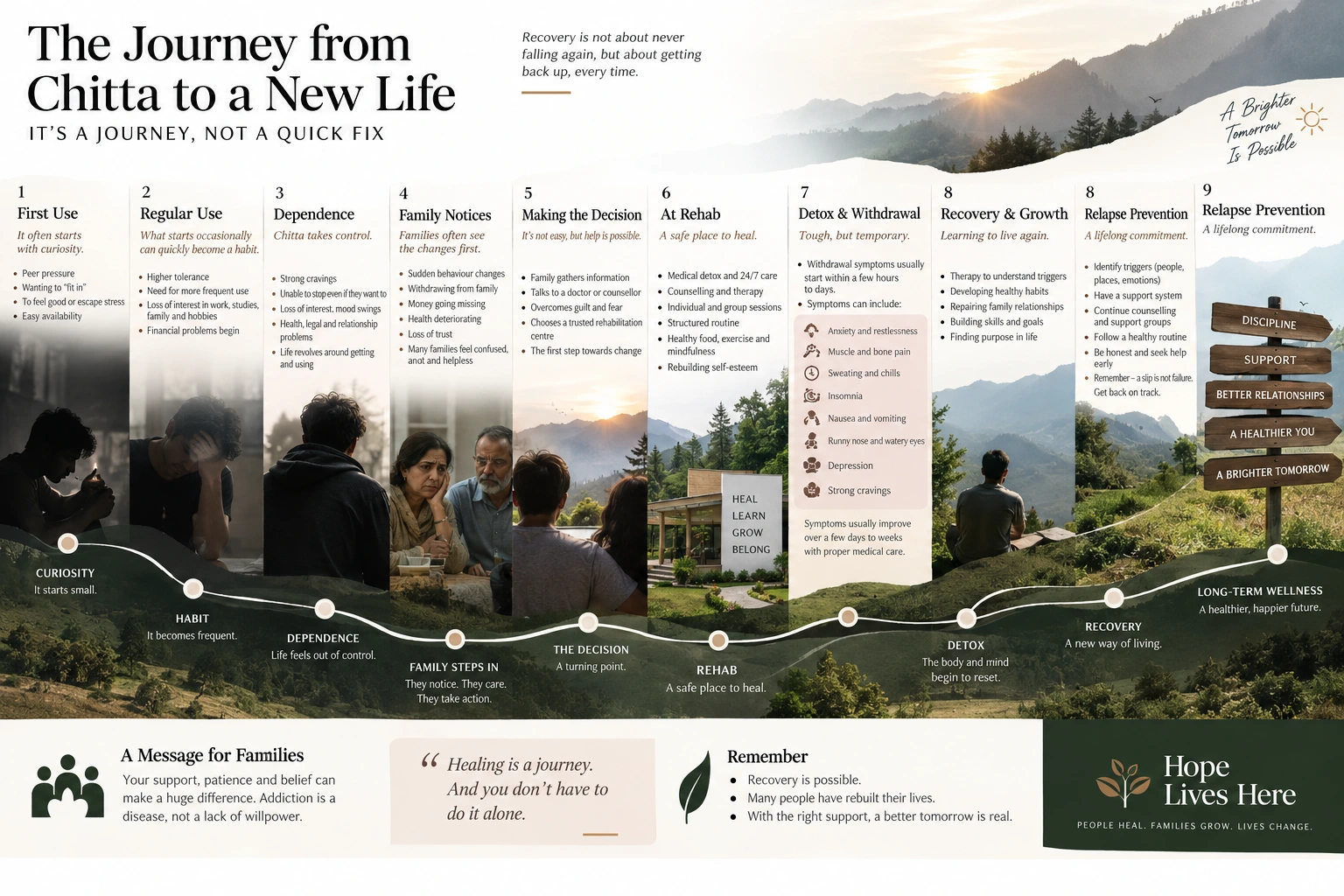
How Chitta Addiction Is Treated: Why a 180-Day Programme Works Better Than a 15-Day Stay
Many families ask if a 7-day hospital stay or a 15-day detox is enough. Medically, detox only clears the chemical from the bloodstream; it does not repair the brain pathways that trigger intense cravings whenever he sees an old friend, feels stressed, or holds cash in his hand.
At Eshan Charitable Trust, our 180-day residential de-addiction treatment programme is structured into eight clinical stages:
- Clinical Assessment & Medical HistoryOn day one, our medical and counselling team documents every substance used (chitta, alcohol, pills, injecting history), physical health, liver/infection status, and family background.
- Medically Supervised DetoxificationUnder the oversight of registered doctors and nursing staff, withdrawal symptoms like bone pain, insomnia, nausea, and anxiety are safely managed with prescribed medications, hydration, and rest.
- Psychiatric & Dual Diagnosis CareMany young men in Mandi struggle with underlying clinical depression, exam/career anxiety, or trauma. Our psychiatrist reviews and treats both the addiction and the mental health condition together.
- One-to-One CBT & Psychological CounsellingOur psychologist and MSW counsellors work individually with him to identify why he started using, how to handle peer pressure, and how to rebuild self-respect.
- 12-Step Programme & Peer Group TherapyDaily structured group sessions where young men learn honesty, accountability, and relapse-prevention skills from peers and mentors who have walked the same road.
- Daily Yoga, Meditation & Physical FitnessChitta destroys sleep cycles and physical stamina. Daily morning yoga, pranayama, and physical exercise naturally restore the brain's dopamine balance. Read more in our guide on yoga for stress and anxiety.
- Family Counselling & Rebuilding TrustAddiction hurts parents and wives deeply. We conduct dedicated family sessions so the household knows how to set healthy boundaries without turning the home into a police station.
- Vocational Training & 90-Day Relapse Prevention PlanBefore discharge, we build a written plan for his career, studies, trigger management (HALT: Hungry, Angry, Lonely, Tired), and regular follow-up check-ins. See what happens in a rehab centre for a full daily schedule.
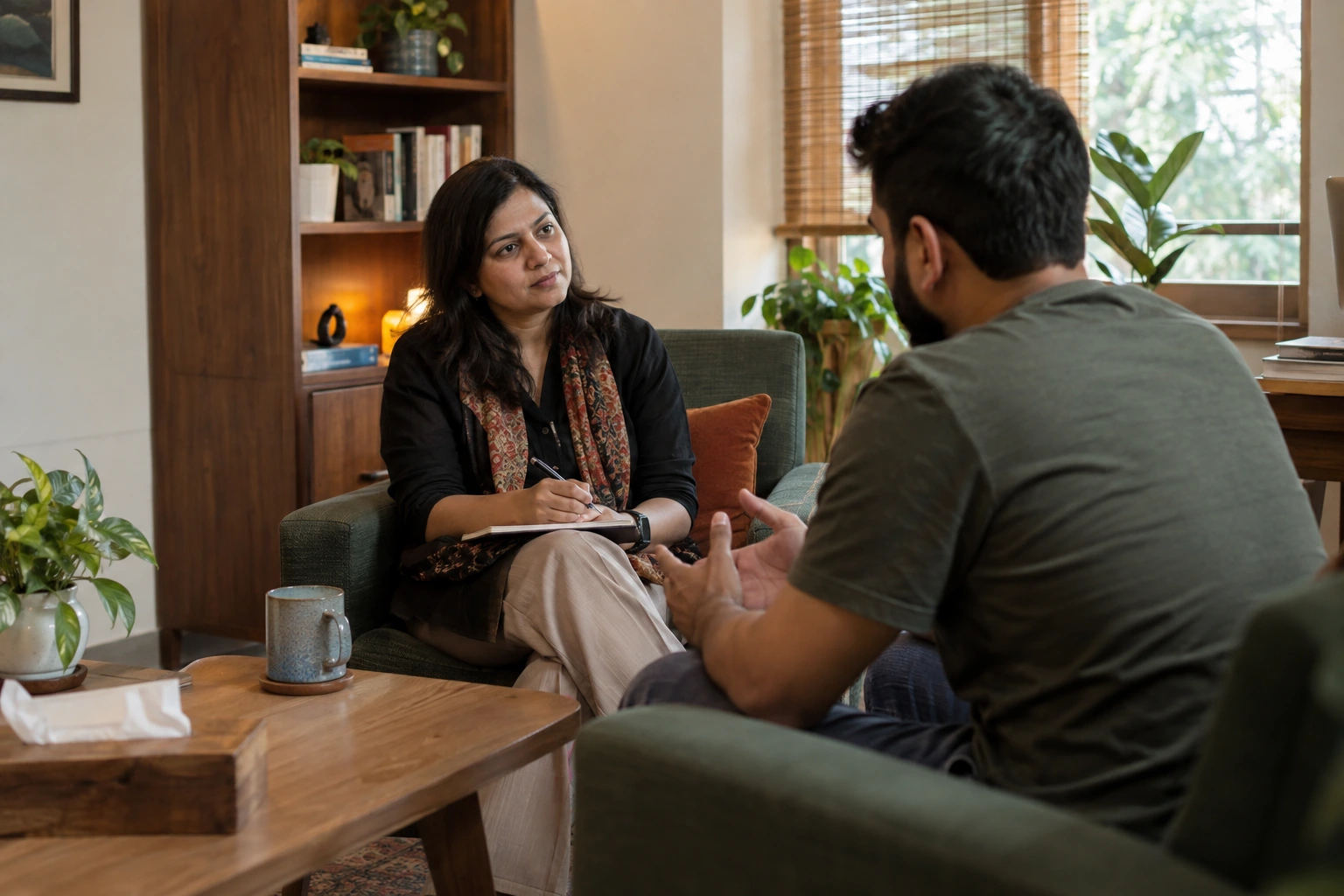
How Mandi Families Can Choose a Safe, Government-Registered Rehab Centre
When searching for the best rehabilitation centre in Himachal Pradesh, parents must be careful. Across Himachal, the State Mental Health Authority (HPSMHA) has had to shut down unlicensed centres following inmate deaths and take action against facilities using threats and physical force in the name of "TC programs".
Under the Mental Healthcare Act, 2017, every de-addiction and rehabilitation centre must be registered with the State Mental Health Authority, and Section 20 strictly prohibits any physical beating, chaining, or degrading treatment. Understand the difference between a rehab centre and a nasha mukti kendra and check these 8 points before admitting your son anywhere:
- Verify HPSMHA Registration: Ask to see the official HP State Mental Health Authority certificate and registration number.
- Qualified Psychiatrist & MBBS Doctor: Ensure real doctors with HPMC registration numbers review patients, not just former addicts running the building.
- Zero Tolerance for Beating or "TC Punishment": Make sure the centre has a strict no-violence policy and does not allow senior inmates to punish newcomers.
- Proper Medical Detox: Withdrawal must be treated with doctor-prescribed medicines, never by locking a boy in an empty room.
- Transparent Written Fees: Check our rehab centre fees in Himachal Pradesh guide so you know exactly what is included each month.
- Openness to Family Visits: Parents should be welcomed to inspect the rooms, kitchen, and hygiene before admission.
- No Illegal "Pickup Services": Avoid any centre that offers to kidnap or tie up your son at night.
- No Fake "100% Cure in 15 Days" Guarantees: Honest medical centres never make unscientific promises.
Government De-Addiction Help, Hospitals & Helplines for Mandi District
Whether you need an emergency ambulance in Sundernagar, free psychiatric OPD care at Nerchowk, or a toll-free number to report a local chitta supplier in Mandi, save these official contacts today:
| Service / Hospital / Helpline | Contact Number & How It Helps Mandi Families |
|---|---|
| SLBS Government Medical College & Hospital, Nerchowk (Mandi) | 24x7 emergency casualty for overdose resuscitation (Naloxone, ICU backup) and Department of Psychiatry OPD & short acute de-addiction care on NH-21. |
| Zonal Hospital Mandi & Civil Hospitals (Sundernagar / Jogindernagar) | 24-hour emergency casualty, initial medical assessment, Disha/psychiatric OPD consultation, and referral support. |
| Dr. Rajendra Prasad Govt. Medical College (RPGMC), Tanda (Kangra) | State nodal Centre of Excellence for Mental Health and de-addiction treatment along the NH-154 corridor. |
| National De-Addiction Helpline (Toll-Free) | 14446 (24x7 confidential counselling and referral under Nasha Mukt Bharat Abhiyaan). |
| Tele MANAS (Govt. of India Mental Health Helpline) | 14416 or 1-800-891-4416 (Free 24x7 mental health and addiction counselling in Hindi and English from MoHFW). |
| Emergency Ambulance & Police Response | 108 (Medical Ambulance for overdose/seizures) and 112 (24x7 Emergency Police & Family Assistance). |
| Report Chitta Peddlers Anonymously (NCB & HP Police) | 1933 (MANAS National Narcotics Helpline, promoted by Mandi Police) & the Drug Free Himachal App. |
| Red Cross De-Addiction Centres & Women's Govt. Rehab | Red Cross centres at Dharamshala (01892-224408), Nurpur (01893-221200), and Bhuntar (Kullu). For women: Nav Jeevan Women's De-Addiction Centre at Mashobra, Shimla. |
For a complete overview of state-run facilities across the state, read our guides on government nasha mukti kendras in Himachal Pradesh, government de-addiction centres in Shimla, and government nasha mukti kendras in Manali.
Rehab Near Mandi: Why Families From Mandi, Sundernagar & Jogindernagar Choose Our Centre Along NH-154
When parents search for a rehab centre in Mandi or nasha mukti kendra near me, they face a tough dilemma: keeping a young man inside Mandi town or Nerchowk leaves him dangerously close to his local peddlers, while sending him far away to another state makes it hard for parents to visit or verify his safety.
Eshan Charitable Trust solves both problems. Located at Village Tanda Kholi (near the FCI Godown and Dr. RPGMC Tanda Medical College) in Kangra district, our centre is a direct, straightforward drive from Mandi, Padhar, Jogindernagar, and Baijnath via National Highway 154 (Mandi-Pathankot Highway). It provides complete geographic separation from Mandi's local drug networks while allowing parents from Mandi, Sundernagar, Sarkaghat, and Kullu to easily visit and attend family counselling sessions.
Serving families across Mandi Town, Sundernagar, Nerchowk (Balh), Jogindernagar, Padhar, Sarkaghat, Dharampur, Karsog, and Gohar.
6 Common Myths About Chitta Addiction That Keep Mandi Families Stuck
Myth 1: "My son studies in a good college in Sundernagar and comes from a respected family; he cannot be on chitta."
Truth: Peddlers specifically target boys from middle-class and well-off families in Mandi because they have access to pocket money, UPI apps, and vehicles.
Myth 2: "He only smokes chitta on foil; he doesn't use syringes, so it isn't serious yet."
Truth: Chasing chitta on foil causes full physical opioid dependence and can still cause a fatal overdose. Almost every injecting user started on foil.
Myth 3: "If we get him married or open a shop for him in Mandi, he will become responsible and quit."
Truth: Marriage never cures chitta addiction. As recent tragic news from Sundernagar showed, untreated addiction destroys marriages and puts another family's daughter through trauma. Treat the illness first.
Myth 4: "Giving him secret de-addiction powder in his dal or tea at home will cure him quietly."
Truth: "Bina bataye nasha chudane ki dawa" powders sold online or by quacks are unscientific and can cause severe liver failure, dangerously low blood pressure, or death when mixed with alcohol or opioids.
Myth 5: "Going to a doctor or registered rehab will put his name in police records."
Truth: Seeking voluntary medical treatment is 100% confidential under Section 23 of the Mental Healthcare Act, 2017. No police report is made when a family admits their son for recovery.
Myth 6: "Private rehab centres cost ₹50,000 a month or beat patients behind closed doors."
Truth: While unlicensed centres exploit families, Eshan Charitable Trust is an HPSMHA-registered charitable trust with a strict zero-violence policy and transparent monthly plans starting at ₹12,500.
About Eshan Charitable Trust: Affordable, Medically Supervised Recovery for Himachal Families
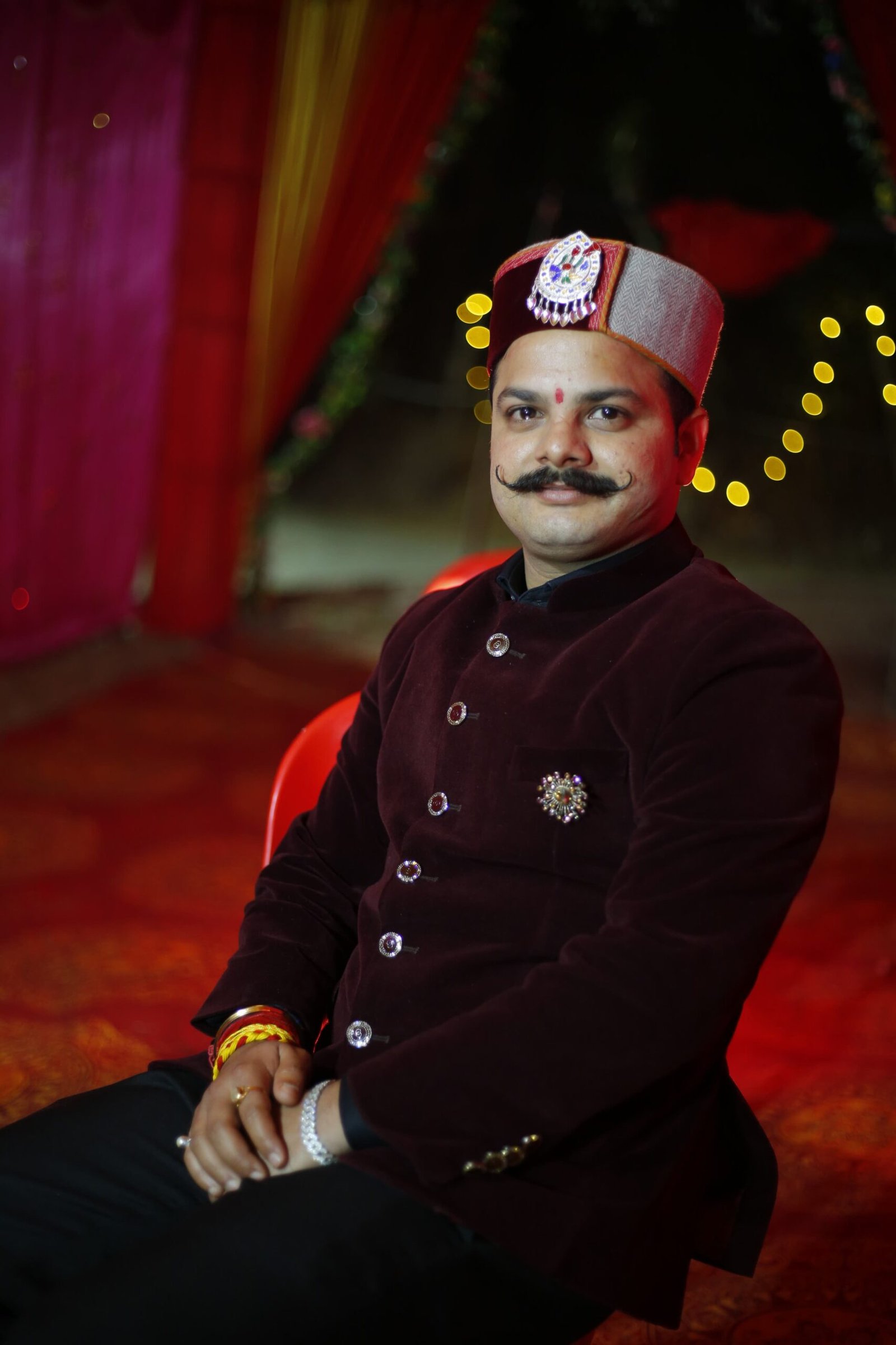
Eshan Pathania, Founder and Managing Trustee
Why Eshan Pathania Founded This Trust
Eshan Pathania, Founder and Managing Trustee of Eshan Charitable Trust, has been in recovery himself for five years. Having lived through addiction and recovery first-hand, he understands both the physical agony of a young man trapped in chitta and the sleepless nights of his parents.
He saw that ordinary Himachali families from Mandi, Kangra, and Hamirpur could not afford private rehab fees of ₹40,000 to ₹80,000 a month, forcing many parents to either delay treatment or send their sons to cheap, unregistered lock-ups. His vision was clear: build the most affordable nasha mukti kendra in Himachal that is 100% government-registered, medically supervised, and states its fees openly on day one.
Our Monthly Fees, Stated Plainly
| Residential Plan | Accommodation & Diet | Monthly Fee |
|---|---|---|
| Shared Residential Care | Shared room, nutritious standard diet | ₹12,500 per month |
| B Caring | Deluxe room, twin sharing, upgraded diet | ₹25,000 per month |
| A Caring | Private room, single occupancy, upgraded diet | ₹40,000 per month |
| Medically Supervised Detox | One-time fee at admission for medical withdrawal care | ₹6,000 one time |
Equal Care in Every Plan: The medical care, doctor and psychiatrist reviews, prescribed medicines, individual CBT counselling, 12-step group therapy, yoga, and family counselling are 100% identical across all three plans. Only the room type and diet preferences differ.
What Mandi Families Can Verify in Person
- HPSMHA Registration: Provisional Registration Sr. No. 193, issued 14/05/2026 by the Himachal Pradesh State Mental Health Authority, Shimla, under Sections 66(4) and 66(11) of the Mental Healthcare Act 2017.
- Registered Charitable Trust: Regd. No. 2025/19/IV/123 (Sub-Registrar-I, Kashmere Gate, Delhi).
- Clinical & Support Team: Reviewed by Dr. Devasheesh Sharma (MBBS, DNB Psychiatry, HPMC Reg. No. 5263) and Dr. Aditya Thakur (MBBS, HPMC Reg. No. 6218), supported full-time by a psychologist, MSW counsellors, pharmacist, staff nurse, yoga instructor, and vocational trainer.
- Who We Admit & Treat: Men only, aged 18 and above, in a 180-day residential programme. We treat chitta, heroin, smack, brown sugar, alcohol, charas, ganja, bhang, opium, doda, bhukki, tramadol, codeine syrup, alprazolam, cocaine, MDMA, injecting use, and mixed use.
24 Frequently Asked Questions About Chitta Addiction & Rehab for Mandi Families
1. Why is Understanding Chitta Addiction Among Youth in Mandi so urgent right now?
Understanding Chitta Addiction Among Youth in Mandi is urgent because Mandi district has recorded 297 NDPS Act cases and 475 arrests in a single year, alongside fatal overdoses in towns like Sundernagar. Because Mandi sits on the NH-21 and NH-154 transit corridors and hosts thousands of college and coaching students, synthetic heroin networks actively target local youth.
2. What are the earliest warning signs that a young man in Mandi is taking chitta?
Watch for pinpoint (tiny) pupils, nodding off during conversations, spending long periods locked in the bathroom, sudden demands for cash or UPI transfers, missing gold or cash at home, burnt strips of silver foil, rolled paper tubes, and morning flu-like symptoms (yawning, runny nose, sweating, body aches) that vanish after he goes out.
3. Why can't my son quit chitta at home in Mandi through willpower alone?
Chitta (heroin) causes severe physical dependence in the brain. Within 6 to 12 hours of the last dose, painful withdrawal begins with severe bone and muscle aches, stomach cramps, vomiting, diarrhoea, and intense panic. Without medically supervised detox medicines, the physical pain drives almost every user back to the drug.
4. Why is locking a chitta user inside a bedroom at home dangerous?
Locking someone in a room without medical supervision risks severe dehydration, self-harm, and dangerous seizures if he also uses alcohol or sleeping pills. Even worse, after 5 to 7 days without chitta, his body's tolerance drops sharply; if he steps out and takes his old dose in Mandi, it can cause an immediate fatal overdose.
5. What should we do immediately if someone has a chitta overdose in Mandi or Sundernagar?
If he cannot be woken, has pinpoint pupils, and has slow, gurgling, or stopped breathing, call 108 or 112 immediately and rush him to SLBS Government Medical College & Hospital at Nerchowk or Zonal Hospital Mandi. Place him on his left side if breathing, start CPR if not breathing, and tell the casualty doctor to administer Naloxone for suspected opioid overdose.
6. Why is mixing alcohol (sharab) with chitta so deadly?
Both alcohol and chitta suppress the brain's respiratory centre that controls breathing. Taking a chitta injection or smoking foil after drinking alcohol multiplies this effect, causing breathing to silently stop while the person appears to be sleeping.
7. Why do many Mandi families prefer a residential rehab centre outside Mandi district?
In early recovery, staying five minutes away from old using friends and local peddlers in Mandi town, Nerchowk, or Sundernagar triggers intense cravings and walk-outs. Admitting him along the direct NH-154 highway at Eshan Charitable Trust in Tanda Kholi, Kangra, removes him from local dealers while keeping him within easy visiting distance for parents.
8. How far is Eshan Charitable Trust from Mandi, Jogindernagar, and Sundernagar?
Eshan Charitable Trust is located in Village Tanda Kholi (near the FCI Godown and Dr. RPGMC Tanda Medical College) in Kangra district, directly connected to Mandi, Padhar, and Jogindernagar via National Highway 154. You can call +91 62304 15581 at any hour for route and admission guidance.
9. What are the monthly fees at Eshan Charitable Trust for Mandi families?
Our monthly fees are ₹12,500 for Shared Residential Care, ₹25,000 for B Caring (deluxe twin-sharing room), and ₹40,000 for A Caring (private single room), plus a one-time fee of ₹6,000 at admission for medically supervised detox. All three plans receive the exact same medical treatment, medicines, counselling, and yoga.
10. Is Eshan Charitable Trust registered with the Himachal Pradesh government?
Yes. Eshan Charitable Trust holds Provisional Registration Sr. No. 193 issued on 14/05/2026 by the Himachal Pradesh State Mental Health Authority (HPSMHA), Shimla, under Sections 66(4) and 66(11) of the Mental Healthcare Act 2017, and is a registered charitable trust (Regd. No. 2025/19/IV/123).
11. Does any beating or harsh "TC punishment" happen at Eshan Charitable Trust?
Never. We enforce a strict zero-violence policy in full compliance with Section 20 and Section 97 of the Mental Healthcare Act, 2017. We do not allow physical punishment, chaining, or senior inmates controlling newcomers. Withdrawal and behavioural distress are handled by qualified doctors, nurses, and counsellors.
12. How long does chitta addiction treatment take, and why is 180 days recommended?
Medical detox takes 7 to 10 days to clear physical withdrawal, but rewiring habits, treating underlying depression or anxiety, and building relapse prevention takes months. Our structured residential programme runs for 180 days across eight clinical stages.
13. Will admitting my son to rehab or a hospital create a police record in Mandi?
No. Voluntary admission for de-addiction treatment is completely confidential under Section 23 of the Mental Healthcare Act, 2017. Furthermore, Section 64A of the NDPS Act provides legal protection from prosecution for addicts who volunteer for medical treatment for consumption or small quantities.
14. How can we report a chitta supplier in Mandi without revealing our family's name?
You can report drug peddlers anonymously by calling the Narcotics Control Bureau's toll-free MANAS helpline at 1933 or by submitting a tip on the Himachal Police 'Drug Free Himachal' mobile app.
15. What if my son refuses to come for treatment?
Denial and fear of withdrawal pain are normal in chitta addiction. Avoid shouting at night; instead, stop giving him cash, unite the family, and call our counsellors at +91 62304 15581 to plan a calm, respectful morning family intervention.
16. Do you also treat alcohol, charas, bhang, and medical store pill addiction?
Yes. Alongside chitta, heroin, smack, and brown sugar, we treat alcohol (sharab), charas, ganja, bhang, opium, doda, bhukki, tramadol, codeine cough syrup, alprazolam, cocaine, MDMA, injecting drug use, and mixed substance use.
17. What government hospitals in Mandi offer emergency and OPD de-addiction support?
Shri Lal Bahadur Shastri Government Medical College & Hospital (SLBSGMC) at Nerchowk and Zonal Hospital Mandi provide 24x7 emergency casualty care and psychiatric OPD services, while Civil Hospitals at Sundernagar and Jogindernagar provide emergency stabilisation.
18. Which free government helplines can Mandi families call for mental health and de-addiction advice?
You can call 14446 (National Toll-Free De-Addiction Helpline) or 14416 (Tele MANAS 24x7 Mental Health Helpline) for free counselling in Hindi or English, and 108 or 112 in any medical or safety emergency.
19. Does Eshan Charitable Trust admit women?
No, our residential facility in Tanda Kholi is for men aged 18 and above only. For women in Himachal Pradesh, the government-run Nav Jeevan Women's De-Addiction and Rehabilitation Centre at Mashobra near Shimla and the Red Cross women's ward in Bhuntar (Kullu) are available.
20. What health tests should a young man who injected chitta undergo?
Anyone who has used syringes or shared needles should be screened by a doctor for Hepatitis B, Hepatitis C, HIV, liver and kidney function, and vein abscesses. Early detection allows complete medical management alongside addiction recovery.
21. Can parents from Mandi visit the centre before admitting their son?
Yes, we encourage parents from Mandi, Sundernagar, Nerchowk, and Jogindernagar to visit our Tanda Kholi campus, inspect the rooms and kitchen, check our HPSMHA registration certificate (Sr. No. 193), and meet our counsellors.
22. Who are the medical reviewers and team members at Eshan Charitable Trust?
Our clinical protocols and medical content are reviewed by Dr. Devasheesh Sharma (MBBS, DNB Psychiatry, HPMC Reg. No. 5263) and Dr. Aditya Thakur (MBBS, HPMC Reg. No. 6218), and our on-site team includes a psychologist, MSW counsellors, a pharmacist, a staff nurse, a yoga instructor, and a vocational trainer.
23. How do we prevent relapse after he completes rehab and returns to Mandi?
Relapse prevention requires changing his phone number to block old dealers, maintaining a strict daily work or study routine, keeping zero cash or alcohol at home in the first 90 days, watching for HALT triggers (Hungry, Angry, Lonely, Tired), and attending regular follow-up counselling sessions.
24. How can a Mandi family contact Eshan Charitable Trust right now?
You can call or WhatsApp us 24x7 at +91 62304 15581, email info@eshancharitabletrust.org, or visit our FAQ page and contact page for immediate, confidential assistance.
A Final Word for Parents in Mandi
If you have read this far, your son or brother already has his biggest strength standing beside him: a family that refuses to give up on his life. Understanding Chitta Addiction Among Youth in Mandi is the first step out of fear and into action.
Do not wait for a police call from a highway naka or a late-night medical emergency. Pick up the phone tonight and talk to our team. Asking questions costs nothing, and every conversation is kept strictly confidential.
Sources and References
Every statistic, clinical protocol, and Mandi district news report in this guide is verified from the official sources below. No victim, arrested person, or family has been named.
- The Tribune. Checking drug menace: 297 cases registered, 475 arrested in Mandi district, December 2025.
- The Tribune. Newlywed couple held with heroin in Sundernagar, Mandi district, March 2026.
- Divya Himachal. Four arrested with 11.48 grams of chitta in Jogindernagar, Mandi under NDPS Act, September 2026.
- Dainik Jagran. Youth death by chitta overdose after alcohol and injection in Sundernagar, Mandi, November 2025.
- The News Radar. In this Himachal belt in Mandi, chitta addicts desperate for daily dose introduce own parents to drugs, February 2025.
- World Health Organization (WHO). Opioid Overdose Fact Sheet, August 2025.
- MedlinePlus, US National Library of Medicine. Opiate and Opioid Withdrawal Medical Encyclopedia.
- MedlinePlus, US National Library of Medicine. Delirium Tremens and Acute Alcohol Withdrawal.
- NDDTC, AIIMS New Delhi, Ministry of Social Justice and Empowerment. Magnitude of Substance Use in India, 2019.
- Government of India. The Mental Healthcare Act, 2017, India Code.
- Department of Revenue, Ministry of Finance. Special Provision for Addicts under Section 64A of the NDPS Act, 1985.
- Ministry of Health and Family Welfare, Government of India. Tele MANAS (14416) National Tele Mental Health Programme.
- Ministry of Social Justice and Empowerment. Nasha Mukt Bharat Abhiyaan (14446 Helpline).
- Outlook India. Himachal intensifies anti-chitta drive amid rising drug abuse (1,967 NDPS cases), January 2026.
- ETV Bharat. 66 drug overdose deaths in Himachal over three years and 34% youth chitta survey, April 2026.
- IJCRT. Drug Abuse in Himachal Pradesh: Its Patterns, Challenges and Legislative Response, April 2026.
- The Tribune. Following inmates' deaths, 2 de-addiction centres shut by HPSMHA.
- The Tribune. 14 Himachal de-addiction centres close down; HPSMHA notes complaints of force.
- United News of India (UNI). Red Cross de-addiction centres in Dharamshala and Nurpur helping youth recover, May 2026.
- The Policy Edge. Himachal Pradesh launches Nav Jeevan, first government-run women's de-addiction centre at Mashobra, June 2026.
- National Informatics Centre (NIC). Drug Free Himachal Mobile Application.
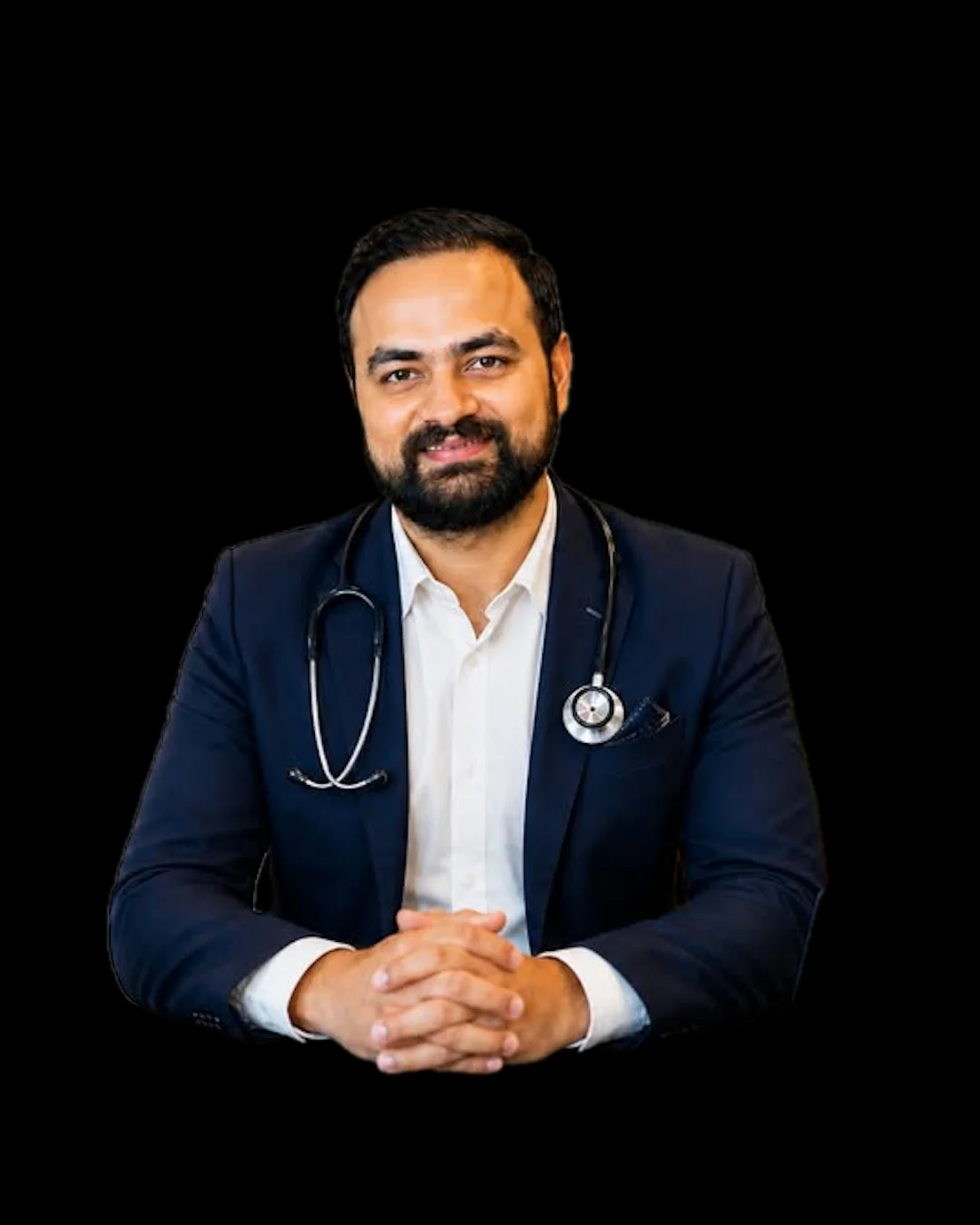
Dr. Devasheesh Sharma, MBBS, DNB (Psychiatry)
Psychiatrist. Himachal Pradesh Medical Council Reg. No. 5263.
Dr. Aditya Thakur, MBBS
Registered Medical Practitioner. Himachal Pradesh Medical Council Reg. No. 6218.
Eshan Charitable Trust Team
The clinical counsellors and care team at our nasha mukti kendra in Kangra serving families across Mandi and Himachal Pradesh. Last reviewed on 14 November 2026.
Disclaimer: This guide is for educational and family support purposes and does not replace an in-person medical examination by a doctor or psychiatrist.