
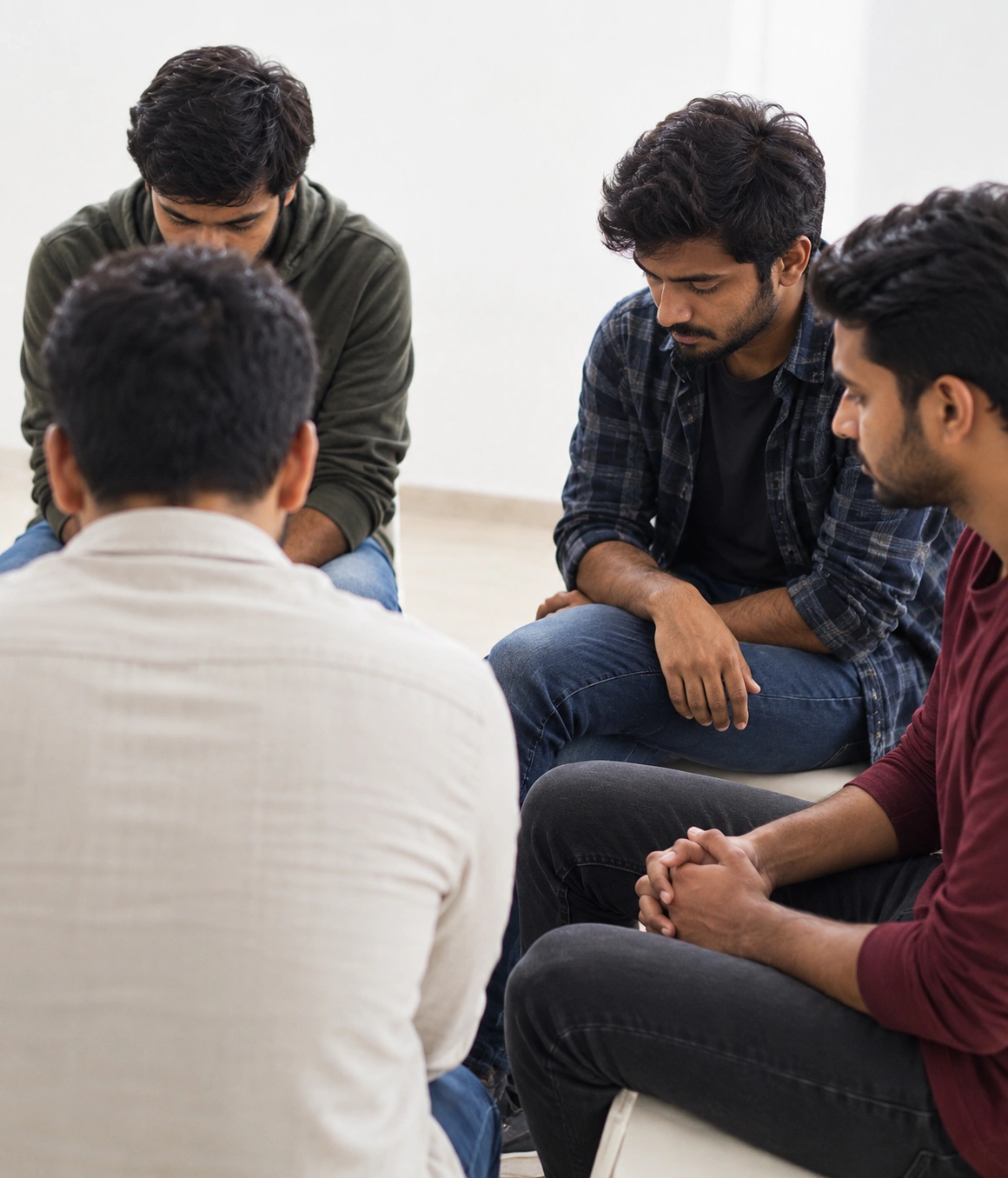
Alcohol Addiction Treatment in Himachal Pradesh
शराब की लत का इलाज — सरकार से रजिस्टर्ड नशा मुक्ति केंद्र, कांगड़ा
Alcohol Addiction
This page explains how alcohol addiction treatment works at Eshan Charitable Trust, a government registered nasha mukti kendra and rehabilitation centre for men in Kangra, Himachal Pradesh. It covers who we treat, medically supervised detox, our therapy programmes, residential care, aftercare, fees and how to admit someone.
Eshan Charitable Trust is a residential de-addiction and rehab centre in Himachal Pradesh for people whose drinking has stopped being something they can control alone. Treatment is delivered by doctors, counsellors and trained staff in a calm, disciplined and completely confidential setting.
If you are searching for a nasha mukti kendra near me for a husband, son, father or brother who is drinking daily, this page will tell you exactly what happens, what it costs and how to start.
Talk to a Counsellor Now
A Government Registered Alcohol Rehabilitation Centre in Kangra
Eshan Charitable Trust runs a residential de-addiction and rehabilitation centre for men at Tanda Kholi, Kangra, registered with the Himachal Pradesh State Mental Health Authority (Sr. No. 193). Our intake is deliberately small, so every patient gets real attention rather than a bed in a crowded ward.
A team of doctors, a consultant psychiatrist, counsellors and trained recovery staff deliver alcohol addiction treatment that combines medically supervised withdrawal management, structured therapy and long-term relapse prevention. This is not a lock-up. It is a treatment programme built on dignity, routine and medical care.
Families from across Himachal — Kangra, Dharamshala, Palampur, Mandi, Una, Hamirpur, Shimla, Solan and Chamba — as well as Punjab, Jammu and Uttarakhand bring their loved ones here because the care is serious and the privacy is absolute.
Who We Treat at Our Nasha Mukti Kendra
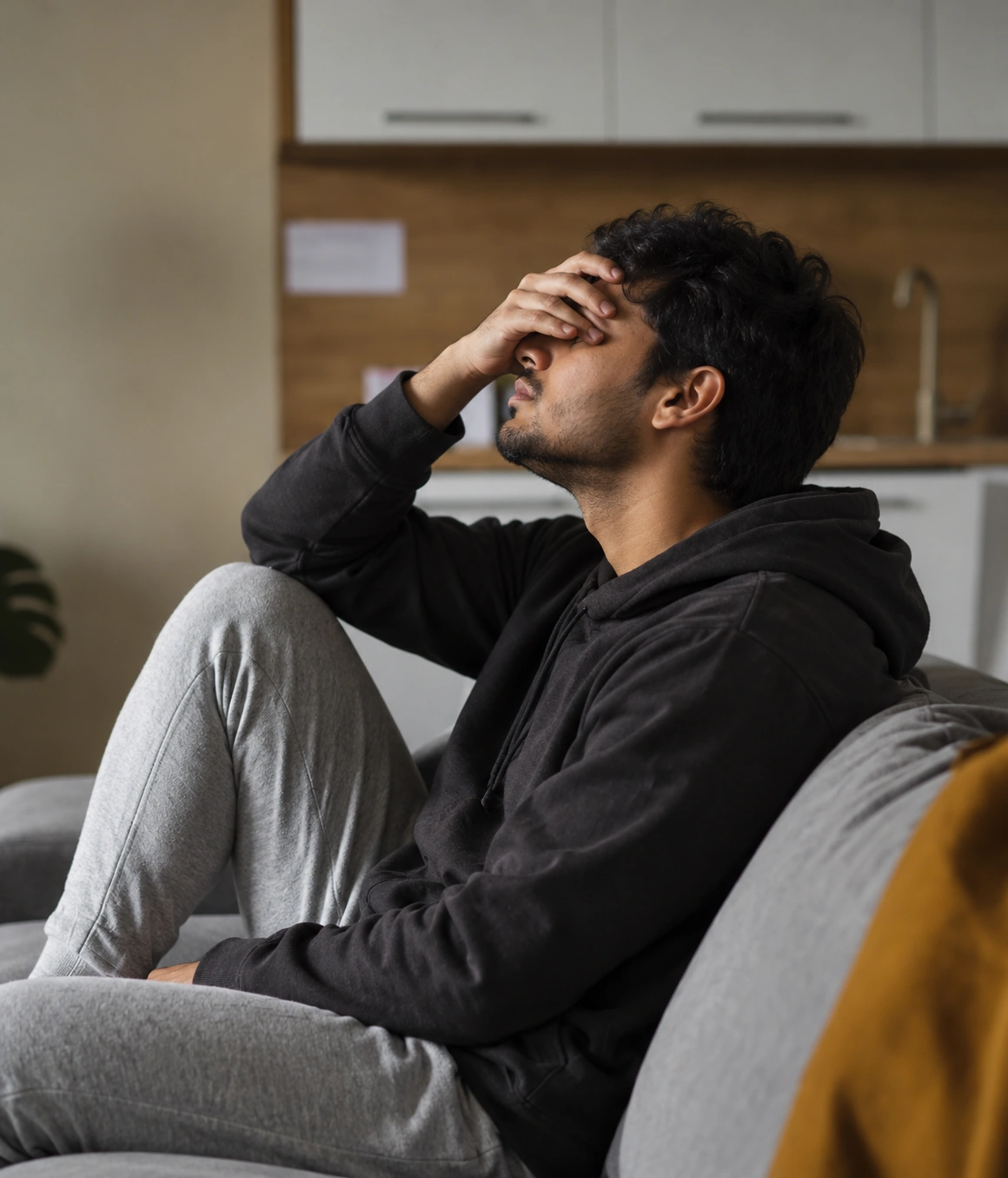
Alcohol treatment here is designed for adult men whose drinking is no longer something they can manage alone. That may mean daily sharab, failed attempts to cut down, withdrawal shaking in the morning, or clear damage at work, at home or to their health.
- Men who drink every day and cannot stop without feeling unwell
- Those who have tried to quit at home and relapsed repeatedly
- People with liver problems, high blood pressure or diabetes alongside drinking
- Patients with anxiety, depression or sleep problems linked to alcohol
- Those using alcohol together with chitta, ganja, charas or prescription drugs
Eligibility is decided by a structured clinical assessment covering medical history, drinking pattern, mental health and current safety, so each person is matched to the right level of care from day one.

Inside Our Rehabilitation Centre in the Kangra Valley
The centre sits in a quiet part of the Kangra valley, away from the noise and the triggers of normal life, with open air and mountain views that make the early weeks easier to bear.
- Clean, well-kept residential rooms with 24x7 staff presence
- Doctor and nursing cover round the clock during withdrawal
- Daily yoga, meditation and physical exercise
- Group therapy hall, counselling rooms and a prayer space
- Nutritious vegetarian meals planned for recovering bodies
- Garden and outdoor space for walking and quiet time
Routine is part of the treatment. A fixed daily schedule of medication, therapy, meals, exercise and rest rebuilds the discipline that heavy drinking destroys.
Medically Supervised Alcohol Detox and Withdrawal Care
For most people the first stage of recovery is safe, medically supervised alcohol detox. Stopping heavy drinking suddenly at home is genuinely dangerous: withdrawal can bring seizures, dangerously high blood pressure, hallucinations or delirium.
Under supervision, withdrawal is managed with appropriate medication, regular monitoring of vital signs and clear clinical protocols that reduce both risk and discomfort. Vitamins, fluids and nutritional support correct the depletion that years of drinking cause.
Detox stabilises the body physically so that the person can move into therapy with a clear head. It is the foundation of alcohol addiction treatment, not the whole of it.
Read more about alcohol detox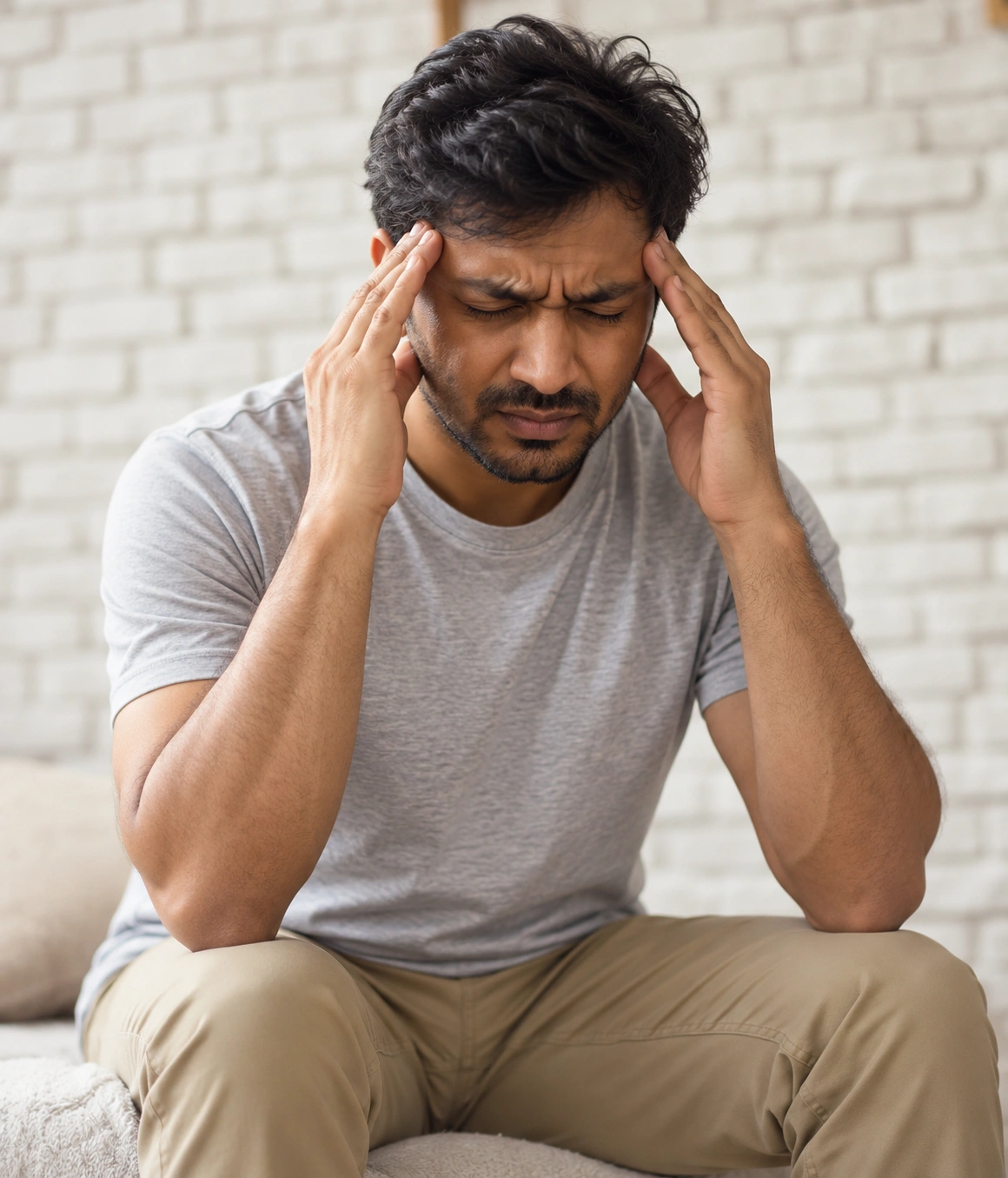
Alcohol Treatment Programmes, Therapies and Modalities
Once detox is complete, you move into structured treatment that addresses both the drinking and anything underneath it. Your plan is set by the clinical team and reviewed regularly so treatment stays matched to your needs.

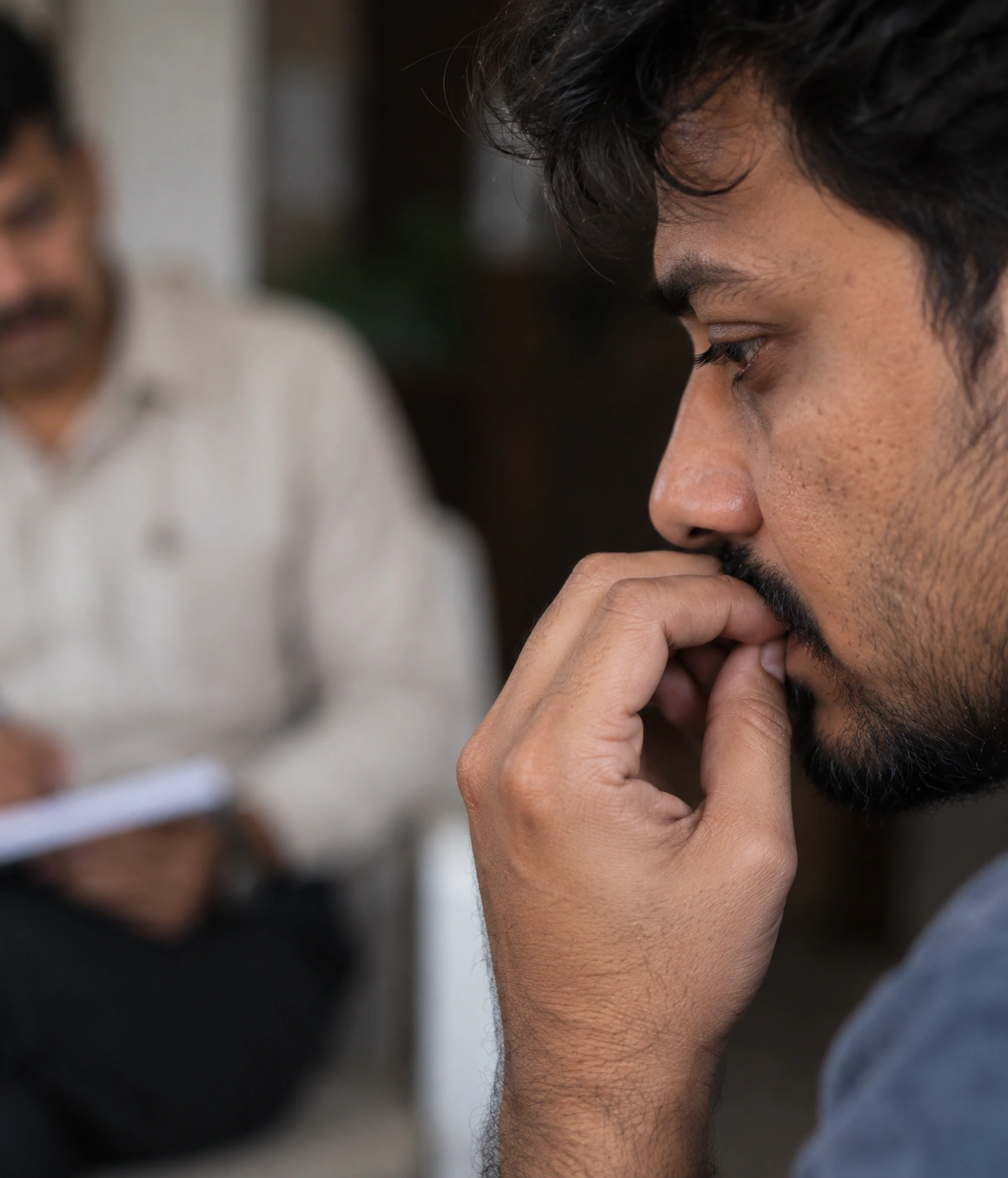




Residential and Inpatient Alcohol Treatment
The core of our work is structured inpatient care. You live at the centre and follow a clear daily schedule that balances therapy, rest, meals, exercise and reflection. Residential treatment suits people who need a contained environment, 24x7 support and distance from triggers.
This level of care is particularly appropriate where there is severe dependence, repeated relapse, or alcohol problems tangled up with mental health needs that a short outpatient programme cannot safely hold.
The standard programme runs up to 180 days, with shorter and longer stays decided clinically. Here is what actually happens inside a rehab centre, day by day.

Aftercare, Follow-Up and Relapse Prevention
Planning for life after treatment starts well before discharge. Every patient leaves with a written aftercare plan rather than a handshake at the gate.
- Scheduled follow-up calls and review visits for twelve months
- Continued medication management where clinically indicated
- Family guidance on what support looks like and what enabling looks like
- Connection to local support groups and sober routines near home
- A clear plan for what to do in the first 24 hours of a lapse
Recovery is not a 30-day event. Combining structured step-down care with family support is what turns short-term gains into lasting alcohol addiction recovery.
Admissions: How to Start Alcohol Addiction Treatment
Admitting someone to our nasha mukti kendra in Kangra begins with one confidential phone call. The team will:
Confidential First Call
Speak to a senior counsellor about the drinking pattern, medical history and current risks. Nothing is shared with anyone.
Clinical Assessment
A doctor and counsellor assess withdrawal risk, physical health and mental health, and recommend the right length and level of care.
Admission and Arrival
An admission date is agreed and arrangements explained. Transport assistance can be arranged anywhere in Himachal Pradesh.
Admission can usually be arranged the same day in an emergency. Read this before admitting someone to a nasha mukti kendra.
Fees, Ayushman Cover and Affordability
As a charitable trust, our fees are kept deliberately low. Cost should never be the reason a family lets someone keep drinking.
Transparent Monthly Fee
One all-inclusive monthly charge covering stay, meals, medication, doctor visits and all therapy. No hidden extras added later.
Concessions for Hardship
Genuine hardship cases are supported by the trust. Speak to us honestly about what the family can manage.
Health Insurance Guidance
We explain what Ayushman Bharat and health insurance may or may not cover for de-addiction treatment.
Compare rehab centre fees across Himachal Pradesh | Most affordable nasha mukti kendra in Himachal
Registration, Governance and Quality Standards
Eshan Charitable Trust is a registered charitable trust operating a de-addiction and rehabilitation centre registered with the Himachal Pradesh State Mental Health Authority, Sr. No. 193.
Treatment is delivered under the supervision of qualified medical professionals. Clinical content on this site is reviewed by Dr. Devashish Sharma, MBBS, DNB (Psychiatry), HPMC Reg. No. 5263, together with Dr. Aditya Thakur, MBBS, HPMC Reg. No. 6218.
If you are weighing up options, it helps to understand the difference between a rehab centre and a nasha mukti kendra, and what government nasha mukti kendras in Himachal Pradesh do and do not provide.
Alcohol Addiction Treatment Across Himachal Pradesh and Beyond
Patients travel to our Kangra centre from across the state and the neighbouring regions. Find the nearest rehab centre near me page for your district:
Frequently Asked Questions About Alcohol Addiction Treatment
How long does alcohol addiction treatment take at a nasha mukti kendra?
Medically supervised detox usually takes seven to ten days. Full residential alcohol addiction treatment at our rehab centre in Himachal Pradesh typically runs 90 to 180 days, because changing the patterns behind drinking takes months, not days. The clinical team recommends a length of stay after assessment, and families are told honestly what is realistic.
Where can I find a good nasha mukti kendra near me in Himachal Pradesh?
Eshan Charitable Trust operates a government registered nasha mukti kendra near me at Tanda Kholi, Kangra, serving Dharamshala, Palampur, Baijnath, Nurpur, Chamba, Mandi, Una, Hamirpur, Bilaspur, Solan, Shimla, Kullu, Manali and the rest of Himachal Pradesh, as well as families from Punjab, Jammu and Uttarakhand. When comparing any rehab centre near me, check the State Mental Health Authority registration, whether a qualified doctor is involved, and whether fees are explained in writing.
Sharab chhudane ka ilaj kya hai? What is the treatment for alcohol addiction?
Sharab chhudane ka ilaj has three parts: medically supervised detox to handle withdrawal safely, structured therapy to address why the drinking started and continued, and long-term relapse prevention with family support. Home remedies and willpower alone rarely work for physical dependence, and sudden stopping without medical cover can be dangerous.
Can someone be admitted for alcohol treatment without their consent?
Adults are admitted with consent wherever possible, and our counsellors are experienced at turning a reluctant conversation into a voluntary admission. Where a person lacks capacity or is at immediate risk, admission follows the provisions of the Mental Healthcare Act, 2017 with proper documentation. We do not use force or detention as a treatment method.
Is alcohol addiction treatment covered by Ayushman Bharat or health insurance?
Cover varies by scheme, policy and hospital empanelment, and most private de-addiction stays are not fully covered. Our admissions team will explain what may apply in your case before you commit. As a charitable trust we also keep fees low and support genuine hardship cases directly.
What is the difference between a rehabilitation centre and a nasha mukti kendra?
In practice the terms overlap, but a proper rehabilitation centre in Himachal Pradesh provides medical detox, qualified clinical staff and structured therapy, while some centres calling themselves nasha mukti kendras offer little more than accommodation. Always ask what medical supervision is actually provided.
Do you treat chitta, ganja and other drug addiction as well as alcohol?
Yes. Many patients use alcohol alongside chitta, smack, ganja, charas or prescription medication. Our de-addiction treatment programme covers all of these. If chitta is the main concern, read chitta kaise chhode and what to do if someone at home is using chitta.
Is treatment confidential? Will people in our village find out?
Every call, message, admission and discharge is handled with complete confidentiality. We do not disclose patient names, do not publish photographs, and do not contact anyone outside the family without written permission.
More questions? See our full FAQ page or how to choose the best rehabilitation centre in Himachal Pradesh.
Talk to Us Today. The First Call Changes Everything.
Open 24x7. Admissions any day of the week. Every conversation is confidential.
Eshan Charitable Trust
Nasha Mukti Kendra, De-Addiction & Rehabilitation Centre
Near FCI Godown, Village Tanda Kholi, Ward No. 7, PO Kholi,
Tehsil & District Kangra, Himachal Pradesh 176001
Medical disclaimer: This page is written for general information and is reviewed by a qualified psychiatrist. It is not a substitute for individual medical advice. Alcohol withdrawal can be life threatening — do not stop heavy drinking suddenly without medical supervision. If someone is confused, having seizures or cannot be woken, call emergency services immediately.