
Yoga for Stress and Anxiety: Gentle Asanas to Settle a Restless Mind
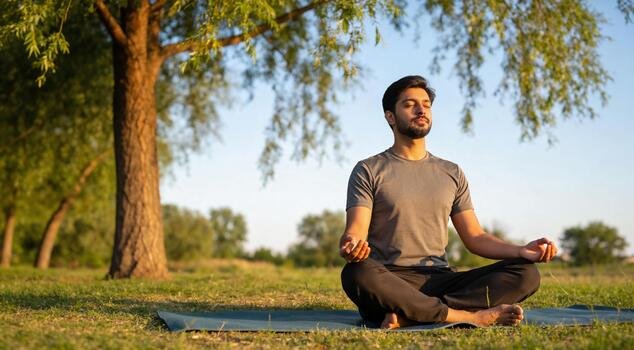
The modern mind rarely sits still. Pulled in a dozen directions at once, it races through worries, plans, and half-finished thoughts until it simply wears out. Stress and anxiety have become everyday company for many of us, not because life has turned unbearable, but because the natural link between breath and mind has quietly come undone.
When the breath turns ragged, the mind grows restless. When the breath softens, the mind follows it back into stillness. That simple loop sits at the heart of everything that follows.
Yoga for stress and anxiety offers a grounded, time-tested way back to that stillness. It is far more than a set of stretches. It is a complete method for bringing the body, the nervous system, and the mind back into agreement. Through mindful movement, steady breathing, and deep rest, yoga eases mental fatigue, steadies the emotions, and rebuilds a quiet sense of inner balance.
This guide looks at stress and anxiety through both a yogic and an Ayurvedic lens, then walks through the specific postures, breathing practices, and daily habits that soothe an overworked nervous system and protect your peace of mind.
When the breath softens, the mind follows it back into stillness.
Understanding Stress and Anxiety Through Yoga and Ayurveda
The Restless Mind
In yogic thought, stress is the state of a mind churned by constant, uncontrolled ripples of thought. These ripples rise out of fear, overthinking, sensory overload, and emotions we never quite finished feeling. Once the mind is stirred up, the body answers in kind: the breath grows shallow, muscles tighten, sleep frays, and tiredness settles in.
Irregular breathing is often the first outward hint that something inside has been disturbed. Bring the breath under gentle, conscious control and the nervous system reads it as a signal of safety, letting the mind slow down and clear. For a closer look at what stress does to the body on a biological level, Harvard Health offers a clear overview of the stress response.
Anxiety as a Vata Imbalance
Ayurveda reads anxiety largely as an excess of Vata Dosha, the force that governs movement and the firing of the nerves. When Vata runs high, thoughts sprint ahead of us, sleep turns thin, and the whole body feels unanchored.
The condition of the mind is also shaped by three underlying qualities:
- Sattva: the quality of calm, clarity, and balance.
- Rajas: the quality of restlessness, agitation, and overactivity.
- Tamas: the quality of heaviness, dullness, and inertia.
Anxiety, in this view, is heightened Rajas riding on aggravated Vata. Yoga for stress and anxiety works to calm that excess Rajas and rebuild Sattva, so the mind becomes steady and reflective instead of jumpy and reactive.
The Nervous System
The nervous system feels every emotional strain. Left unchecked, ongoing stress disrupts how the nerves function and chokes the free flow of vital energy through the body. Postures loosen the physical grip of tension, while breathing practices clear the inner channels so that energy can circulate freely again.
Savasana: The Practice of Deep Relaxation
Relaxation is one of the most misread words in wellness. It is not slumping in front of a screen or drifting off to sleep. Real relaxation is alert stillness. Savasana, or Corpse Pose, is among the most effective ways to release stress, as long as it is practised with attention rather than treated as an afterthought.
Why Savasana Works
Savasana gives the nervous system room to reset. As you consciously let go of tension in every part of the body while staying mentally awake, the body burns less energy and recovery speeds up. Fear loosens, restlessness fades, and a felt sense of safety takes their place.
How to Practise
- Lie flat on your back with the spine long and aligned.
- Let the legs relax and fall open evenly.
- Keep the head centred, tilted neither forward nor back.
- Close the eyes softly and turn your attention inward.
- Release the face, the jaw, the tongue, and the eyes.
- Let the breath grow slow, fine, and effortless.
- Keep the mind a quiet observer, simply watching the breath.
Stay here for fifteen to twenty minutes. Practised regularly, Savasana stops feeling like lying down and starts feeling like genuine restoration. If old emotional pain keeps the mind from settling, gentle professional support for anxiety and depression can help build the very sense of safety that deep rest depends on.
Calming Asanas for Stress and Anxiety
A tense body cannot fully let go. The postures below quiet the nervous system by unwinding physical tension and steadying circulation.
Forward Bends: Cooling an Overheated Mind
Uttanasana · Standing Forward Bend
Slows the heartbeat, rests the brain, and settles frayed nerves. Especially good for anyone feeling over-stimulated or quick to react.
Paschimottanasana · Seated Forward Bend
Lengthens the spine, gently massages the inner organs, and invites mental quiet. Particularly useful when anxiety shows up alongside digestive upset.
Janu Sirsasana · Head-to-Knee Pose
A softer forward fold that aids digestion, eases lower-back tightness, and encourages calm, single-pointed attention.
Inversions: Rebuilding Emotional Steadiness
Salamba Sarvangasana · Shoulder Stand
Balances the nervous and hormonal systems, improves circulation, and quiets a churning mind. A strong ally against insomnia, emotional swings, and nervous exhaustion.
Halasana · Plough Pose
Rests the brain, stretches the spine, and lifts away both physical and mental fatigue.
Setu Bandha Sarvangasana · Bridge Pose
A gentle backbend that opens the chest, lifts low mood, and releases tension lodged along the spine.
Gentle Restorative Postures
Viparita Karani · Legs-Up Restorative Pose
Encourages blood to return from the legs, eases anxiety, and suits anyone not yet ready for a full inversion.
Adho Mukha Svanasana · Downward Facing Dog
Clears fatigue, wakes up the body, and calms the nerves without any strain.
Pranayama: Steadying the Mind Through Breath
Breath and mind move together. Steady the breath and the mind's turbulence quietly drains away.
Ujjayi Pranayama
A slow, gently controlled breath that soothes the nerves, raises oxygen levels, and builds emotional stamina. Helpful for the fatigue that trails chronic stress.
Nadi Sodhana · Alternate Nostril Breathing
Brings the nervous system into balance by evening out the opposing energy channels. Especially good for irritability, mood swings, and mental exhaustion.
Sitali · Cooling Breath
A cooling breath that takes the heat out of irritation and agitation. Reach for it when emotions start to run high.
Bhramari · Humming Breath
The soft humming vibration calms the brain, improves sleep, and quiets mental chatter. Follow any breathing session with a few minutes of Savasana so the nervous system can absorb the benefits. For anyone climbing out of burnout or a long stretch of high pressure, pairing this breathwork with proper rest, and structured rehabilitation support where it is needed, can speed the return to balance.
Ayurvedic Lifestyle Support for Anxiety
Eating for a Calm Mind
What you eat feeds the nervous system as surely as your thoughts do. Fresh, simple, nourishing food supports clarity and emotional steadiness, while food that is overly spicy, salty, sour, or stale tends to stir up agitation and is best kept to a minimum. A little healthy fat, such as ghee, lubricates the nerves and helps settle Vata. You can read more about building a Sattvic diet plan for a clearer mind.
A Steady Daily Rhythm
- Keep sleep and meals on a consistent schedule.
- Try a grounding oil self-massage to settle the nervous system.
- Ease off stimulation, especially late at night.
- Chant a simple sound such as "Om" to regulate the breath and gather the mind.
A Simple Sequence for Stress Relief
- Savasana: 5 minutes
- Uttanasana
- Paschimottanasana: 3 to 5 minutes
- Salamba Sarvangasana: 5 to 10 minutes
- Halasana: 3 to 5 minutes
- Setu Bandha Sarvangasana
- Nadi Sodhana: 10 minutes
- Quiet sitting or meditation: 5 minutes
- Savasana: 10 minutes
Move through it slowly. Together these practices calm the body, even out the breath, and bring the emotions back to centre.
When to Seek Professional Support
Yoga and Ayurveda give you powerful daily tools, yet they work best alongside professional care when anxiety turns persistent or starts to feel overwhelming. If restlessness, broken sleep, or a constant sense of dread begins to interfere with ordinary life, reaching out to a trained professional is a sign of strength, not weakness. It helps, for a start, to understand the difference between an anxiety attack and a panic attack, since the two feel alike but call for slightly different responses in the moment.
For steady, ongoing support, sitting down with a qualified psychologist in Mandi or across Uttarakhand can bring to the surface the deeper roots of tension that breathwork alone cannot reach.
Sometimes stress and anxiety are tangled up with substance use, whether that means alcohol, chitta and bhang across the hills of Himachal, or a growing dependence on prescription medication. In those situations, the role of counselling in recovery becomes central, and structured de-addiction counselling, whether in Shimla or in Jammu, can offer the steady, compassionate framework that real healing needs.
Coming Home to Stillness
Stress and anxiety are not character flaws. They are signals that the nervous system has taken on more than it can comfortably hold. Yoga for stress and anxiety hands you practical tools to restore balance by working with the body, the breath, and the mind at the same time.
With mindful movement, steady breathing, real rest, and simple daily care, the mind slowly finds its way back to calm, open awareness. As the senses grow quiet and the breath turns even, peace tends to arrive on its own.