
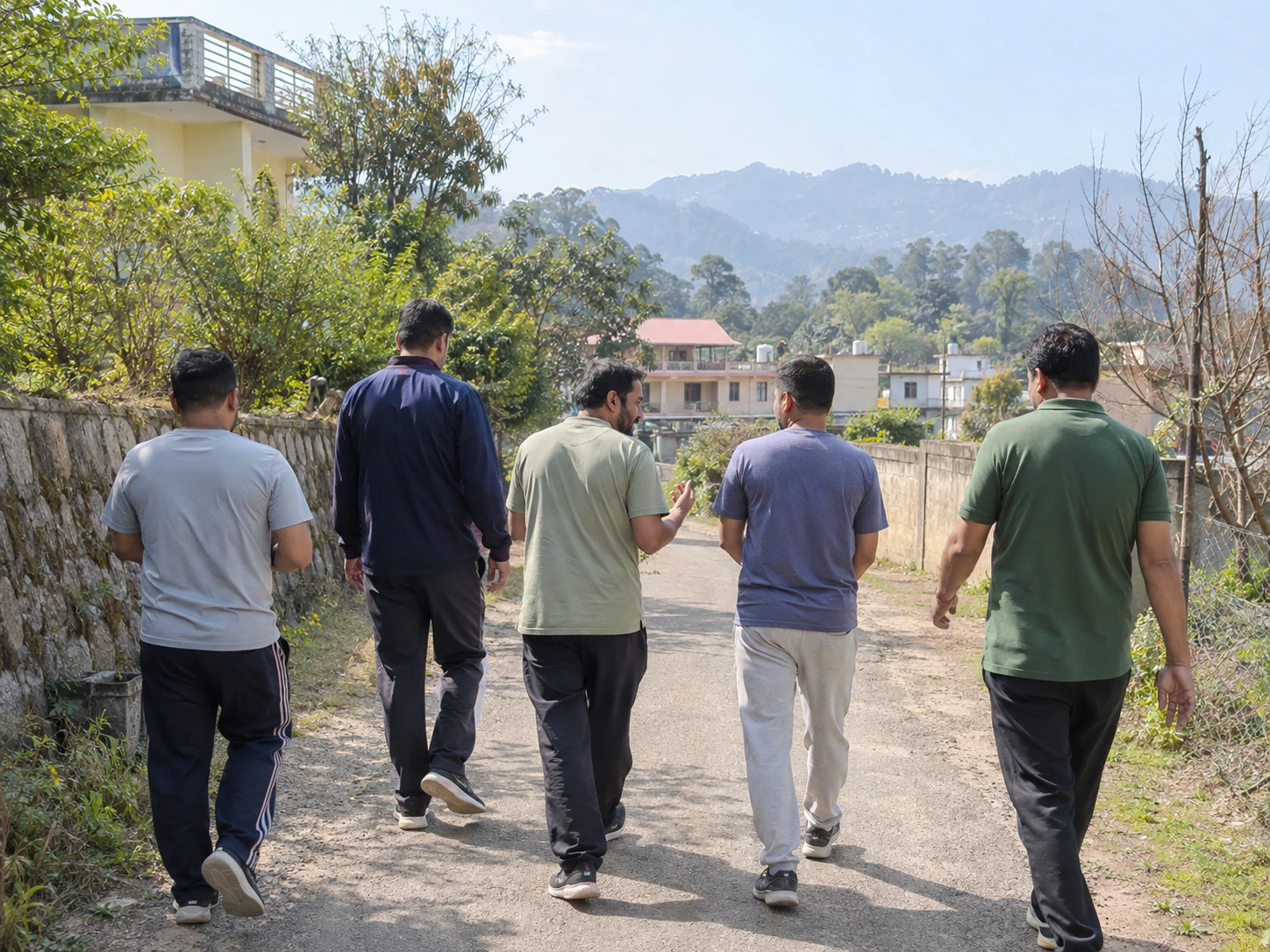
The next district over • Government registered • Men only • 24x7
Best Nasha Mukti Kendra & Rehab Centre in Pathankot
पठानकोट के परिवारों के लिए नशा मुक्ति केंद्र
24x7 Pathankot helpline+91 62304 15581Pathankot shares a boundary with Kangra, and our residential rehab centre is on the other side of it. Eshan Charitable Trust is a government registered, men only de-addiction and rehabilitation centre treating men from Pathankot city, Sujanpur, Narot Jaimal Singh, Dhar Kalan, Bamial, Gharota, Madhopur, Dunera and Mirthal. A charitable trust with no profit model, so full residential care is Rs 12,500 a month. That figure is the whole of it at our nasha mukti kendra in Pathankot, with nothing added later.
PATHANKOT | SUJANPUR | NAROT JAIMAL SINGH | DHAR KALAN | BAMIAL | GHAROTA | MADHOPUR | DUNERA | MIRTHAL | TARAGARH | JUGIAL
Is chitta nasha or sharab eating a son, a brother or a husband in your house? Nasha chudane ka ilaj exists, and nobody here will judge you for calling.
Call +91 62304 15581Why this page is not like the others you have opened
Pathankot borders Kangra, and our rehab centre is in Kangra
Most of the numbers that ring you back after a Pathankot search belong to centres in Delhi, Haryana, Chandigarh or deep inside Punjab, with a Pathankot page written by somebody who has never been here. We are the other way round. Our residential campus is at Tanda Kholi in Kangra district, which Pathankot shares a boundary with. You already drive through Pathankot to get to us. That is not a marketing line, it is a map. It is also why the nasha mukti kendra in Pathankot families actually use is the one on the other side of your own boundary.
The shortest journey
You are already at the gateway
Pathankot is the road and rail head for the whole Kangra valley. Every family travelling from Punjab to a Himachal rehab centre passes through your district. For you that journey is a drive rather than an expedition, which means an assessment and admission can happen on the same day without anybody taking leave from work. Very few families choosing a rehab centre in Pathankot get to say that about the journey.
Both sides of the line
We see this corridor every week
The Kangra side of your boundary, around Nurpur, Damtal and Indora, is a recognised hotspot where heroin arrives from Punjab and Jammu. Police on that side created a separate police district for it. We treat men from both sides of that boundary every month, so we know the actual supply chain your son is caught in, not a generic version of it. Local knowledge is the difference between a real nasha mukti kendra in Pathankot and a call centre in another state.
Correct registration
A Himachal certificate for a Himachal building
A Punjab, Haryana or Chandigarh registration does not cover a building in Himachal, and the reverse is equally true. We hold Provisional Registration Sr. No. 193 from the HP State Mental Health Authority, Shimla, which is the correct authority for where we stand. Ask every centre that calls you which authority issued its certificate. It is the single most useful question to put to any nasha mukti kendra in Pathankot before money changes hands.
Distance still does clinical work. Being the next district over does not mean being on his street, and that is exactly the point. Pathankot is small enough that the peddler, the two friends and the spot are all within a short ride of his house. A rehab centre far enough to break that daily reach, but close enough for his mother to visit on a Sunday and be home by evening, is the combination that actually works. That balance is what families are really looking for when they search for a nasha mukti kendra in Pathankot.
Talk to a counsellor nowBefore you call
Is this happening in your home?
Most Pathankot families spend months telling themselves it is a bad patch, bad company or too much time on the phone. These are the things parents and wives describe to us on the first call, almost word for word. Four or more of these and it is time to ring a nasha mukti kendra in Pathankot rather than wait for another clean week.
- Money and gold going missing, loans from people you have never heard of, the motorcycle sold for half its value.
- Foil, burnt matchsticks, cut straws, syringes, empty cough syrup bottles or strips of tablets you cannot identify.
- Sleeping all day, awake all night, no appetite, sudden weight loss, pinpoint or glassy eyes.
- Fits of temper, lying about small things, locked doors, a phone that never leaves his hand.
- Work or studies gone: a job in the city lost, a shop running itself into the ground, a college place abandoned.
- Promises every week, two clean days, and then exactly the same thing again.
If you recognised four or more of these, it is past the stage where a conversation fixes it. Ring the helpline and describe it to a counsellor. The call costs you nothing and commits you to nothing. Families from every block ring our nasha mukti kendra in Pathankot helpline before they have decided anything at all.
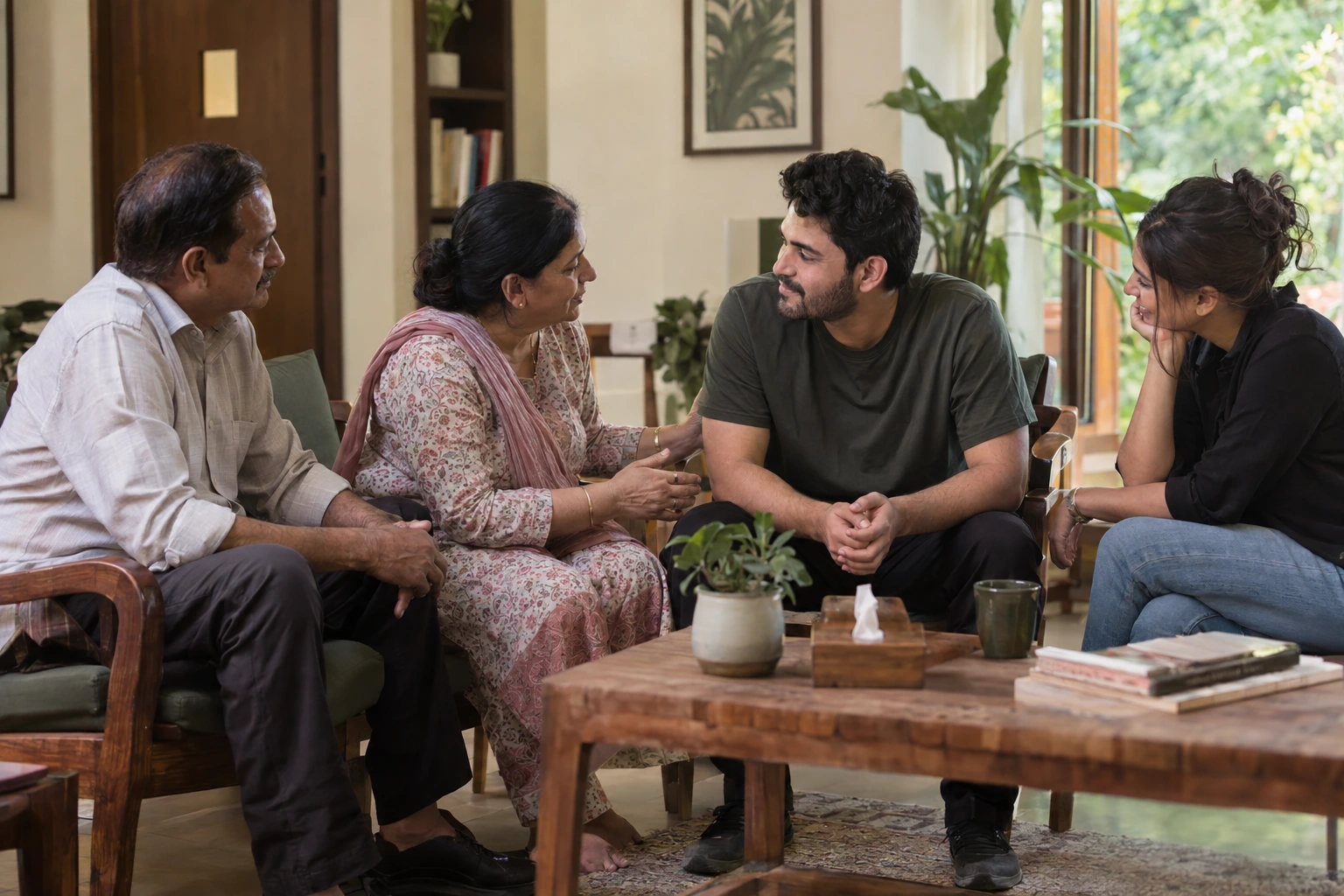
Every substance, one plan
What our rehab centre in Pathankot treats
Men arriving from this district are rarely on one thing only. Chitta nasha with tablets, sharab with bhukki, syrup with charas. We assess the whole pattern and write one treatment plan, because treating the headline substance and ignoring the rest is how a man ends up back here in four months. Each card links to our detailed guide. One assessment, one written plan, one fee, at a nasha mukti kendra in Pathankot whose paperwork you can check yourself.
Chitta nasha, smack and heroin
The crisis that brings most Pathankot families to the phone, and the one your district sits in the middle of. Chitta nasha is adulterated heroin, smoked on foil or injected, and dependence builds within weeks. Detox is medical, supervised and not negotiable at any serious rehabilitation centre. Chitta nasha is the reason most admissions to our nasha mukti kendra in Pathankot happen in the first place.
Sharab and alcohol addiction
The largest and quietest problem here, and the one families wait longest to act on. As an alcohol treatment center we handle sharab dependence as the medical illness it is: sudden withdrawal in a daily drinker can cause fits and delirium, so detox runs under a doctor with monitoring, never on willpower at home. Sharab brings as many men from this district to our nasha mukti kendra in Pathankot as chitta nasha does.
Alcohol addiction treatment Alcohol detox Signs of alcoholism
Bhang, charas and ganja
Usually where it starts, usually dismissed as nothing, and very often still there years later underneath everything else. Charas moves easily on the hill routes into this district. The dependence is mostly psychological and responds to CBT, routine and fitness rather than to a lecture. Bhang and charas are treated inside the same residential programme at our nasha mukti kendra in Pathankot.
Bhang addiction treatment Bhang and charas detox Bhang addiction symptoms
Goliyan, syrups and prescription drugs
Tramadol, alprazolam and codeine syrup, sold across counters where the chemist has known the family for twenty years. These look harmless on a strip and are not: a benzodiazepine stopped abruptly can cause seizures, so the taper is written by a doctor and monitored daily. Goliyan cases are among the most hidden admissions at any rehab centre in Pathankot, and the easiest to miss at home.
Goliyon ka nasha treatment Prescription drug detox Symptoms to watch for
Bhukki, doda and afeem
Still present among drivers, labourers and older men along the highway and the riverine belt, and moving on the same roads as everything else. These are opioids and they need a medically managed taper at a proper de-addiction centre, not a village remedy or a week of willpower. Bhukki and doda cases are admitted to our nasha mukti kendra in Pathankot on the opioid protocol, at no extra charge.
Injecting use and polysubstance
The most urgent cases that reach us: overdose risk, abscesses, collapsed veins, hepatitis B and C and HIV. Detox, screening and onward referral run alongside the same long term psychological work every resident gets, with no separate charge for any of it. Injecting cases are the most urgent work our nasha mukti kendra in Pathankot does in any given month.
ICE, cocaine and party drugs
Smaller numbers than chitta nasha but climbing, and this district has seen cocaine move through it on the inter-state route. The physical withdrawal is mild; the crash, the debt and the depression behind it are not, and all three are treated inside the residential programme. Nothing here needs a separate centre: one nasha mukti kendra in Pathankot, one plan, one monthly figure.
The mind underneath the nasha
Depression, anxiety, old trauma, broken sleep, bipolar illness, OCD. In most men we admit, something like this is already running alongside the substance. A rehabilitation centre that treats the drug while ignoring the mind is why so many admissions collapse in the second month. Dual diagnosis care is the clearest line between a real nasha mukti kendra in Pathankot and a hostel with a gate.
What all of it costs
One figure, all substances, all therapies: Rs 12,500 a month for shared residential care. No surcharge for a harder case, no separate detox package, and no line item that appears once he is admitted and you are in no position to argue about it. Ask every rehab centre in Pathankot for the whole figure in writing, and ask before he travels rather than after.
How to judge us
What makes the best rehabilitation centre in Pathankot for de-addiction?
Every website in this market says "best". None of the words mean anything on their own. Six things actually decide whether a man comes home different, and because we are the next district over you can check all six in person in an afternoon. Run the list on every nasha mukti kendra in Pathankot that calls you back, and run it on us first.
Registration you can read
A certificate under the Mental Healthcare Act 2017 with a serial number, a date and the registered name on it, issued by the authority of the state the building stands in. Punjab suspended the licences of 22 private centres run by a single operator, so this is not a formality. Reading the certificate is the most useful minute you will spend on choosing a nasha mukti kendra in Pathankot.
A doctor who signs the detox chart
Ask for the name and registration number of the doctor who supervises withdrawal, and ask who is on the premises overnight. A compounder, a watchman and a gate are not medical cover, whatever the photographs on the website suggest. Ask who is awake at three in the morning at whichever nasha mukti kendra in Pathankot you are considering.
Psychiatric care, not just detox
Detox clears the body in a fortnight. If nothing is done about the depression, trauma or anxiety sitting underneath, he relapses on schedule. Ask whether a psychiatrist actually reviews residents, and how often. A rehab centre in Pathankot without a psychiatrist on the roll is treating half the illness.
A stay long enough to change something
Fifteen and thirty day admissions are what the market sells because they are easy to sell. Our core programme is 180 days, because that is roughly how long it takes for a new routine to hold without supervision. Six months is why families end up calling ours the best nasha mukti kendra in Pathankot for a case that has already relapsed.
The family treated as part of the case
If the household goes back to exactly what it was, so does he. Parents, wives and brothers need to learn how to support recovery without quietly funding the next relapse, and that is taught, not assumed. Family work is part of the treatment at our nasha mukti kendra in Pathankot, not an extra you pay for separately.
The whole fee, in writing, before admission
One monthly figure, what it covers, and what it does not. A rehab centre that quotes low on the phone and discovers extras in month two has told you everything you need to know about how it will treat you later. Fees in writing is the cheapest test there is of any nasha mukti kendra in Pathankot, and it costs you one message.
Put all six to us on the phone, then put the same six to every other nasha mukti kendra in Pathankot that calls you back, and compare the answers rather than the photographs. Then drive up unannounced and check them in person. Being the next district over means you can do that on a Sunday, which no amount of website copy can match.
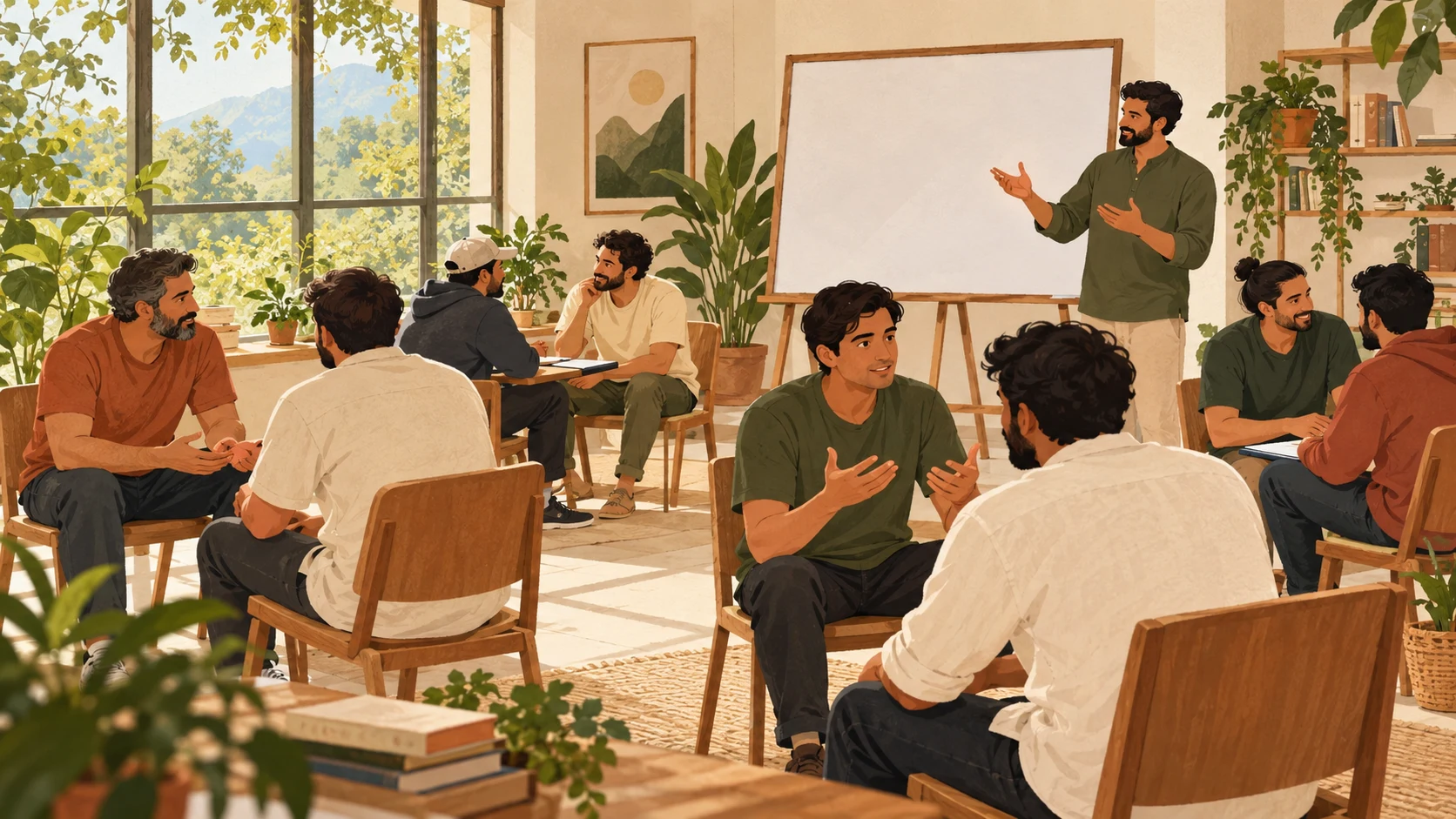
For the two in the morning search
Searching for a rehab near me in Pathankot?
It is almost always after midnight. Rehab near me. Rehab centre near me. Nasha mukti kendra near me. De-addiction centre near me. Alcohol treatment center near me. Best rehabilitation centre near me. Typed into a phone in a dark kitchen while the house sleeps. If that is where you are tonight, here is the plain version. Searching for a nasha mukti kendra in Pathankot near me at that hour is how most of our admissions actually begin.
A rehab centre is only worth ringing if a human being picks up at two in the morning, because that is the hour families finally decide. Ours does. The counsellor who answers will take the history, tell you whether this needs residential treatment at all, and if it does not, say so and point you to the OOAT clinic or the civil hospital in Pathankot instead. A nasha mukti kendra in Pathankot that never mentions the free options is not being straight with you.
The honest caution about near me searches: Pathankot is not a large city, so much of what the map returns is either an outpatient service or a listing for somebody several states away who has bought the keyword. A listing tells you nothing about whether a doctor has ever signed a detox chart in that building. In a state that has just suspended twenty-two private centre licences in one go, proximity is the least useful thing you can sort by. The nearest rehab centre in Pathankot is not automatically the right one, and a map pin proves nothing at all.
On the ground in this district
Chitta nasha, sharab and drugs: what Pathankot is facing
Pathankot is a small district by Punjab standards, around 6.7 lakh people across 929 square kilometres. Its drug problem is not small, and the reason is geography rather than anything about the people who live here. Geography is also why a nasha mukti kendra in Pathankot has to understand three borders rather than one town.
Borders in four directions: Pakistan's Narowal to the west, Kathua in Jammu and Kashmir, Chamba and Kangra in Himachal, and Gurdaspur and Hoshiarpur in Punjab
Heroin seized in a single Pathankot module in October 2026, with Pakistani seal impressions on the packets and clear cross-border linkages established
A-1 grade heroin caught at the Madhopur barrier in a cavity beside a car's oil tank, coming down the highway out of Jammu and Kashmir
Villages across six development blocks, from the Ravi riverine belt to the Shivalik foothills at Dhar Kalan
A district that everything passes through
Pathankot was carved out of Gurdaspur in July 2011 and became Punjab's twenty-second district. It is where Punjab, Himachal Pradesh and Jammu and Kashmir meet, with the international border a short distance to the west. Every road and rail route between the Punjab plains, the Kangra valley and Jammu runs through it. That makes it a trade and transport hub, and it makes it a drug corridor, and those two facts are the same fact. Families here need a nasha mukti kendra in Pathankot that treats what the corridor actually delivers to their door.
In October 2026 Pathankot police arrested two people linked to a cross-border smuggling module and recovered 7.823 kilograms of heroin, 590 grams from the man intercepted and 7.233 kilograms from a rented house. The packets carried seal impressions with Pakistani markings. The case was registered at Police Station Sadar, Pathankot, and the SSP said preliminary investigation had established clear cross-border linkages. The DGP called it a breakthrough under the state campaign. Seizures of that size are why demand at every rehab centre in Pathankot in this belt keeps climbing.
The other direction matters just as much. At the Madhopur barrier, the checkpost where traffic crosses between Punjab and Jammu, police intercepted a car carrying 8.30 kilograms of what they described as A-1 grade heroin, the purest category, concealed in a cavity beside the oil tank, along with five lakh rupees in cash. The men were from Tarn Taran and police said the gang was moving consignments out of Jammu and Kashmir into Punjab. Police in Jammu have separately described the Srinagar to Pathankot national highway as a major route for inter-state drug smuggling, with most of the large heroin recoveries happening along it. Men caught up in that trade reach our nasha mukti kendra in Pathankot every month, usually after a court date.
What a corridor district means for a family here
It means availability is not a local failing that a local crackdown can fix. Consignments of several kilograms are moving through, which implies a retail network underneath them, and a young man in Pathankot city or in a village off the highway can find chitta nasha the same day he decides to. The supply does not depend on anyone in his mohalla being wicked. It depends on where the roads go. What a family can change is whether he is inside a nasha mukti kendra in Pathankot that treats him properly.
Which leaves families with exactly one thing they can actually control: whether the man in their house gets real treatment. Not a fortnight somewhere and a promise, but medically supervised detox, treatment for whatever is sitting underneath, a stay long enough for a new routine to hold, and distance from the circle that currently supplies him. That is what a residential rehab centre in Pathankot reach is actually for.
And the older problems are still here
Across Punjab in seventeen months of the Yudh Nashian Virudh campaign, police registered 54,916 NDPS FIRs, arrested over 75,000 people and seized 3,472 kg of heroin, 871 kg of opium, 425 quintals of poppy husk and more than 60 lakh intoxicant pills. In a district like this that translates into three overlapping problems in the same household: an older man on bhukki or country liquor, a father on sharab every evening, and a son on chitta nasha who started on charas. A de-addiction centre that can only treat one of those three is not much use to a family like that. One household, three problems, one nasha mukti kendra in Pathankot that can handle all of them at once.
The part nobody writes about
The three-state corridor, and why it cuts both ways
Pathankot is the only district in Punjab that touches Himachal, Jammu and Kashmir and Pakistan. That shapes the nasha problem here in ways a generic rehab centre page written in another state will never mention, and it is also the reason we know this belt properly. A nasha mukti kendra in Pathankot that treats men from both sides of your boundary is not guessing about your situation.
Where Pathankot sits
Punjab, Himachal and Jammu and Kashmir meet here, with the international border to the west. Four boundaries, one district, and every route between the plains, the hills and Jammu passing through it. You are already at the gateway, which makes the run to our nasha mukti kendra in Pathankot shorter than most families expect.
Narowal, Pakistan • Kathua, J&K • Chamba & Kangra, HP • Gurdaspur & Hoshiarpur, Punjab
The highway out of Jammu
The Srinagar to Pathankot national highway has been described by police as a major route for inter-state drug smuggling, with most of the significant heroin recoveries made along it. The Madhopur barrier is where a lot of it is caught, including the 8.30 kg concealed beside a car's oil tank. What is caught is not what gets through. That is the honest case for a residential nasha mukti kendra in Pathankot rather than another month of hoping.
The border to the west
The October 2026 module recovered 7.823 kg with Pakistani seal impressions still on the packets. Across Punjab, the Narcotics Control Bureau recorded 298 drone-based trafficking cases in 2025 alone against three in 2021. The supply side is not a local phenomenon and it is not going to be solved locally. Treatment is the part a family controls, and it is what a nasha mukti kendra in Pathankot is actually for.
And onward into Himachal
The Kangra side of your boundary, around Nurpur, Damtal and Indora, is a documented hotspot where heroin arrives from Punjab and Jammu. Those five police stations registered 62 NDPS cases in a single year, with Damtal alone accounting for 33. Himachal created a separate police district at Nurpur to deal with it. We take admissions from both sides of that line at our nasha mukti kendra in Pathankot, which is unusual and useful.
A transit town's economy
Freight, tourism, railway traffic, the cantonment and a steady flow of people who do not live here. Cash moves, faces change, and a young man working in that economy has money in hand and nobody tracking his week. It is the same pattern every junction town in India has, and it is rarely named out loud. Transit town patterns show up often in the men admitted to our nasha mukti kendra in Pathankot.
Two very different halves
Pathankot block holds around 1.66 lakh people in and around the city. Dhar Kalan and Narot Jaimal Singh are hill and riverine blocks with 116 and 139 villages spread thin. A city family and a Dhar Kalan family are in the same district and in two different situations, and the treatment plan has to know that. A city case and a Dhar Kalan case get different plans at the same nasha mukti kendra in Pathankot.
What it means for your choice
A rehab centre that understands this corridor is one that treats men from both sides of it. We take admissions from Pathankot and from Nurpur, Damtal and Indora across the boundary, which means our counsellors already know the supply route, the seasonal pattern and the particular way families here try to handle it privately for a year or two first. Those silent years are the most expensive part of the story, and why families ring a nasha mukti kendra in Pathankot so late.
Why we are telling you all this. Not to frighten you, and not to suggest Pathankot is worse than anywhere else, because it is not. We are telling you because families here keep arriving at the phone believing their son is the only one and that it is somebody else's problem that has wandered in. Neither is true, and the longer a family waits for it to pass on its own, the more it costs them. Ring and describe what you have actually seen at home. One call to our nasha mukti kendra in Pathankot is enough to find out whether this needs a residential stay at all.
Talk to a counsellor: +91 62304 15581Every block, town and village
All of Pathankot: who we treat and what we see
Two sub-divisions, two sub-tehsils and six development blocks holding 532 villages between them. Men reach us from all of them, and the pattern genuinely differs between the city, the highway belt and the hills. Whichever block you are in, the nasha mukti kendra in Pathankot families choose takes admissions from it.
Pathankot city and block
The district headquarters and by far the largest population block, around 1.66 lakh people across 61 villages plus the city itself. The railway junction, the bus stand, the cantonment area, Dalhousie Road and the colonies around them. Chitta nasha, goliyan and sharab, with the strongest reluctance anywhere in the district to be seen getting help locally. Privacy is why many city families pick a nasha mukti kendra in Pathankot outside the district rather than the service down the road.
Sujanpur and Mirthal
Sujanpur town, Mirthal, Jugial and the Beas side villages across 93 villages in the block. Highway traffic, transport work and the police station where the Madhopur barrier case was registered. A belt where young men work away and come back with habits the family had no way of watching develop. Men from this belt make up a steady share of admissions at our nasha mukti kendra in Pathankot.
Narot Jaimal Singh
The largest block by village count at 139, running out towards the Ravi and the Gurdaspur boundary. Agricultural, scattered, and a long way from any psychiatric service. Bhukki, doda and sharab run alongside chitta nasha here more than in the city. Rural cases need a rehab centre in Pathankot that still treats bhukki and doda properly, not just chitta nasha.
Dhar Kalan and Dunera
The hill sub-division, 116 villages pressed up against Chamba and Kangra, including Dunera and Taragarh. The remotest part of the district, with the longest journey to any de-addiction service and the least treatment within reach. Our centre is the nearest registered residential option to much of it. For Dhar Kalan families our nasha mukti kendra in Pathankot is simply the closest real choice available.
Bamial and the border belt
The smallest block, 25 villages right against the international border. Small, watched, and sitting directly on the supply side of the problem. Families here are often the most reluctant to speak to anybody locally, which is precisely why a centre outside the district works for them. Confidentiality is not a luxury at a nasha mukti kendra in Pathankot, it is what makes treatment possible at all.
Gharota and Madhopur
98 villages between the city and the Jammu boundary, taking in Madhopur, the headworks and the barrier. The crossing point in both directions, and the part of Pathankot that sees inter-state traffic at closest range. Gharota and Madhopur families reach our nasha mukti kendra in Pathankot quickly on the Nurpur road.
Families also reach us from across all three boundaries. See our pages for the rehab centre in Nurpur, our nasha mukti kendra in Kangra, the nasha mukti kendra in Jwalamukhi, the rehab centre in Dharamshala, the nasha mukti kendra in Hoshiarpur and our Punjab state page.
Five minutes that protect your family
Is your nasha mukti kendra in Pathankot registered? How to check
Pathankot families get called by centres from Punjab, Himachal, Jammu and Haryana, because the district touches all of them. One document separates a real rehabilitation centre from a rented building with a gate, and you are legally entitled to see it. Five minutes with a certificate tells you more about a nasha mukti kendra in Pathankot than an hour of photographs will.
The law is not vague
Under Section 65 of the Mental Healthcare Act 2017, no mental health establishment may run without registration with the State Mental Health Authority. A de-addiction centre is a mental health establishment. There is no exemption for a trust, a society, an ashram, a hostel or a farmhouse, and ours is a trust. Being a trust is a reason to check this nasha mukti kendra in Pathankot more carefully, not less.
What provisional registration means
Section 66 allows provisional registration, valid for twelve months and renewable, while the authority inspects and verifies. The authority grants it formally and it comes as a printed certificate: a serial number, a date of issue, and the registered name of the establishment on the face of it. If a rehab centre in Pathankot cannot produce that paper, there is nothing further to discuss.
What is not registration
A trust deed. A society number. A GST or Udyam certificate. A shop licence. A photograph of a minister at an opening. An ISO sticker. Not one of those is registration under the Mental Healthcare Act, and not one tells you whether a doctor has ever signed a detox chart in that building. Those are the documents a weak nasha mukti kendra in Pathankot will show you instead of the one that matters.
The state has to match, and here that matters most
This is the question that catches Pathankot families more than anywhere else, because you are called from four jurisdictions. A Punjab certificate covers a Punjab building. A Himachal certificate covers a Himachal building. Ask which authority issued it, then check the authority against the address on the letterhead. It is the commonest way a family picking a nasha mukti kendra in Pathankot gets caught out.
Ask the three follow-ups
Who is the doctor who supervises detox, and what is his registration number. Who is on the premises between midnight and six. And will you put the whole monthly fee, and what it covers, on paper before admission. Three questions, one call, and most of the bad options eliminate themselves. Twenty minutes on the phone narrows a long list down to the two or three worth visiting.
Ours, so you can check it
Provisional Registration Sr. No. 193, issued by the HP State Mental Health Authority, Shimla, under Sections 66(4) and 66(11) of the Mental Healthcare Act 2017, dated 14/05/2026. Eshan Charitable Trust, Regd. No. 2025/19/IV/123, Book No. IV, Vol. 4067, Sub-Registrar-I, Kashmere Gate, Delhi. Both hang on the wall and can be inspected when you visit.
Do this check on us as rigorously as you do it on anybody else, and do it before money changes hands rather than after. Being the next district over makes it easy: drive up without an appointment, walk through the building, read the certificate yourself and talk to the counsellors. We would rather lose an admission to a visit than win one on a photograph. That is the standard we would want applied to any nasha mukti kendra in Pathankot our own family was considering.
The journey
The 180-day programme at our rehab centre in Pathankot reach
Every man admitted moves through the same eight stages, and every stage is inside the same monthly fee. The pace is his, the structure is not.
Admission and assessment
A confidential medical and psychiatric assessment covering his substance history, physical health, mental health and the situation at home, followed by a treatment plan written for him rather than pulled off a shelf. It starts with one phone call from Pathankot. Admission to our nasha mukti kendra in Pathankot can be arranged the same day, including on a Sunday.
Medically supervised detox
Withdrawal from chitta nasha, sharab, goliyan or street buprenorphine handled with the right medication, vitals monitored on a schedule and nursing cover through the night. Read the chitta withdrawal timeline before you admit him.
Psychiatric and psychological therapy
Individual sessions and CBT with our consultant psychiatrist and psychologist, aimed at the depression, anxiety, anger or trauma that is almost always sitting underneath the nasha and that nobody has treated yet. Treating that properly is part of what the fee at our nasha mukti kendra in Pathankot actually pays for.
12-step programme and group therapy
Group meetings every day, where men stop performing for their families and start telling each other the truth. Most residents say this, not the medicine, is what changed their mind. Group work is daily at our nasha mukti kendra in Pathankot and it is included, not billed as a session.
Yoga, meditation and fitness
The morning opens with yoga and breathwork in the open air, with the Dhauladhar in front of it. Sport, exercise and fixed meals rebuild a body that chitta nasha or sharab has quietly stripped down over years. Rebuilding the body is part of what Rs 12,500 a month at our nasha mukti kendra in Pathankot covers.
Family counselling
Parents, wives and brothers sit down and learn what dependence actually is, why trust comes back in stages, and how to support him without the small daily payments that have been funding the nasha. Because Pathankot is the next district over, we run these in person wherever we can. No rehab centre in Pathankot should be charging a family separately for sitting down with them.
Relapse prevention
Before discharge he writes the plan himself: his triggers, his early warning signs, the three people he rings, and what his first thirty days back in Pathankot look like, hour by hour. That written plan is what a nasha mukti kendra in Pathankot hands over instead of a promise.
Aftercare and follow-up
Discharge is not the end of the file. Scheduled follow-up calls, review check-ins, continued guidance for the family through the fragile first months, and a helpline that stays open to him and to you, at no further charge. Aftercare is the stage almost no listing for a rehab centre in Pathankot ever mentions.
A shorter stay is possible and, because fees are monthly, one or two months costs one or two months. The honest version: thirty days can get a man detoxed, fed, sleeping and physically steady, which is worth a great deal and is sometimes all a family can manage. It will not usually undo four years of chitta nasha or twenty years of sharab. A rehabilitation centre that lets a man walk out after ten days is not doing him a kindness, and the men who return to us for a second admission are nearly always the ones who left early. Aftercare is where a nasha mukti kendra in Pathankot either earns its fee or quietly does not.
Life here
A day at the centre
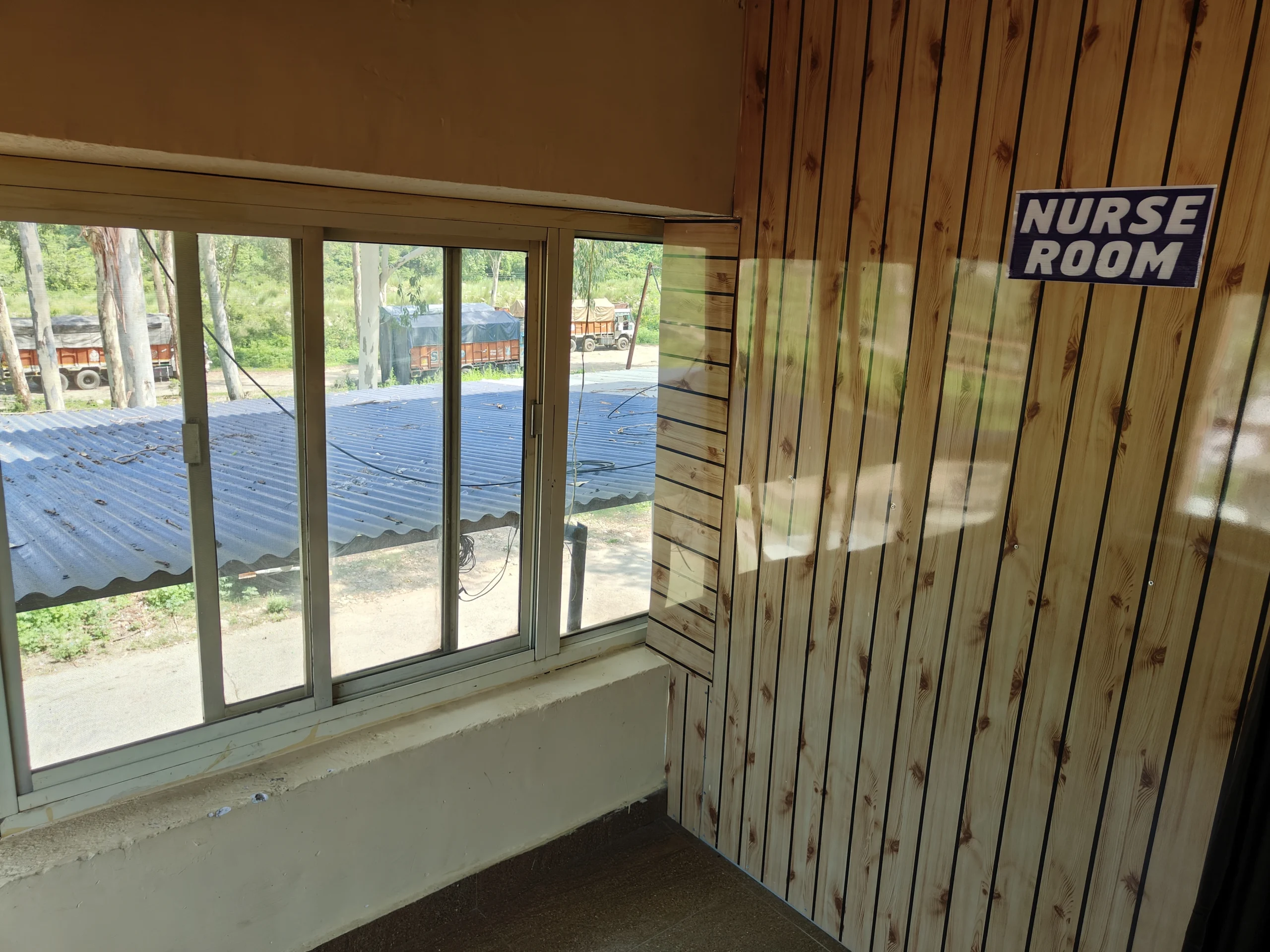
Structure is part of the medicine. Nothing in the day moves around, because empty hours are where craving lives. Any rehab centre in Pathankot you are considering should hand you its timetable, hour by hour, before you admit him. Any rehab centre in Pathankot that cannot hand you this timetable has not built one.
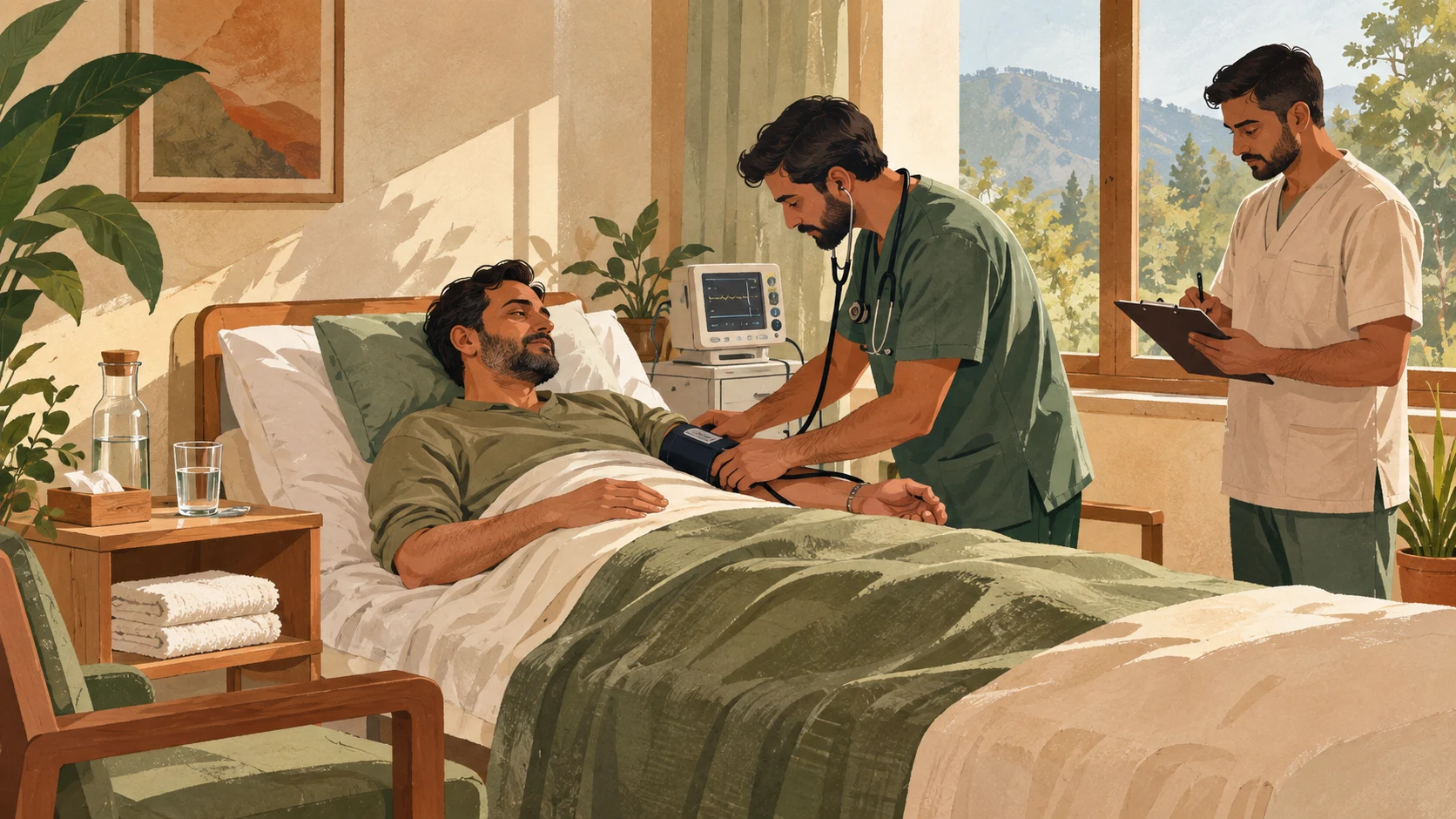
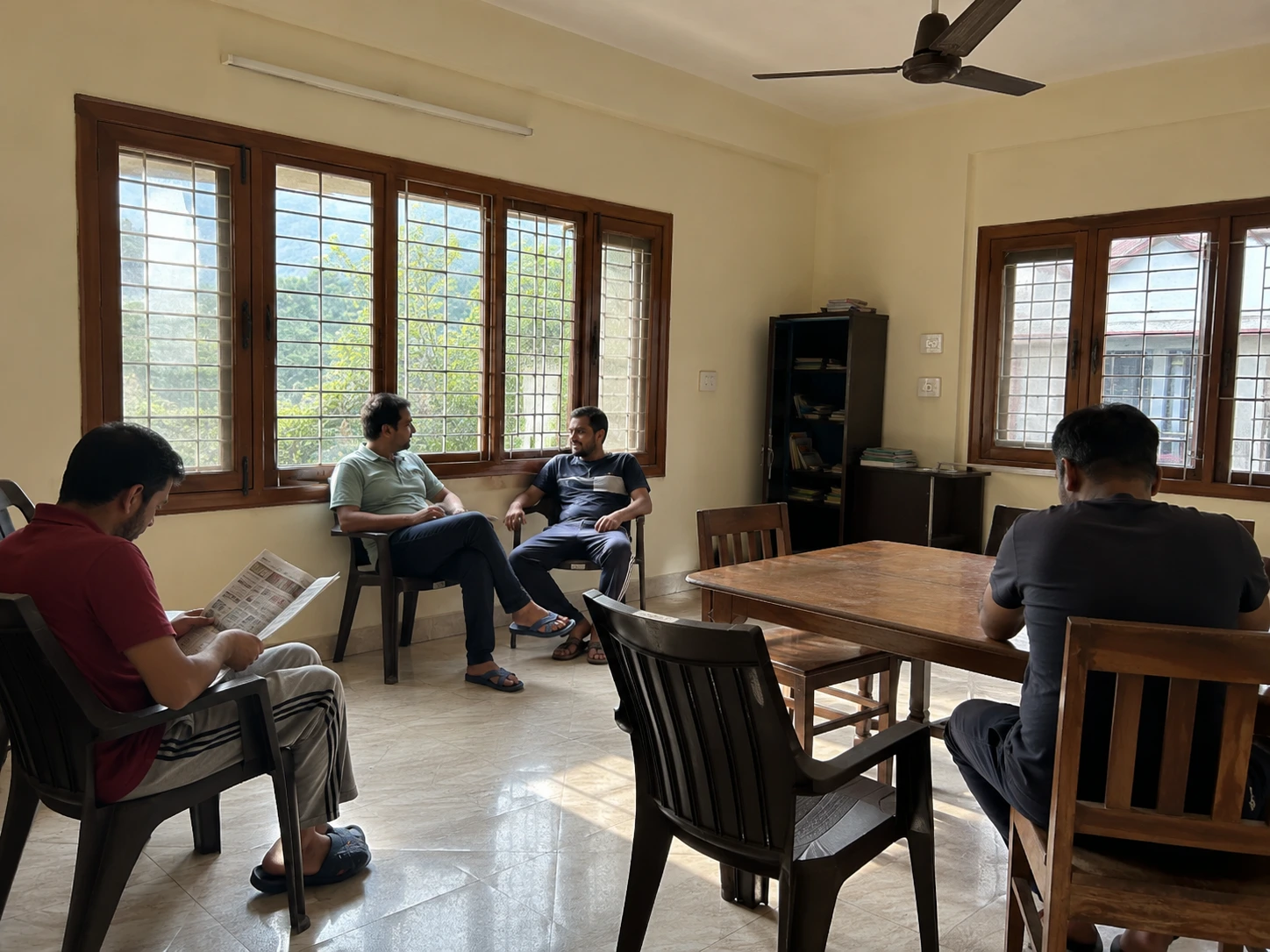
Morning
Early wake up, yoga and meditation on the lawn, breakfast, then group therapy and one to one counselling, with the doctor's round and medication at fixed times.
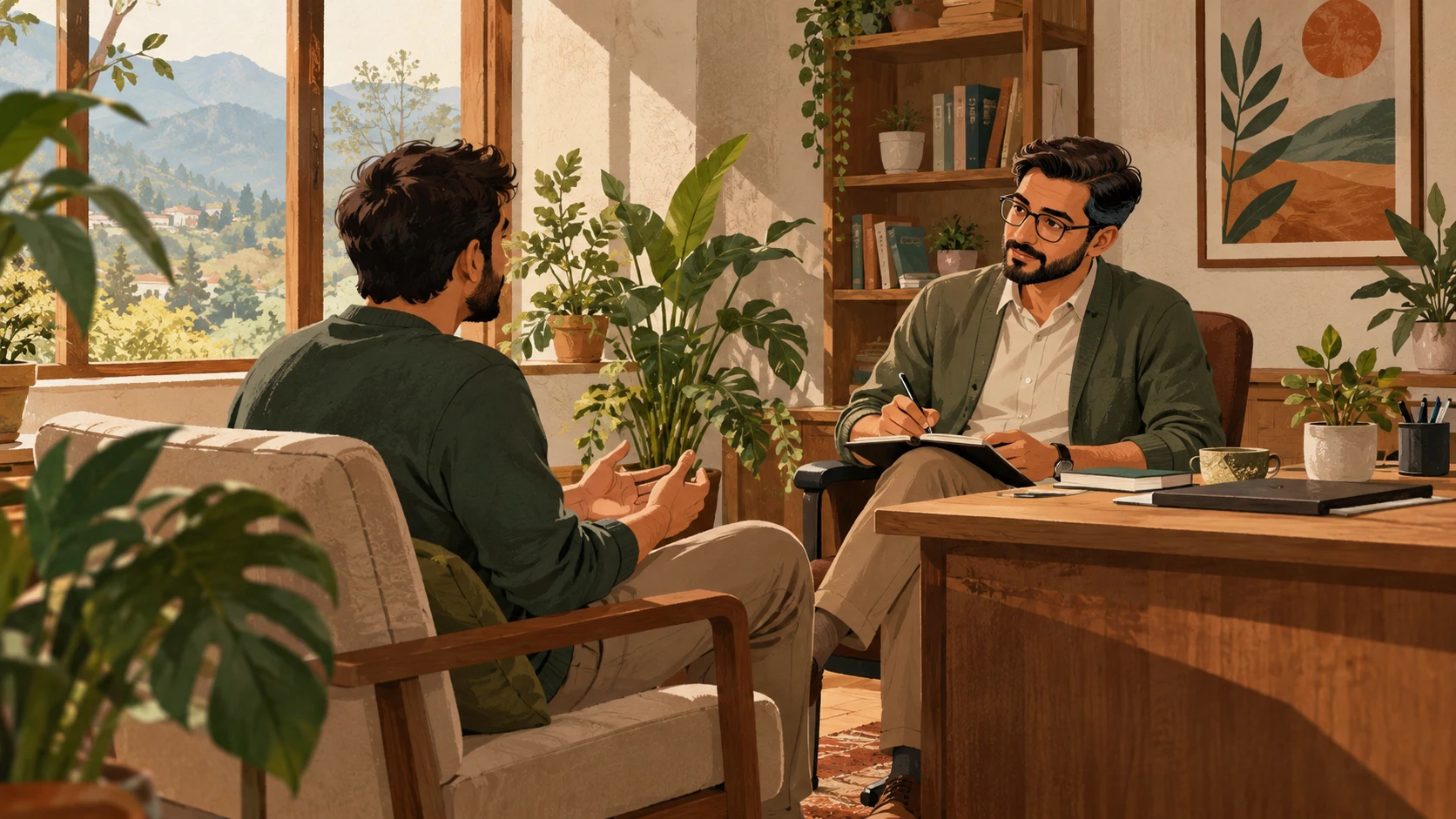
Afternoon
Rest, reading, vocational and skill work, fitness and games. Psychiatric reviews and scheduled family calls sit here, and new admissions settle in.
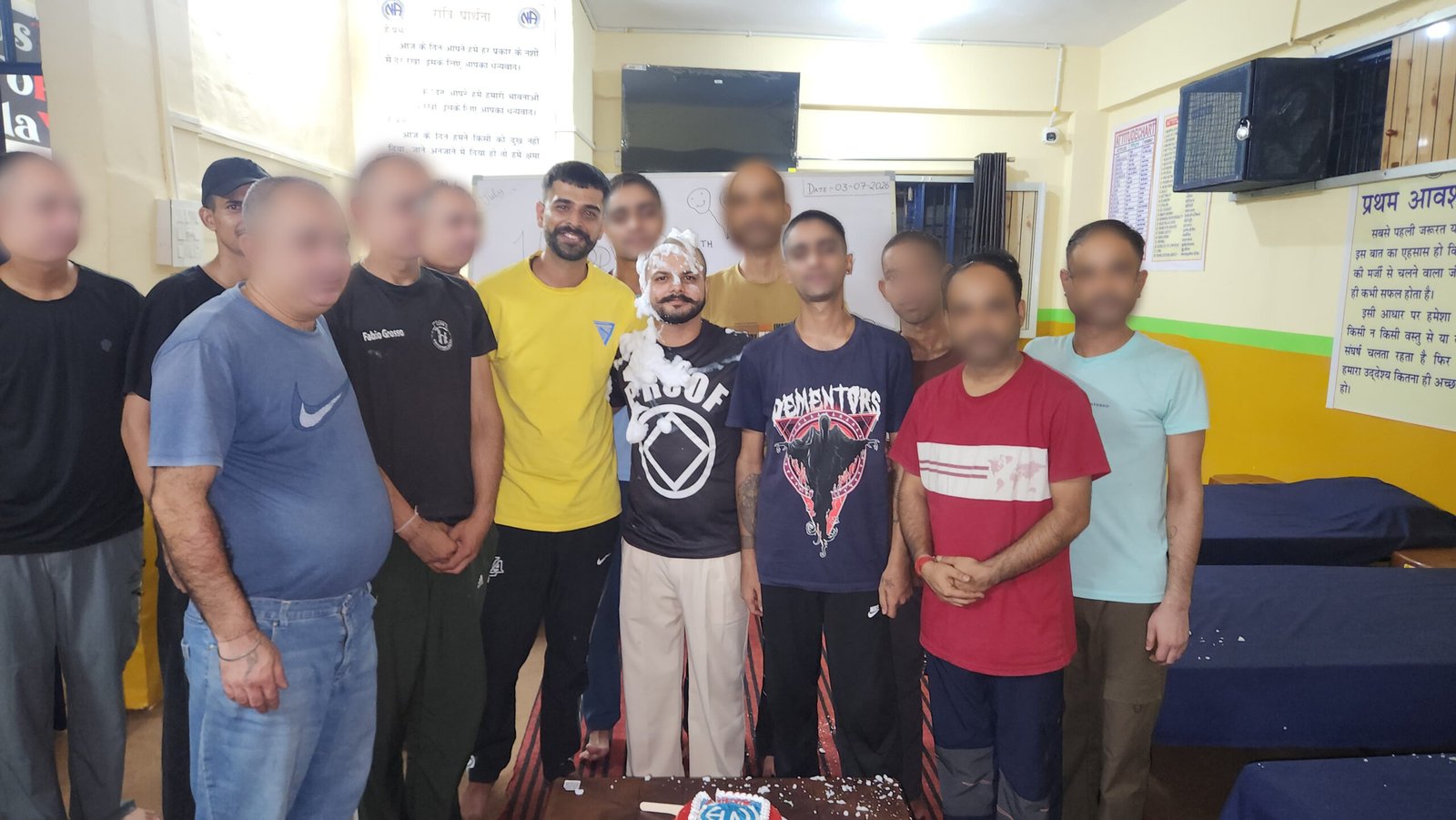
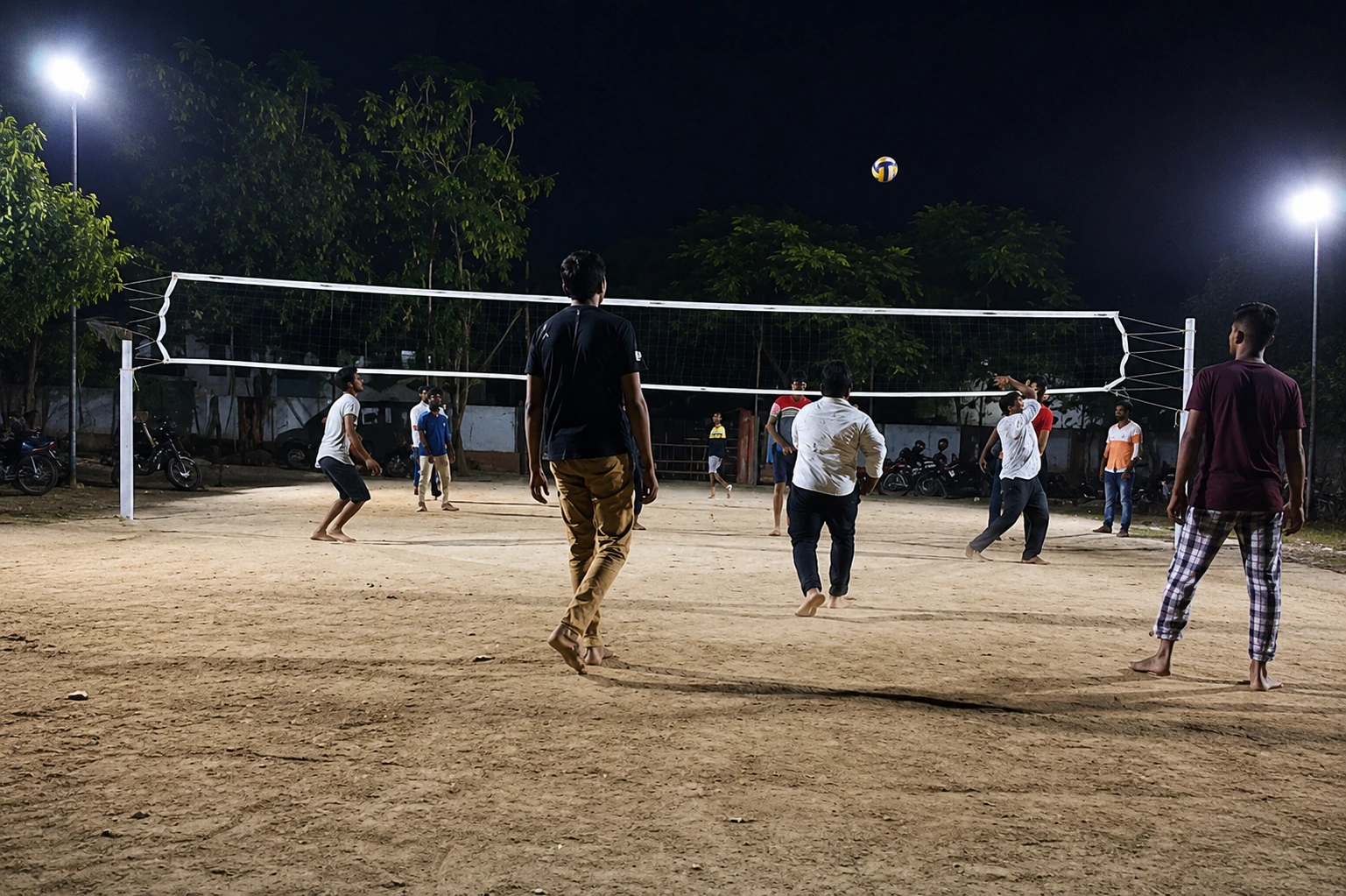
Evening
Sport, a 12 step meeting, reflection and a written daily log, with fixed meal and sleep times. Lights out at the same hour every night, Sundays included.
Admission
Admission from Pathankot: first day, visits and calls
These are the six questions every Pathankot family asks on the first call, answered plainly so you know what you are walking into before you pick a rehab centre in Pathankot or anywhere else.
When he refuses help
Refusal is a symptom of the illness, not evidence that treatment will fail. Nearly every man here said no first. Our counsellors will rehearse the conversation with you, help you draw boundaries and stop the small daily payments that quietly keep the nasha funded. We will also tell you the truth about supported admission under the Mental Healthcare Act 2017: what it allows, what it does not, and why it is narrower than people assume. What we will never do is offer to send men round to bring him in, which is the standard pitch of a centre with no registration to lose.
What to bring
His Aadhaar or any government photo ID, a photo ID for whoever signs the admission papers, and any old prescriptions, discharge summaries, OOAT cards or test reports you have kept. Clothes for the season, and warm ones from October. Mention fits, liver disease, TB, hepatitis, diabetes, heart trouble or psychiatric medicine at the assessment, because each one changes the detox plan the doctor writes.
The first day and first week
Medical and psychiatric assessment, vitals, a written plan, and detox beginning the same day where it is needed. The first week is the hardest one: broken sleep, body pain, irritability and a man who wants to go home. Nursing runs round the clock and the doctor reviews daily. Most men find the routine somewhere in the second week.
Visits and phone calls
Both get written into the plan, usually once stabilisation is behind him. A call placed in the thick of withdrawal turns into begging on his side and bargaining on yours, and it typically sets him back about seven days. After that, Pathankot families can come for proper scheduled visits and be home the same evening, with family counselling built around them rather than squeezed onto a phone line.
Food and daily care
Simple, fresh, nutritious vegetarian food from our own kitchen on a fixed timetable, because years of chitta nasha or sharab leave the body badly depleted. Residents on the B Caring and A Caring plans get an upgraded diet. Any medical dietary need, for diabetes or liver disease, is managed on the doctor's instruction.
After discharge, and if he slips
He leaves with a written relapse prevention plan and scheduled follow-ups, and we talk through how he links up with local support once he is home, including the OOAT clinic and the civil hospital in Pathankot. If he slips, tell us early. A slip caught in the first week is a conversation. A slip hidden for a month is usually a readmission.
Fees and accommodation
Rehab centre fees for Pathankot families, stated in full
The clinical treatment is identical in every plan. Every resident sees the same doctors, sits in the same therapy, follows the same routine and gets the same round the clock nursing. What changes between plans is where he sleeps and what he eats, and nothing else.
Shared Residential Care
A place in our shared residential quarters with meals from the trust kitchen. Medical detox, doctor and psychiatrist reviews, individual counselling, group therapy, the 12 step programme, yoga, fitness, family counselling and every activity at the centre are all included in this figure.
Deluxe room, twin sharing
A deluxe room shared with one other resident, with an upgraded diet. More quiet, and more space to rest between sessions. The clinical programme is exactly the same.
Private room, single occupancy
A private room for one with an upgraded diet. The most personal space we offer, for men who need to keep work or family matters entirely their own. The clinical programme is exactly the same.
Medically supervised detox
Charged once, whichever plan you choose. It covers detox medication, monitoring of vitals and round the clock nursing through withdrawal, under our psychiatrist's supervision. This is the only addition to the monthly figure, and you are told about it before you travel.
Every plan includes
- Accommodation and all meals
- All prescribed medication
- Doctor and psychiatrist reviews
- Individual counselling and group therapy
- Yoga, fitness and every activity at the centre
- Family counselling and aftercare follow-ups
Why the figure is what it is
Because Eshan Charitable Trust has no profitability model. There are no shareholders, no investors and no owner taking a margin, so Rs 12,500 is set against what it actually costs to house a man, feed him three times a day, pay the nurses who sit with him through withdrawal and fund the doctor, psychiatrist, psychologist and counsellor hours his treatment needs. A rehab centre that has to return a profit to somebody has to charge for that as well.
We are not claiming to be the least expensive option available to you, because the government de-addiction services and the OOAT clinics are free or nearly free and we will tell you to use them when they fit. What we will say is this: hold our figure next to any other registered residential rehabilitation centre with a psychiatrist on the roll, a 180 day programme, family counselling and aftercare all included, then compare what each one puts in writing. That is the comparison we are comfortable with.
If cost is genuinely the barrier, say so on the first call. As a charitable trust we would rather have that conversation than have you stay away, and we will walk you through the free options in Pathankot either way.
Anything outside the plan, such as an outside hospital referral, a specialist investigation or transport, is discussed with the family before it is spent. There are no charges added after admission. We have also published an open account of what rehab centres actually cost, including the free government route, so you can compare without ringing fifteen numbers.
Speak to admissions about fees: +91 62304 15581Free and government care
Government options for Pathankot families, honestly compared
There is real public provision within reach, and we are not going to pretend otherwise in order to win an admission. Here is what you can actually use, what it does well, and the point at which a residential rehab centre in Pathankot reach becomes the better call.
OOAT clinics and the civil hospital
Punjab runs around 565 Outpatient Opioid Assisted Treatment clinics statewide, with daily footfall up from roughly one lakh to one and a half lakh since March 2025. Medicine is free or nearly free and there is provision within reach of Pathankot. For a man who wants to stop, is still working and can attend regularly, this holds a great many people steady without ever needing a private bed.
Government de-addiction centres and methadone
Punjab has roughly 36 government de-addiction centres and 19 government rehabilitation centres, with beds raised from about 2,000 to 5,000, and admissions up from 9,577 in 2024 to 25,290 in 2025. Methadone Maintenance Therapy clinics now run at the district hospital in neighbouring Gurdaspur and at the government medical colleges in Patiala, Mohali and Faridkot.
Section 64A, and the helplines
Under Section 64A of the NDPS Act, a person charged with consumption or small quantity possession who volunteers for treatment can be granted immunity instead of prosecution, and more than 10,650 people in Punjab have taken that route. The national de-addiction helpline is 14446, Tele MANAS is 14416 and the MANAS helpline is 1933. See also Nasha Mukt Bharat Abhiyaan and the official Pathankot district website.
Where the government route works, and where it does not
Where a man genuinely wants to stop, still has his job, and can reach a clinic reliably and come home again, it does the job and it costs him practically nothing. If that is your situation, start there and keep your money. We will say so on the phone, and if he has an NDPS case pending for consumption or a small quantity, we will point you at Section 64A as well.
It struggles when the same man has relapsed repeatedly, is dealing to fund his own use, has a psychiatric illness nobody has treated, or lives a few minutes from the person who supplies him, which in a district this size is most of them. A day clinic cannot give him six months of structure, daily group work, family counselling and real distance from that circle. That is the point at which Pathankot families start looking at a residential rehabilitation centre, and that is the work we do.
Our team and trustees
The people Pathankot families will meet
You are handing over somebody you love. You should know exactly who will be with him every day for six months. Staff are the real test of any top rehabilitation centre, far more than photographs of a building, and because we are the next district over you can come and meet every one of them before you decide anything.

Dr. Devasheesh Sharma
Consultant Psychiatrist
MBBS, DNB (Psychiatry)
HPMC Reg. No. 5263
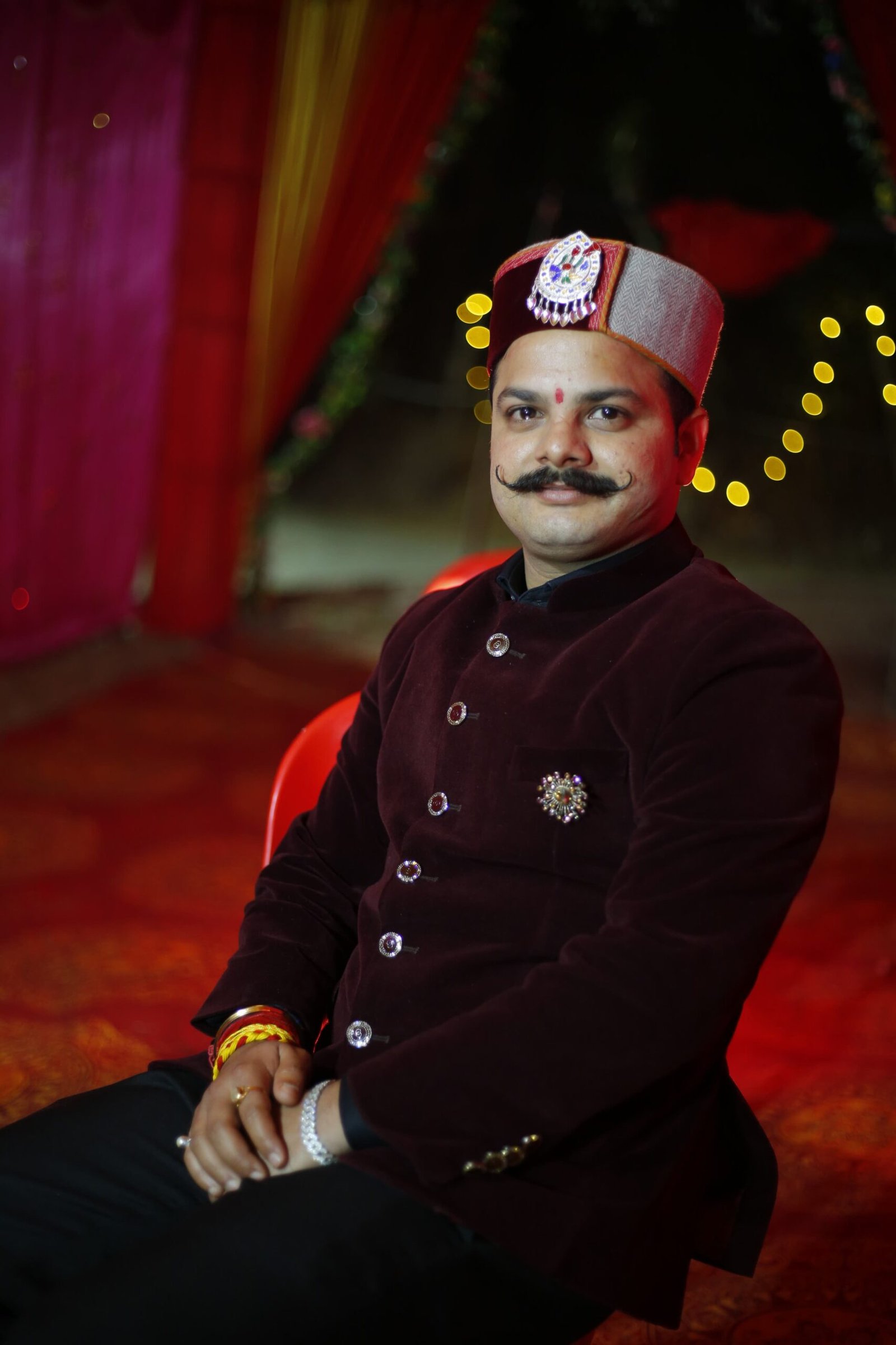
Eshan Pathania
Founder & Managing Trustee
Five years in recovery himself, and involved in running the centre every day
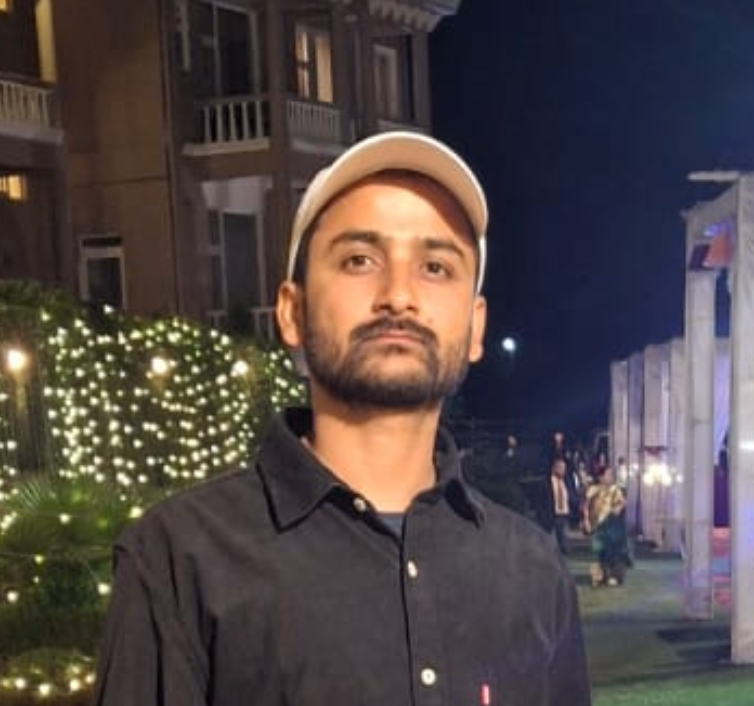
Pankaj Guleria
Vocational Trainer
Skill development and daily vocational work
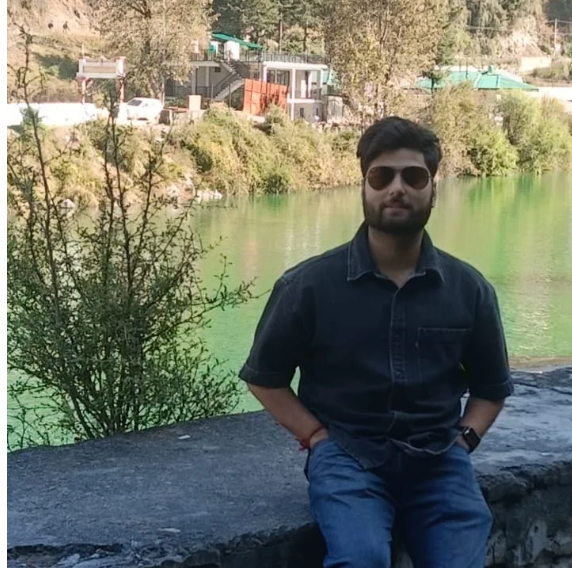
Rakshit Sharma
D. Pharma
Medical support and medication management
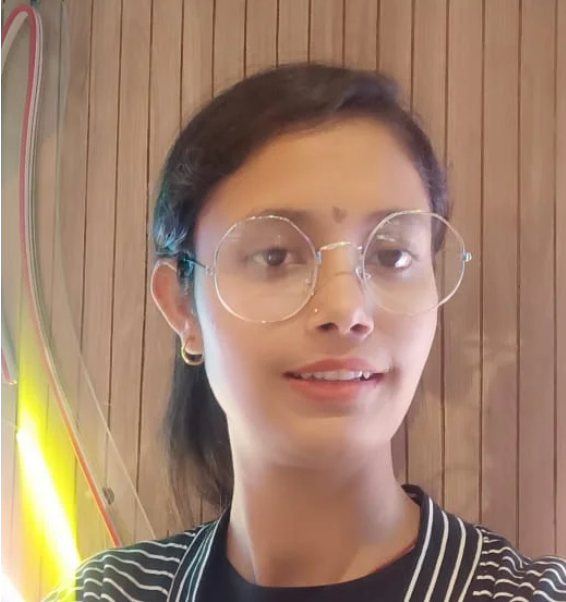
Vanshika
Psychologist
Group therapy and relapse prevention
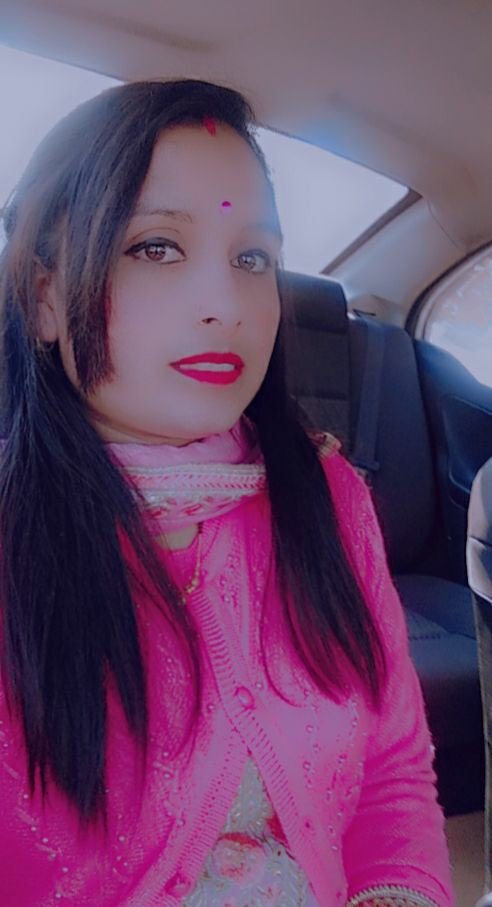
Shivani Rana
MSW Counsellor
Individual counselling and family support
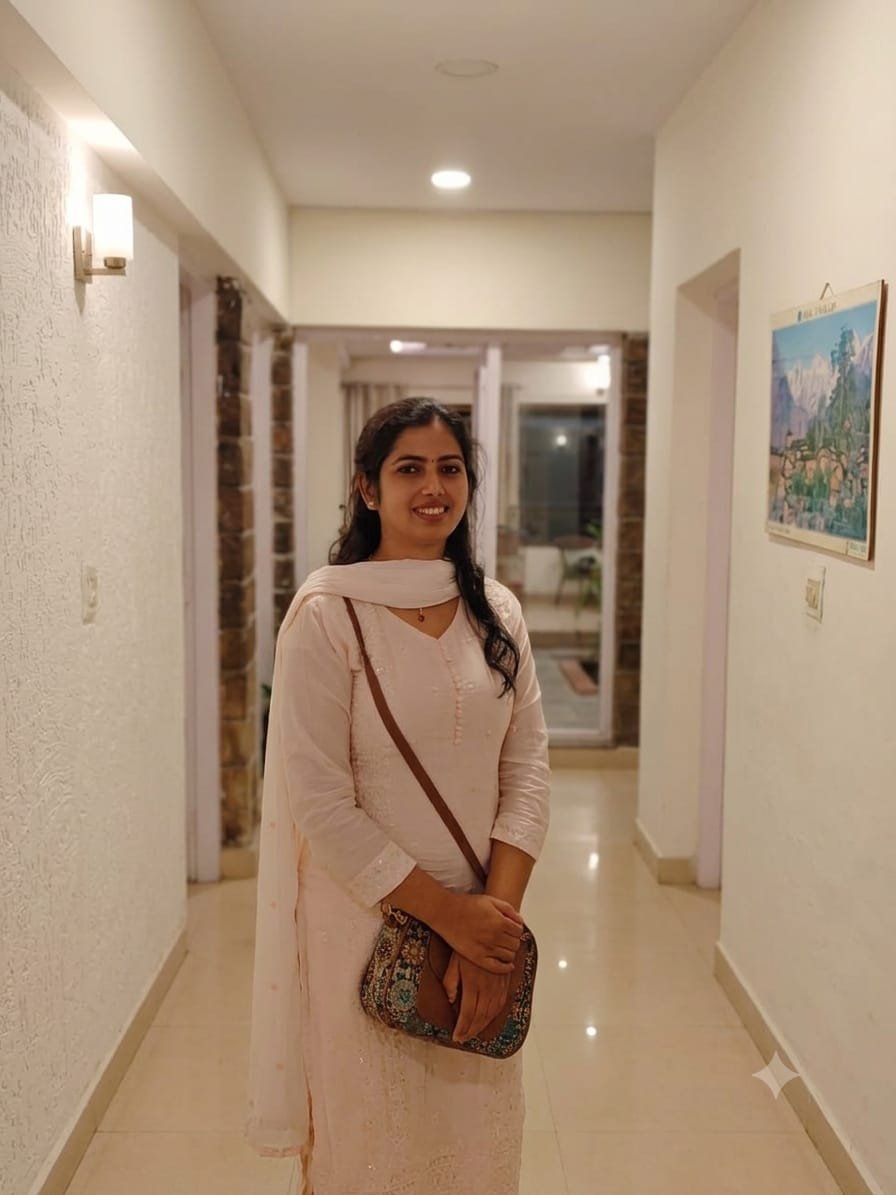
Counsellor
MSW Counsellor
12 step programme and emotional support
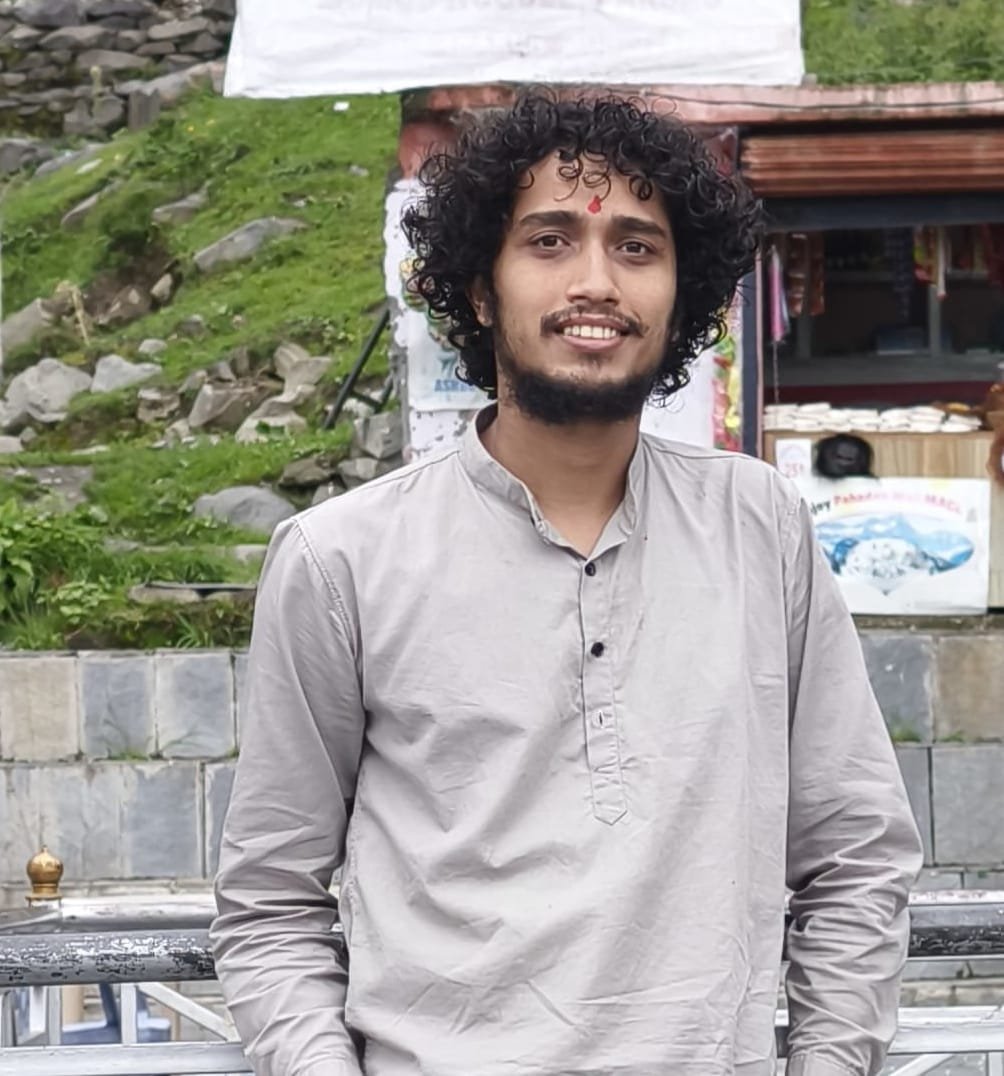
Abhishek
Yoga & Wellness Instructor
Daily morning practice and breathwork
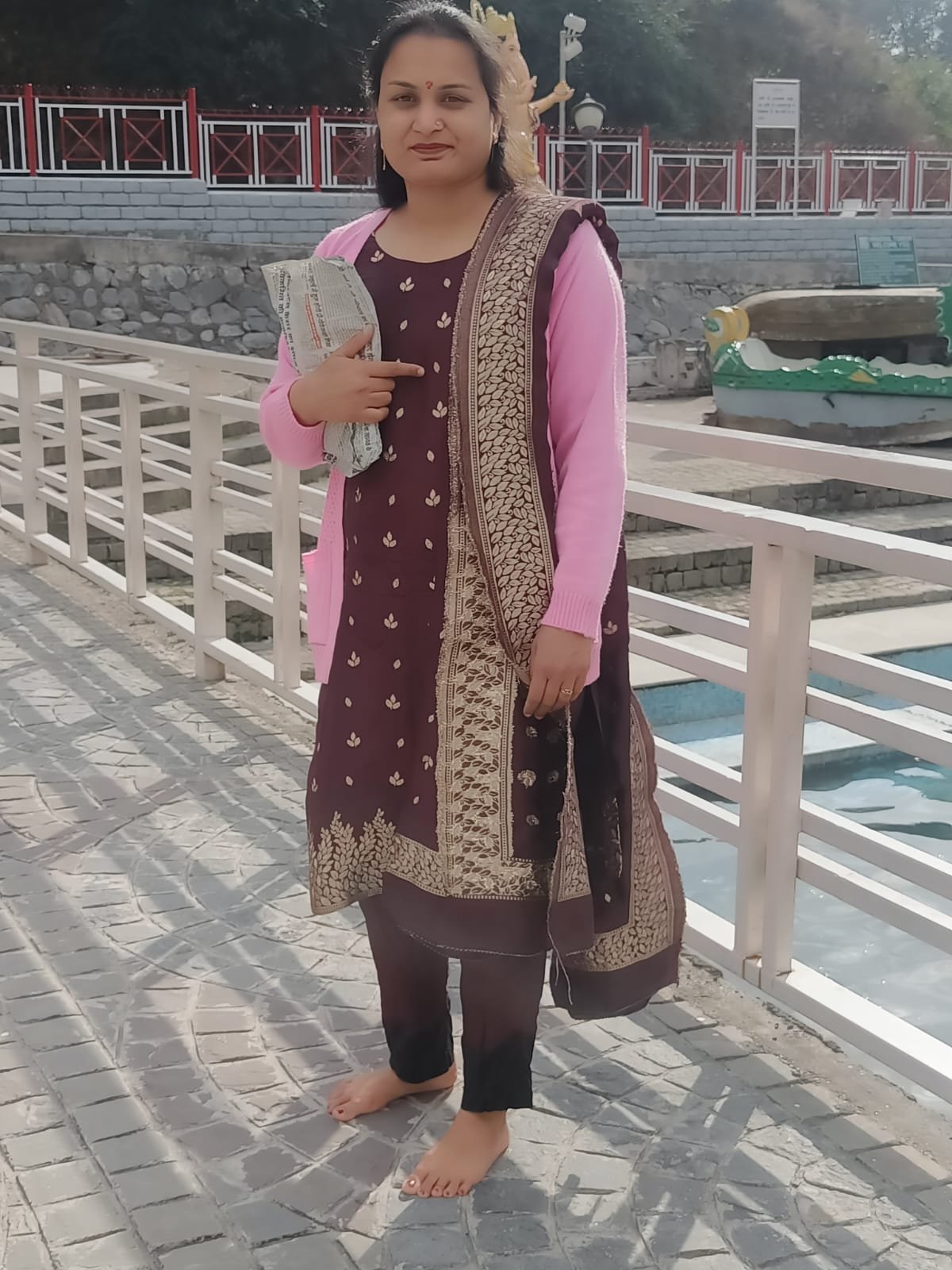
Kheema
Staff Nurse
Round the clock nursing care
Voices of recovery
Men who walked out of here with their lives back
Shared with permission by men who completed the residential programme. Pathankot families ask us constantly whether a rehab centre actually works for anybody, after everything they have already tried. These three men are the honest answer we have.
I had written myself off long before I reached this nasha mukti kendra. Nobody shouted at me and nobody locked me in a room. They treated me like a man worth saving, and after 180 days I walked out with my life back in my own hands.
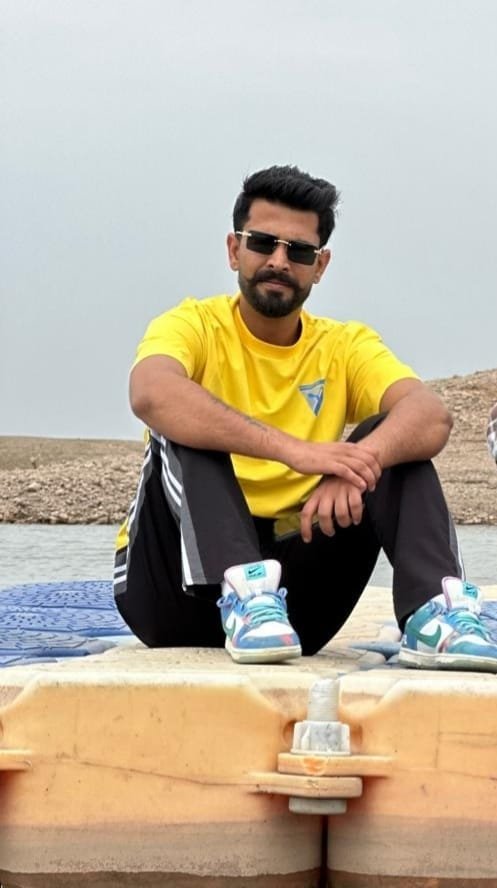 DinkarCompleted the 180-day programme
This is real medical care, not punishment, and that is the whole difference between here and the places I had been before. The counselling made me face things I had been running from for years. I left with a plan written down, and I still follow it every morning.
 FarhanCompleted the 180-day programme
Yoga at six with the mountains in front of us, the group meetings, and staff who would not give up on me even when I tried to make them. Piece by piece this de-addiction programme put me back together, and my family has me again.
 AyushCompleted the 180-day programme
We publish no success rates and we never print anybody's home town. Every man above completed the residential programme with us, at the rehab centre Pathankot families keep choosing when they want more than a clinic queue.
Getting here
How to reach our rehab centre from anywhere in Pathankot
Admission is arranged on the phone first, so you travel once and travel knowing exactly what happens when you arrive. Ring +91 62304 15581, a counsellor takes the history and fixes your slot, and the assessment begins the day you get here. From this district it is a drive, not a journey.
Close enough to visit, far enough to recover
Pathankot is not a big place. The peddler, the two friends who use with him, the chemist who does not ask questions and the spot behind the station are all within a short ride of his house. A man treated inside that circle is a man looking at the problem through the window, and discharge day puts him straight back into it.
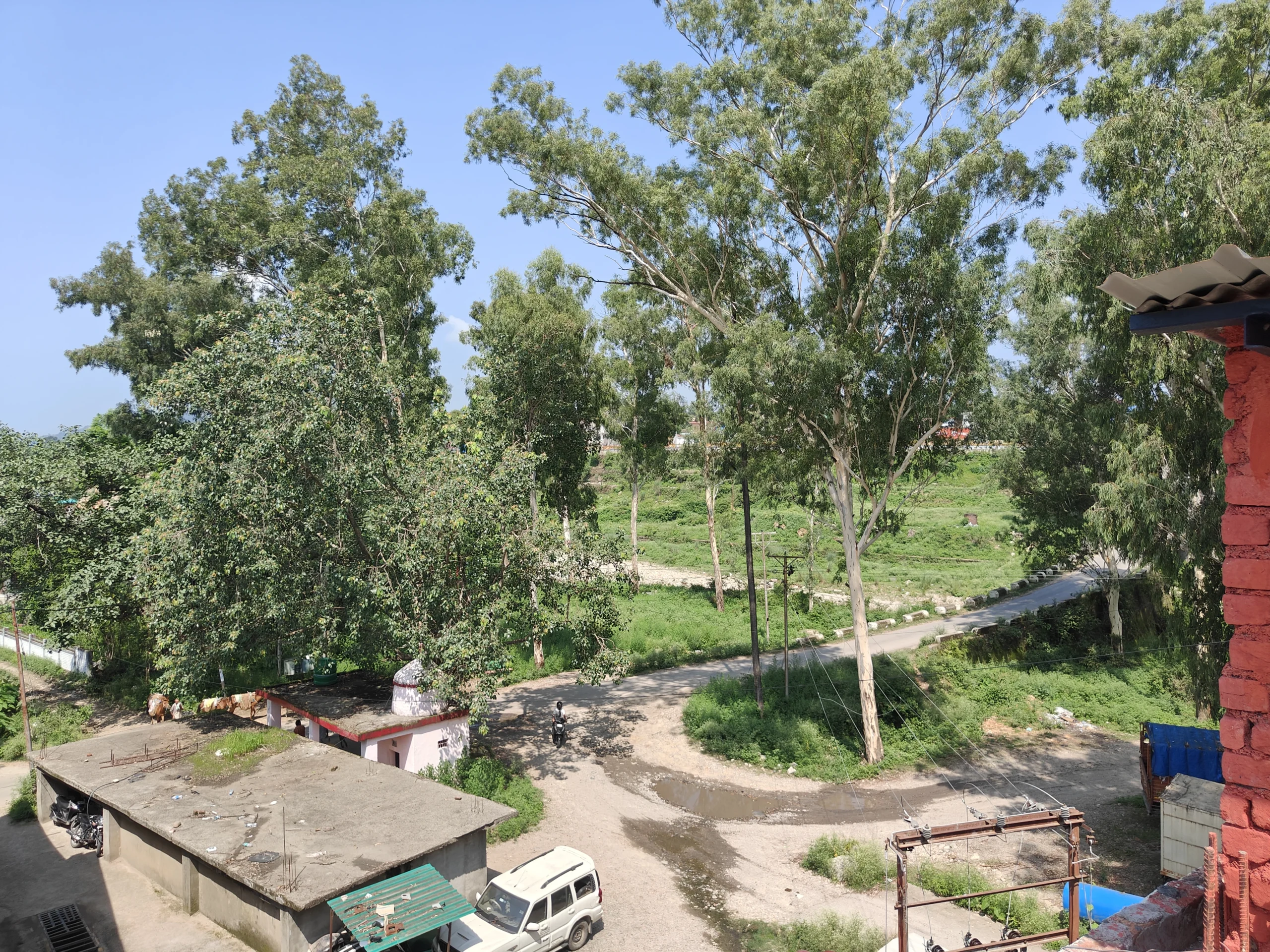
That is why residential treatment away from the district works, and it is also why it does not need to be in Delhi or Haryana. Our campus is in Kangra, the district you border, near the government medical college at Tanda. Far enough that his old routine cannot reach him on a Saturday evening, close enough that his mother can come for a scheduled visit and be home the same night.
The third reason families here choose us is one nobody says out loud: privacy. In a district this size the bazaar knows within two days and the rishta conversation starts within a week. Being treated outside Pathankot is often the difference between getting help and not getting it at all. Railway staff, army families, shopkeepers, teachers, students and men with families abroad have completed treatment with us without one person in their circle finding out.
Next districtOur rehab centre is in Kangra, which Pathankot shares a boundary with
Rs 12,500A month, all inclusive, because a charitable trust has no margin to protect
Same dayAssessment and, where it is needed, detox beginning on the day you arrive
Towns, blocks and villages we serve around Pathankot
Men reach us from all six blocks of this district and from across all three boundaries. If your village is not written below, ring and ask whether the rehab centre in Pathankot families use takes men from your panchayat.
Pathankot city
The railway junction, bus stand, Dalhousie Road, Mamun, the cantonment belt, Gandhi Nagar, Shastri Nagar, Jugial and the colonies around the city.
Sujanpur and Mirthal
Sujanpur, Mirthal, Taragarh and the Beas side villages along the highway towards Hoshiarpur and the Punjab plains.
Madhopur and Gharota
Madhopur, the headworks and barrier, Gharota and the villages running up to the Jammu and Kashmir boundary.
Narot Jaimal Singh
Narot Jaimal Singh and the 139 villages of the block, out towards the Ravi and the Gurdaspur boundary.
Dhar Kalan and Dunera
Dhar Kalan, Dunera and the hill panchayats pressed against Chamba and Kangra, the remotest part of the district.
And across the boundaries
Nurpur, Damtal, Indora, Kathua and Gurdaspur. See our pages for the rehab centre in Nurpur, our nasha mukti kendra in Kangra and the rehab centre in Dharamshala.
From Pathankot city
Take the road towards Nurpur and the Kangra valley and you are across the boundary quickly. Buses run through the day and any local driver knows the route. Ring +91 62304 15581 before you set off and we will tell you what is running, fix the assessment slot and stay on the phone until you reach the rehab centre in Pathankot families travel to.
From Dhar Kalan and Dunera
The hill side of the district is closest of all to us in a straight line, and the road runs through to the Kangra valley. Tell us which village you are starting from and we will plan the route with you rather than leaving you to work it out.
From Sujanpur, Mirthal and Narot
Come into Pathankot city first and take the Nurpur road from there. Families from these blocks comfortably do the trip in one morning with time to spare for a same day assessment.
By train, and from abroad
You already have the rail head: Pathankot is the junction the whole Kangra valley travels through, with the narrow gauge line running from here as well. Gaggal at Kangra is the nearest airport, which matters mainly when a relative is flying in to be there for the admission.
Read before you ring, or while you wait
Treatment guides for every substance we treat
Written for families rather than for doctors. Not sure yet what you are dealing with at home? Start with the symptoms guide for whatever you think it is, then read the detox guide for the same substance. Ten minutes of that and you will ring us already knowing what the first seven days are going to involve, which makes the call far more useful for both of us.
Chitta nasha, smack and heroin
- Signs of a chitta nasha addictWhat to look for at home before you are certain
- Chitta withdrawal symptoms and timelineHour by hour, and the signs that are dangerous
- Chitta detoxHow medically supervised detox is actually run
- Chitta nasha treatmentThe full treatment path beyond detox
- Ghar mein koi chitta le raha hai?For families who have just found out
Sharab and alcohol addiction
Bhang, charas and ganja
Goliyan, syrups and tablets
Costs, the mind, and nearby pages
- What rehab actually costsAn open comparison, free government care included
- The psychology of addictionWhy it is a response to pain, not weak willpower
- Yoga for stress and anxietySimple practice to settle a restless mind
- Nasha mukti kendra in PunjabOur state page, all 23 districts
- Rehab centre in NurpurJust across your boundary in Kangra
Questions families ask us
Questions about our rehab centre and nasha mukti kendra in Pathankot
Chitta nasha, sharab and alcohol addiction, bhang, bhukki, goliyan. Fees and what they include, registration, admission, confidentiality, the journey and the free government routes. If your question is not here, our counsellors are on +91 62304 15581 round the clock and nothing you tell them travels any further.
Where we are, and finding a rehab centre near you
Where is your rehab centre, and how far is it from Pathankot?
We are in the district you border. Our residential campus is at Near FCI Godown, Village Tanda Kholi, Ward No. 7, PO Kholi, Tehsil and District Kangra, Himachal Pradesh 176001, close to the government medical college at Tanda. Pathankot is the road and rail head for the whole Kangra valley, so you are already at the gateway: the drive is short enough that families come for scheduled visits and are home the same evening.
Is there a nasha mukti kendra in Pathankot itself?
There are outpatient and government services in the district, and we will tell you about them honestly on the first call. What Pathankot does not have is a large choice of registered residential rehabilitation centres, which is why so much of what a search returns belongs to somewhere else entirely. For residential treatment, families here come to us across the Kangra boundary or travel much further into Punjab, and we would rather you knew that plainly.
Which is the best rehab near me in Pathankot?
The best one is the one you can verify. Five questions, in this order: show me your registration under the Mental Healthcare Act 2017; name the doctor who runs detox; how many days does he actually stay; put the full fee on paper; and can I walk through the building today, without an appointment. Judge every rehab centre near me and nasha mukti kendra near me result by those five answers, ours included, and ignore the photographs. A map pin tells you nothing about whether a doctor has ever signed a detox chart there.
I searched for a de-addiction centre near me and got numbers from four different states. Why?
Because Pathankot touches Punjab, Himachal and Jammu and Kashmir, so centres from all of them buy your search terms, and so do centres in Haryana and Delhi with no connection to this region at all. That is exactly why the state of registration matters: a Punjab certificate covers a Punjab building and a Himachal certificate covers a Himachal building. Ask which authority issued it and check it against the address on the letterhead before anything else.
Is there an alcohol treatment center near me for Pathankot families?
The civil hospital and the government de-addiction services in the district will treat alcohol addiction, and that is the right starting point for many men. As a residential alcohol treatment center we take the cases that outpatient care cannot hold: men who have relapsed repeatedly, men with a psychiatric illness underneath, and men who simply cannot get through a week at home. Ring us and we will tell you which of those describes your situation.
Chitta nasha: ilaj and what to expect
What is chitta nasha and how is chitta nasha ka ilaj done at your rehab centre?
Chitta nasha is adulterated heroin, smoked on foil or injected, and dependence builds within weeks. The sequence is fixed. Detox under a doctor comes first and nothing else starts until he is through it. Then the psychiatric assessment, one to one counselling, group work every day, the 12 step programme, daily fitness, and finally a relapse prevention plan written in his own handwriting before he is discharged. Chitta nasha treatment for Pathankot starts with one phone call to +91 62304 15581, and any rehabilitation centre that cannot describe that first week in detail has not thought about it.
How long do chitta nasha withdrawal symptoms last?
Acute withdrawal usually peaks in the first 48 to 96 hours and eases over roughly one to two weeks. Body pain, cramps, vomiting, loose motions, sweating, restlessness and severe insomnia are all normal. Low mood, broken sleep and cravings can run for months afterwards, which is exactly why detox alone is not treatment and why a fifteen day admission so rarely holds. Our full guide to the chitta withdrawal timeline sets out what happens hour by hour.
Is chitta nasha really that available in a district like Pathankot?
Yes, and the reason is geography rather than anything about the people here. In October 2026 Pathankot police recovered 7.823 kg of heroin from a cross-border module, with Pakistani seal impressions on the packets, and the SSP said cross-border linkages had been clearly established. Separately, 8.30 kg of A-1 grade heroin was caught at the Madhopur barrier hidden beside a car's oil tank, coming down out of Jammu and Kashmir. Consignments of that size imply a retail network underneath them.
My son has relapsed after treatment twice already. Is there any point trying again?
Yes. Relapse is common in addiction and it is not proof that he is beyond help. Most men who complete our programme have been through one or two centres before. For a man who has been through treatment before, the first job is working out what went wrong last time. Four things account for nearly all of it: a stay that ended too soon, an untreated depression, a family nobody ever spoke to, and a discharge with no written plan for the month that followed. The answer is usually one of those four.
What is the overdose risk, and what do we do in an emergency?
The risk is highest right after a clean gap, because tolerance falls while the dose he takes does not. Slow or stopped breathing, blue lips, pinpoint pupils and a man you cannot wake are an emergency. Get him to the nearest casualty in Pathankot immediately and tell the doctor exactly what he took. Do not wait to see whether he sleeps it off, and do not worry about the police in that moment. Afterwards, ring a de-addiction centre the same week.
Do you treat injecting drug use and needle sharing?
Yes, and these are the most urgent cases we see. Injecting carries the highest risks of all: overdose, abscesses, collapsed veins, hepatitis B and C and HIV. They get detox under medical supervision, blood screening with referral onward if anything shows up, straight information about what injecting is already doing to their veins and their liver, and then the identical therapy, group work and relapse prevention every other resident receives. Same fee, no surcharge.
Sharab, alcohol addiction and recovery
Do you provide sharab chudane ka ilaj and alcohol addiction treatment?
Yes, and alcohol is the commonest reason Pathankot families ring us even though chitta nasha gets the headlines. As an alcohol treatment center we handle sharab dependence as the medical illness it is: detox under a doctor, then cognitive behavioural therapy, the 12 step programme, family counselling, yoga and fitness, and a day rebuilt so that no part of it quietly organises itself around the evening drink. Sharab ki lat is an illness, not a character fault.
Is it dangerous to stop drinking suddenly at home?
It can be. After years of heavy drinking, sudden withdrawal can cause tremors, seizures, hallucinations and delirium tremens, which is a medical emergency. This is the single biggest reason cold turkey at home fails or turns dangerous. Here, alcohol detox is managed with the right medication, monitoring of vitals and 24x7 nursing under our consultant psychiatrist. No alcohol treatment center worth the name detoxes a daily drinker without a doctor on the premises.
My husband drinks every day and says he can stop whenever he wants. What do I do?
Ring us before you argue with him again. Tell a counsellor exactly how much he drinks, how early it starts and what happens when he cannot get it. They will say straight out whether this is dependence, and they will give you a way of raising it with him that does not collapse into the same argument you have had twenty times. Most men who say they can stop whenever they like have already tried many times. Wives ring the rehab centre long before the man himself is ready, and that is the usual order of things.
Is there any injection or tablet that cures sharab ki lat?
No. Prescribed and monitored by a doctor, medication does real work in detox and in blunting cravings. By itself, with no therapy and no changed routine around it, it has never cured anybody's drinking. Any rehabilitation centre offering a one injection cure for alcohol addiction is selling you something. Recovery is medical care plus therapy plus time plus a changed daily life, and anyone who tells you otherwise is making money out of your hope.
His liver is already damaged. Will you still take him?
Yes, and tell us at the assessment so the doctor can plan around it. We assess liver function at admission for every man with a long sharab history, and the detox plan and diet are adjusted on the doctor's instruction. Where a man needs hospital care rather than a residential programme, we will tell you that honestly and help you get him there instead of admitting him and hoping for the best.
Bhang, bhukki and goliyan
Is bhang really an addiction? Everyone here says it is harmless.
Occasional use is not what we are talking about. What we see is men using bhang or charas most days, who have lost motivation, memory and sleep, and whose families cannot raise it because it is treated as a tradition rather than a drug. Bhang dependence is real, it is mostly psychological, and it responds to cognitive behavioural therapy, routine and fitness. In this belt it is also very often the doorway that leads to charas and then to chitta nasha.
Do you treat bhukki, doda and country liquor drinkers too?
Yes. Across Punjab police seized 871 kg of opium and 425 quintals of poppy husk in seventeen months of the state campaign, so bhukki and doda are not history. They remain common among drivers, labourers and older men along the highway and the riverine belt. These are opioids and need a medically managed taper. Men on home distilled liquor are often in worse physical shape, so we assess liver function at admission and manage detox accordingly.
What about goliyan, tramadol and cough syrup?
In a district this size it is the most hidden problem of the lot, because the chemist has known the family for twenty years and a strip of tablets never gets a second look. Over 60 lakh intoxicant pills and capsules were seized across Punjab in seventeen months. Tramadol, alprazolam and codeine syrup are tapered here under medical supervision, since stopping a benzodiazepine abruptly can cause seizures. Our goliyon ka nasha guide explains what the taper involves.
He uses several things at once. Do you charge extra for that?
No. One assessment, one plan, one fee, however many substances are involved. Polysubstance use is the normal case rather than the exception, and a rehab centre that bills per substance or charges a surcharge for a harder case is pricing on your desperation. Chitta nasha with goliyan, sharab with bhukki, charas with syrup: all of it is treated inside the same Rs 12,500 a month residential programme.
Fees, and why a trust prices differently
How much does your rehab centre cost per month?
Shared Residential Care is Rs 12,500 per month and that is the whole clinical package: medically supervised detox, doctor and psychiatrist reviews, individual counselling, group therapy, the 12 step programme, yoga and fitness, all meals, all prescribed medication, family counselling and aftercare follow-ups. A deluxe twin sharing room is Rs 25,000 and a private room is Rs 40,000, and the only other charge is a one time detox fee of Rs 6,000 at admission.
Why is your fee lower than other private rehabilitation centres?
Because Eshan Charitable Trust is a registered charitable trust with no profitability model. Nobody takes a dividend out of it. The figure is built up from the real costs of keeping a man here for thirty days: his bed, his three meals, the nursing shifts that cover him through withdrawal, and the hours the doctor, psychiatrist, psychologist and counsellors actually spend on his case. A centre that has to return a profit to somebody has to charge for that too.
Does a lower fee mean lower quality treatment?
Test it rather than take our word. Put five things to us in writing: who the psychiatrist is and his council number, how many days the programme runs, what the timetable looks like hour by hour, who else is on the staff roll, and the registration certificate itself. Then ask a centre charging three times more for the same five, and lay the two replies next to each other. Our residents get a consultant psychiatrist, a psychologist, MSW counsellors, round the clock nursing, a 180 day programme and family counselling. What a higher fee usually buys is a better room, and we offer those too.
Are there any hidden charges once he is admitted?
None. The monthly figure and the one time Rs 6,000 detox charge are the whole of it, and you get both in writing before he travels. There is no admission fee, no therapy fee, no separate medicine bill and no surcharge for a harder case. If something genuinely outside the plan becomes necessary, it is discussed with the family before a rupee is spent. A rehab centre that quotes low on the phone and discovers extras in month two has told you how it will treat you later.
We cannot afford private fees at all. What then?
Say that on the first call rather than staying away. As a charitable trust we would far rather have that conversation than lose a family to embarrassment. We will also walk you honestly through the free options: the OOAT clinics, the government de-addiction services, the civil hospital in Pathankot, and Section 64A of the NDPS Act if there is a consumption case pending. Cost should never be the reason a family never rings a de-addiction centre at all.
Can we pay for one month instead of six?
Yes. Fees are monthly, not a package, so one month costs one month. Six months is what we advise and we will explain exactly why. But a family that can only manage one month should still ring, because thirty days of real treatment beats six months of waiting for money that never quite arrives. The honest position: a month can get him detoxed, fed, sleeping and physically steady, which is worth a great deal. It will not usually undo four years of chitta nasha or twenty years of sharab.
Registration, admission and afterwards
Is your de-addiction centre government registered?
Yes. We hold Provisional Registration Sr. No. 193 issued by the HP State Mental Health Authority, Shimla, under Sections 66(4) and 66(11) of the Mental Healthcare Act 2017, dated 14/05/2026. The centre is run by Eshan Charitable Trust, Regd. No. 2025/19/IV/123, Book No. IV, Vol. 4067, Sub-Registrar-I, Kashmere Gate, Delhi. Both documents hang on the wall and can be inspected when you visit. Registration is the first thing to check at any rehab centre, before fees or photographs.
I read that Punjab shut down several private de-addiction centres. Should I be worried?
You should be careful rather than worried. Of roughly 177 private de-addiction centres in Punjab, around 143 were functioning after the licences of 22 centres run by a single operator were suspended. That is why we keep pushing you to read the certificate yourself rather than trust a brochure, and why we invite you to drive up unannounced. A rehabilitation centre confident in what it runs has no reason to need notice of your visit.
How do we admit a son, brother or husband?
Start with one phone call to +91 62304 15581. A counsellor takes the history, guides you on how to talk to him, and schedules an assessment. Admission can usually happen the same day or the next, any day of the week, including Sundays. Bring identity proof and whatever medical records you have, and we handle the rest. There is no waiting list and no admission window.
What documents are needed for admission?
His Aadhaar or any government photo identity, a photo identity of the family member signing the admission papers, and any previous prescriptions, OOAT cards, discharge summaries or medical records. Tell the counsellor at the assessment if he has ever had a fit, if the liver is already in trouble, if he is diabetic or on TB or hepatitis treatment, or if he takes anything psychiatric. Each one narrows what can safely go on the detox chart.
What if he refuses to come for treatment?
Refusal is a symptom of the illness rather than proof that treatment will fail. Our counsellors will coach you through the conversation, help you set boundaries and stop the enabling that quietly funds the nasha. The Mental Healthcare Act 2017 also allows supported admission in defined circumstances, and we will explain honestly what that does and does not mean. No registered rehab centre should offer to collect a grown man by force, and the ones that do are the ones that get raided.
Can the family visit during treatment?
Yes, and this is where being the next district over genuinely pays. Visits and calls are scheduled as part of the therapy plan, usually after the first stabilisation period, because contact during withdrawal becomes pleading from both ends and costs him a week. After that, Pathankot families can come for proper scheduled visits and be home the same evening, with family counselling built around them. Visits are planned, never banned.
Will anybody in Pathankot find out he was admitted?
Not from us. Confidentiality is both our ethical duty and a legal obligation for a registered mental health establishment under the Mental Healthcare Act 2017. We share nothing with employers, neighbours or anybody outside the treatment process. In a district this size, where a rishta, a job or a visa file can turn on a rumour, that matters as much as the clinical work, and it is a legal duty for every registered rehabilitation centre, not a favour.
Do you admit women, and what ages do you take?
We are a male only residential facility and we admit men aged 18 and above, with no upper age limit. A single gender environment lets group work get honest faster. If you are ringing about a woman who needs treatment, tell us anyway and we will point you towards the government facilities in Punjab and Himachal that can help her, including Himachal's first government de-addiction centre exclusively for women. We say this on the first call rather than after you have travelled.
What happens after discharge?
Every man leaves with a written relapse prevention plan covering his triggers, his warning signs, his daily structure and his emergency contacts, and we talk through how he links up with local support at home, including the OOAT clinic and the civil hospital in Pathankot. Aftercare includes scheduled follow up calls, review check ins and continued family guidance, at no further charge. Aftercare is where a top rehabilitation centre earns the name.
Do you treat depression, anxiety and other mental health problems too?
Almost always, yes. In most men we admit there is something else running alongside the nasha: depression, anxiety, old trauma, broken sleep, bipolar illness, OCD, occasionally psychosis. Treat the substance and leave that untouched and he is back within months. As a registered mental health establishment we provide psychiatric assessment and treatment as part of the programme, inside the same fee. Dual diagnosis care is what separates a real rehab centre from a hostel with a gate.
He has an NDPS case pending. Can he still get treatment?
Tell us at the assessment and we will be honest about what we can and cannot do. If the charge is consumption, or possession of a small quantity for his own use, Section 64A of the NDPS Act lets a man who volunteers for treatment apply for immunity from prosecution instead. Over 10,650 people in Punjab have gone down that road since the campaign started. That is a matter for your lawyer and the court rather than for us, but it is worth knowing it exists.
Which towns and villages do you take men from?
From all six blocks and 532 villages of the district: Pathankot city, Mamun, Jugial, Sujanpur, Mirthal, Taragarh, Madhopur, Gharota, Narot Jaimal Singh, Dhar Kalan, Dunera and Bamial, plus the surrounding panchayats. We also take men from across the boundaries at Nurpur, Damtal, Indora, Kathua and Gurdaspur. Men from every one of these places are treated at the rehab centre in Pathankot families choose.
Before you call
Guides for families in Pathankot
Four honest reads for parents and wives still working out what is happening at home, and what to do about it before they ring any rehab centre in Pathankot.
 For families
Ghar mein koi chitta le raha hai?
The signs families miss, and what to do the day you find out.
 Fees
What rehab actually costs
An open comparison, from free government care to luxury rehabs.
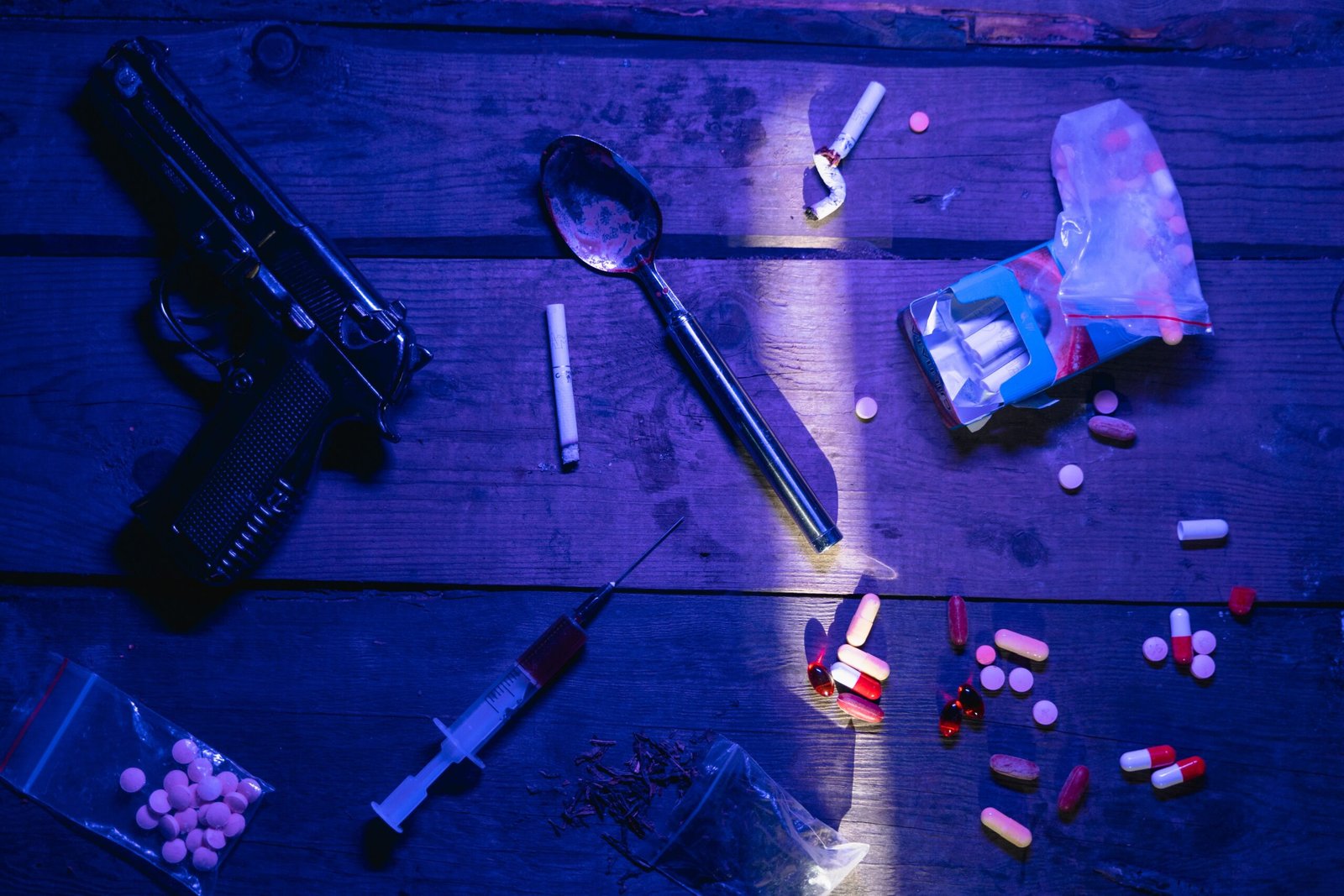 Sharab
Signs of alcoholism
How to recognise alcohol use disorder before the liver does.
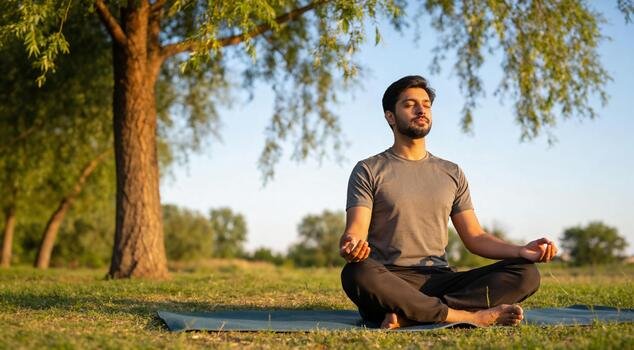 Mind and body
Yoga for stress and anxiety
Simple asanas and breathwork to settle a restless mind.
Talk to us
Contact our rehab centre and nasha mukti kendra for Pathankot
Tell us what is happening at home. The call is confidential, there is no obligation, and a counsellor will talk you through the next step even if you end up choosing a different rehab centre in Pathankot or the free government services in the district.
Eshan Charitable Trust, Nasha Mukti Kendra, De-Addiction & Rehabilitation Centre
Near FCI Godown, Village Tanda Kholi, Ward No. 7, PO Kholi,
Tehsil & District Kangra, Himachal Pradesh 176001
In Kangra, the district Pathankot borders, near the government medical college at Tanda. Ring the helpline before you travel and we will fix your assessment slot and plan the drive with you.
+91 62304 15581
Open 24x7 • Admissions any day of the week
Every call, message and admission is handled with complete confidentiality.
Need somebody this minute? National de-addiction helpline 14446, Tele MANAS 14416, MANAS helpline 1933. More at Nasha Mukt Bharat Abhiyaan.
One phone call can change everything.
The rehab centre and nasha mukti kendra Pathankot families trust. In Kangra, the district next door • A charitable trust, so care is Rs 12,500 a month • Confidential • 24x7 • Govt. registered, Sr. No. 193, HP SMHA Shimla