
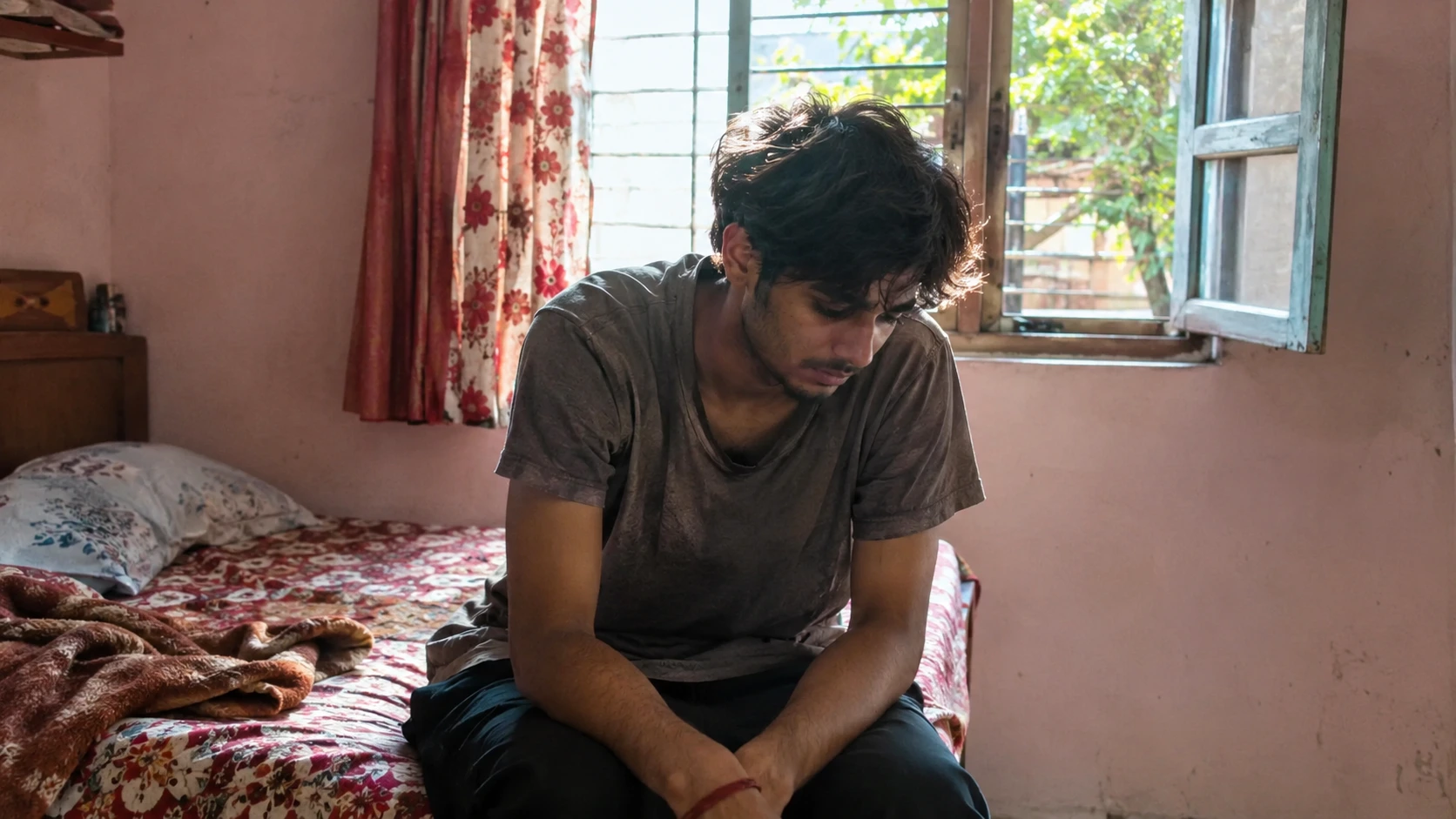
When a family in Chamba discovers that their son, brother, or husband is trapped in chitta (चिट्टा), heavy alcohol (शराब), charas (चरस), or chemist pills, panic sets in fast. In that moment of fear, parents often admit him to the first place a neighbour or internet advertisement suggests, without checking whether the facility has a single qualified doctor or a valid government licence. That is exactly Why Choosing the Right Rehabilitation Center in Chamba Matters: the difference between an unlicensed lock-up and a medically supervised centre can decide whether a young man rebuilds his life or relapses harder the day he returns home. If you need confidential guidance right now, call or WhatsApp our 24x7 helpline at +91 62304 15581.
Across Chamba town, Sultanpur, Parel, Hardaspura, Dalhousie, Banikhet, Chowari, Sihunta, Salooni, Tissa, and Bharmour, families face a specific structural challenge. While Pt. Jawahar Lal Nehru Government Medical College (GMC Chamba) offers daytime psychiatric OPD consultations, Chamba district still lacks a full-scale, long-term residential rehabilitation ward, and the proposed government facility in Bhattiyat has faced repeated delays. To fill that vacuum, unregulated private operators in border towns often lure worried Chamba parents with false promises of a "15-day 100% cure."
This guide was written by the clinical team at Eshan Charitable Trust, a government-registered Nasha Mukti Kendra serving Chamba and Kangra families, and medically reviewed by a psychiatrist. Whether you suspect ghar mein koi chitta le raha hai or you are trying to understand why a previous short detox failed, this article gives you verified facts, local Chamba news data, and a practical checklist to protect your son.
- Talk to a trained counsellor first: Before taking any step in panic, call our 24x7 desk at +91 62304 15581 for free, confidential guidance on how to handle withdrawal and admission safely.
- Bad rehab centres do more harm than good: Unregistered centres that rely on physical beatings ("TC punishments") or lock boys up without medical detox leave them traumatised and at extreme risk of fatal overdose upon release.
- 25 Chamba Areas Are Now "Drug Red Zones": Because local peddling networks are active across Chamba town, Dalhousie, and Bhattiyat, a 5-day outpatient detox without geographic separation almost always ends in relapse.
- Look for 60-90-180 Days of Medical & Psychological Care: Clearing drugs from the blood takes 7 days; healing brain pathways, treating underlying depression, and changing habits requires a structured 60-90-180 days residential programme.
- Verify HPSMHA Registration & Open Fees: Eshan Charitable Trust holds HPSMHA Provisional Registration Sr. No. 193, with transparent monthly plans at ₹12,500 (Shared), ₹25,000 (B Caring), and ₹40,000 (A Caring), plus ₹6,000 one-time medical detox.
Why Choosing the Right Rehabilitation Center in Chamba Matters for Your Son's Survival and Recovery
Many parents think every de-addiction centre does the same thing: keep the boy behind a locked gate so he cannot buy drugs for a few months. Medically and psychologically, that assumption is dangerous. Understanding Why Choosing the Right Rehabilitation Center in Chamba Matters comes down to four life-or-death factors:
1. Safe Medical Detox vs. Dangerous "Cold Turkey"
When a young man stops chitta, heavy alcohol, or alprazolam sleeping pills suddenly, his body goes into acute physiological shock. In a proper medical centre, an MBBS doctor, psychiatrist, and staff nurse manage withdrawal with prescribed medicines and hydration. In an unlicensed centre, he is left to suffer on a floor mattress, where severe dehydration or alcohol/pill withdrawal seizures can turn fatal.
2. Treating the Hidden Mental Illness (Dual Diagnosis)
Over half of young men using chitta or charas in Chamba are also battling untreated clinical depression, severe anxiety, academic stress, or cannabis-induced psychosis. If a facility has no psychiatrist or psychologist, the underlying mental illness remains untreated, and he returns to drugs within days of coming home.
3. Dignity & Counselling vs. Fear & "TC Beating"
In poorly run centres, older inmates are made "monitors" who punish and beat newcomers for minor mistakes. Fear never cures addiction; it breeds deep anger against parents. When a boy is treated with human dignity, CBT counselling, and yoga, he builds genuine internal motivation to stay clean.
4. Preventing the Post-Discharge Overdose Trap
According to MedlinePlus, a person's opioid tolerance drops dramatically after just one week without heroin. If a centre discharges your son after a 15-day stay without relapse-prevention training, a single slip back in Chamba at his old dose can immediately stop his breathing.
The Ground Reality in Chamba District: Official 2025-2026 Drug Statistics & News Timeline
To understand why choosing a safe, structured facility matters so much today, look at what police records and district Narco Coordination Committee (NCORD) reviews have uncovered across Chamba district over the past two years.
Chamba panchayats and Municipal Council (MC) wards officially declared "Drug Red Zones" by the Chamba district administration in October 2026. Source: The Tribune
of synthetic heroin (chitta) and 19.996 kg of charas seized by Chamba Police during recent district enforcement drives. Source: The Tribune
chemist licences suspended across Chamba district after 212 inspections caught illegal sales of habit-forming pills and syrups. Source: The Tribune
young lives lost to drug overdose across Himachal Pradesh from 2023 to 2025, alongside 1,967 NDPS cases in 2025. Source: ETV Bharat
Dated News Timeline: How the Drug Crisis Evolved Across Chamba, Dalhousie & Bhattiyat
- December 2024 to 2025 (Chamba Chemist & NDPS Crackdown)Chamba Police registered 82 NDPS cases and seized 32 kg of charas and 228 grams of chitta, while drug authorities raided 212 chemist shops and suspended 18 licences for selling tramadol, alprazolam, and codeine cough syrups without prescriptions.
- September 2025 to August 2026 (Chamba & Bhattiyat Rehab Delays)After the Chamba Deputy Commissioner ordered repairs to a proposed government de-addiction building in Bhattiyat in September 2025, state updates in August 2026 confirmed that Chamba's public residential rehab facility was still in the establishment stage, leaving families without local government residential beds.
- January 2026 (Chamba-Pathankot National Highway near Dalhousie)Police patrolling the highway near Dalhousie arrested three persons with 1.564 kg of charas, demonstrating how the Pathankot-Banikhet-Chamba highway acts as an active trafficking route.
- March 2026 (Dalhousie, Chamba)Chamba police seized 4.6 kg of charas from two smugglers in Dalhousie during special nakas.
- October 2026 (25 Chamba Panchayats & MC Wards Named Drug Red Zones)After police arrested a peddler with 7.87 grams of chitta in Chamba on 16 October 2026, the Chamba Deputy Commissioner chaired the district NCORD meeting on 28 October 2026 and placed 25 Chamba panchayats and Municipal Council areas under special surveillance as Drug Red Zones.
In accordance with ethical medical reporting, we never name any arrested person, victim, or family. The takeaway for Chamba parents is clear: when 25 local panchayats and town wards are active red zones, simply scolding your son at home or relying on a 3-day hospital visit will not keep him safe from local suppliers.
What Happens When Families Choose the Wrong Rehab Centre: Real Warnings From Himachal
When parents ask Why Choosing the Right Rehabilitation Center in Chamba Matters, we point them to official investigations by the Himachal Pradesh State Mental Health Authority (HPSMHA) and police across the state:
- Deaths in Unmonitored Facilities: The HPSMHA had to shut down two de-addiction centres in Parwanoo after two inmates died within three months. Official inquiries revealed that one resident had never even been examined by a medical officer, while families were billed for medical care that did not exist.
- Physical Force & Illegal Confinement: The Chief Executive Officer of the HPSMHA publicly noted in The Tribune that 14 centres closed down and several facilities had been using threats and physical force in the name of rehabilitation.
- Severe Overcrowding: Police inspections in Una found 50 men crammed into a building approved for only 25 beds, and a Tribune investigation in Kangra exposed unlicensed centres operating without psychiatrists while charging exorbitant fees.
Before you trust any facility with your son's life, read our detailed guide on the difference between a rehab centre and a nasha mukti kendra so you know what legal standards apply under the Mental Healthcare Act, 2017.
Why Different Substances in Chamba Require Specialized Medical Protocols
Another reason Why Choosing the Right Rehabilitation Center in Chamba Matters is that Chamba youth rarely use just one substance. Each drug affects the brain and heart differently during withdrawal:
Chitta, Heroin, Smack & Brown Sugar
Chitta is street heroin mixed with toxic adulterants, smoked on silver foil or injected with syringes across Chamba town, Sultanpur, Parel, and Banikhet. Stopping chitta triggers severe bone pain, vomiting, diarrhoea, and intense cravings within 6 to 12 hours, requiring doctor-prescribed opioid detox medicines. Read our guide: chitta kaise chhode.
Alcohol / Sharab (शराब की लत)
In Chamba, Bharmour, Chowari, and Dalhousie, heavy daily alcohol use is widespread. According to MedlinePlus, stopping chronic heavy drinking abruptly can cause fatal grand mal seizures and Delirium Tremens (DTs) within 48 to 72 hours. Alcohol detox must always be supervised by an MBBS physician and psychiatrist. See our alcohol addiction recovery guide.
Charas, Ganja & Bhang (चरस और भांग)
With high-potency cannabis available in Churah (Tissa), Salooni, and upper valleys, many young men develop cannabis-induced psychosis: extreme suspicion, hearing voices, insomnia, and panic attacks. They require dual-diagnosis psychiatric care alongside psychological counselling.
Cocaine, MDMA & Party Stimulants
Around tourist hubs like Dalhousie, Khajjiar, and Banikhet, stimulants like cocaine and MDMA are increasingly mixed with alcohol, leading to severe cardiovascular strain, panic disorders, and deep suicidal depression during withdrawal crashes.
Goliyon Ka Nasha (Tramadol, Alprazolam, Codeine) & Injecting Mixed Use
When chitta is scarce, youth in Chamba often mix Tramadol painkillers, Alprazolam sleeping pills, Codeine cough syrups, or traditional doda/bhukki (poppy husk) and opium (अफीम). The World Health Organization (WHO) warns that mixing opioids with sedatives or alcohol is the leading cause of fatal respiratory arrest. Furthermore, young men who share syringes require complete blood screening for Hepatitis B, Hepatitis C, and HIV.
Why Geographic Separation Along the Chamba-Kangra Corridor Protects Early Recovery
When parents in Chamba first seek help, visiting the Psychiatry OPD at Pt. Jawahar Lal Nehru Government Medical College (GMC Chamba) is a good step for an initial medical opinion. However, as explained in our review of the Top 5 Nasha Mukti Kendra options for Chamba, an outpatient prescription cannot change the environment around your son.
If your son stays at home in Chamba town, Hardaspura, Mugla, or Banikhet while trying to quit, a single phone call from a using friend or a five-minute walk into one of Chamba's 25 drug red zones can undo weeks of effort. On the other hand, sending him 400 kilometres away to an unknown city makes it impossible for parents to check on his safety.
Admitting him to Eshan Charitable Trust at Village Tanda Kholi, Kangra (near the FCI Godown and Dr. RPGMC Tanda Medical College) gives Chamba families the ideal balance: he is safely removed from local Chamba peddlers and peer pressure during his 60-90-180 days recovery, while remaining just a few hours' drive down the familiar Chamba-Banikhet-Nurpur-Kangra or Jot Pass route so parents can visit regularly and participate in family therapy.
How to Evaluate and Choose the Right Facility: A 10-Point Checklist for Chamba Parents
Whether you are comparing options in our best rehabilitation centre in Himachal Pradesh guide or visiting a centre in person, never admit your son without verifying these 10 points:
- 1. Valid HPSMHA Registration Certificate: Under the Mental Healthcare Act, 2017, every de-addiction centre in Himachal must be registered with the HP State Mental Health Authority, Shimla. Ask to inspect the physical certificate (Eshan Charitable Trust holds Provisional Registration Sr. No. 193).
- 2. Named Psychiatrist & MBBS Physician: Ensure the centre has real doctors with verifiable Himachal Pradesh Medical Council (HPMC) registration numbers, not just former users running the facility.
- 3. Medically Supervised Detoxification: Confirm that withdrawal from chitta, alcohol, and pills is managed with doctor-prescribed medications and nursing care, never by locking a patient in an isolated room.
- 4. Strict Zero-Violence Policy: Under Sections 20 and 97 of the Mental Healthcare Act, physical beatings, chaining, forced labour, or allowing senior inmates to punish newcomers ("TC punishment") is illegal.
- 5. Qualified Full-Time Clinical Staff: Check that the centre employs a psychologist, MSW counsellors, a pharmacist, a staff nurse, a yoga instructor, and a vocational trainer.
- 6. Open Door for Parent Inspection: A trustworthy centre welcomes Chamba parents to walk inside and inspect the bedrooms, beds, washrooms, kitchen, and CCTV cameras before admission.
- 7. Transparent Written Fee Structure: Every monthly fee must be stated openly in writing with no hidden charges. Compare state-wide costs in our rehab centre fees in Himachal Pradesh guide.
- 8. Flexible 60-90-180 Days Structured Programme: Avoid "15-day miracle" claims. Look for an 8-stage programme offering 60, 90, or 180 days of structured recovery based on clinical progress.
- 9. Regular Family Counselling & Communication: Ensure the centre includes scheduled family counselling sessions and clear visiting rules.
- 10. Written Relapse Prevention & Aftercare Plan: Recovery must continue after he returns to Chamba with follow-up check-ins and trigger management.
| What to Check | Unlicensed / Unsafe Lock-Up Centres | Eshan Charitable Trust (Serving Chamba Families) |
|---|---|---|
| Legal Registration | No HPSMHA licence; operating illegally | HPSMHA Provisional Reg. Sr. No. 193 & Trust Regd. No. 2025/19/IV/123 |
| Medical Oversight | No psychiatrist or MBBS doctor on record | Reviewed by Dr. Devasheesh Sharma (MBBS, DNB Psychiatry) & Dr. Aditya Thakur (MBBS) |
| Withdrawal Care | "Cold turkey" in a locked room without medicine | Medically Supervised Detox (₹6,000 one-time) with staff nurse & pharmacist |
| Resident Safety | Harsh "TC beatings" by senior inmates | 100% Zero-Violence Policy under Mental Healthcare Act Section 20 |
| Duration & Monthly Fees | Vague charges, sudden demands for extra cash | 60-90-180 Days | Openly stated: ₹12,500 / ₹25,000 / ₹40,000 per month |
Why Locking Him in a Bedroom at Home in Chamba Is Risky
Out of fear of society or bad rehab centres, many Chamba parents try locking their son inside a room at home for a week to force him off chitta or alcohol. Please understand why doctors warn against unmonitored home detox:
- Severe Physical Agony Between Hours 12 and 72Opioid withdrawal causes excruciating muscle and bone pain, continuous vomiting, diarrhoea, feverish sweating, and panic. Without medical relief, the young man may injure himself, break windows, or beg until a family member gives in.
- Unseen Seizure Risk From Alcohol or Sleeping PillsIf he has also been drinking heavy sharab or taking alprazolam pills, sudden withdrawal at home can trigger life-threatening seizures or Delirium Tremens without warning.
- The Post-Detox Overdose TrapAfter 5 to 7 days locked in a room without chitta, his body's opioid tolerance drops back near zero. If he walks out into Chamba town on day 8 and takes his old normal dose with a friend, that exact dose can cause immediate respiratory arrest.
To understand the mental battle behind cravings and denial, read our clinical article on the psychology of addiction.
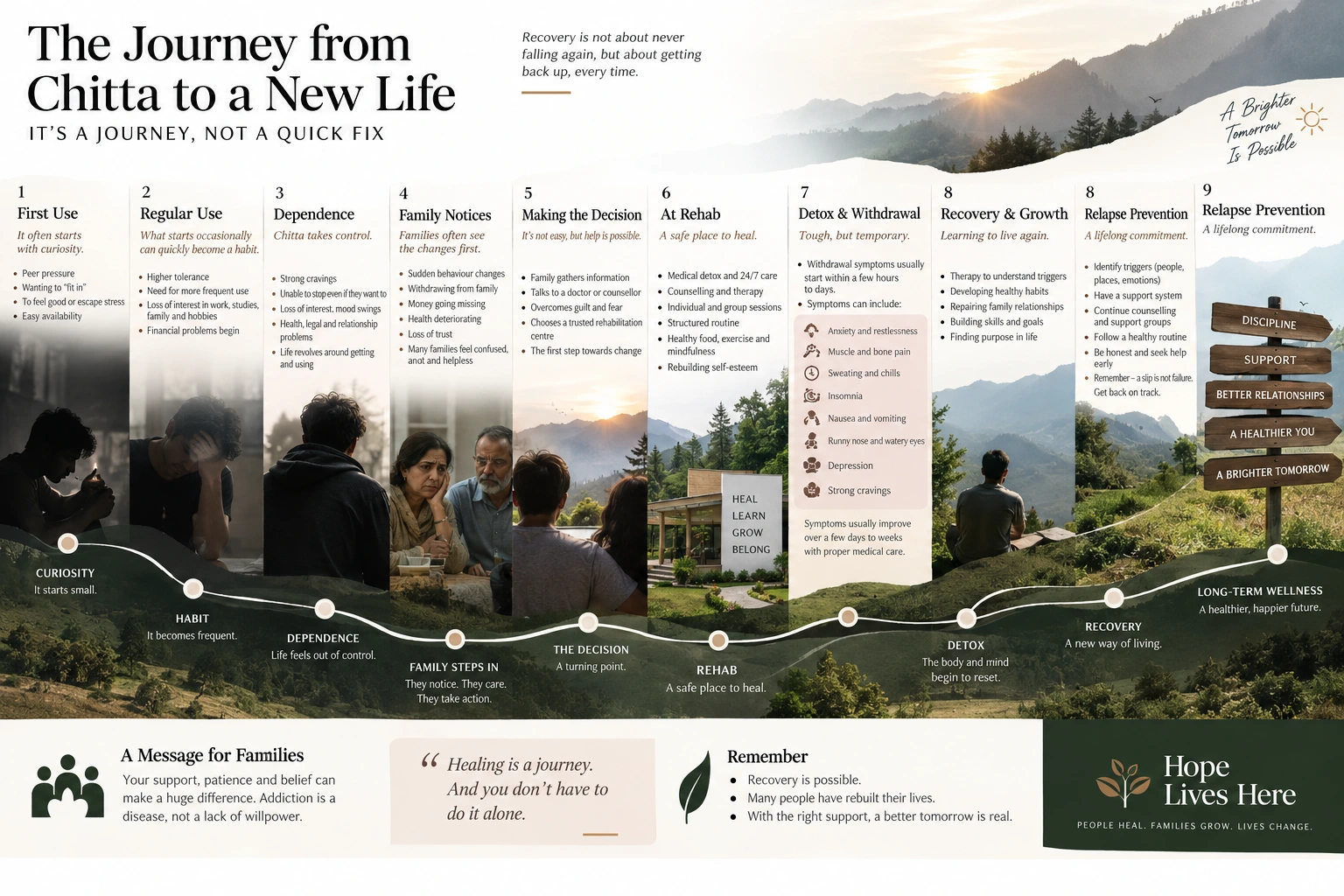
How Our 60-90-180 Days, 8-Stage Programme Rebuilds a Young Man's Life
Want to know what happens in a rehab centre once your son is admitted? At Eshan Charitable Trust, our 60-90-180 days residential de-addiction programme is structured into eight clinical stages:
- Stage 1: Complete Medical & Psychiatric EvaluationA thorough assessment of every substance used, physical health, liver and infection status, and family history.
- Stage 2: Medically Supervised DetoxificationSafe, monitored withdrawal using doctor-prescribed medicines, fluids, nutritious food, and nursing care so he does not suffer unnecessary pain.
- Stage 3: Dual Diagnosis Psychiatric TreatmentMedical care for underlying depression, anxiety, trauma, or substance-induced psychosis.
- Stage 4: One-to-One CBT & Psychological CounsellingIndividual sessions with our psychologist and MSW counsellors to address root causes, guilt, and peer pressure.
- Stage 5: 12-Step Programme & Group TherapyDaily structured peer groups that replace secrecy and shame with honesty and accountability.
- Stage 6: Daily Yoga, Meditation & Physical FitnessA disciplined daily routine of morning yoga, pranayama, and exercise to restore natural sleep and mental calm. Read more in our guide on yoga for stress and anxiety.
- Stage 7: Family Counselling SessionsHelping parents and spouses from Chamba heal broken trust and set healthy, non-enabling boundaries at home.
- Stage 8: Vocational Training & Relapse Prevention PlanBuilding a practical 90-day plan for his return to Chamba, including HALT trigger management (Hungry, Angry, Lonely, Tired) and ongoing follow-up check-ins.
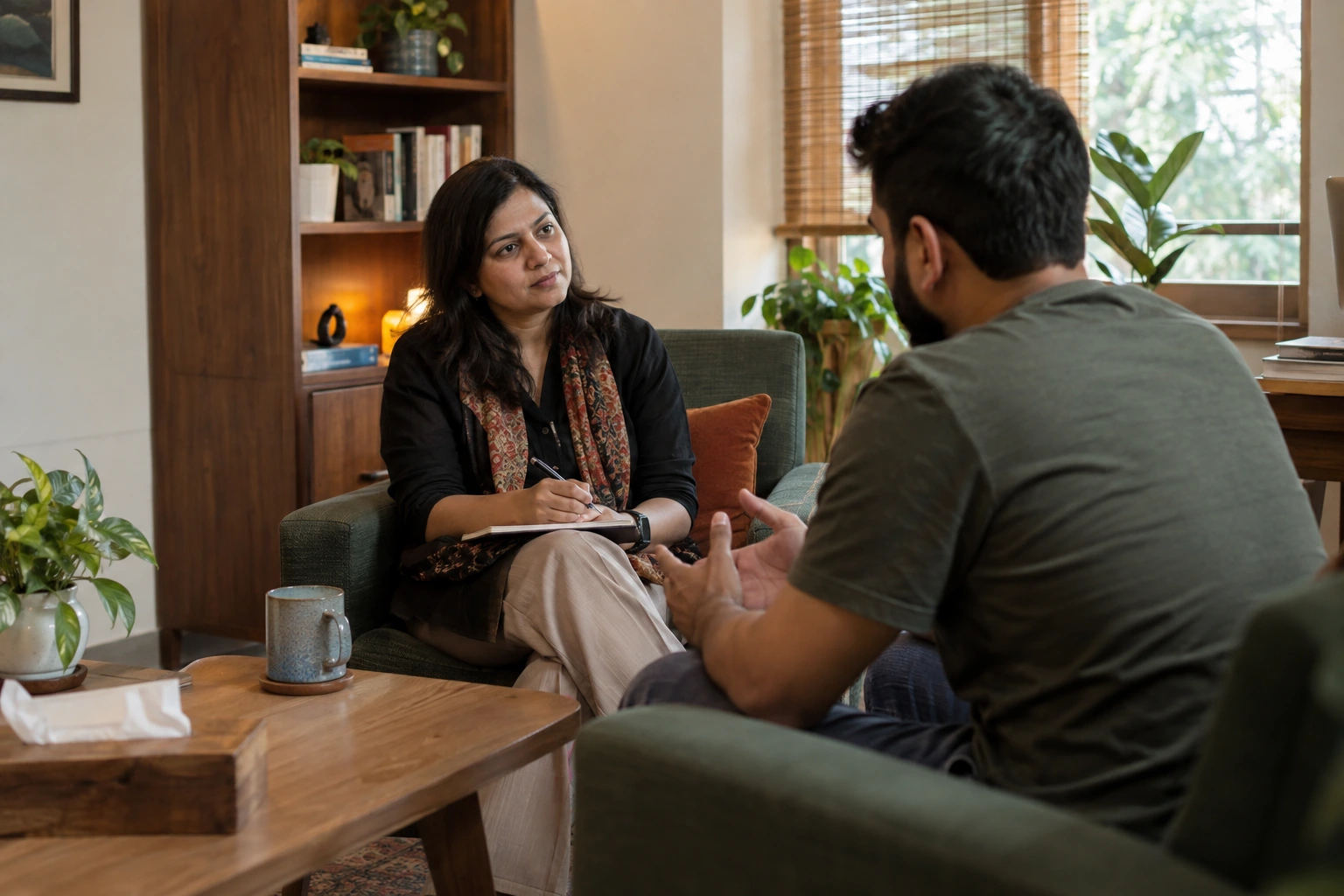
Supporting Families Across Every Subdivision of Chamba District
Our team works closely with families from every town and valley in Chamba district—including Chamba Town (Sultanpur, Parel, Hardaspura, Mugla), Dalhousie, Banikhet, Bhattiyat (Chowari, Sihunta), Salooni, Churah (Tissa, Bhanjraru), Bharmour, and Pangi. Explore our dedicated regional pages below:
Serving families across Chamba Town, Dalhousie, Banikhet, Chowari, Sihunta, Salooni, Tissa, and Bharmour with 24x7 support at +91 62304 15581.
6 Myths About Rehab and Addiction That Delay Treatment in Chamba
Myth 1: "Any rehab centre is fine as long as the gate is locked."
Truth: A locked gate without a psychiatrist, medical detox, and CBT counselling is just a cage. Once the gate opens, an untreated mind goes straight back to the drug.
Myth 2: "A 10-day or 15-day stay is enough to cure chitta addiction."
Truth: Detox clears the body in 7 to 10 days, but healing brain cravings and changing habits requires a structured 60-90-180 days programme.
Myth 3: "Secret medicine mixed into his food ('bina bataye dawa') will cure his drinking at home."
Truth: Unprescribed chemical powders given without a doctor's examination and without the patient's knowledge can cause fatal heart or liver reactions when mixed with alcohol.
Myth 4: "Going to a registered Nasha Mukti Kendra will put his name in police records."
Truth: Voluntary admission is 100% confidential under Section 23 of the Mental Healthcare Act, 2017, and NDPS Section 64A protects addicts who volunteer for treatment.
Myth 5: "All private rehab centres charge ₹50,000 a month or beat patients."
Truth: Eshan Charitable Trust is an HPSMHA-registered charitable trust with a strict zero-violence policy and transparent monthly fees starting at ₹12,500.
Myth 6: "If we get him married in Chamba, family responsibility will make him quit."
Truth: Marriage never cures chitta or alcohol dependence; it only brings another person into the crisis. Complete medical treatment first.
About Eshan Charitable Trust: Ethical, Government-Registered & Affordable Recovery
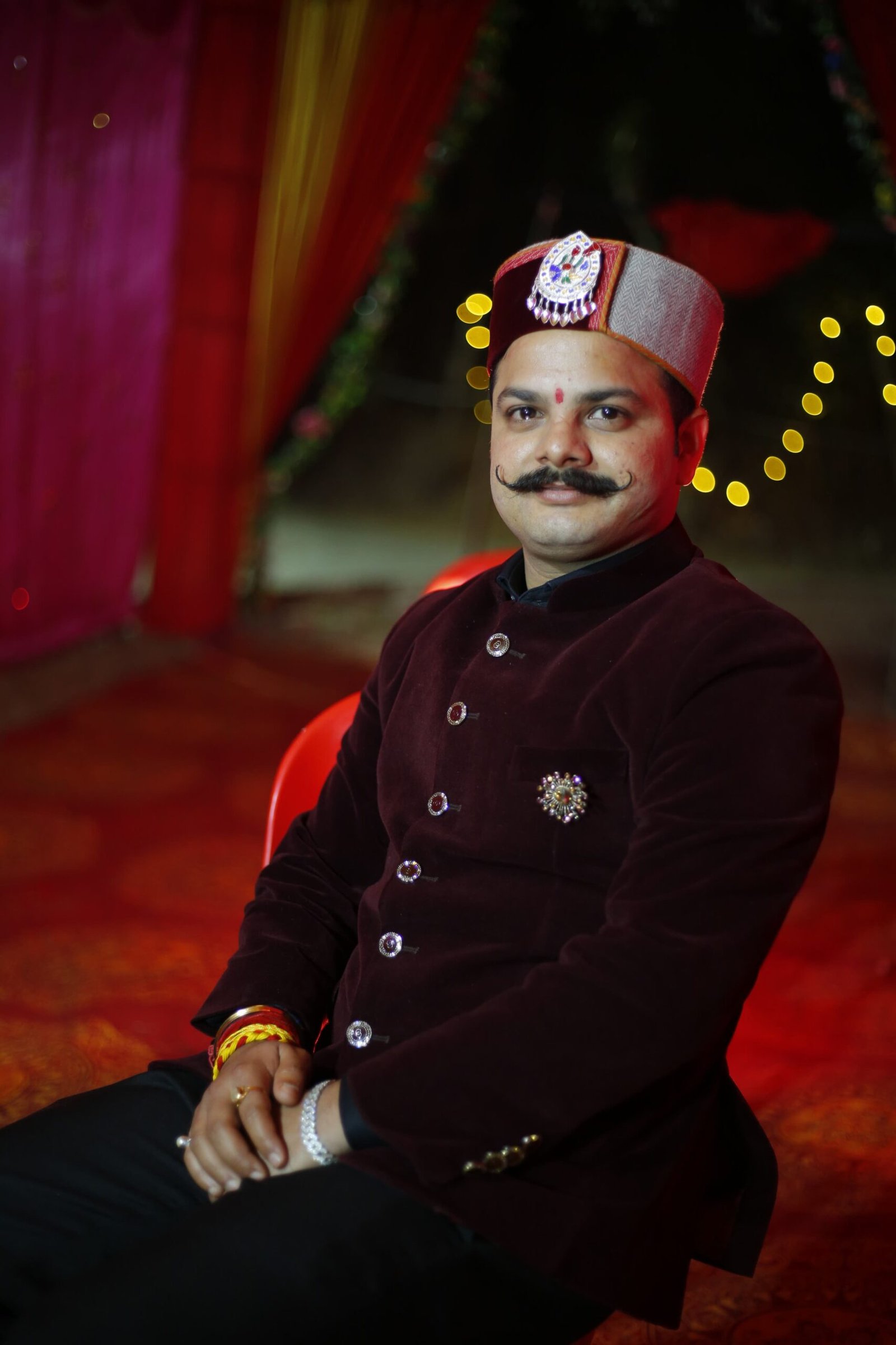
Eshan Pathania, Founder and Managing Trustee
Why Eshan Charitable Trust Was Founded for Himachali Families
Eshan Pathania, Founder and Managing Trustee of Eshan Charitable Trust, established this centre with one clear mission: no family in Himachal Pradesh should have to choose between unpayable private rehab bills and unsafe, unregistered lock-ups.
Seeing that ordinary families across Chamba, Kangra, and Mandi could not afford private rehab fees of ₹40,000 to ₹80,000 a month, the trust was built as the most affordable nasha mukti kendra in Himachal—keeping monthly fees low, stating every cost openly on day one, and providing full medical and psychiatric care under government registration.
Transparent Monthly Fees (Stated Plainly From Day One)
| Residential Plan | Accommodation & Diet | Monthly Fee |
|---|---|---|
| Shared Residential Care | Shared room, nutritious standard diet | ₹12,500 per month |
| B Caring | Deluxe room, twin sharing, upgraded diet | ₹25,000 per month |
| A Caring | Private room, single occupancy, upgraded diet | ₹40,000 per month |
| Medically Supervised Detox | One-time fee at admission for medical withdrawal care | ₹6,000 one time |
Equal Clinical Care in Every Plan: The medical treatment, doctor and psychiatrist reviews, prescribed medicines, individual CBT counselling, 12-step group therapy, yoga, and family counselling are 100% identical across all three plans. Only the room occupancy and diet preferences change.
What Every Chamba Family Can Verify
- HPSMHA Registration: Provisional Registration Sr. No. 193, issued 14/05/2026 by the HP State Mental Health Authority, Shimla, under Sections 66(4) and 66(11) of the Mental Healthcare Act 2017.
- Registered Charitable Trust: Regd. No. 2025/19/IV/123 (Sub-Registrar-I, Kashmere Gate, Delhi).
- Clinical & Support Team: Medical review by Dr. Devasheesh Sharma (MBBS, DNB Psychiatry, HPMC Reg. No. 5263) and Dr. Aditya Thakur (MBBS, HPMC Reg. No. 6218), supported full-time by a psychologist, MSW counsellors, pharmacist, staff nurse, yoga instructor, and vocational trainer.
- Who We Admit: Residential care for men aged 18 and above in a 60-90-180 days, 8-stage programme treating chitta, heroin, smack, brown sugar, alcohol, charas, ganja, bhang, opium, doda, bhukki, tramadol, codeine syrup, alprazolam, cocaine, MDMA, injecting use, and mixed use.
25 Frequently Asked Questions: Why Choosing the Right Rehabilitation Center in Chamba Matters
1. Why Choosing the Right Rehabilitation Center in Chamba Matters so much for recovery?
Why Choosing the Right Rehabilitation Center in Chamba Matters comes down to medical safety and relapse prevention. Unregistered lock-ups without doctors subject patients to painful "cold turkey" withdrawal or physical beatings, leading to immediate relapse and high overdose risk upon release. Choosing an HPSMHA-registered facility like Eshan Charitable Trust ensures safe medical detox, psychiatric care, and a structured 60-90-180 days recovery plan.
2. How can a Chamba family verify if a rehabilitation center is legally registered?
Ask the centre to show its registration certificate issued by the Himachal Pradesh State Mental Health Authority (HPSMHA), Shimla, under Sections 65 and 66 of the Mental Healthcare Act, 2017. Eshan Charitable Trust holds HPSMHA Provisional Registration Sr. No. 193, issued 14/05/2026, which families can inspect in person.
3. Why is a 5-day hospital detox or OPD visit in Chamba not enough for chitta addiction?
A 5-day detox only clears the chemical from the bloodstream; it does not heal the brain pathways that trigger intense cravings. With 25 panchayats and MC areas in Chamba designated as Drug Red Zones, returning home right after detox exposes a young man to the same dealers and friends, resulting in rapid relapse.
4. Where is Eshan Charitable Trust located, and how do Chamba families reach it?
Eshan Charitable Trust is located at Village Tanda Kholi (near the FCI Godown and Dr. RPGMC Tanda Medical College) in Kangra district. It is a direct drive for families from Chamba, Dalhousie, Banikhet, Chowari, and Sihunta via the Banikhet-Nurpur-Kotla highway or Jot Pass, offering safe distance from local Chamba peddlers while remaining easy for parents to visit.
5. What are the monthly fees at Eshan Charitable Trust for Chamba residents?
Our monthly fees are ₹12,500 for Shared Residential Care, ₹25,000 for B Caring (deluxe twin-sharing room), and ₹40,000 for A Caring (private single room), plus a one-time fee of ₹6,000 at admission for medically supervised detox. All three plans receive the exact same medical treatment, medicines, counselling, and meals.
6. How long does the rehabilitation programme take: 60, 90, or 180 days?
We offer structured 60-90-180 days residential programmes across 8 clinical stages, depending on the substance used, duration of addiction, and clinical progress. For severe chitta or long-term mixed addiction, completing the full 180-day programme provides the strongest protection against relapse.
7. What happens if we admit our son to an unlicensed rehab centre to save money?
Unlicensed centres often lack doctors, nurses, and psychiatrists, pack dozens of men into unsafe rooms, and use senior inmates to enforce harsh "TC punishments" or beatings. In Himachal, the HPSMHA has shut down multiple such centres following inmate deaths and abuse complaints.
8. Does any beating or physical punishment happen at Eshan Charitable Trust?
Never. We strictly follow Sections 20 and 97 of the Mental Healthcare Act, 2017, with a 100% zero-violence policy. We never allow beating, chaining, solitary lock-ups, or senior residents controlling newcomers.
9. How do your doctors manage painful chitta withdrawal during the first week?
During our medically supervised detox stage, registered doctors and nursing staff provide prescribed medications, hydration, and nutritional support that calm bone aches, stomach cramps, nausea, and insomnia safely.
10. Why is stopping heavy alcohol (sharab) or sleeping pills at home in Chamba dangerous?
Stopping chronic heavy drinking or alprazolam sleeping pills suddenly without a doctor's tapering protocol can trigger life-threatening grand mal seizures and Delirium Tremens (DTs) within 48 to 96 hours. Always choose medically supervised detox.
11. Do you treat charas psychosis, cocaine, MDMA, and chemist pill addiction for Chamba youth?
Yes. Alongside chitta, heroin, smack, and alcohol, we treat charas, ganja, bhang, cannabis-induced psychosis, cocaine, MDMA, opium (afeem), doda, bhukki, tramadol, codeine syrup, alprazolam, injecting use, and mixed substance abuse.
12. Does Pt. Jawahar Lal Nehru Government Medical College (GMC Chamba) have a long-term rehab ward?
GMC Chamba has a Psychiatry OPD (Monday to Saturday, 9 AM to 4 PM) for outpatient consultations and handles acute medical emergencies, but it does not have a long-term 60-90-180 days residential rehabilitation ward for behavioural recovery.
13. Will admitting my son to Eshan Charitable Trust create a police record in Chamba?
No. Voluntary medical admission is strictly confidential under Section 23 of the Mental Healthcare Act, 2017. Additionally, Section 64A of the NDPS Act provides legal protection from prosecution to addicts who volunteer for treatment at a registered institution.
14. Why are late-night "pickup services" that tie up patients illegal and harmful?
Under the Mental Healthcare Act, 2017, kidnapping or tying up a person at home is illegal and destroys family trust. Instead, call our counsellors at +91 62304 15581 to plan a calm, respectful morning family intervention.
15. Who are the medical reviewers and clinical staff at Eshan Charitable Trust?
Our clinical protocols and medical content are reviewed by Dr. Devasheesh Sharma (MBBS, DNB Psychiatry, HPMC Reg. No. 5263) and Dr. Aditya Thakur (MBBS, HPMC Reg. No. 6218), and our full-time team includes a psychologist, MSW counsellors, a pharmacist, a staff nurse, a yoga instructor, and a vocational trainer.
16. Can parents from Chamba, Dalhousie, or Bharmour inspect the rooms before admission?
Yes. We encourage parents from across Chamba district to visit our campus in Village Tanda Kholi, inspect the bedrooms, dining hall, and HPSMHA registration certificate, and meet our clinical team before admitting their son.
17. What medical tests should a young man in Chamba who injected chitta undergo?
Anyone who has used syringes or shared needles should be screened for Hepatitis B, Hepatitis C, HIV, liver and kidney function, and vein infections. Our medical team arranges complete testing alongside detox.
18. Does Eshan Charitable Trust admit women?
No, our residential centre is exclusively for men aged 18 and above. For women in Himachal Pradesh, the government-run Nav Jeevan Women's De-Addiction and Rehabilitation Centre at Mashobra near Shimla is available.
19. Do secret de-addiction powders mixed in food ("bina bataye dawa") work?
No. Giving unprescribed chemical powders secretly in food or tea without a doctor's examination is dangerous and can cause severe liver damage, low blood pressure, or fatal heart reactions when combined with alcohol.
20. How does family counselling help parents and wives in Chamba?
Addiction creates deep stress, guilt, and arguments at home. Our family counselling sessions teach parents and spouses how to stop enabling the habit with cash, how to spot early relapse signs, and how to support recovery calmly.
21. How do we prevent relapse once our son returns home to Chamba?
Before discharge, we create a written 90-day relapse prevention plan: changing his phone number to block old dealers, keeping zero cash or alcohol at home, maintaining a daily work and yoga routine, watching for HALT triggers (Hungry, Angry, Lonely, Tired), and attending regular follow-up sessions.
22. What should we do if our son slips or relapses after coming home?
Stay calm and do not panic. Contact our counsellors on the same day, watch closely for overdose because his tolerance is lower after rehab, and arrange a prompt follow-up or short booster stay before the slip turns into full dependence.
23. How can Chamba residents report a local chitta or charas dealer anonymously?
You can report drug peddlers without revealing your identity by calling the Narcotics Control Bureau's toll-free MANAS helpline at 1933 or using the Himachal Police 'Drug Free Himachal' mobile app.
24. What should we do in an acute chitta overdose emergency in Chamba?
If someone cannot be woken, has tiny pinpoint pupils, and has slow, gurgling, or stopped breathing, call the emergency ambulance number listed in the emergency section below and rush him to GMC Chamba emergency casualty or the nearest Civil Hospital for oxygen and Naloxone resuscitation.
25. How can a Chamba family contact Eshan Charitable Trust right now?
Call or WhatsApp us 24x7 at +91 62304 15581, email info@eshancharitabletrust.org, or visit our Nasha Mukti Kendra in Chamba page and contact page for immediate, confidential help.
Emergency Overdose Protocol & Government Helplines for Chamba District
While Eshan Charitable Trust provides planned residential detox and 60-90-180 days rehabilitation (+91 62304 15581), every Chamba household should also keep government emergency and counselling numbers saved for acute crises:
Recognising an Acute Opioid / Chitta Overdose (WHO Triad):
If an acute medical overdose happens in Chamba town, Dalhousie, Chowari, Tissa, or Bharmour, rub hard on the centre of the chest, place the person on their left side (recovery position) if breathing, start CPR if breathing has stopped, call the emergency ambulance immediately, and rush to Pt. Jawahar Lal Nehru Government Medical College & Hospital (GMC Chamba) or the nearest Civil Hospital so doctors can administer Naloxone.
| Government Helpline / Facility | Contact Number & Purpose |
|---|---|
| Eshan Charitable Trust 24x7 Admission & Rehab Helpline | +91 62304 15581 (24x7 Call & WhatsApp for residential detox, admission & family counselling) |
| National Toll-Free De-Addiction Helpline | 14446 (24x7 confidential counselling under Nasha Mukt Bharat Abhiyaan) |
| Tele MANAS (Govt. of India Mental Health Helpline) | 14416 or 1-800-891-4416 (Free 24x7 mental health support) |
| Pt. Jawahar Lal Nehru Govt. Medical College (GMC), Chamba | 01899-223959 (24x7 Emergency casualty & Mon-Sat Psychiatry OPD in Chamba town) |
| Red Cross De-Addiction Centres (Nurpur & Dharamshala) | Nurpur IRCA: 01893-221200 | Dharamshala Prayas Bhawan: 01892-224408 (Red Cross office: 01892-224888) |
| Dr. Rajendra Prasad Govt. Medical College (RPGMC), Tanda | State nodal Centre of Excellence for Mental Health and de-addiction in Kangra |
| Nav Jeevan Women's De-Addiction Centre (For Women) | Mashobra, Shimla (Himachal's first government-run women's rehab centre) |
| Report Drug Trafficking Anonymously | 1933 (NCB MANAS Helpline) & Drug Free Himachal Mobile App (Chamba Police Control: 01899-222242) |
| Acute Medical Emergency Ambulance & Police | 108 (Medical Emergency Ambulance) & 112 (Emergency Response) |
For more details on public facilities across Himachal, read our guides on government nasha mukti kendras in Himachal Pradesh, government de-addiction centres in Shimla, and government nasha mukti kendras in Manali.
A Final Word for Chamba Families
Now that you understand Why Choosing the Right Rehabilitation Center in Chamba Matters, remember that you do not have to make this decision in the dark. Ask questions, check registration certificates, and choose a centre that treats your son with medical science and human dignity.
Call or WhatsApp our team tonight. Asking for guidance costs nothing, and every conversation is kept strictly confidential.
Sources and References
Every statistic, Chamba district news report, and clinical guideline in this post is verified from the official sources below. No victim, arrested person, or family has been named.
- The Tribune. 25 Chamba panchayats, MC areas designated drug red zones; 575.99g chitta and 19.996kg charas seized, October 2026.
- The Tribune. 228 gm heroin, 32 kg charas seized in Chamba; 18 chemist shop licences suspended after 212 inspections.
- The Tribune. Three held with 1.564 kg charas near Dalhousie on Chamba-Pathankot National Highway, January 2026.
- Department of Information & Public Relations, Himachal Pradesh Government. Press Release on NDPS & Excise enforcement operations, March 2026.
- Pt. Jawahar Lal Nehru Government Medical College & Hospital (GMC), Chamba Official Portal.
- District Administration Chamba, Government of Himachal Pradesh. Official Police Subdivisions & Directory, November 2026.
- Government of India. The Mental Healthcare Act, 2017 (Sections 20, 23, 65, 66, 97), India Code.
- World Health Organization (WHO). Opioid Overdose Fact Sheet, August 2025.
- MedlinePlus, US National Library of Medicine. Opiate and Opioid Withdrawal Medical Encyclopedia.
- MedlinePlus, US National Library of Medicine. Delirium Tremens and Acute Alcohol Withdrawal.
- NDDTC, AIIMS New Delhi, Ministry of Social Justice and Empowerment. Magnitude of Substance Use in India, 2019.
- Ministry of Health and Family Welfare, Government of India. Tele MANAS (14416) National Tele Mental Health Programme.
- Ministry of Social Justice and Empowerment. Nasha Mukt Bharat Abhiyaan (14446 Helpline).
- Outlook India. Himachal intensifies anti-chitta drive amid rising drug abuse (1,967 NDPS cases), January 2026.
- ETV Bharat. 66 drug overdose deaths in Himachal over three years and 34% youth chitta survey, April 2026.
- The Tribune. Following inmates' deaths, 2 de-addiction centres shut by HPSMHA.
- The Tribune. 14 Himachal de-addiction centres close down; HPSMHA notes complaints of force.
- The Tribune. Rehab centres under scanner in Una district for overcrowding.
- The Tribune. Lack of govt rehab centres in Kangra worsens drug crisis.
- United News of India (UNI). Red Cross de-addiction centres in Dharamshala and Nurpur helping youth recover, May 2026.
- The Policy Edge. Himachal Pradesh launches Nav Jeevan, first government-run women's de-addiction centre at Mashobra, June 2026.
- National Informatics Centre (NIC). Drug Free Himachal Mobile Application.
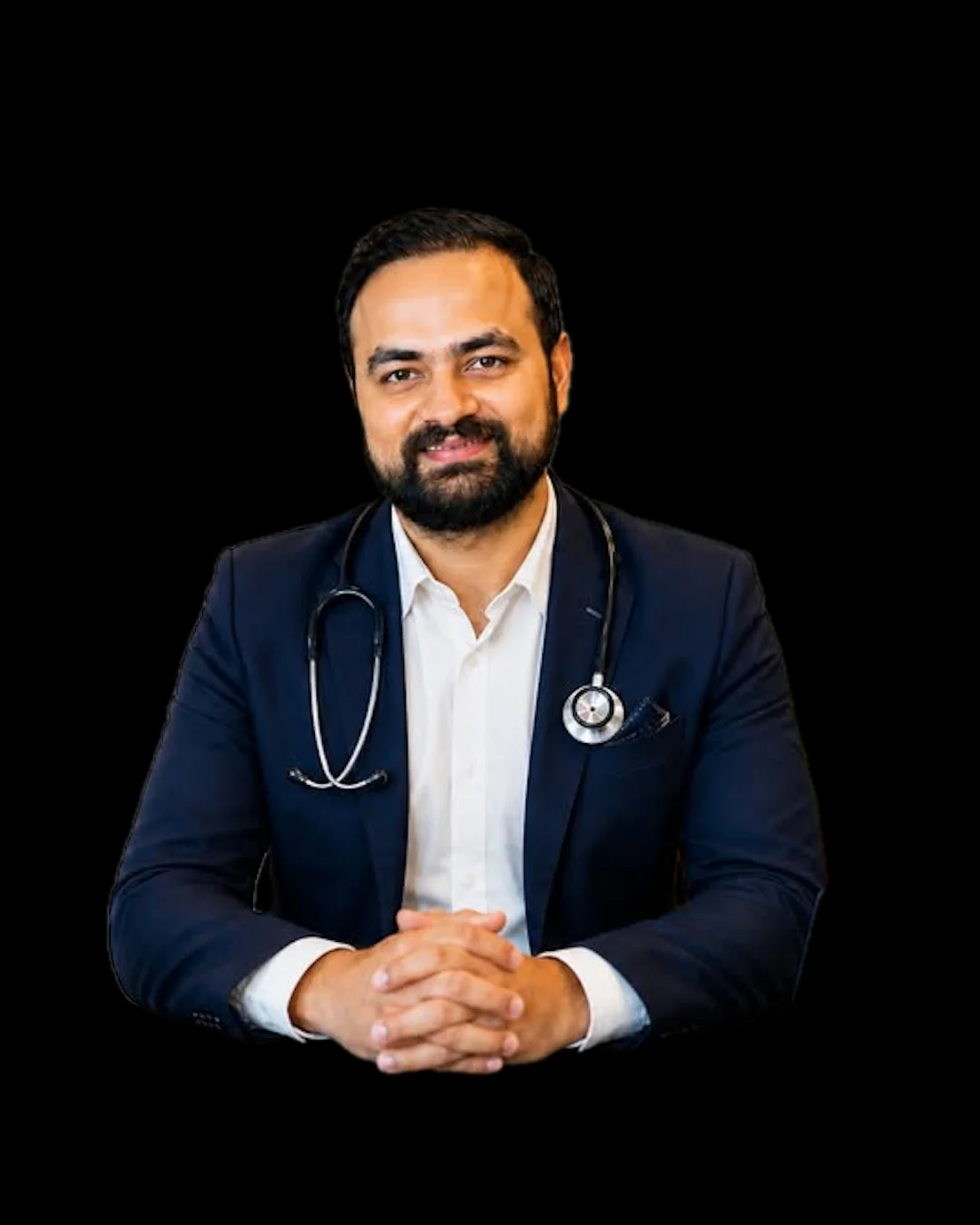
Dr. Devasheesh Sharma, MBBS, DNB (Psychiatry)
Psychiatrist. Himachal Pradesh Medical Council Reg. No. 5263.
Dr. Aditya Thakur, MBBS
Registered Medical Practitioner. Himachal Pradesh Medical Council Reg. No. 6218.
Eshan Charitable Trust Team
The clinical counsellors and care staff at our Nasha Mukti Kendra serving Chamba and Kangra. Last reviewed on 15 November 2026.
Disclaimer: This guide provides verified educational and local resource information for Chamba families and does not replace an in-person examination by a qualified physician or psychiatrist.