
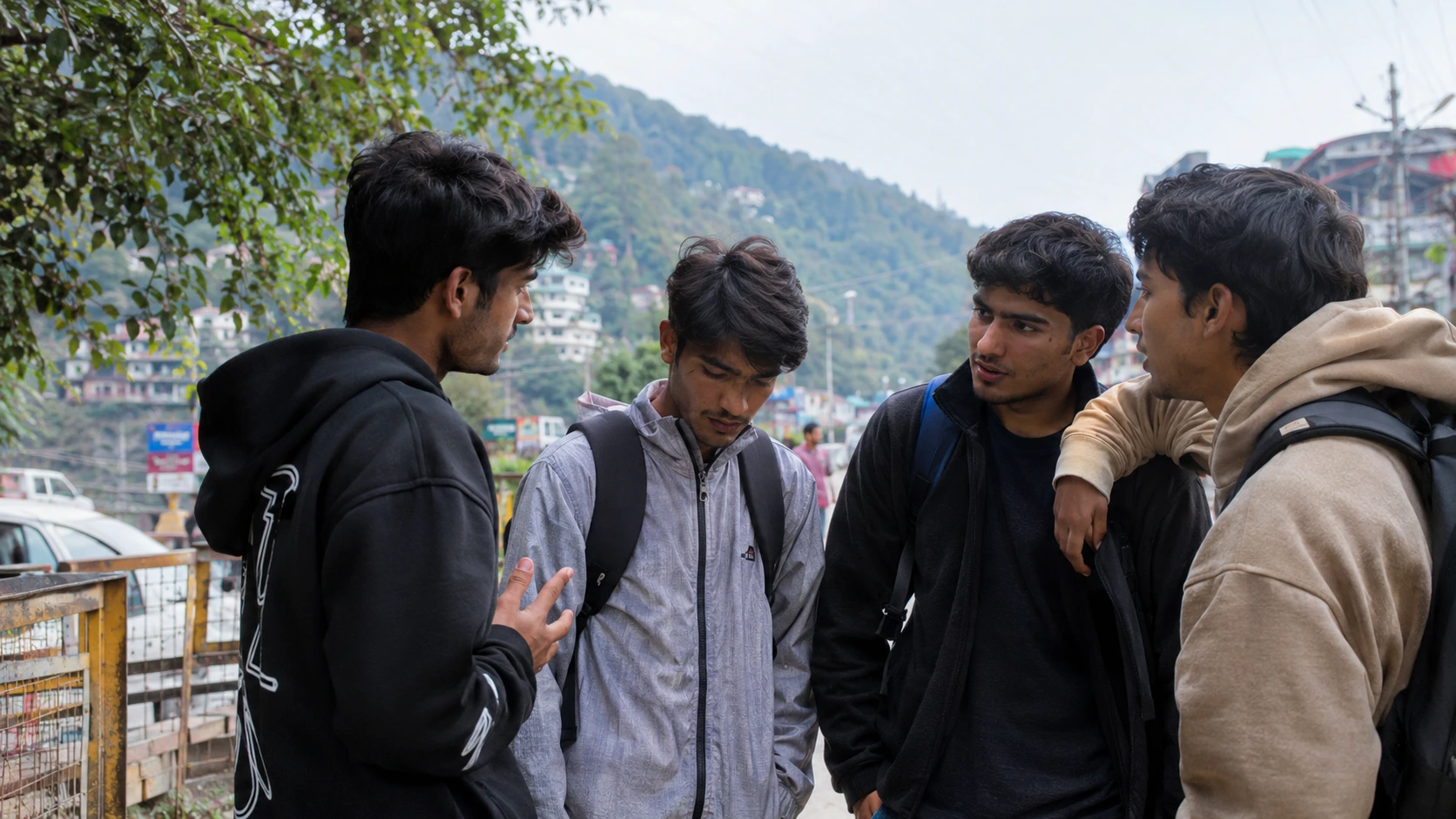
Searching for the Best Rehabilitation Center in Chamba: How to Choose the Right Facility is not an academic exercise when your son, brother, or husband is losing his health to chitta (चिट्टा), sharab (शराब), charas (चरस), cocaine, or chemist pills. Across Chamba town, Sultanpur, Parel, Hardaspura, Dalhousie, Banikhet, Chowari, Sihunta, Salooni, Tissa (Churah), and Bharmour, worried parents are waking up at 2 AM and typing rehab near me or Nasha Mukti Kendra in Chamba into their phones. For immediate, confidential admission guidance, call or WhatsApp our 24x7 desk at +91 62304 15581.
Here is the honest ground reality every Chamba family needs to know first: while Pt. Jawahar Lal Nehru Government Medical College (GMC Chamba) provides daytime psychiatric OPD care, Chamba district has almost no full-scale, long-term residential rehabilitation beds inside the town itself, and the proposed government centre in Bhattiyat subdivision has faced repeated delays. Because of this gap, many Chamba families mistakenly send their sons to unverified, unlicensed lock-ups in border towns where boys face physical beatings instead of medical care.
This comprehensive guide was written by the clinical team at Eshan Charitable Trust, the premier government-registered Nasha Mukti Kendra in Chamba and Kangra region, and medically reviewed by a psychiatrist. Whether you suspect ghar mein koi chitta le रहा है or you are looking for an affordable sharab chudane ka kendra, this page gives you verified Chamba statistics, a 10-point facility checklist, flexible 60-90-180 days residential care options, and transparent monthly fees starting at ₹12,500.
- Call our 24x7 Chamba Helpline first: Speak directly with our counsellors at +91 62304 15581 to plan a calm, safe admission without panic or force.
- 25 Chamba Panchayats & MC Areas Are Now "Drug Red Zones": Official Chamba NCORD records show that synthetic heroin (chitta) and charas networks are actively targeting youth inside Chamba town, Dalhousie, and Bhattiyat.
- OPD vs. 60-90-180 Days Residential Rehab: A 5-day detox or an OPD prescription cannot stop relapse if your son walks straight back to the same dealer near Chaugan, Sultanpur, or Banikhet. He needs a structured 60-90-180 days residential stay tailored to his recovery progress.
- Always Verify HPSMHA Registration: Never admit your son to any facility that cannot show a valid Himachal Pradesh State Mental Health Authority (HPSMHA) registration certificate under the Mental Healthcare Act, 2017.
- Transparent Charitable Fees: At Eshan Charitable Trust (HPSMHA Reg. Sr. No. 193), Shared Residential Care is ₹12,500/month, B Caring is ₹25,000/month, A Caring is ₹40,000/month, and medically supervised detox is ₹6,000 one time.
Chitta, Charas & Drug Abuse in Chamba District: What Official 2025-2026 Data Shows
Many parents in Chamba feel isolated and wonder how hard drugs reached their doorstep. Official police seizures, district Narco Coordination Committee (NCORD) reports, and news investigations from Chamba show why finding the Best Rehabilitation Center in Chamba has become an urgent priority for local households.
Chamba panchayats and Municipal Council (MC) areas officially designated as "Drug Red Zones" by the Chamba district administration in October 2026. Source: The Tribune
of heroin (chitta) and 19.996 kg of charas seized by Chamba Police during the recent district crackdown reported at the Chamba NCORD review. Source: The Tribune
chemist shop licences suspended in Chamba district following 212 drug inspector raids for illegal sale of habit-forming pills and syrups. Source: The Tribune
NDPS Act cases registered across Himachal Pradesh in 2025, alongside 66 youth overdose deaths between 2023 and 2025. Source: Outlook India
Dated Timeline: Recent Drug Seizures & Official Actions Across Chamba & Dalhousie
- December 2024 to 2025 (Chamba District Review)Chamba Police registered 82 NDPS Act cases and seized 32 kg of charas and 228 grams of chitta, while the District Drug Inspector inspected 212 chemist shops and suspended 18 licences to curb goliyon ka nasha (tramadol, alprazolam, and codeine syrups).
- September 2025 (Bhattiyat Subdivision, Chamba)The Chamba Deputy Commissioner ordered repairs to a proposed de-addiction building in Bhattiyat, and in August 2026 the state government confirmed that Chamba's government residential centre was still in the establishment phase, leaving families reliant on outside registered centres.
- January 2026 (Dalhousie & Chamba-Pathankot Highway)A police team patrolling the Chamba-Pathankot National Highway near Dalhousie arrested three individuals with 1.564 kg of charas, highlighting how the Pathankot-Banikhet-Chamba highway serves as a two-way corridor where charas moves out and synthetic chitta moves in.
- March 2026 (Dalhousie, Chamba)Chamba police arrested two peddlers with 4.6 kg of charas in Dalhousie during heightened highway nakas.
- October 2026 (Chamba Town & District Red Zones)Following the arrest of a peddler with 7.87 grams of chitta in Chamba on 16 October 2026, the Chamba Deputy Commissioner chaired the district NCORD meeting on 28 October 2026 and designated 25 Chamba panchayats and Municipal Council wards as Drug Red Zones, reporting total seizures of 575.99 grams of chitta and 19.996 kg of charas.
In keeping with strict medical ethics, we never name any arrested individual, victim, or family. What matters for parents in Chamba is what these numbers prove: synthetic chitta entering via the Pathankot-Banikhet highway, local charas from upper valleys, illegal chemist pills, and heavy alcohol use are trapping young men in every block of Chamba district.
What Our Rehabilitation Center Treats for Chamba Families: Chitta, Sharab, Charas, Cocaine & Pills
When families look for the Best Rehabilitation Center in Chamba, they often deal with more than one addiction. A young man may smoke chitta on foil during the week, drink heavy alcohol (शराब) at weddings or weekends, and pop sleeping pills when he cannot find heroin. At Eshan Charitable Trust, our medical and psychiatric team treats every substance pattern seen in Chamba district:
1. Chitta, Heroin, Smack & Brown Sugar Center
Chitta (diacetylmorphine) is a synthetic opioid laced with toxic chemical adulterants. Youth in Chamba Town, Sultanpur, Parel, and Banikhet start by smoking it on silver foil ("chasing") and quickly progress to intravenous syringe injections. According to MedlinePlus, opioids create rapid physical tolerance and excruciating withdrawal cramps within 6 to 12 hours. Read our step-by-step guide on chitta kaise chhode.
2. Alcohol & Sharab De-Addiction Center (शराब छुड़ाने का केंद्र)
According to the AIIMS NDDTC National Survey, alcohol is the most widely abused substance in India. In Chamba, Bharmour, Chowari, and Dalhousie, chronic daily drinking leads to liver cirrhosis, domestic distress, morning hand tremors, and financial ruin. Stopping heavy alcohol suddenly without a doctor can trigger fatal seizures and Delirium Tremens (DTs). Explore our alcohol addiction recovery programme.
3. Charas, Ganja & Bhang Treatment (चरस, गांजा और भांग)
Because Chamba's Churah (Tissa), Salooni, and upper valleys have historically had wild cannabis growth, many youth treat charas as harmless. In reality, high-potency charas causes severe memory loss, academic drop-out, extreme paranoia, and cannabis-induced psychosis (hallucinations and suspicious delusions) requiring psychiatric treatment and cognitive behavioural therapy.
4. Cocaine, MDMA & Party Drugs Treatment
With tourist movement around Dalhousie, Khajjiar, and Banikhet, stimulants like cocaine and MDMA (ecstasy) have entered youth circles alongside alcohol. Stimulants cause severe heart strain, panic attacks, paranoia, and deep clinical depression during the "crash" phase, requiring specialized psychological and dual-diagnosis care.
5. Goliyon Ka Nasha: Tramadol, Alprazolam & Codeine Syrup
As shown by the suspension of 18 chemist licences in Chamba, opioid painkillers (Tramadol), sedative sleeping pills (Alprazolam), and Codeine cough syrups are heavily abused whenever chitta supplies tighten. Stopping benzodiazepine pills abruptly can cause life-threatening seizures, so our doctors use a slow, medically supervised tapering protocol.
6. Opium (Afeem), Doda, Bhukki & Injecting / Mixed Use
In border belts like Sihunta, Chowari, and Bhattiyat, traditional poppy husk (doda/bhukki) and opium (अफीम) are often mixed with alcohol or synthetic opioids. For young men who share syringes for injecting chitta, our medical team also arranges screening and care for vein abscesses, Hepatitis B, Hepatitis C, and HIV.
Why Chamba Families Must Look Beyond Outpatient Clinics for 60-90-180 Days Residential Recovery
When a family in Chamba discovers addiction at home, their first instinct is to visit Pt. Jawahar Lal Nehru Government Medical College (GMC Chamba) or a local chemist. GMC Chamba has a dedicated Psychiatry OPD (open Monday to Saturday, 9 AM to 4 PM) that is helpful for initial medical consultation and outpatient prescriptions.
However, as documented in our verified guide on the Top 5 Nasha Mukti Kendra options for Chamba, GMC Chamba does not have a long-term residential rehabilitation ward, and the government's proposed de-addiction centre in Chamba district is still being established. If a young man takes 5 days of detox medicine at home in Chamba town, Hardaspura, or Banikhet and steps out on day 6, he immediately runs into the same using friends and peddlers in one of Chamba's 25 drug red zones.
This is why hundreds of families from Chamba, Dalhousie, Chowari, and Sihunta bring their sons down the Chamba-Nurpur-Kangra highway to Eshan Charitable Trust in Village Tanda Kholi, Kangra (right beside Dr. RPGMC Tanda Medical College). It gives your son two things that are impossible inside Chamba town:
- Complete Geographic Separation from Local Chamba Dealers: He is safely away from his old friend circle and peddlers in Sultanpur, Mugla, Parel, or Banikhet during the vulnerable 60-90-180 days recovery window.
- Easy Visiting Access for Chamba Parents via the Jot Pass or Banikhet-Nurpur-Kotla Highway: Unlike sending your son to an unknown facility in Delhi or deep in another state, our centre is just a few hours' drive down the familiar Chamba-Kangra road, allowing parents and wives to visit, inspect the rooms, and attend family counselling.
Best Rehabilitation Center in Chamba: How to Choose the Right Facility (10-Point Verification Checklist)
If you type best rehabilitation center in Chamba, rehab near me, or nasha mukti kendra near me into Google, dozens of websites and middlemen will promise you a "100% guarantee in 15 days." Choosing the wrong centre can traumatise your son and drain your savings. Across Himachal, the State Mental Health Authority (HPSMHA) has had to shut down unlicensed centres after inmate deaths and act against illegal facilities using physical force.
Before you pay a single rupee or hand over your son, use this 10-point legal and medical checklist. You can also read our state-wide comparison on the best rehabilitation centre in Himachal Pradesh and the difference between a rehab centre and a nasha mukti kendra:
10 Green Flags Every Chamba Parent Must Verify
- 1. Official HPSMHA Registration Certificate: Under Sections 65 and 66 of the Mental Healthcare Act, 2017, no rehab centre in Himachal can legally operate without registration from the HP State Mental Health Authority, Shimla. Ask to see the certificate and registration number on day one (Eshan Charitable Trust holds Provisional Registration Sr. No. 193).
- 2. Qualified Psychiatrist & MBBS Doctor on Record: Detoxing from chitta, heavy sharab, or sleeping pills is a clinical process. Verify the full names and Himachal Pradesh Medical Council (HPMC) registration numbers of the reviewing psychiatrist and physician.
- 3. Medically Supervised Detoxification: Ensure the centre treats withdrawal pain with prescribed medicines, IV fluids, and nursing care rather than locking the patient in an empty room ("cold turkey").
- 4. Strict Zero-Violence Policy (No "TC Beating"): Under Section 20 and Section 97 of the Mental Healthcare Act, beating, chaining, solitary confinement, or allowing senior inmates to punish newcomers is a criminal offence.
- 5. Full-Time Multidisciplinary Team: A real rehabilitation centre employs a clinical psychologist, MSW counsellors, a staff nurse, a pharmacist, a yoga instructor, and a vocational trainer.
- 6. Openness to Pre-Admission Inspection: The centre should welcome parents from Chamba to walk inside and inspect the bedrooms, beds, washrooms, kitchen, and CCTV cameras before admitting their son.
- 7. Transparent Written Fee Structure: Every monthly fee and detox charge must be stated clearly in writing with official trust receipts. Check our rehab centre fees in Himachal Pradesh guide.
- 8. Structured 60-90-180 Days Programme (Not a 15-Day Lock-Up): Detox takes a week, but rewiring cravings and habits takes structured stages over 60, 90, or 180 days covering CBT, 12-step work, yoga, and relapse prevention.
- 9. Dedicated Family Counselling: Addiction affects the whole household. Ensure the facility conducts regular family sessions and scheduled phone/visiting calls.
- 10. Honest Medical Ethics (No "100% Cure" Lies): Walk away from any centre claiming a "100% permanent cure in 20 days" or selling secret powders to mix in food.
7 Red Flags: Walk Away Immediately If You See These
- Centres offering a late-night "pickup service" that ties up or kidnaps your son by force
- Refusing to show their HPSMHA registration certificate or doctor credentials
- Blocking parents from seeing the living quarters or bedrooms beyond the reception desk
- Allowing older inmates ("house monitors") to beat, humiliate, or punish new residents
- Demanding cash-only payments without issuing a registered trust or clinic receipt
- Packing 40 to 50 men into a small rented house with no outdoor space or medical nurse
- Promising a magic herbal or chemical powder ("bina bataye nasha chudane ki dawa")
| Verification Criteria | Unlicensed / Bad Rehab Centers | Eshan Charitable Trust (Serving Chamba Families) |
|---|---|---|
| Government Licence | Unregistered or operating on expired/fake papers | HPSMHA Provisional Reg. Sr. No. 193 & Trust Regd. No. 2025/19/IV/123 |
| Medical & Psychiatric Care | No doctor; run entirely by former addicts | Reviewed by Dr. Devasheesh Sharma (MBBS, DNB Psychiatry) & Dr. Aditya Thakur (MBBS) |
| Chitta & Alcohol Withdrawal | Locked in a room in pain ("Cold Turkey") | Medically Supervised Detox (₹6,000 one-time) with staff nurse & pharmacist |
| Patient Dignity & Safety | Harsh "TC punishments", beatings, forced labour | 100% Zero-Violence Policy under Mental Healthcare Act Section 20 |
| Programme Duration & Fees | Hidden charges, sudden demands for extra money | 60-90-180 Days | Openly stated: ₹12,500 / ₹25,000 / ₹40,000 per month |
Warning Signs at Home: How Chamba Parents Can Spot Chitta, Alcohol or Pill Addiction Early
Before a family searches for a Nasha Mukti Kendra in Chamba, there are usually months of quiet warning signs. If you notice several of these signs in your home in Chamba, Dalhousie, Chowari, or Bharmour, do not wait for a police case to act:
Physical Signs on the Body
- Pinpoint pupils: Tiny black pupils even in dim evening light (classic sign of chitta/opioids).
- Morning tremors & sweating: Shaking hands and extreme restlessness every morning until he takes his first drink of sharab or dose of chitta.
- Nodding off: Drowsiness, heavy eyelids, and slurred speech right after spending 30 minutes in the bathroom.
- Needle marks: Wearing full-sleeved jackets or shirts even in warm weather to hide syringe marks on arms, wrists, or ankles.
Behavioural & Financial Signs
- Burnt foil & tubes: Strips of aluminium foil with black burn lines, rolled currency notes, empty pen tubes, blackened spoons, or insulin syringes.
- Repeated UPI demands: Constant urgent requests for ₹500 to ₹2,000 on Google Pay or PhonePe with new excuses every day.
- Missing valuables: Cash missing from purses, gold jewellery disappearing, or borrowing money from relatives across Chamba.
- Sudden isolation & anger: Dropping out of college or work, sleeping until noon, and explosive anger when asked simple questions.
To understand why a young man behaves this way when dependent on drugs, read our detailed article on the psychology of addiction.
Why Home Detox in Chamba Fails and How Medically Supervised Detox Saves Lives
When Chamba families realize their son is on chitta or heavy alcohol, many try locking him in a bedroom at home for a week. While the intention comes from love, home lock-ups fail for three medical reasons:
- Unbearable Opioid Withdrawal Pain (Hours 6 to 72)According to MedlinePlus, stopping heroin/chitta triggers severe bone and muscle pain, abdominal cramping, continuous vomiting, diarrhoea, feverish sweating, and extreme panic. Without doctor-prescribed detox medications, the agony drives the young man to break doors, threaten self-harm, or beg until a parent relents.
- Life-Threatening Seizures in Alcohol & Pill WithdrawalIf your son drinks heavy sharab daily or takes alprazolam sleeping pills, stopping suddenly without medical tapering can trigger grand mal seizures and Delirium Tremens within 48 to 96 hours, which can be fatal without hospital/medical supervision.
- High Risk of Fatal Overdose After a Short BreakAfter 5 to 7 days without chitta in a locked room, his body's opioid tolerance drops back near zero. The moment the door is opened in Chamba or Banikhet and he takes his old usual dose with a friend, that dose is now too strong for his brain and can stop his breathing immediately.
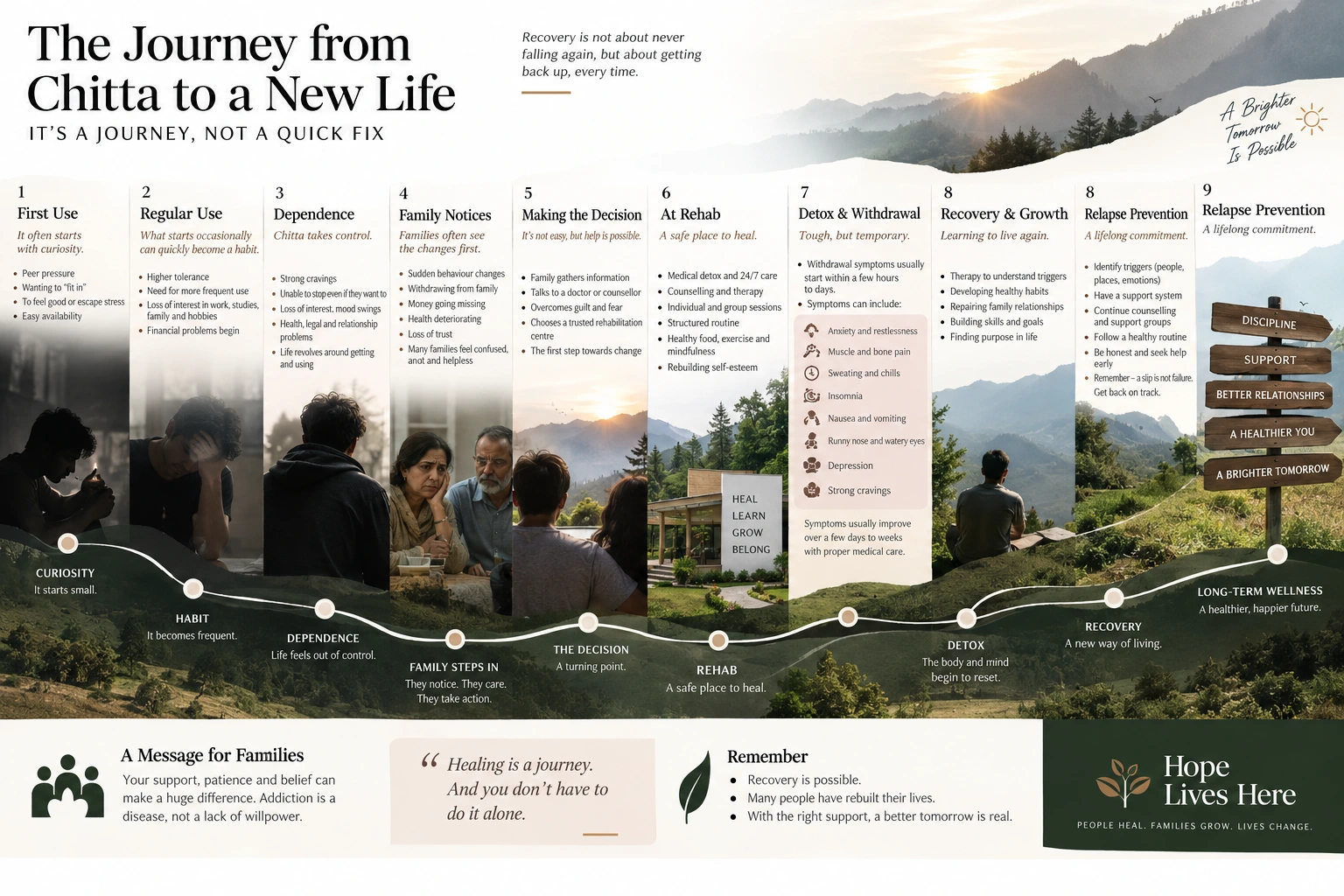
Inside Our 60-90-180 Days, 8-Stage Residential Programme for Chamba Residents
Curious about what happens in a rehab centre day by day? At Eshan Charitable Trust, our 60-90-180 days de-addiction treatment programme heals the body, mind, and family together across eight structured stages:
- Stage 1: Comprehensive Medical & Psychiatric AssessmentFull documentation of substance history (chitta, alcohol, charas, cocaine, pills), physical vitals, liver/infection screening, and mental health evaluation.
- Stage 2: Medically Supervised DetoxificationSafe, round-the-clock management of withdrawal pain, nausea, insomnia, and tremors using doctor-prescribed medications, hydration, and nursing care.
- Stage 3: Dual Diagnosis Psychiatric CareTreatment for underlying depression, anxiety, trauma, or cannabis/stimulant psychosis so he doesn't self-medicate with drugs again.
- Stage 4: Individual CBT & Psychological TherapyOne-to-one sessions with our psychologist and MSW counsellors to identify personal triggers, peer pressure patterns, and emotional wounds.
- Stage 5: 12-Step Programme & Daily Group TherapyHonest peer support groups where residents learn accountability, humility, and practical tools for long-term sobriety.
- Stage 6: Daily Yoga, Pranayama & Physical FitnessStructured morning routine, meditation, and exercise to naturally rebuild sleep, appetite, and mental calm. Read more in our guide on yoga for stress and anxiety.
- Stage 7: Family Counselling & Boundary SettingDedicated sessions with parents and spouses from Chamba to heal broken trust and establish a firm, loving home environment.
- Stage 8: Vocational Training & Relapse Prevention PlanPreparing him to return to Chamba with a structured daily work/study plan, HALT trigger awareness (Hungry, Angry, Lonely, Tired), and ongoing follow-up check-ins.
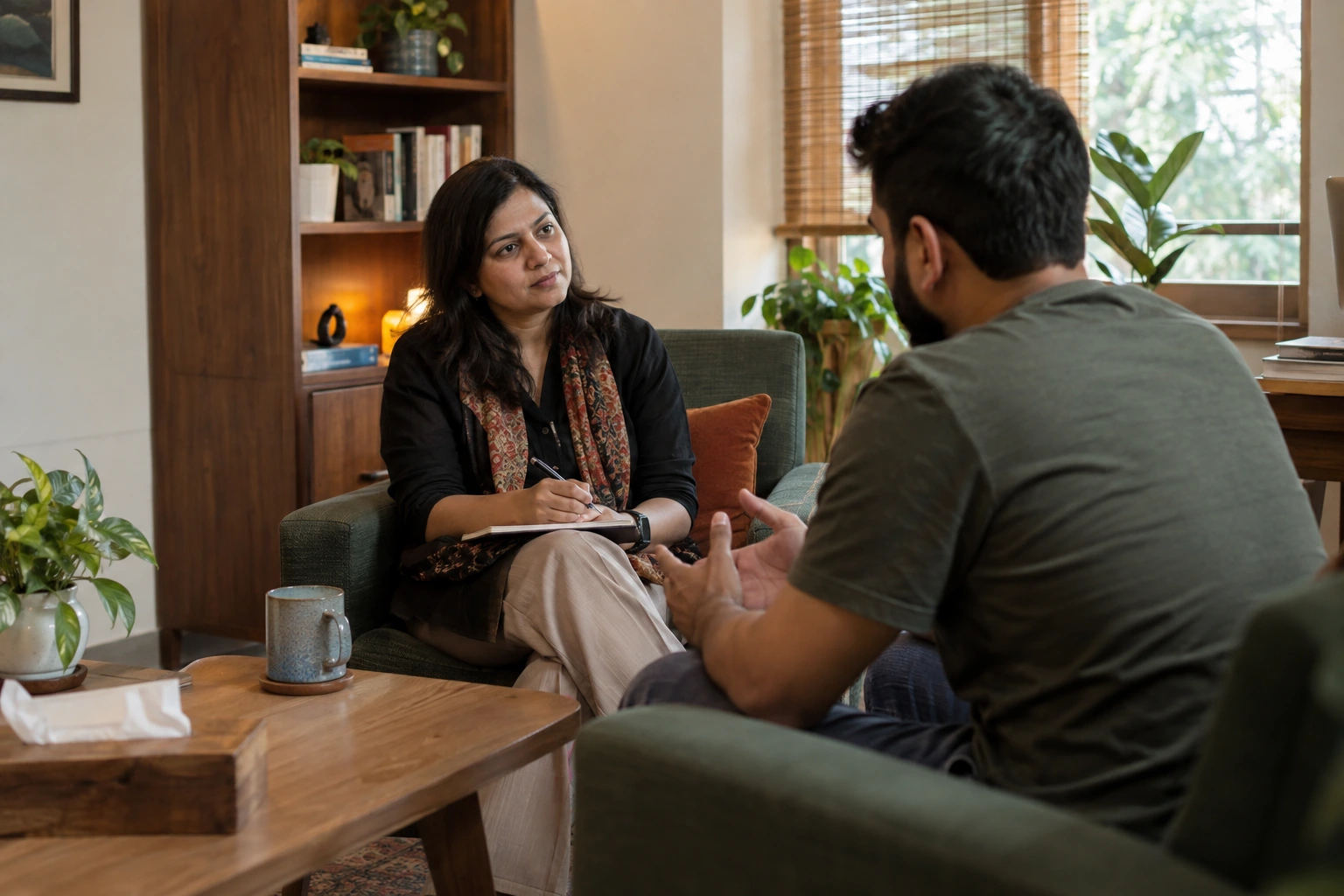
Rehab Near Me: Serving Every Block of Chamba District (Chamba Town, Dalhousie, Bhattiyat, Salooni, Tissa & Bharmour)
When families in Chamba district search for rehab near me, best rehabilitation center in Chamba, or Nasha Mukti Kendra in Chamba, our admission desk coordinates smooth, dignified admissions for families across all subdivisions of Chamba:
- Chamba Town & Surrounding Panchayats: Sultanpur, Parel, Hardaspura, Mugla, Julakhri, Sarol, Rajpura, Saho, and Mehla.
- Dalhousie & Bhattiyat Subdivision: Dalhousie, Banikhet, Bakloh, Khajjiar, Chowari, Sihunta, Kakira, and Hatli (connected directly via the Banikhet-Nurpur-Kotla highway).
- Churah & Salooni Valleys: Tissa, Bhanjraru, Nakrod, Bairagarh, Salooni, Kihar, and Sundla.
- Bharmour & Pangi Tribal Belts: Bharmour, Hadsar, Kharamukh, Holi, and Killar (Pangi).
Serving families across Chamba Town, Dalhousie, Banikhet, Chowari, Sihunta, Salooni, Tissa, Bharmour, and Pangi with 24x7 admission support on +91 62304 15581.
6 Myths About Addiction and Rehab That Keep Chamba Families Stuck
Myth 1: "A 5-day hospital drip in Chamba is enough to cure chitta or sharab addiction."
Truth: Five days only calms acute physical withdrawal. Without 60-90-180 days of residential counselling and trigger management away from local peddlers, over 90% of users relapse within weeks.
Myth 2: "Charas grows naturally in Chamba's hills, so it cannot damage my son's brain."
Truth: High-potency charas causes severe paranoia, loss of motivation, memory impairment, and acute cannabis-induced psychosis, and frequently acts as a gateway to chitta and pills.
Myth 3: "Admitting my son to a registered Nasha Mukti Kendra will create a police record."
Truth: Seeking voluntary treatment at a registered centre is 100% confidential under Section 23 of the Mental Healthcare Act, 2017, and Section 64A of the NDPS Act protects addicts who volunteer for medical de-addiction.
Myth 4: "Secret powders mixed into his tea or dal ('bina bataye dawa') will make him quit sharab."
Truth: Giving unprescribed chemical powders without a doctor's exam and without the patient's knowledge can cause fatal alcohol-drug reactions, liver failure, or cardiac arrest.
Myth 5: "All rehab centres beat patients or cost ₹50,000 a month."
Truth: Eshan Charitable Trust is an HPSMHA-registered charitable trust with a strict zero-violence policy and transparent monthly plans starting at ₹12,500/month.
Myth 6: "Getting him married in Chamba will make him responsible and stop his chitta habit."
Truth: Marriage never cures opioid or alcohol dependence; it only pulls a new bride and future children into financial and emotional trauma. Complete treatment first.
About Eshan Charitable Trust: Why Chamba Families Trust Our Affordable, Registered Centre
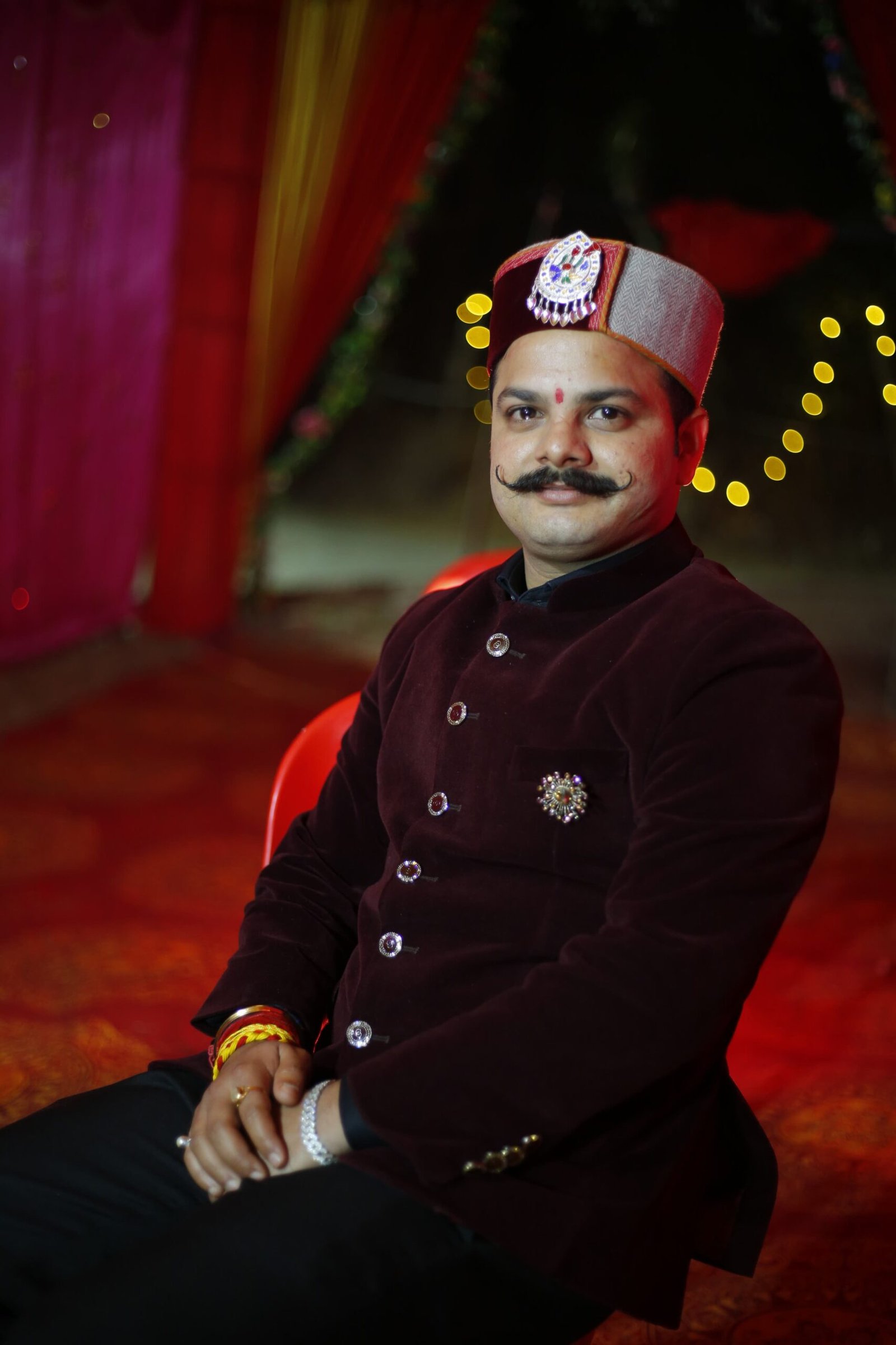
Eshan Pathania, Founder and Managing Trustee
Our Mission: Quality, Transparent De-Addiction Care Every Himachali Family Can Afford
Eshan Pathania, Founder and Managing Trustee of Eshan Charitable Trust, established this centre with a clear social mission: to make ethical, medically supervised de-addiction and rehabilitation accessible to ordinary families across Himachal Pradesh.
He saw that families in Chamba, Kangra, and neighbouring hill districts could not afford private rehab fees of ₹40,000 to ₹80,000 per month. Because of those steep costs, many parents either delayed treatment until a crisis occurred or sent their sons to cheap, unregistered lock-ups that lacked doctors and proper care. Eshan Charitable Trust was built as the most affordable nasha mukti kendra in Himachal where fees are kept low, stated openly from the first phone call, and backed by full government registration and medical oversight.
Our Open, Transparent Fee Table for Chamba Families
| Residential Plan | Room Type & Diet | Monthly Fee |
|---|---|---|
| Shared Residential Care | Shared room, nutritious standard diet | ₹12,500 per month |
| B Caring | Deluxe room, twin sharing, upgraded diet | ₹25,000 per month |
| A Caring | Private room, single occupancy, upgraded diet | ₹40,000 per month |
| Medically Supervised Detox | One-time fee at admission for medical withdrawal care | ₹6,000 one time |
Same Clinical Care in Every Plan: Whether a family chooses the ₹12,500 Shared Residential Care plan or the Private Room plan, the medical treatment, psychiatrist and doctor reviews, prescribed medicines, individual CBT counselling, 12-step group therapy, yoga, and family counselling are 100% identical.
Credentials & Facilities You Can Verify
- HPSMHA Registration: Provisional Registration Sr. No. 193, issued 14/05/2026 under Sections 66(4) and 66(11) of the Mental Healthcare Act 2017.
- Registered Charitable Trust: Regd. No. 2025/19/IV/123.
- Full-Time Clinical Team: Psychologist, MSW counsellors, pharmacist, staff nurse, yoga instructor, and vocational trainer, with medical oversight by Dr. Devasheesh Sharma (MBBS, DNB Psychiatry, HPMC Reg. No. 5263) and Dr. Aditya Thakur (MBBS, HPMC Reg. No. 6218).
- Who We Admit: Residential care for men aged 18 and above in a structured 60-90-180 days, 8-stage programme treating chitta, heroin, smack, brown sugar, alcohol, charas, ganja, bhang, opium, doda, bhukki, tramadol, codeine syrup, alprazolam, cocaine, MDMA, injecting use, and mixed use.
25 Frequently Asked Questions: Best Rehabilitation Center in Chamba, Nasha Mukti Kendra & Rehab Near Me
1. Which is the best rehabilitation center in Chamba and how do I choose the right facility?
To choose the best rehabilitation center in Chamba, verify that the facility holds a valid Himachal Pradesh State Mental Health Authority (HPSMHA) registration under the Mental Healthcare Act 2017, provides medically supervised detox under a psychiatrist and MBBS doctor, enforces a strict zero-violence policy, and states its monthly fees openly. Because Chamba town lacks a full residential rehab ward, families across Chamba, Dalhousie, and Chowari trust Eshan Charitable Trust (HPSMHA Reg. Sr. No. 193) at Tanda Kholi, Kangra, reachable 24x7 at +91 62304 15581.
2. How do I find a safe, government-registered Nasha Mukti Kendra in Chamba?
When searching for a Nasha Mukti Kendra in Chamba, always ask to inspect the centre's HPSMHA registration certificate, doctor credentials, and living quarters. For outpatient daytime help in Chamba town, GMC Chamba has a Psychiatry OPD, while for full 60-90-180 days residential recovery away from local dealers, Eshan Charitable Trust serves Chamba families with affordable plans starting at ₹12,500 per month.
3. I am searching for a "rehab near me" from Chamba, Dalhousie, or Banikhet. How close is Eshan Charitable Trust?
If you are searching for a rehab near me in Chamba, Dalhousie, Banikhet, Chowari, or Sihunta, Eshan Charitable Trust is located right down the Chamba-Banikhet-Nurpur-Kangra route at Village Tanda Kholi (near the FCI Godown and Dr. RPGMC Tanda Medical College). It gives your son safe distance from Chamba's 25 drug red zones while remaining an easy drive for family visits.
4. What are the monthly fees at Eshan Charitable Trust for Chamba families?
Our monthly fees are ₹12,500/month for Shared Residential Care, ₹25,000/month for B Caring (deluxe twin-sharing room), and ₹40,000/month for A Caring (private single room), with a one-time fee of ₹6,000 for medically supervised detox at admission. All three plans include the exact same medical treatment, medicines, counselling, yoga, and meals.
5. Do you have a dedicated Chitta de-addiction program for youth from Chamba?
Yes. With Chamba Police seizing over 575 grams of chitta and designating 25 panchayats and MC wards as drug red zones, our centre provides specialized medical detox for chitta (synthetic heroin/smack) withdrawal followed by 60-90-180 days of CBT counselling, 12-step therapy, and relapse prevention.
6. Is there an alcohol and sharab de-addiction center (शराब छुड़ाने का केंद्र) for Chamba residents?
Yes. Eshan Charitable Trust operates a complete medical alcohol and sharab de-addiction program for men from Chamba, Bharmour, Dalhousie, and Tissa. Our doctors safely manage alcohol withdrawal tremors and prevent Delirium Tremens (DTs) seizures before guiding the patient through long-term psychological recovery.
7. Do you treat charas, ganja, cocaine, MDMA, and chemist pill addiction for Chamba youth?
Yes. We treat charas, ganja, bhang, cannabis-induced psychosis, cocaine, MDMA, opium (afeem), doda, bhukki, tramadol, codeine cough syrup, alprazolam sleeping pills, injecting drug use, and mixed substance abuse.
8. Does Pt. Jawahar Lal Nehru Government Medical College (GMC Chamba) have a long-term residential rehab ward?
GMC Chamba has a Psychiatry department with daytime OPD hours (Monday to Saturday, 9 AM to 4 PM) for initial medical consultations and prescriptions, and handles acute emergencies. However, it does not have a long-term residential rehabilitation ward for behavioural recovery, which is why families use a registered residential centre like Eshan Charitable Trust after initial stabilisation.
9. What happened to the government de-addiction centre in Chamba and Bhattiyat?
While the state government announced plans for new government de-addiction centres including Chamba and the Chamba Deputy Commissioner ordered repairs to a building in Bhattiyat subdivision, families needing an immediate residential bed today look to registered centres in neighboring Kangra district such as Eshan Charitable Trust or the 15-bed Red Cross IRCA centres in Nurpur and Dharamshala.
10. Why is it better for a Chamba boy to do his residential rehab outside Chamba town?
Staying in the same neighbourhood in Chamba town, Sultanpur, Parel, or Banikhet keeps a young man surrounded by the exact same using friends, WhatsApp groups, and local peddlers. Recovering in a peaceful, trigger-free residential campus at Tanda Kholi breaks the dealer connection while keeping him accessible to his parents.
11. How can I verify if a Nasha Mukti Kendra in Chamba or Kangra is legally registered?
Ask the facility to show its certificate from the Himachal Pradesh State Mental Health Authority (HPSMHA), Shimla, issued under the Mental Healthcare Act, 2017. Running an unregistered centre carries a penalty of up to ₹5 lakh. Eshan Charitable Trust holds HPSMHA Provisional Registration Sr. No. 193, issued 14/05/2026.
12. Does any physical beating or harsh "TC punishment" happen at Eshan Charitable Trust?
Never. In full compliance with Sections 20 and 97 of the Mental Healthcare Act 2017, our centre has a strict zero-violence policy. We never allow beating, chaining, solitary lock-ups, or senior inmates punishing new residents. All care is delivered with dignity by doctors, nurses, and counsellors.
13. Why is locking my son in a room at home in Chamba to quit chitta dangerous?
Home lock-ups cause extreme untreated bone pain, dehydration, and panic, and can trigger fatal seizures if he also uses alcohol or sleeping pills. Worse, 5 to 7 days of abstinence lowers his opioid tolerance; if he steps out in Chamba and takes his old dose, it can cause an immediate fatal overdose.
14. How long does the rehabilitation programme take at Eshan Charitable Trust?
Our residential programme offers 60-90-180 days options structured across 8 clinical stages: assessment, medically supervised detox, psychiatric care, individual CBT counselling, 12-step group therapy, yoga and meditation, family counselling, and relapse prevention.
15. Will admitting my son to your rehabilitation centre create a police record in Chamba?
No. Voluntary medical admission is 100% confidential under Section 23 of the Mental Healthcare Act, 2017. In addition, Section 64A of the NDPS Act provides legal immunity from prosecution to addicts who voluntarily undergo de-addiction treatment for personal consumption or small quantities.
16. What if my son in Chamba refuses to come for de-addiction treatment?
Fear of withdrawal pain makes most users resist at first. Do not use illegal kidnapping "pickup services" or shout at him while he is intoxicated. Stop giving him cash or vehicle keys, and call our counsellors at +91 62304 15581 to guide your family through a calm, respectful morning intervention.
17. Who are the doctors and clinical team members at Eshan Charitable Trust?
Our clinical protocols and medical content are reviewed by Dr. Devasheesh Sharma, MBBS, DNB (Psychiatry), HPMC Reg. No. 5263, and Dr. Aditya Thakur, MBBS, HPMC Reg. No. 6218. Our full-time residential team includes a psychologist, MSW counsellors, a pharmacist, a staff nurse, a yoga instructor, and a vocational trainer.
18. Can parents from Chamba, Dalhousie, or Bharmour visit the centre before admission?
Yes. We welcome families from across Chamba district to visit our campus at Village Tanda Kholi, inspect our rooms, dining area, and HPSMHA registration certificate, and speak with our staff before making any decision.
19. Do you admit women at Eshan Charitable Trust?
No, our residential facility is for men aged 18 and above only. For women in Himachal Pradesh, the government-run Nav Jeevan Women's De-Addiction and Rehabilitation Centre at Mashobra near Shimla is available, and free guidance can be obtained on the Tele MANAS helpline 14416.
20. Do secret "bina bataye nasha chudane ki dawa" powders sold for alcohol work?
No. Secretly mixing chemical powders into someone's food or tea without a doctor's examination is dangerous and can cause severe liver toxicity, dangerously low blood pressure, or fatal heart reactions when combined with alcohol. Always choose supervised medical detox.
21. What medical tests are needed for a young man in Chamba who has been injecting chitta?
Injecting drug users who share syringes are at high risk for Hepatitis B, Hepatitis C, HIV, liver dysfunction, and deep vein abscesses. Our medical team arranges complete blood screening and coordinates medical care alongside addiction recovery.
22. How do we prevent relapse once our son completes rehab and returns home to Chamba?
Before discharge, we build a written 90-day home plan with the family: changing his mobile number to block old dealers, keeping zero cash or alcohol at home, establishing a fixed daily work/study and yoga schedule, monitoring HALT triggers (Hungry, Angry, Lonely, Tired), and attending scheduled follow-up counselling.
23. How can Chamba residents report a local chitta or charas peddler anonymously?
You can report drug trafficking without revealing your name by calling the Narcotics Control Bureau's toll-free MANAS helpline at 1933 or using the Himachal Police 'Drug Free Himachal' mobile app.
24. What should we do in a life-threatening chitta overdose emergency in Chamba?
If someone is unconscious, cannot be woken, has tiny pinpoint pupils, and has slow, gurgling, or stopped breathing, call the emergency ambulance helpline at the bottom of this page and rush him to GMC Chamba emergency casualty or the nearest Civil Hospital (Dalhousie, Chowari, Tissa, or Bharmour) for oxygen and Naloxone resuscitation.
25. How can a family in Chamba contact Eshan Charitable Trust tonight?
Call or WhatsApp our 24x7 Chamba admission helpdesk at +91 62304 15581, email info@eshancharitabletrust.org, or visit our Nasha Mukti Kendra in Chamba page and contact page for immediate, judgement-free support.
Emergency Overdose Protocol & Government Helplines for Chamba District (Save at the End)
While Eshan Charitable Trust provides planned residential detox and 60-90-180 days rehabilitation (+91 62304 15581), every Chamba household should also keep government emergency and counselling numbers saved for acute crises:
Recognising an Acute Opioid / Chitta Overdose (WHO Triad):
If an acute medical overdose happens in Chamba town, Dalhousie, Chowari, Tissa, or Bharmour, rub hard on the centre of the chest, place the person on their left side (recovery position) if breathing, start CPR if breathing has stopped, call the emergency ambulance immediately, and rush to Pt. Jawahar Lal Nehru Government Medical College & Hospital (GMC Chamba) or the nearest Civil Hospital so doctors can administer Naloxone.
| Government Helpline / Facility | Contact Number & Purpose |
|---|---|
| Eshan Charitable Trust 24x7 Admission & Rehab Helpline | +91 62304 15581 (24x7 Call & WhatsApp for residential detox, admission & family counselling) |
| National Toll-Free De-Addiction Helpline | 14446 (24x7 confidential counselling under Nasha Mukt Bharat Abhiyaan) |
| Tele MANAS (Govt. of India Mental Health Helpline) | 14416 or 1-800-891-4416 (Free 24x7 mental health support) |
| Pt. Jawahar Lal Nehru Govt. Medical College (GMC), Chamba | 01899-223959 (24x7 Emergency casualty & Mon-Sat Psychiatry OPD in Chamba town) |
| Red Cross De-Addiction Centres (Nurpur & Dharamshala) | Nurpur IRCA: 01893-221200 | Dharamshala Prayas Bhawan: 01892-224408 (Red Cross office: 01892-224888) |
| Dr. Rajendra Prasad Govt. Medical College (RPGMC), Tanda | State nodal Centre of Excellence for Mental Health and de-addiction in Kangra |
| Nav Jeevan Women's De-Addiction Centre (For Women) | Mashobra, Shimla (Himachal's first government-run women's rehab centre) |
| Report Drug Trafficking Anonymously | 1933 (NCB MANAS Helpline) & Drug Free Himachal Mobile App (Chamba Police Control: 01899-222242) |
| Acute Medical Emergency Ambulance & Police | 108 (Medical Emergency Ambulance) & 112 (Emergency Response) |
For more details on public facilities across Himachal, read our guides on government nasha mukti kendras in Himachal Pradesh, government de-addiction centres in Shimla, and government nasha mukti kendras in Manali.
A Final Word for Chamba Families: Take the First Step Tonight
Now that you know how to evaluate the Best Rehabilitation Center in Chamba: How to Choose the Right Facility, remember that you do not have to carry this burden alone. Chitta, sharab, and charas addiction are treatable medical conditions when handled with patience, qualified doctors, and a structured 60-90-180 days programme.
Call or WhatsApp our admission team right now. Whether you need advice on how to talk to your son in Chamba or want to visit our campus, we are awake and ready to help 24x7.
Sources and References
Every statistic, Chamba district news report, and clinical guideline in this post is verified from the official sources below. No victim, arrested person, or family has been named.
- The Tribune. 25 Chamba panchayats, MC areas designated drug red zones; 575.99g chitta and 19.996kg charas seized, October 2026.
- The Tribune. 228 gm heroin, 32 kg charas seized in Chamba; 18 chemist shop licences suspended after 212 inspections.
- The Tribune. Three held with 1.564 kg charas near Dalhousie on Chamba-Pathankot National Highway, January 2026.
- Department of Information & Public Relations, Himachal Pradesh Government. Press Release on NDPS & Excise enforcement operations, March 2026.
- Pt. Jawahar Lal Nehru Government Medical College & Hospital (GMC), Chamba Official Portal.
- District Administration Chamba, Government of Himachal Pradesh. Official Police Subdivisions & Directory, November 2026.
- Government of India. The Mental Healthcare Act, 2017 (Sections 20, 23, 65, 66, 97), India Code.
- World Health Organization (WHO). Opioid Overdose Fact Sheet, August 2025.
- MedlinePlus, US National Library of Medicine. Opiate and Opioid Withdrawal Medical Encyclopedia.
- MedlinePlus, US National Library of Medicine. Delirium Tremens and Acute Alcohol Withdrawal.
- NDDTC, AIIMS New Delhi, Ministry of Social Justice and Empowerment. Magnitude of Substance Use in India, 2019.
- Ministry of Health and Family Welfare, Government of India. Tele MANAS (14416) National Tele Mental Health Programme.
- Ministry of Social Justice and Empowerment. Nasha Mukt Bharat Abhiyaan (14446 Helpline).
- Outlook India. Himachal intensifies anti-chitta drive amid rising drug abuse (1,967 NDPS cases), January 2026.
- ETV Bharat. 66 drug overdose deaths in Himachal over three years and 34% youth chitta survey, April 2026.
- The Tribune. Following inmates' deaths, 2 de-addiction centres shut by HPSMHA.
- The Tribune. 14 Himachal de-addiction centres close down; HPSMHA notes complaints of force.
- United News of India (UNI). Red Cross de-addiction centres in Dharamshala and Nurpur helping youth recover, May 2026.
- The Policy Edge. Himachal Pradesh launches Nav Jeevan, first government-run women's de-addiction centre at Mashobra, June 2026.
- National Informatics Centre (NIC). Drug Free Himachal Mobile Application.
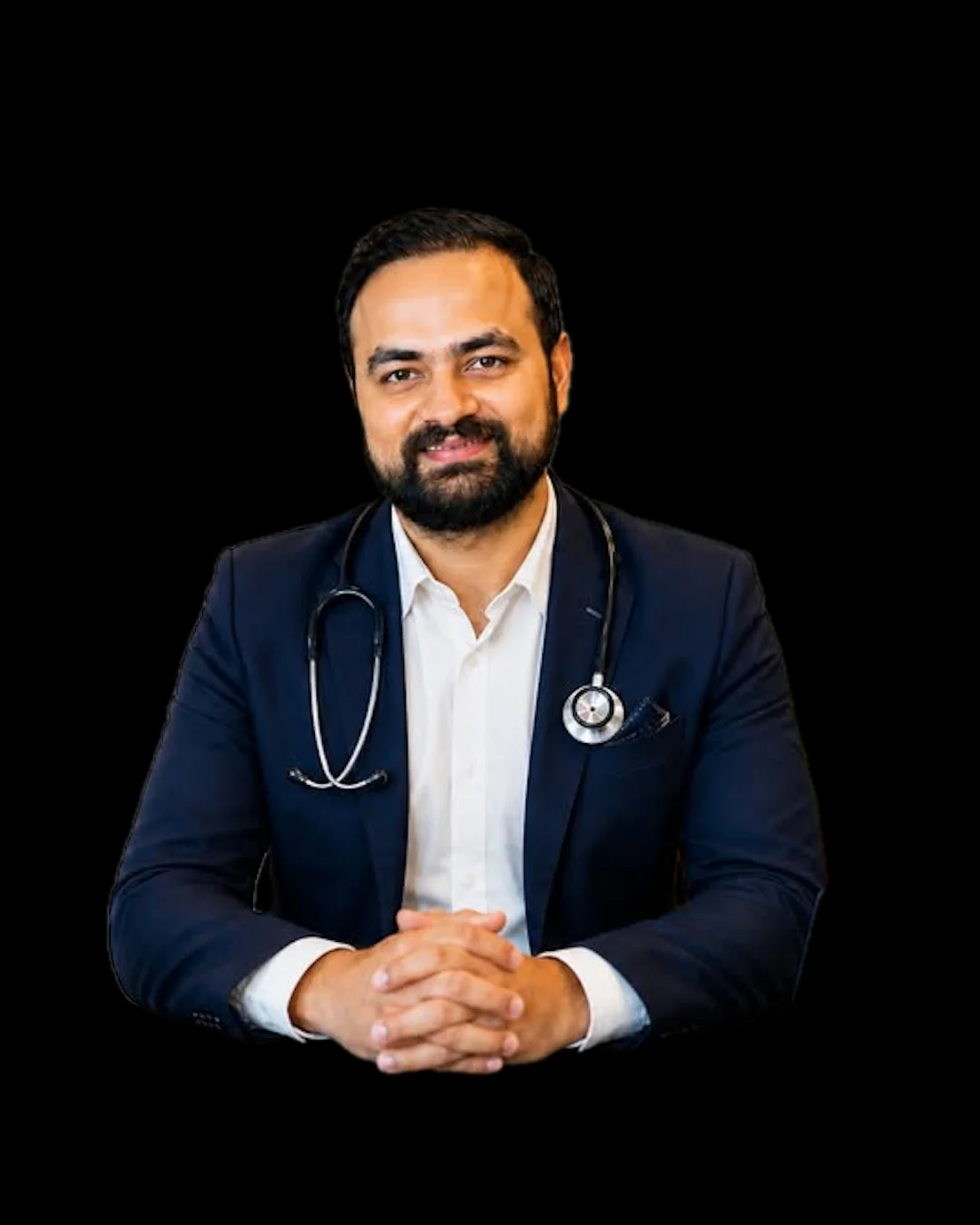
Dr. Devasheesh Sharma, MBBS, DNB (Psychiatry)
Psychiatrist. Himachal Pradesh Medical Council Reg. No. 5263.
Dr. Aditya Thakur, MBBS
Registered Medical Practitioner. Himachal Pradesh Medical Council Reg. No. 6218.
Eshan Charitable Trust Team
The clinical counsellors and care staff at our Nasha Mukti Kendra serving Chamba and Kangra. Last reviewed on 15 November 2026.
Disclaimer: This guide provides verified educational and local resource information for Chamba families and does not replace an in-person examination by a qualified physician or psychiatrist.