
Alcohol Detox Centre in Himachal Pradesh
शराब छुड़ाने का मेडिकल डिटॉक्स — डॉक्टर की निगरानी में, कांगड़ा
Alcohol Addiction
This page explains how alcohol detox works at Eshan Charitable Trust in Kangra: who needs medically supervised withdrawal, why home detox is unsafe, what to expect at each stage, the medications and supportive care used, how patients move on into full rehabilitation, and what it costs.
Eshan Charitable Trust is a government registered nasha mukti kendra and de-addiction centre where withdrawal is managed by doctors and nursing staff, 24 hours a day, in a calm and completely confidential setting.
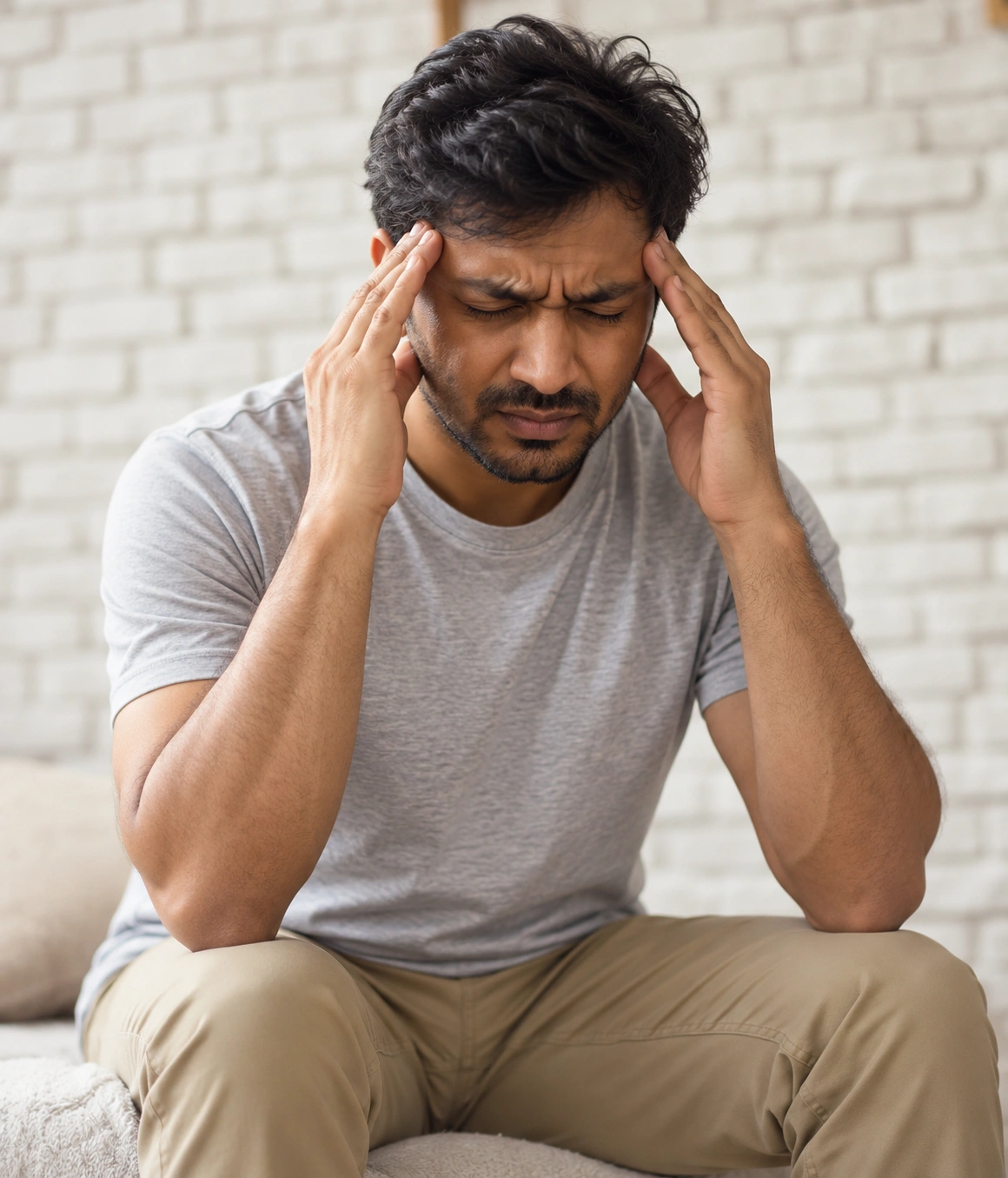
If someone at home shakes in the morning, cannot start the day without a drink, or has had fits after stopping, this is medically urgent. Please call before attempting to stop at home.
Talk to a Doctor Now
Medically Supervised Alcohol Detox at Our Kangra Centre
At Eshan Charitable Trust, detox is not a room where someone is locked in to "sweat it out". It is a clinically managed process with a doctor's assessment, a written medication plan, regular monitoring of vital signs and nursing presence round the clock.
Our intake is small by design, which means staff notice early when a patient's blood pressure climbs or confusion sets in. That early response is the entire difference between safe withdrawal and a medical emergency.
Detox is the first phase of alcohol addiction treatment, not a treatment on its own. Patients move straight from stabilisation into structured therapy at the same centre, without a gap in which relapse usually happens.
Who Needs Medically Supervised Alcohol Detox
Medical supervision is strongly indicated once alcohol use has become unsafe to manage alone. This includes people who:
- Shake, sweat, cannot sleep or feel very anxious when they cut down or stop
- Drink daily or heavily and cannot reduce without becoming unwell
- Have a history of severe withdrawal, blackouts or fits
- Have liver disease, high blood pressure, diabetes or heart problems alongside drinking
- Have anxiety, depression or psychosis that worsens when alcohol is removed
- Use alcohol together with chitta, charas, ganja or sleeping tablets
In these circumstances, admission to a registered de-addiction centre in Himachal Pradesh is the safest point of entry into care, and the most reliable way to prepare for lasting recovery.


Can Alcohol Detox Be Done Safely at Home?
For anyone with physical dependence on alcohol, stopping at home is not a safe option. Symptoms can escalate rapidly and may lead to seizures, dangerously high blood pressure, hallucinations or delirium tremens. These complications need immediate medical intervention that simply is not available in a house.
Families across Himachal often try first with willpower, prayer, locking the gate or hiding the bottles. It almost never works for a person whose body has adapted to daily alcohol, and in the worst cases it is dangerous.
In a proper detox centre, withdrawal is managed in a controlled setting. Clinicians track vital signs, adjust medication and intervene early when symptoms intensify. Choosing supervised medical care is a clinical decision, not a moral one.
What Happens During Alcohol Detox
On arrival you complete a detailed medical and psychiatric assessment. The team reviews drinking history, other substances, previous treatment attempts, physical health and mental health background. This information is used to create a personalised detox plan rather than a generic protocol.
During the first days the rhythm is intentionally simple: scheduled medication, medical reviews, light meals, hydration, rest and low-demand contact with staff. As withdrawal settles, conversations move toward the longer treatment programme.
The focus throughout is clear — stabilise safely, minimise discomfort, and position the patient for effective therapy once alcohol has cleared the system.
Alcohol Withdrawal Symptoms and Timeline
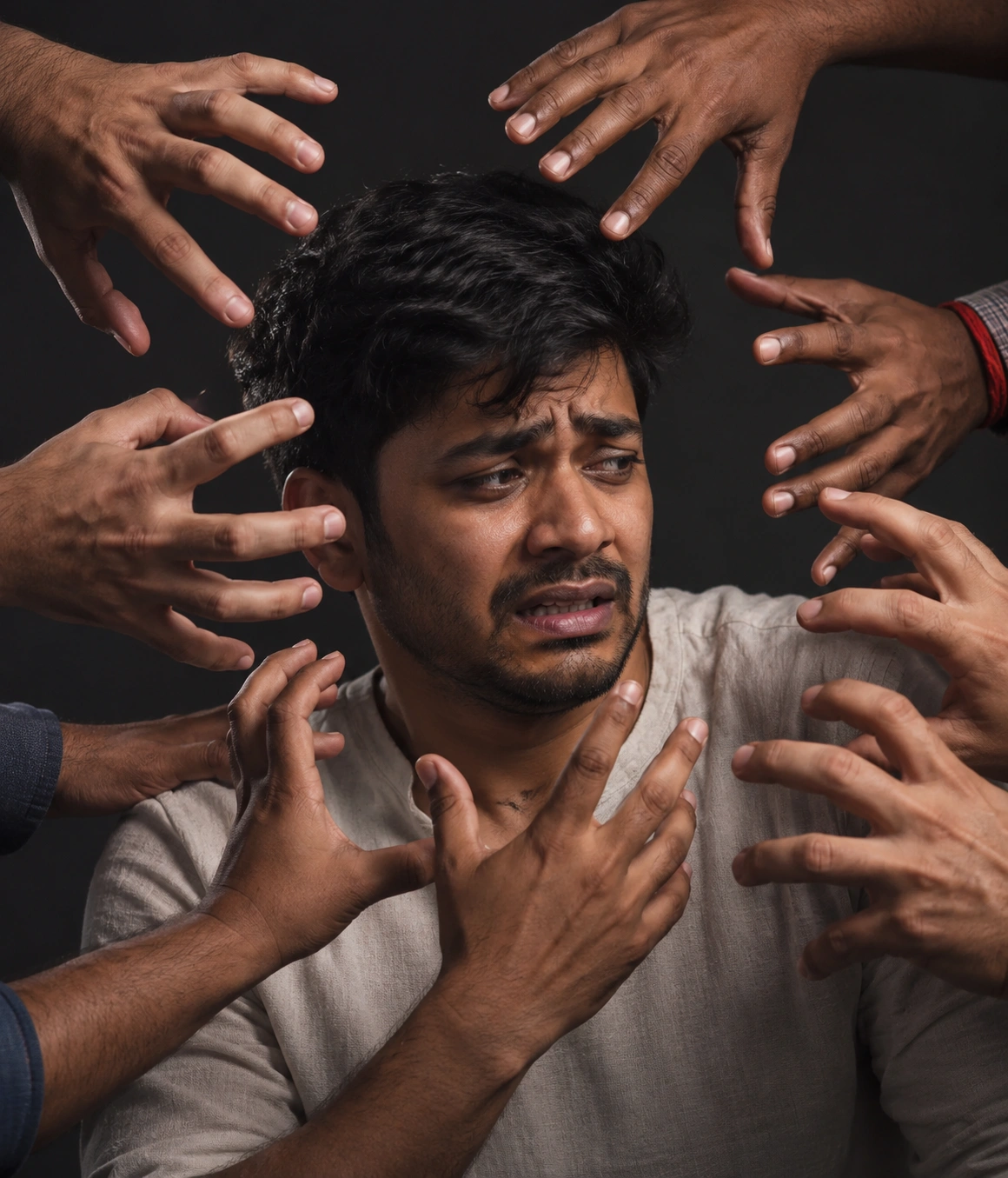
Alcohol withdrawal presents differently for each person, but it typically follows a recognisable sequence. At Eshan Charitable Trust, clinicians track this progression from the outset so each stage is anticipated and managed proactively.
The patient stays in a private, controlled setting while staff adjust medication, monitor progress and ensure every phase of withdrawal is handled with clinical discipline.
-
Early Withdrawal
6–12 hours after the last drinkAs blood alcohol levels fall, the first signs appear. Most patients describe this phase as uncomfortable but manageable. Typical features include:
- Heightened tension or anxiety (ghabrahat)
- Mild tremor, particularly in the hands
- Headache or head pressure
- Nausea and stomach discomfort
- Sweating and a modest increase in heart rate
At this stage medication is introduced carefully, hydration and nutrition are supported, and these early indicators are used to refine the medical plan.
-
Acute Withdrawal
12–72 hours: peak symptoms and riskThis is the peak withdrawal period and the reason de-addiction centres emphasise supervised care. Without clinical oversight, this window carries the highest risk of serious complications. Symptoms can include:
- Marked tremors and physical agitation
- Significant increases in blood pressure or pulse
- Disorientation, sleep disruption or vivid dreams
- Heightened sensitivity to light and noise
- In higher-risk cases, hallucinations or seizure activity
Throughout this phase the patient is under continuous observation. Vital signs are monitored, medication is adjusted in real time and staff remain close. The objective is a safe, medically managed course through the highest-risk period.
-
Stabilisation
3–7 days and beyondAs the acute phase resolves, the focus shifts to stabilisation. Patients typically notice:
- Progressive improvement in sleep quality
- Return of appetite and physical strength
- Increasing clarity and capacity to engage with staff
Residual mood changes or anxiety are common and addressed with appropriate support. At this point attention turns from managing withdrawal to planning the next stage of rehabilitation, therapy and long-term recovery.
Medical Care and Supportive Therapies Used in Detox
Detox at our de-addiction centre is medically directed and supported by selected holistic elements that make the experience more tolerable without compromising clinical focus.
Speak to a CounsellorMedically assisted withdrawal medication
Our doctors use evidence-based medication to manage alcohol withdrawal and any associated substance use. Depending on presentation, this may include:
- Pharmacological support to reduce seizure risk and prevent severe complications
- Targeted medication for sleep disturbance, agitation and physical discomfort
- Thiamine, vitamins, fluids and nutritional support to address depletion
Decisions are made by experienced clinicians and reviewed frequently. This structured approach is designed to deliver a safe, predictable course through withdrawal.
Supportive therapies during detox
Even in the first week, patients are not left alone with their thoughts. Light, low-demand support begins immediately:
- Brief daily contact with a counsellor, without pressure to "open up"
- Gentle breathing practice and yoga for stress and anxiety once stable
- Structured sleep, meals and daylight exposure to reset the body clock
- Reassurance for the family, who are usually as frightened as the patient
Medical leadership and clinical governance
Treatment is delivered under qualified medical supervision at a centre registered with the Himachal Pradesh State Mental Health Authority (Sr. No. 193).
Clinical content and protocols are reviewed by Dr. Devashish Sharma, MBBS, DNB (Psychiatry), HPMC Reg. No. 5263, together with Dr. Aditya Thakur, MBBS, HPMC Reg. No. 6218.
What detox does not do
Detox clears alcohol from the body and manages withdrawal safely. It does not, by itself, change the habits, triggers, relationships or mental health problems that drive drinking.
This is why patients who leave immediately after detox relapse so often. Detox is phase one of a full alcohol addiction treatment programme, and we are honest with every family about that.
Inpatient vs Outpatient Alcohol Detox
Our inpatient programme involves residing at the centre in Kangra with 24-hour medical supervision and structured routine. This level of care is recommended for most patients with physical dependence, especially where there are medical, psychiatric or family complexities.
Outpatient options involve scheduled contact while remaining at home. They are appropriate only for a narrow group with mild withdrawal risk, stable health and strong family support. Even then, risk can change quickly.
For anyone seriously struggling with alcohol, inpatient care offers a far higher margin of safety and control. See what a typical day inside the rehab centre looks like.

Safety, Privacy and Dignity During Withdrawal
Safety here is built into staffing levels, clinical protocol and the physical environment. No patient is expected to manage significant symptoms alone, and escalation pathways to hospital are clearly defined if a higher level of care is needed.
At the same time, the centre is designed to feel calm and private. Clean rooms, quiet communal spaces, mountain air and a respectful, professional atmosphere support recovery rather than adding stress.
No names are published, no photographs are shared, and nothing is disclosed to anyone outside the family without written permission.
What Happens After Alcohol Detox
Detox resolves the physical dependence, but it does not address the patterns that led to alcohol addiction. After stabilisation, the clinical team recommends the appropriate next step:
Residential Rehabilitation
Full residential treatment with daily therapy, group work and psychiatric oversight, usually 90 to 180 days.
Step-Down and Family Work
Reduced-intensity contact once medical risk has fallen, with family counselling to prepare the household for the patient's return.
Aftercare and Follow-Up
Twelve months of scheduled follow-up, relapse-prevention review and support to rebuild work and family life. Read about long-term recovery.
Cost of Alcohol Detox and How to Pay for It
The cost of detox in Himachal Pradesh varies with the length of medical stay and the level of care required. As a charitable trust, we keep ours deliberately low and explain the figure before admission, never after.
One Clear Figure
Detox is included in the all-inclusive monthly charge covering stay, meals, medication, doctor visits and therapy.
Insurance Guidance
We explain honestly what Ayushman Bharat and health insurance may cover for de-addiction.
Hardship Support
Genuine hardship cases are supported by the trust. Compare rehab fees in Himachal Pradesh.
How to Start Alcohol Detox at Our Kangra Centre
Admission to Eshan Charitable Trust is structured but straightforward:
Initial Contact
Call confidentially. A senior counsellor speaks with you or with the family about what has been happening.
Clinical Assessment
Withdrawal risk, medical history and current safety are reviewed so the right level of care is agreed.
Admission and Arrival
A date is agreed and practical arrangements explained. On arrival the medical team completes final assessments and detox begins.
In an emergency, admission can usually be arranged the same day, with transport assistance anywhere in Himachal Pradesh.
Alcohol Detox for Families Across Himachal and Beyond
Looking for a detox centre near me? Patients reach our Kangra centre from every district:
Alcohol Detox FAQs
How many days does alcohol detox take?
Most patients complete the acute phase of alcohol detox within approximately seven to ten days at our detox centre in Kangra. Some need longer, depending on how heavily they were drinking, co-existing medical conditions and how they respond to medication. Detox is one part of a longer recovery plan, not the whole treatment.
Is there a safe nasha mukti kendra near me for alcohol detox in Himachal Pradesh?
Eshan Charitable Trust runs a government registered detox and nasha mukti kendra near me service at Tanda Kholi, Kangra, reachable from Dharamshala, Palampur, Nurpur, Baijnath, Chamba, Mandi, Una, Hamirpur, Bilaspur, Shimla, Solan, Kullu and Manali. When comparing any rehab centre near me, ask specifically whether a doctor is physically present during withdrawal and whether the centre is registered with the State Mental Health Authority.
What does alcohol detox feel like?
The first day or two typically brings anxiety, tremor, sweating, poor sleep and nausea. With proper medication most patients describe it as uncomfortable rather than unbearable. By day four or five, sleep and appetite usually begin returning. The purpose of supervision is to keep the worst of it controlled and to catch dangerous complications early.
Can alcohol detox be sped up safely?
No. Rapid or forced detox increases the risk of seizures and cardiovascular complications without improving outcomes. The body needs a controlled taper of symptoms under medical cover. Anyone promising a two-day cure for physical alcohol dependence should be treated with caution.
Which medicines help with alcohol withdrawal?
Treatment usually involves medication to reduce seizure risk and agitation, thiamine and vitamin replacement to prevent neurological damage, and targeted support for sleep, nausea and blood pressure. The exact regimen is a clinical decision made by our doctors after assessment and is never self-prescribed or shared as a generic list.
Sharab chhodne par body mein kya hota hai?
जब शरीर रोज़ शराब का आदी हो जाता है और अचानक शराब बंद होती है, तो 6 से 12 घंटे में हाथ कांपना, पसीना, घबराहट और नींद न आना शुरू होता है। 12 से 72 घंटे सबसे ख़तरनाक होते हैं — इसमें दौरे (fits) और भ्रम की स्थिति आ सकती है। इसीलिए घर पर अचानक शराब छुड़ाना सुरक्षित नहीं है, डॉक्टर की निगरानी ज़रूरी है।
What happens if we stop alcohol suddenly at home?
For someone physically dependent, sudden stopping at home can trigger seizures, delirium tremens, dangerous blood pressure spikes and in rare cases death. If someone at home is confused, having fits, cannot be woken or has a very high fever after stopping drinking, treat it as a medical emergency and get them to a hospital immediately.
Where can I get alcohol detox and rehab together?
At our Kangra centre, detox and rehabilitation happen in the same place with the same team, so there is no gap between stabilising and starting therapy — which is exactly where most relapses occur. Read how to choose the best rehabilitation centre in Himachal Pradesh.
More questions? See the full FAQ page or read about the difference between a rehab centre and a nasha mukti kendra.
Do Not Attempt Detox Alone. Call Us First.
Open 24x7. Admissions any day of the week. Every conversation is confidential.
Eshan Charitable Trust
Nasha Mukti Kendra, De-Addiction & Rehabilitation Centre
Near FCI Godown, Village Tanda Kholi, Ward No. 7, PO Kholi,
Tehsil & District Kangra, Himachal Pradesh 176001
Medical disclaimer: This page is written for general information and is reviewed by a qualified psychiatrist. It is not a substitute for individual medical advice and does not provide medication dosages. Alcohol withdrawal can be life threatening — do not stop heavy drinking suddenly without medical supervision. If someone is confused, having seizures or cannot be woken, call emergency services immediately.