
Best Rehab Centre & Nasha Mukti Kendra in Bilaspur
नशा मुक्ति केंद्र, बिलासपुर
Looking for a rehab centre in Bilaspur for chitta or sharab? Our nasha mukti kendra in Bilaspur's own district gives him medically supervised detox, real counselling and 180 days to rebuild, for families from Bilaspur town, Ghumarwin, Jhandutta, Swarghat, Naina Devi and Barmana.
+91 62304 15581. A counsellor answers, day or night.
Govt. registered: Sr. No. 193, HP State Mental Health Authority
- Govt. registeredHP State Mental Health Authority, Provisional Reg. Sr. No. 193, under the Mental Healthcare Act 2017.
- Charitable trustRegd. No. 2025/19/IV/123, Delhi. We exist for recovery, not profit.
- Men only, 18 and overNo upper age limit.
- Open 24x7Admissions any day of the week.
Is this happening in your home?
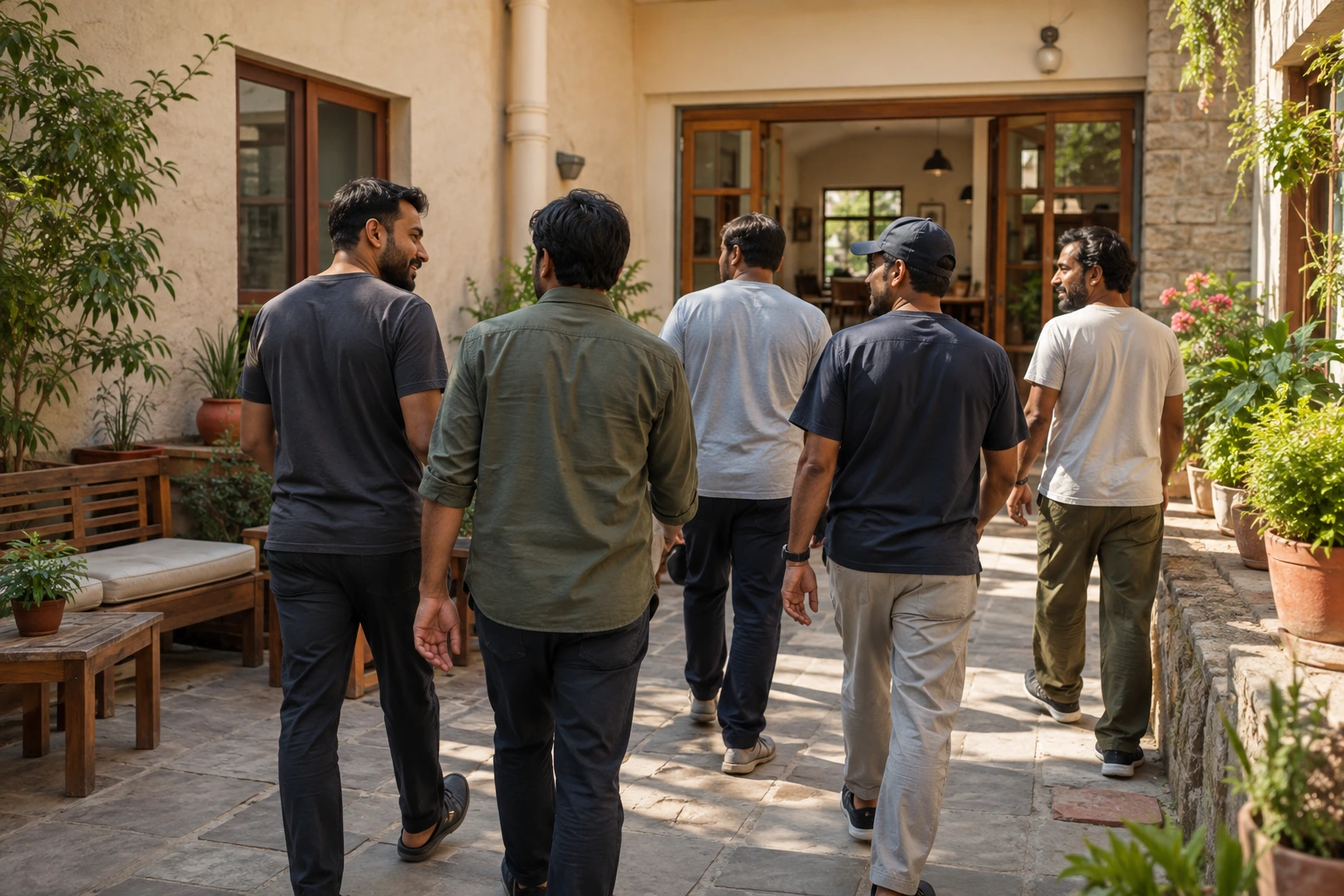
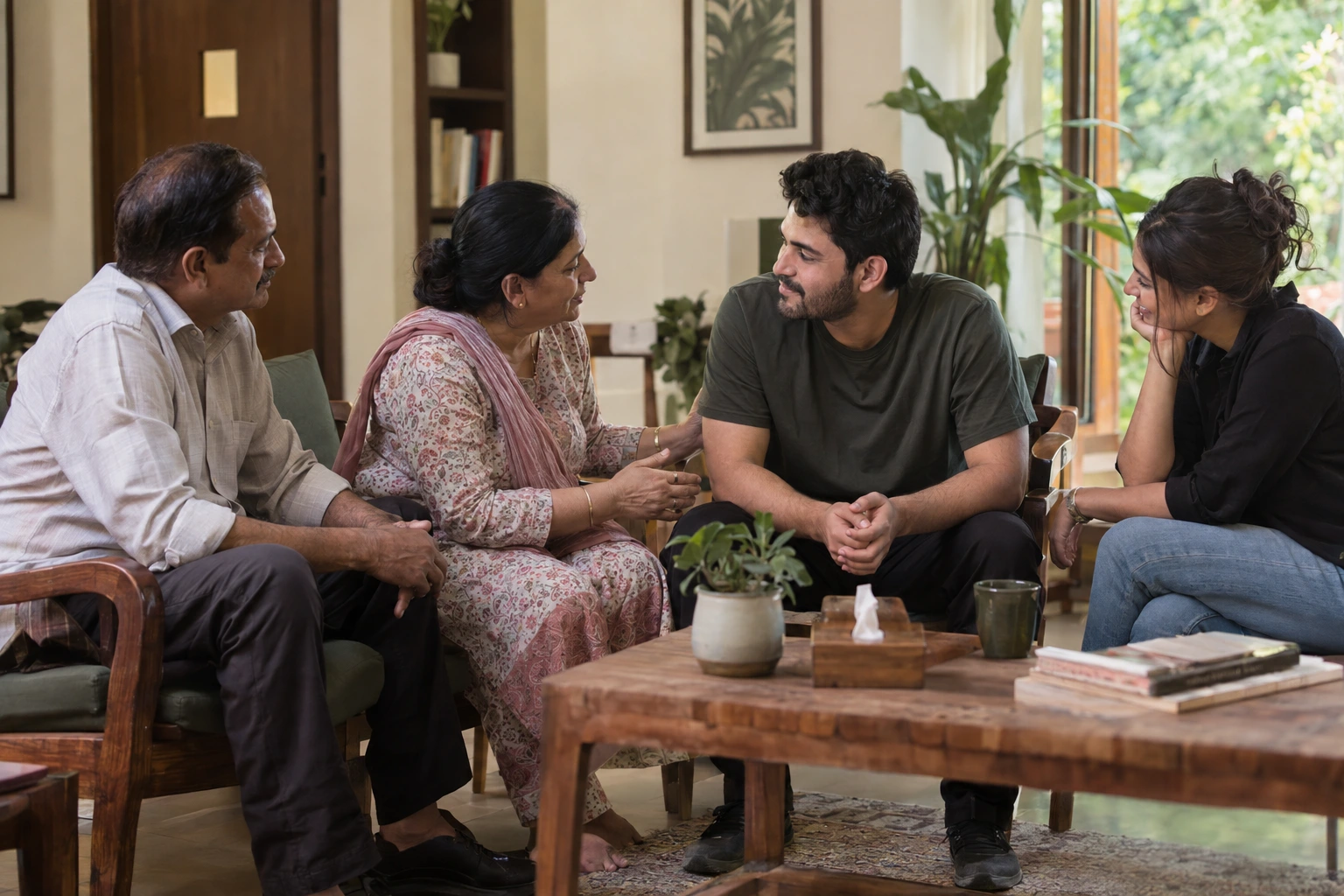
Almost every family who calls our rehab centre in Bilaspur begins the same way. Something has been wrong for months, the explanations stopped adding up a while ago, and nobody in the house wants to say the word chitta or sharab out loud. These are the signs they describe to us.
- Foil, a lighter, burnt silver paper or syringes in his room
- Drinking from the morning, or bottles hidden in the cowshed or car
- Money, grain or his mother's jewellery going missing
- Sudden weight loss, sleeping all day, awake and restless all night
- Shaking, sweating, vomiting or cramps when he cannot get a dose
- New friends you have never met, long absences, a phone he guards
- Tablets, capsules or cough syrup bought again and again
- Anger, lies, borrowed money and promises to stop that never hold
None of this makes him a bad son or a bad husband. Addiction is an illness that changes the brain, and like any illness it answers to proper treatment rather than to shame. Our full guide to the warning signs of drug and alcohol addiction goes through each one in detail, and if you are quietly wondering whether somebody at home is using, this guide in Hindi may help: ghar mein koi chitta le raha hai. The hardest part is the first phone call, and you do not need the right words for it.
What our rehab centre in Bilaspur treats
Most men who reach our drug rehabilitation centre in Bilaspur district are using more than one thing: chitta with sharab, charas or bhang with tablets, or poppy husk with whatever is at hand. We assess the whole picture at admission and build one plan around it, not a plan for the substance that happened to get caught.
Chitta, heroin, smack and brown sugar
Chitta takes hold within weeks and the withdrawal is brutal, which is why almost nobody manages to stop at home. Chitta ka ilaj here starts with medically supervised detox: the right medication, monitoring and nursing round the clock, so the vomiting, cramps, sweats and sleeplessness are managed rather than endured. After that comes the real work. Chitta treatment in Bilaspur families can rely on means months of counselling, group therapy and a written plan for the day he goes home, because chitta de-addiction is about rebuilding a life, not just clearing a drug.
Sharab: alcohol, country liquor and daily drinking
Sharab is still the commonest reason families here pick up the phone. Stopping suddenly after years of heavy drinking can cause tremors, seizures and hallucinations, so sharab chudane ka ilaj has to begin with medical care, not willpower. As an alcohol treatment center for Bilaspur families, we start with supervised detox, then treat the liver, sleep, nutrition and the depression or anxiety that sharab ki lat usually sits on top of. More on how alcohol de-addiction in Bilaspur actually works is in our guide to alcohol addiction recovery.
Charas, ganja and bhang
Bhang grows wild along the Satluj banks and the field edges all through this district, so it gets waved away as harmless, and charas gets treated as a season's fun. What we actually see is young men whose studies, jobs and motivation have quietly come apart over two or three years. Charas ganja treatment here works on the habit itself: CBT, a fixed routine, fitness and a group of men who call out the same excuses they used to make.
Opium, afeem, doda, bhukki and chura post
These are opioids too, and in Bilaspur district they are common among older men, truck drivers and labourers who started with something to get through the day. Poppy husk moves along the Kiratpur to Manali highway in quantity and causes real physical dependence. Coming off it needs a medically managed taper, then the full residential programme, because the habit is usually decades old.
Goliyon ka nasha and prescription drugs
Tramadol, codeine syrup and alprazolam hide in plain sight because the strips and bottles come from a chemist and nobody calls it a nasha. We taper under medical supervision, since stopping a benzodiazepine like alprazolam abruptly can cause seizures. Prescription dependence is treated with exactly the same seriousness as chitta at this de addiction center.
Injecting, mixed use, cocaine and MDMA
Injecting carries the highest risks of all: overdose, abscesses, hepatitis and HIV. Mixing substances makes withdrawal unpredictable, so we screen for infection, refer where needed and detox with extra caution. Synthetic opioids such as fentanyl are not a significant problem in Himachal at present, but we test and watch for anything unusual in a mixed supply.
Is withdrawal dangerous at home?
Sometimes, yes, and this is the part families most often get wrong. Locking a man in a room until the nasha passes is not treatment. With alcohol, sudden withdrawal can bring on seizures and delirium tremens, which can kill. With alprazolam and other sleeping tablets, the same risk applies.
With chitta it is rarely fatal on its own, but the pain and sickness are so severe that almost everyone uses again within a day or two, and tolerance drops fast, so the dose he goes back to can be the one that stops his breathing. If he has ever had a fit, has liver trouble, is diabetic, or is drinking from morning to night, do not attempt this at home. Call our de-addiction centre in Bilaspur district or take him straight to a hospital.
What makes the best rehabilitation centre in Bilaspur for de-addiction?
Every page you open calls itself the best nasha mukti kendra in Bilaspur, and most of them are not even in Himachal. Before you choose any rehab centre in Bilaspur or anywhere else in the state, ask for these six things and watch how quickly you get a straight answer. They are the standard we hold ourselves to, and you can check every one of them on a visit.
Registered, with papers you can see
We hold Provisional Registration Sr. No. 193 from the HP State Mental Health Authority, Shimla. Ask any centre to put its certificate in your hand. One that hesitates, or waves a trust deed at you instead, has already told you what you needed to know.
Medical detox, not a locked room
Withdrawal is managed with medication, monitoring and nursing round the clock. Cold turkey behind a bolted gate is not treatment, and with sharab or tablets it can be dangerous. Ask who prescribes, and what happens at three in the morning.
180 days, not 15
Short stays rarely hold, especially with chitta. Six months gives the body time to repair and the mind time to build habits that survive the walk back into the same street. We will tell you honestly what a shorter stay can and cannot do.
Family inside the treatment
Parents, wives and brothers learn how addiction works and how to help without funding the next dose. Recovery holds far better when the home changes too. A centre that keeps the family outside the gate is treating only half the problem.
Fees written down
Our fees for the nasha mukti kendra in Bilaspur families use are published in full on this page. Anything outside them, such as a hospital referral or transport, is discussed with the family before a rupee is spent. Nobody should learn the real price after their son is already inside.
Run by someone who has been there
Our founder, Eshan Pathania, is five years in recovery himself and is at the centre daily. He knows exactly what your son is going through, which excuses to expect, and what it takes to come out the other side.
Why families call us the best nasha mukti kendra in Bilaspur district
Not because we say so. Because those six points are checkable, and because a top rehabilitation centre in Bilaspur district should be willing to say no when its programme is not right for your son, and point you somewhere better. We never promise a cure, we never quote a success rate, and we do not use the words "100% recovery". Addiction is a long illness with relapses in it, and any centre that tells you otherwise is selling something. If you are still unsure what you are even looking for, read the difference between a rehab centre and a nasha mukti kendra before you ring anybody.
What a top rehabilitation centre in Bilaspur will always tell you
That it cannot fix this in fifteen days. That he may relapse. That the family has to change too. That some men do better at a government hospital than with us. A best rehabilitation centre in Bilaspur claim means nothing beside a centre willing to say those four things out loud on the first phone call, before a single rupee has changed hands.
Comparing the best rehab centre in Bilaspur, Himachal Pradesh against whichever centre has paid for the top advertisement? Come and visit, ask the six questions, and hold us to every one.
Searching for the best rehab centre near me in Bilaspur?
Most families find us at two in the morning, typing rehab near me, nasha mukti kendra near me, de-addiction centre near me or alcohol treatment center near me into a phone after another bad night. Whether you are in Bilaspur town, Ghumarwin, Jhandutta, Swarghat, Barmana, Berri, Namhol, Bharari, Talai or Naina Devi, here is what that search should actually lead you to.
A rehab centre in Bilaspur families can reach any hour
The phone is answered by a counsellor at any hour, not a call centre, and admission can happen on the same day you call. Families set out from Bilaspur, Ghumarwin, Swarghat, Barmana and Jhandutta in the morning and have their son assessed and settled by evening. If you searched for a rehab centre near me from a village where the last bus leaves at four, tell us and we will plan the day around that.
A nasha mukti kendra in Bilaspur with real medical cover
The best nasha mukti kendra near me is the one that can keep him safe while the drug leaves his body. We detox under medical supervision with 24x7 nursing, a pharmacist on the team and doctor and psychiatrist reviews, and a government medical college hospital sits on our doorstep at Tanda if a resident ever needs more than we can give.
A de-addiction centre in Bilaspur you can check
A de addiction center near me is only worth the money if you can verify it. Our registration number is printed on this page, our fees are published, our team is named with their qualifications, and you are welcome to walk in and look at the rehab centre in Bilaspur families are trusting their son to. That is the difference between a top nasha mukti kendra in an advertisement and one you can stand inside. A rehabilitation centre near me is a real answer only when the registration, the doctor and the fees are all things you can put your hand on.
One warning specific to this district. Search for the best nasha mukti kendra in Bilaspur and most of what comes back is written for Bilaspur in Chhattisgarh, which is a different city more than a thousand kilometres away, by call centres in Indore, Nagpur and Delhi that have never seen the Satluj. Check that whoever you are calling can name Ghumarwin, Swarghat or Barmana without looking it up.
Chitta, sharab and drugs: what Bilaspur is facing
If you feel your family is the only one, the numbers say otherwise. Bilaspur is a small district of under four lakh people sitting on the main highway from Punjab into the hills, and that single fact has made it one of the three worst-affected districts in Himachal Pradesh.
233NDPS cases registered in Bilaspur in 2025, third highest of any district in Himachal
67NDPS cases in just two months of 2026, with 146 people arrested, on the SP's own figures
Rs 1.35 crof assets frozen by Bilaspur police across seven drug trafficking cases
Police figures, and the way the line is going
Start with where Bilaspur sits in the state table. NDPS cases across Himachal rose by 28 per cent in 2025, and of the 2,807 people arrested statewide that year, Bilaspur accounted for 233 cases, behind only Mandi on 297 and Shimla on 255. For a district of 3.8 lakh people against Mandi's ten lakh, that is a far heavier burden per household.
In the first quarter of 2025, Himachal recorded 305 chitta seizure cases and Bilaspur accounted for 32 of them. By August 2026 the pace had sharpened again: SP Bilaspur Abhishek Dhiman put the district at 67 NDPS cases and 146 arrests in the previous two months alone. That is more than one case a day, every day, in a district you can drive across in an hour.
The highway is the problem
Bilaspur's geography is its curse here. The Kiratpur to Manali four-lane highway runs the length of the district, and it is the main road from Punjab into the whole of upper Himachal. Almost every big chitta case in Bilaspur is a highway case.
In August 2026, police took 232 grams of chitta in a single day in two operations on the Baloh four-lane: 122 grams off a bus from a man from Batala in Gurdaspur, and 110 grams at Mandri Ghat from two men from Dehar in Mandi district. Later that month, 158 grams came off two separate Volvo buses, one near Ghumarwin and one at the Kainchi Mod tunnel near Swarghat, with all four men arrested coming from Tarn Taran in Punjab.
The networks behind it are organised and long-running. In August 2026 Bilaspur police broke up an interstate racket near Jhandutta, arresting six people with 175.5 grams of heroin and Rs 2 lakh in cash: three suppliers from Amritsar and three local men from Beri Dadolan, Behna Jattan and Ghumarwin. The SP said the network had been running across Jhandutta, Ghumarwin and Bilaspur for a very long time.
Money, and property built on chitta
What makes Bilaspur different from most Himachal districts is that the police here have gone after the money. Across seven separate trafficking cases, Bilaspur police froze roughly Rs 1.35 crore in property, vehicles, bank deposits and gold. The individual cases tell you how much money sits behind very small quantities: Rs 39.5 lakh frozen in a case involving 57.3 grams of heroin, Rs 30.5 lakh where the seizure was 15.13 grams, Rs 21.2 lakh where it was 6.17 grams, and Rs 13 lakh in a Swarghat case involving two men from Mandi district caught with 14.5 grams.
Two of those cases involved hashish rather than heroin, including 5.7 kg in one and 1.8 kg in another. If you have been telling yourself that the boy down the lane is just a small-time user, those figures are worth reading twice.
Ghumarwin, Jhandutta and the eastern belt
Ghumarwin is the district's second town and it appears in case after case. Bike riders have been stopped there with chitta, Volvo buses have been searched on the link roads around it, and local distributors in the Amritsar network were based in and around it. Jhandutta, Beri Dadolan and Behna Jattan appear in the same files. These are not city problems arriving from elsewhere; they are village addresses.
Swarghat, Barmana and the Punjab border
Swarghat sits where Himachal meets Punjab on the main highway, and it is the first and last checkpoint for everything moving in either direction. Chitta has been seized at the Kainchi Mod tunnel, and in September 2026 the Excise Department stopped a vehicle at the Garamoda barrier on the Punjab border and seized 180 cases of liquor marked for sale in Chandigarh only, with the case registered at Swarghat police station. The Deputy Commissioner called it the second major seizure in three days. Barmana, with its cement works and its constant truck traffic, carries the same pressure.
Naina Devi, Namhol, Bharari and the quieter tehsils
The pilgrimage town of Naina Devi brings its own crowds and its own anonymity, and the tehsils of Namhol, Bharari and Kalol are quieter only in the sense that fewer cases are reported from them. Families from these areas reach us having tried to manage it alone for a year or more, because there is nothing nearby and nobody they can tell.
Overdose and chitta deaths
Overdose is the part nobody counts properly. Across Himachal, 66 people died of drug overdose in three years, 31 of them in 2024 alone, and the state has mapped 234 red-zone panchayats as highly vulnerable, with Bilaspur among the districts under intensified surveillance. In one 72-day stretch alone, 13 overdose deaths were reported statewide and two of them were in Bilaspur district. Most of these deaths happen soon after a failed attempt to quit, when tolerance has dropped and the old dose is suddenly too much.
Sharab, illicit liquor and what it costs
Chitta gets the headlines; sharab quietly does more damage across more households in this district. Bilaspur sits on a state border, which makes it a natural route for liquor that is cheaper or differently taxed on the other side, and the 180 cases taken at Garamoda were only one of a run of seizures. The district remembers too that the spurious liquor which killed seven men at Slappar near Sundernagar in January 2022 was being supplied into Bilaspur along with Kangra, Una, Hamirpur and Mandi.
Behind every such seizure sit the quieter losses: the liver that fails at 45, the accident on the four-lane, the household that runs out of money before the month does. Almost nobody with a drinking problem here ever reaches treatment. The AIIMS national survey, Magnitude of Substance Use in India, found that only about one person in 38 with alcohol dependence reports getting any help at all. That gap, between how many families are living with sharab ki lat and how few ever see a doctor, is exactly what the best nasha mukti kendra in Bilaspur district should exist to close.
What the police and the government are doing
Enforcement in Bilaspur has sharpened more than in most districts. The asset freezes under Section 68F of the NDPS Act are the clearest sign of that: financial investigation now runs alongside the criminal one, so a peddler loses the house as well as his liberty. Repeat traffickers are being held under the PIT NDPS Act, and the police have followed supply chains back into Punjab rather than stopping at the person holding the packet.
Alongside that, the state runs the Anti-Chitta Jan Andolan and the national Nasha Mukt Bharat Abhiyaan, gram panchayats have formed their own watch committees, and surveillance has been ordered around schools and colleges.
All of that goes after supply. None of it treats the young man already sitting in your house, shaking. That part is yours to start, and it starts with a phone call. If your son or your husband is somewhere in these numbers, you have not failed him by asking for help. You have finally done the one thing that works.
Is your rehab centre in Bilaspur registered? How to check
This is the single most useful question a family can ask when they are comparing one best rehabilitation centre in Bilaspur claim against another, and almost nobody asks it. Five minutes here can save you from handing your son to people who have no business taking him.
The law says registration is compulsory
Under Section 65 of the Mental Healthcare Act 2017, no mental health establishment may run without being registered with the State Mental Health Authority. A de-addiction centre or rehab is a mental health establishment. There is no exemption for a small place, a charitable place, or one that calls itself only a hostel.
What provisional registration means
Under Section 66, a new establishment is first given provisional registration. It is valid for twelve months, it is renewable, and it is the step before permanent registration, which follows an inspection. Ours is Sr. No. 193, issued by the HP State Mental Health Authority, Shimla, on 14/05/2026 under Sections 66(4) and 66(11).
Why "government approved" often means nothing
Plenty of pages advertising the best nasha mukti kendra in Bilaspur call themselves government approved on the strength of a trust deed, a society registration or a GST number. None of those is a licence to run a nasha mukti kendra in Himachal Pradesh or to treat anybody for drug de-addiction. A registration certificate from the State Mental Health Authority, with a serial number on it, is the only document that counts.
Unregistered centres have hurt people
This is not a technicality. Unregistered and poorly run centres in this region have been reported for beatings, for detaining men against the law, and for deaths in custody, and the state authority itself has had to close centres down. We do not name victims or families. We only say that the difference between a registered establishment and a locked building is sometimes a life.
How to check any centre in five minutes
Ask to see the registration certificate and note the serial number. Ask which authority issued it and when it expires. Ask for the name of the doctor who prescribes during detox. Ring the HP State Mental Health Authority in Shimla on 0177-2633601 and confirm. If a centre gets annoyed at any of that, walk away.
Our papers, on the page and on the wall
Sr. No. 193 is printed at the top and the bottom of this page, and the certificate hangs at the centre where you can read it. Our trust registration, No. 2025/19/IV/123, is a separate document and we do not pretend it is a treatment licence. Come and inspect both before you decide anything.
The 180-day programme at our nasha mukti kendra in Bilaspur
Every man admitted to our rehab centre in Bilaspur district follows the same eight stages, whether he came in from Bilaspur town or from a village beyond Jhandutta. The pace changes from man to man. The structure does not. 180 days is what we recommend, but the programme is flexible, fees are monthly, and a shorter stay costs less. We will tell you plainly what a shorter stay can achieve and what it cannot.
Admission and assessment
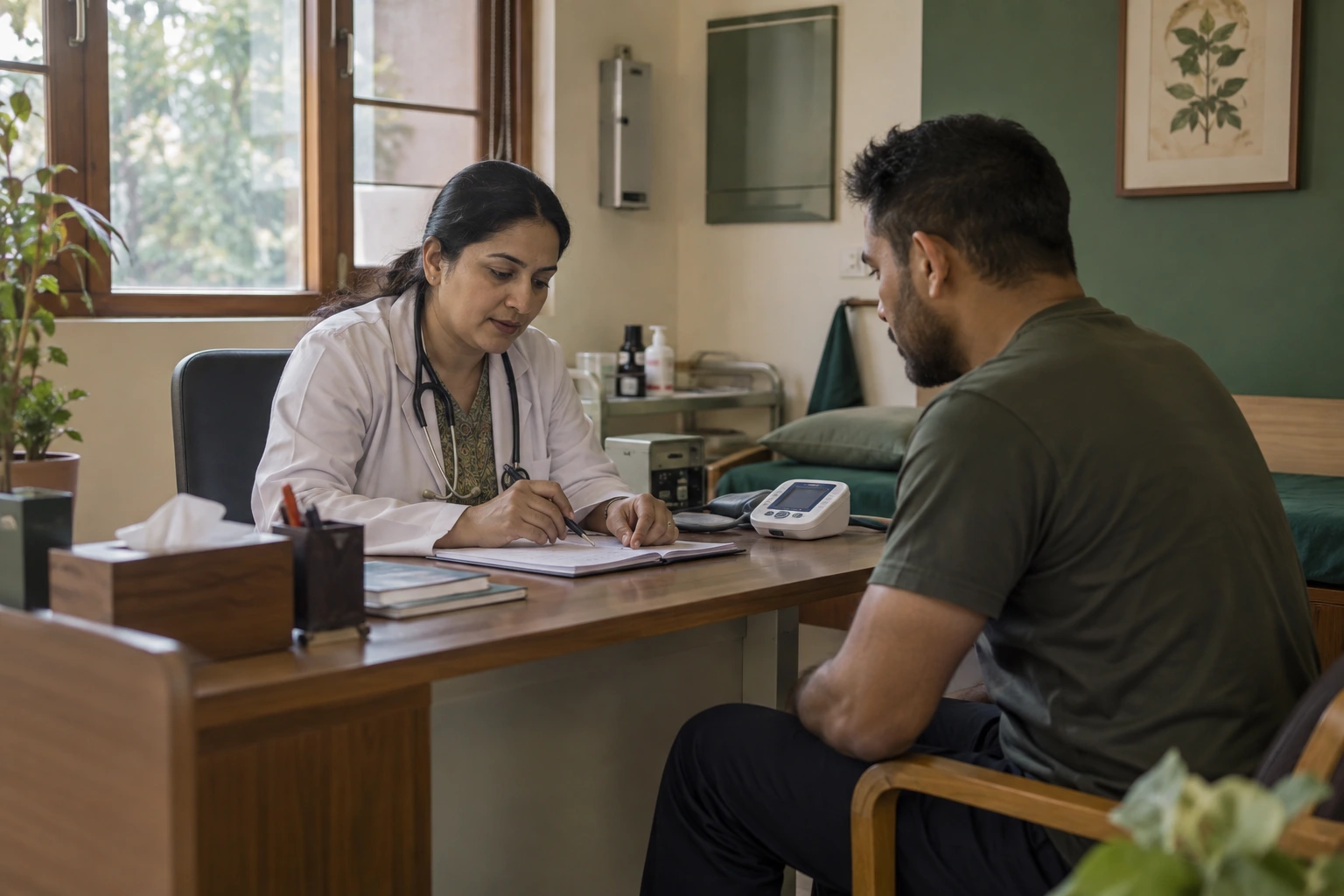
A confidential medical and psychiatric assessment of his substance history, physical health, mental health and family situation, then a written treatment plan made for him and explained to you.
Medically supervised detox
Withdrawal from chitta, sharab, doda or tablets is managed with the right medication, regular monitoring and 24x7 nursing, so it is as safe and as bearable as it can be made.
Psychiatric and psychological therapy
Addiction rarely arrives alone. One-to-one sessions and CBT work on the depression, anxiety, anger, grief or trauma that is usually sitting underneath the nasha.
12-step programme and group therapy
Daily group meetings where men learn from each other, hold each other to account, hear their own excuses in someone else's mouth, and find out they are not the only one.
Yoga, meditation and fitness
Mornings begin with yoga and meditation on the lawn, facing the Dhauladhar. Exercise, sport and regular meals rebuild a body that chitta or sharab has run down.
Family counselling
Parents, wives and siblings learn how addiction works, how to rebuild trust slowly, and how to support recovery without quietly funding the next relapse.
Relapse prevention
Before discharge, every man writes his own plan: his triggers, his warning signs, the people he will call, and what the first hour of each day at home will look like.
Aftercare and follow-up
Discharge is not goodbye. We stay in touch through follow-up calls and reviews, and the helpline stays open to him and to his family for as long as they need it.
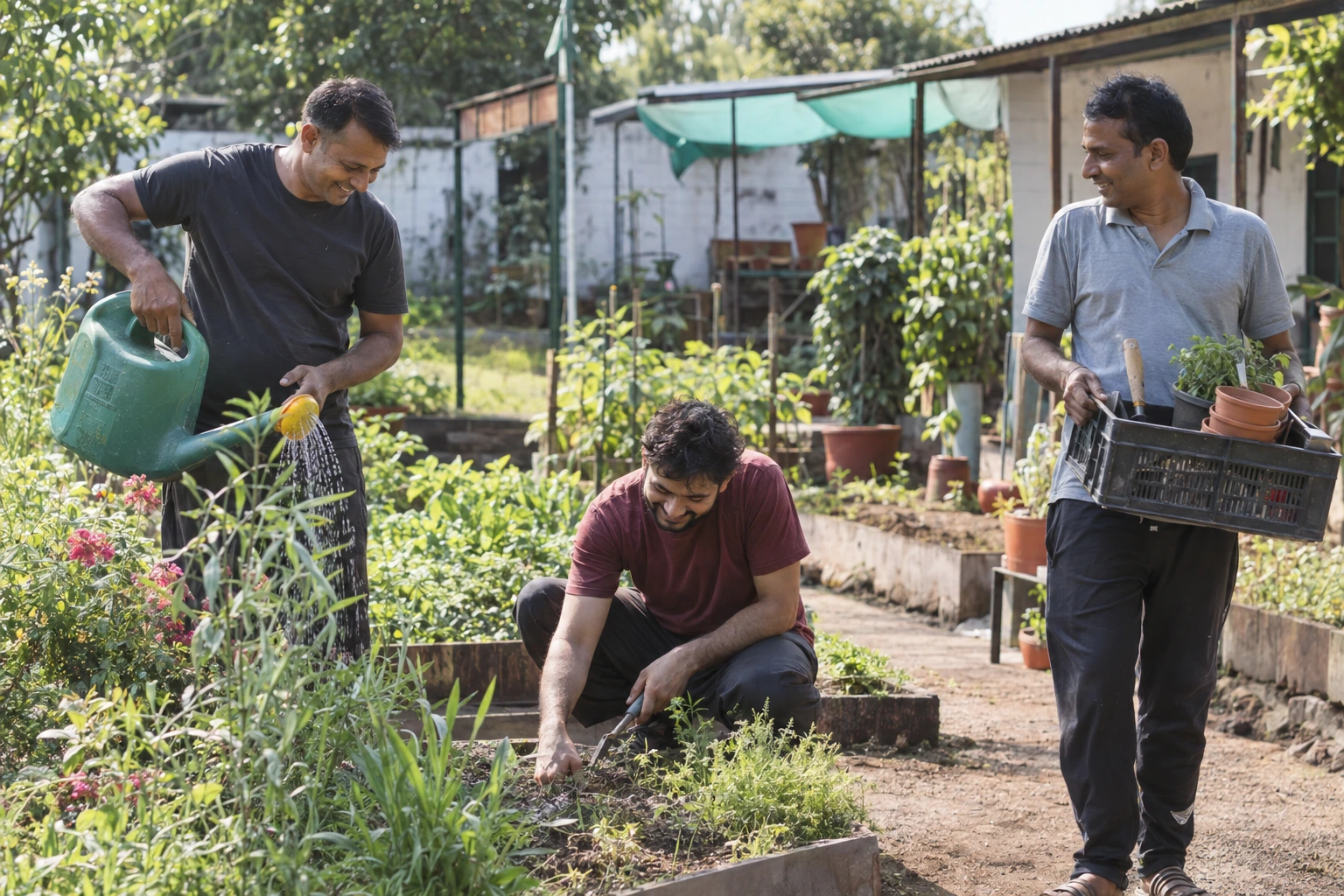
A day at the centre
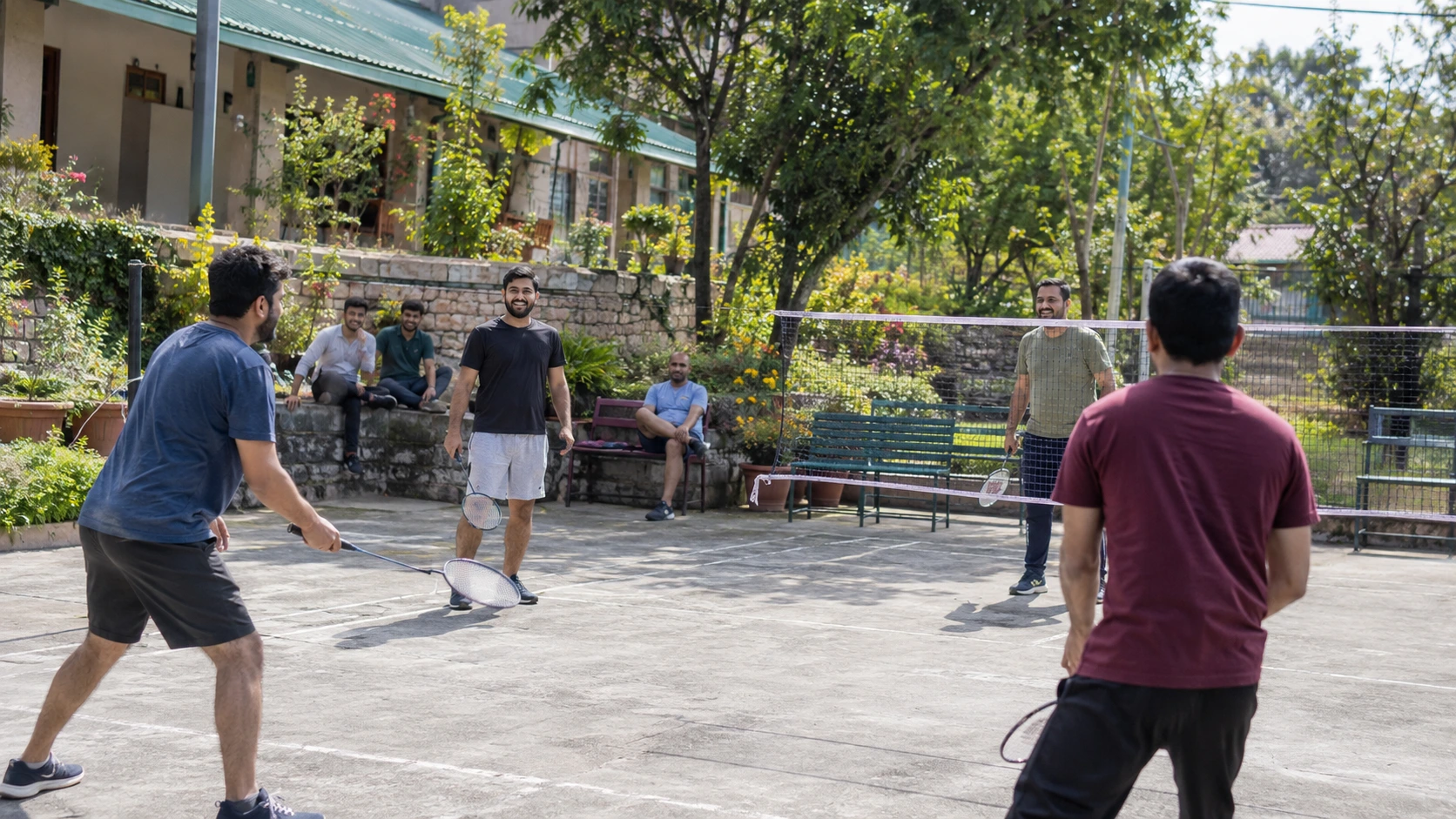
Structure is part of the medicine at any serious rehab centre in Bilaspur district. Life here follows a steady rhythm from waking to lights out, so that discipline slowly takes the place of craving and the day stops being something to get through.
Morning
An early start, yoga and meditation on the lawn, breakfast, then group therapy and one-to-one counselling.
Afternoon
Rest, reading, skill-building and vocational work, and time for fitness and games.
Evening
Sport, a 12-step meeting and quiet reflection, with fixed meal and sleep times throughout.
Admission at our rehab centre in Bilaspur: first day, visits and calls
Families ask our nasha mukti kendra in Bilaspur district the same practical questions on every first call, and they deserve real answers rather than "don't worry". Here is what actually happens.
When he refuses help
Refusal is part of the illness, not proof that treatment will fail. Nearly every man here said no first. Do not argue during a craving or a drunk evening; speak in a calm hour, say what you have seen rather than what he is, and make one concrete offer. Our counsellors will coach you through that conversation on the phone before you have it, and explain honestly what the Mental Healthcare Act 2017 does and does not allow a family to do. It may also help to read this guide for families who suspect chitta at home.
What to bring
His Aadhaar or another photo ID, your own ID, and any old prescriptions, discharge summaries or test reports. A few sets of clothes, slippers, a towel and basic toiletries. No cash, no jewellery, no valuables. Tell us at assessment about seizures, TB, HIV, hepatitis, liver problems, diabetes, blood pressure or any psychiatric medicine he takes, even if it feels shameful. Withheld information is the most common reason a detox goes badly.
The first day and the first week
Assessment, paperwork, a medical check, then a room and a meal. Detox usually begins the same day. The first three to five days are the hardest, with poor sleep, aches, sweats and a lot of anger, and nursing runs through the night for exactly this reason. By the end of the first week most men are eating properly and sitting in group. Somebody from the team will update you by phone through that week.
Visits and phone calls
Both are planned with the counsellors as part of treatment, usually after the first stabilisation period, because contact during withdrawal tends to turn into pleading to come home and sets recovery back. After that, visits are welcome and family sessions are part of the programme. Families from Bilaspur generally come once a month and combine the visit with a family counselling session, which saves a second journey.
Food and daily care
Simple Himachali vegetarian food from the trust kitchen, on a fixed timetable, with an upgraded diet on the B Caring and A Caring plans. Tea in the morning and evening. Medication is given by the nurse, not kept by residents. Clothes, cleaning and laundry are part of the daily routine, because doing your own work again is part of getting well.
After discharge, and if he slips
He leaves with a written relapse prevention plan and a follow-up schedule, and our helpline stays open to him. If he does slip, tell us early. A slip caught in a week is a setback; a slip hidden for three months is usually a full relapse. We will look honestly at what failed, whether it was a stay that was too short, a depression nobody treated, or no plan for the first Sunday at home, and we will take him back.
Rehab centre in Bilaspur: fees, stated plainly
Families comparing one rehab centre in Bilaspur against the best nasha mukti kendra in Bilaspur district almost always start with cost, and they are right to. We publish everything. The treatment is identical in every plan; only the room and the diet change. Fees are monthly, so a shorter stay costs less.
General accommodation
Shared Residential Care
Rs 12,500 per month
A place in shared quarters, with meals from the trust kitchen.
Deluxe room, twin sharing
B Caring
Rs 25,000 per month
A deluxe room shared with one other resident, with an upgraded diet.
Private room, single occupancy
A Caring
Rs 40,000 per month
A room of his own and an upgraded diet, for men who need privacy.
Medically supervised detox: Rs 6,000, charged once at admission, whichever plan you choose.
Every plan includes
- Accommodation and all meals
- Prescribed medication
- Doctor and psychiatrist reviews
- Individual counselling and group therapy
- Yoga, fitness and every activity at the centre
- Family counselling sessions
Anything outside this, such as a hospital referral or transport, is discussed with the family before it is spent. There is no separate charge for admission, for paperwork, or for talking to us on the phone.
Government options for Bilaspur families, honestly compared
No top rehabilitation centre in Bilaspur district should pretend the free route does not exist. We are a private charitable trust and we charge fees. Bilaspur now has a tertiary hospital most Himachal districts would envy, so for some families the government route is genuinely the right first stop. This is what is available, with the details we could verify.
AIIMS Bilaspur
The single biggest change in this district. AIIMS Bilaspur at Changar Palasiyan near Kothipura is a 750-bed tertiary teaching hospital with a psychiatry department among its specialities, 24x7 emergency services, a 24-hour pharmacy and nominal OPD registration fees. Its listed number is 01978-280500. For a psychiatric assessment on paper, for an overdose, or for withdrawal that has turned dangerous, this is the first place to go.
Regional Hospital Bilaspur and the CHCs
The district hospital in Bilaspur town and the community health centres at Ghumarwin, Jhandutta, Swarghat and Namhol are the nearest doors that open at any hour if your son has collapsed, is bleeding, or cannot be woken. They are not de-addiction facilities, but in an emergency that is not what matters.
Integrated centre at Bhuntar, Kullu
The Red Cross-run integrated de-addiction and rehabilitation centre at Bhuntar, a satellite of the AIIMS national drug dependence treatment centre, has separate buildings for men and women and a daily outpatient service. It is up the same highway from Bilaspur and it has handled a great many heroin cases from this corridor.
IRCA Hamirpur
Across the district boundary, the Integrated Rehabilitation Centre for Addicts at Hamirpur is run by the Gunjan Organisation and funded by the Ministry of Social Justice and Empowerment. Its own listing gives 15 beds, medically supervised detox and counselling, on 01972-293307. For families in Ghumarwin and the northern tehsils it is a realistic drive. Ring ahead about beds.
Helplines that answer today
The national de-addiction helpline is 14446 and Tele MANAS, for mental health, is 14416. Neither will admit your son, but both will talk to you tonight, free, and neither will tell anybody. For a young man who will not speak to his parents yet, a helpline is often the first thing he will actually use.
Where we differ, plainly
Government treatment is free or nearly free, and that matters enormously. What a hospital psychiatry OPD usually cannot offer is a six-month residential stay, a named counsellor throughout, family sessions built into the programme, or a bed on the day you call. We charge for those things. If the free route can do what your family needs, take it, and we will say so on the phone.
The people Bilaspur families will meet
These are the faces behind the rehab centre in Bilaspur families send their sons to: the counsellors, the nurse, the pharmacist and the trainers your son will see every day. Nobody here is a name on a website you cannot meet.
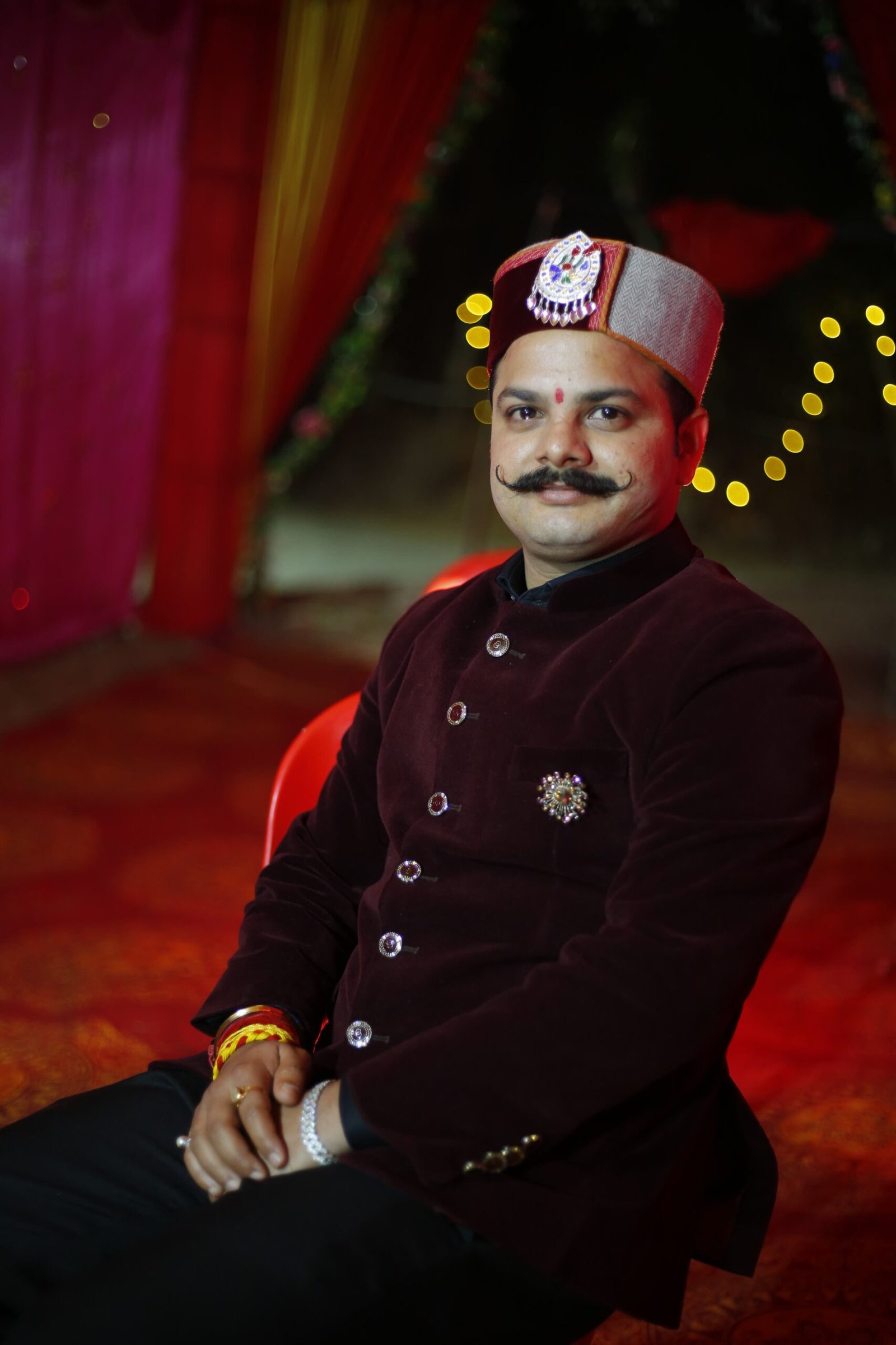
Eshan Pathania
Founder & Managing Trustee
Eshan set up the Trust on one conviction: that the men of Himachal deserve serious, dignified treatment close to home, and that their families deserve straight answers instead of sales talk. He is five years in recovery himself, he is at the centre every day, and if you call and ask for him you will usually get him.
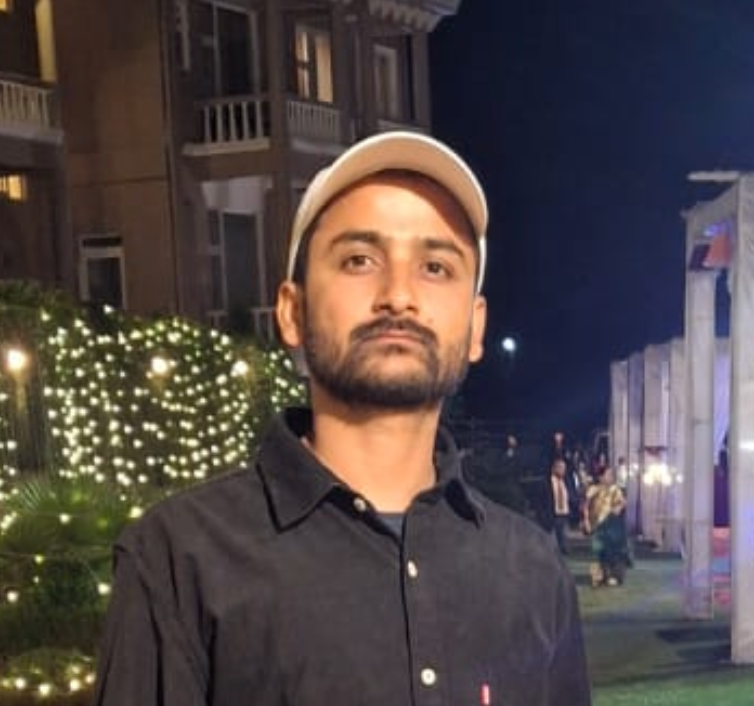
Pankaj Guleria
Vocational Trainer
Skill development and daily vocational work
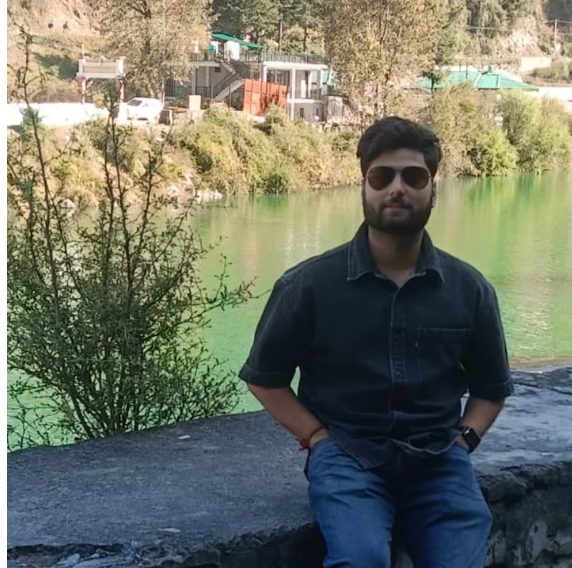
Rakshit Sharma
D. Pharma
Medical support and medication management
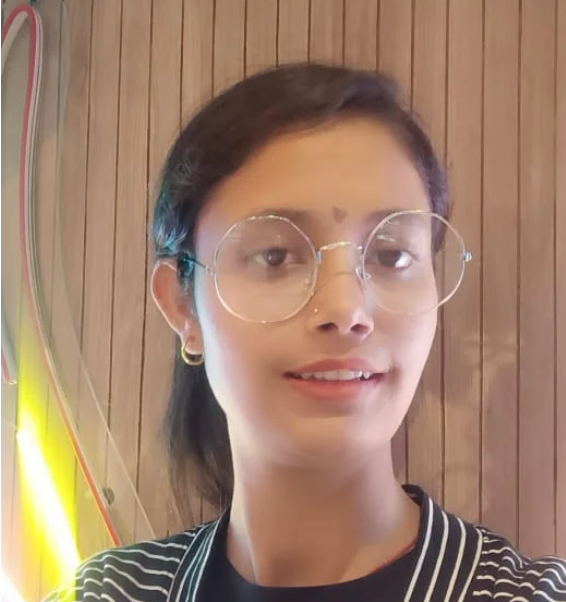
Vanshika
Psychologist
Group therapy and relapse prevention
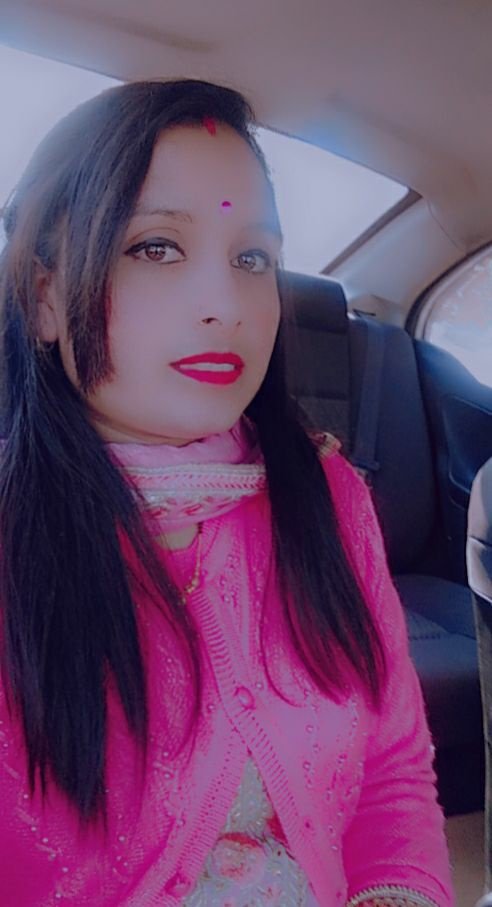
Shivani Rana
MSW Counsellor
Individual counselling and family support
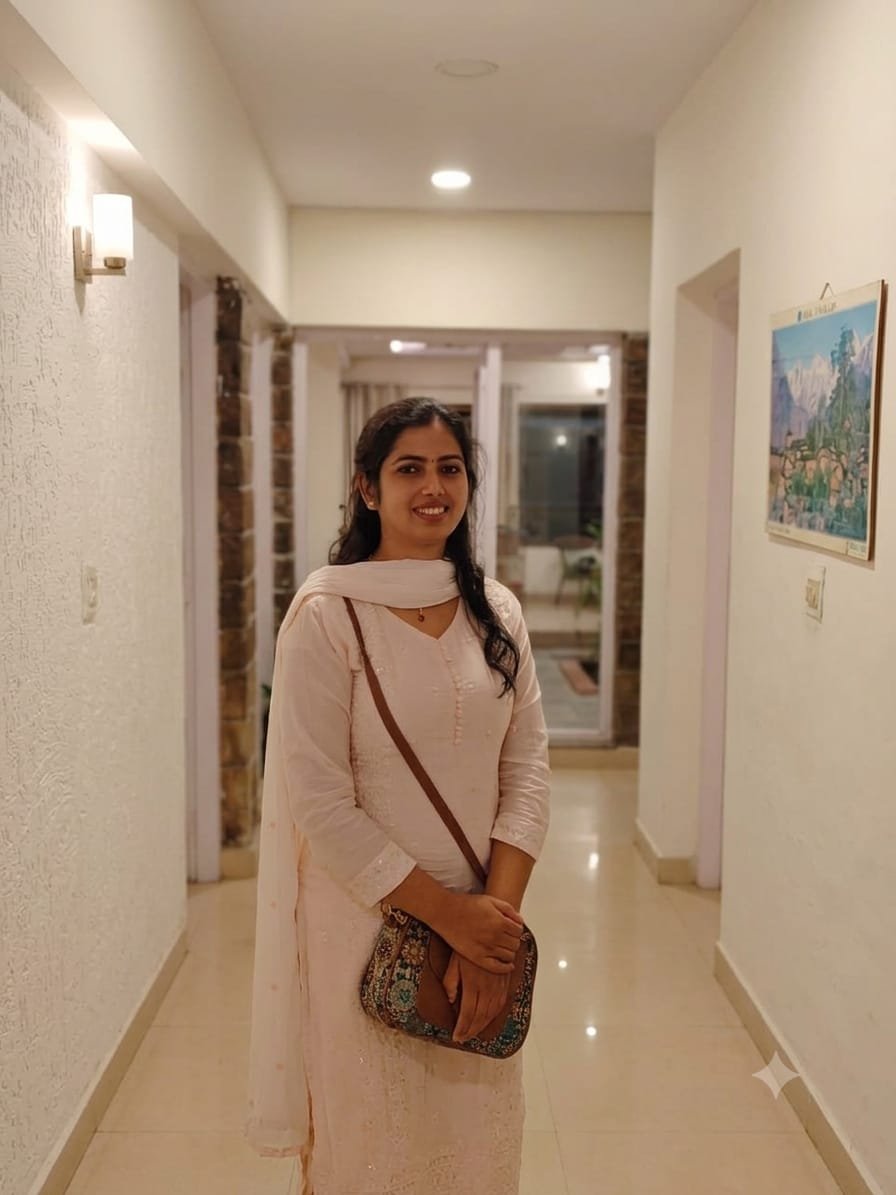
Counsellor
MSW Counsellor
12-step programme and emotional support
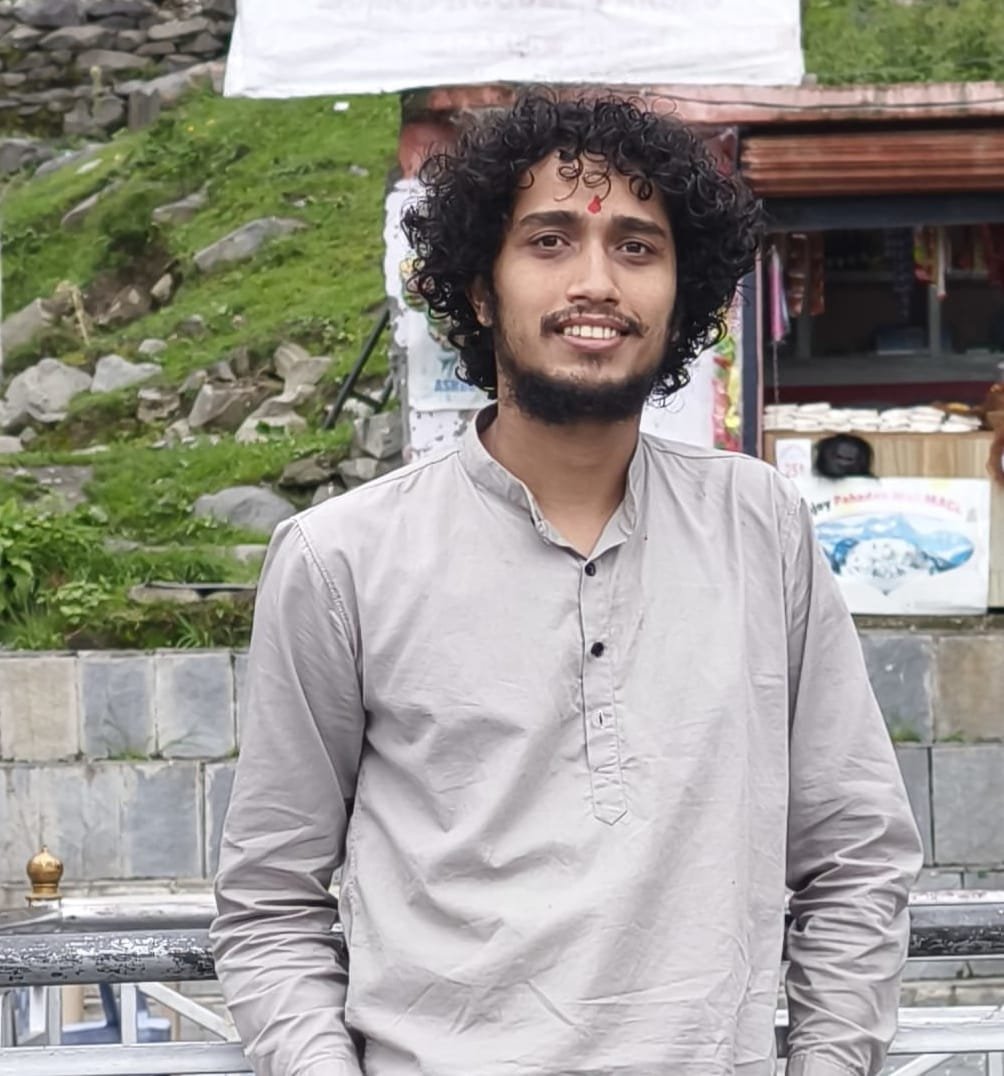
Abhishek
Yoga & Wellness Instructor
Morning yoga and breathwork
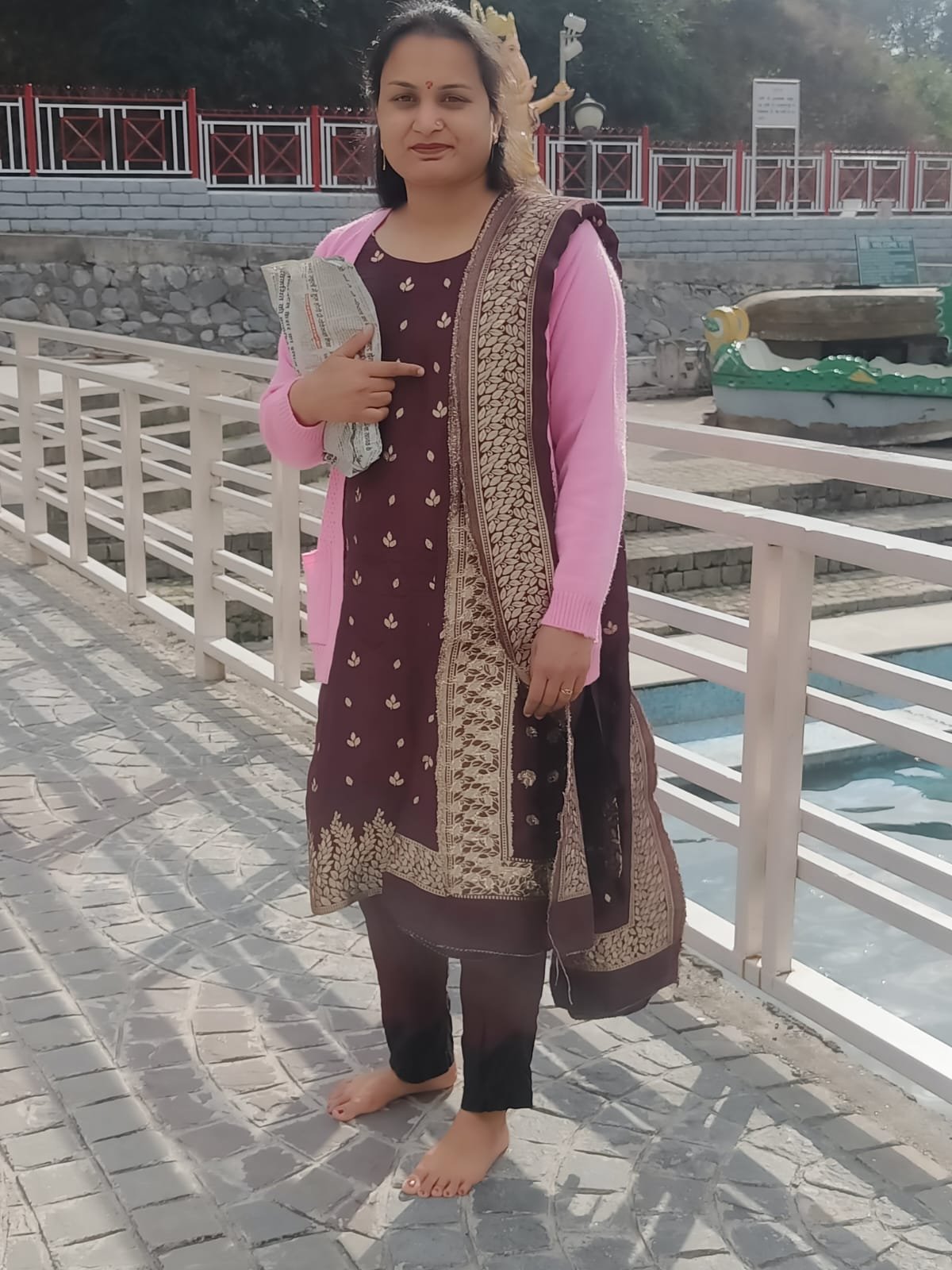
Kheema
Staff Nurse
Round-the-clock nursing care
Voices of recovery
Shared with permission by men who finished the programme at the rehab centre in Bilaspur families rely on. People here ask us constantly whether any of this really works, so we would rather let three of them answer than answer for ourselves.
“I had written myself off long before I got here. Nobody shouted and nobody locked me up. At this nasha mukti kendra they treated me like a man still worth saving, and I stayed the full 180 days of the de-addiction programme. I walked out of that rehabilitation centre with my life back in my own hands.”
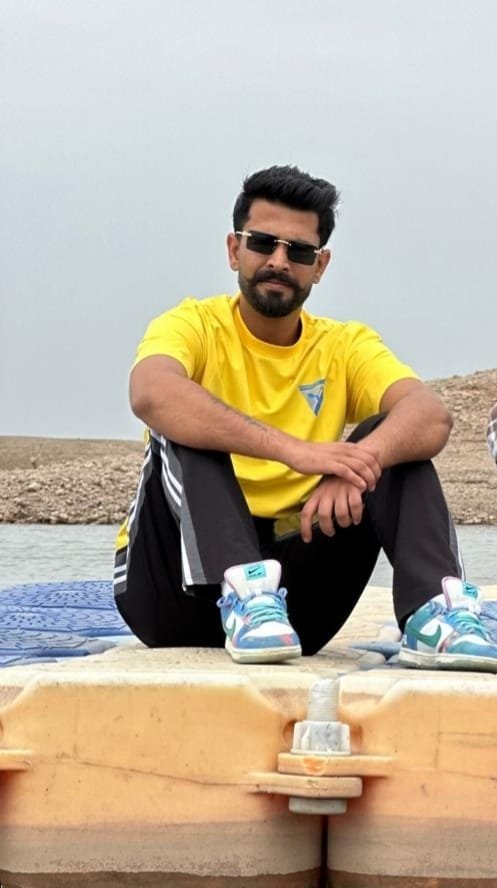 Dinkar
“What happens at this de addiction center is real medical care, not punishment, and that is the whole difference. The detox and drug de-addiction got me clean; the counselling made me face things I had run from for years. I left this rehab with a plan on paper and I still follow it every morning.”
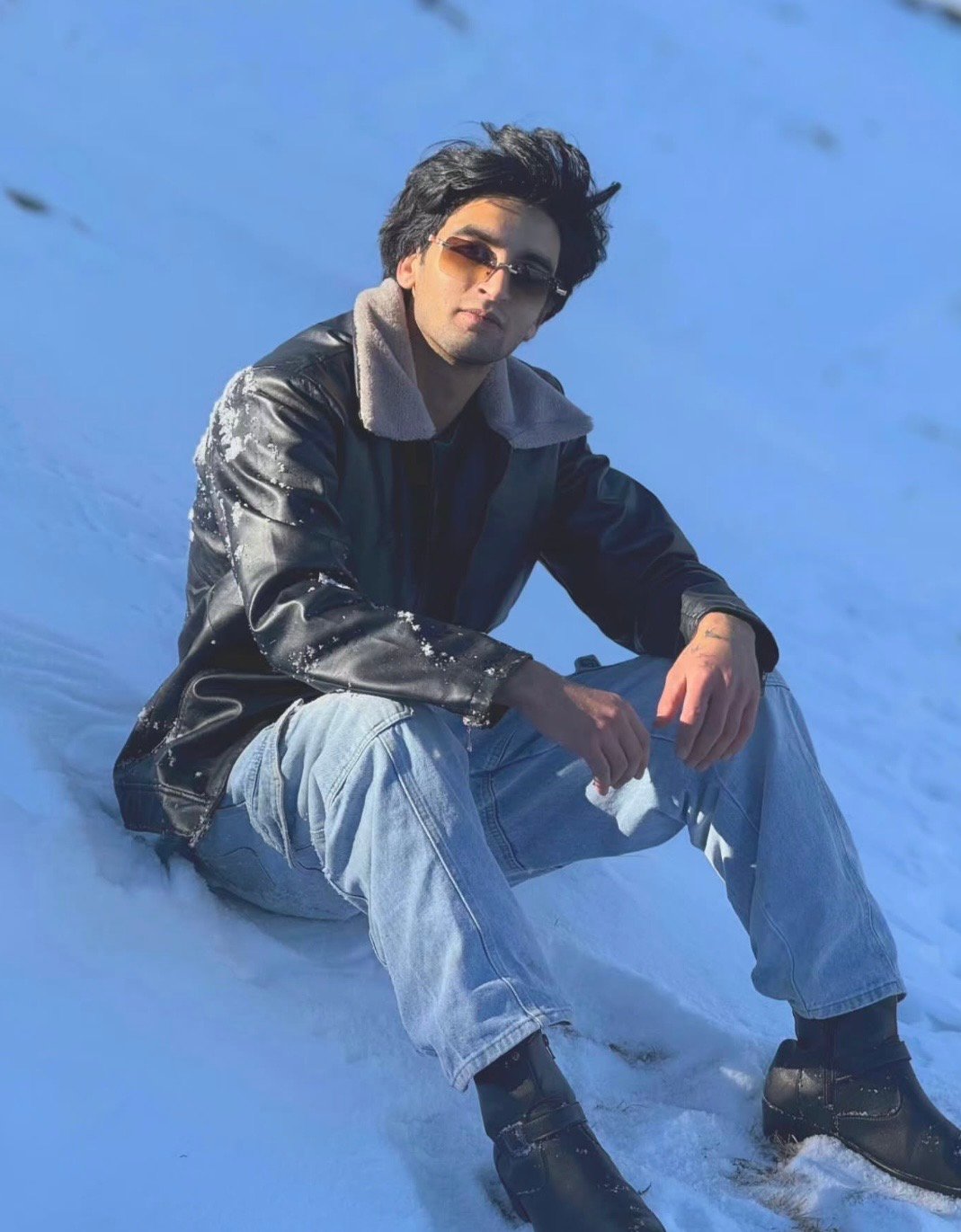 Farhan
“Yoga at six with the Dhauladhar in front of us, group meetings every evening, and staff who never gave up on me even when I had given up on chitta ever letting go. I came in needing an alcohol treatment center as much as anything else. Piece by piece this place rebuilt me and my family has me back.”
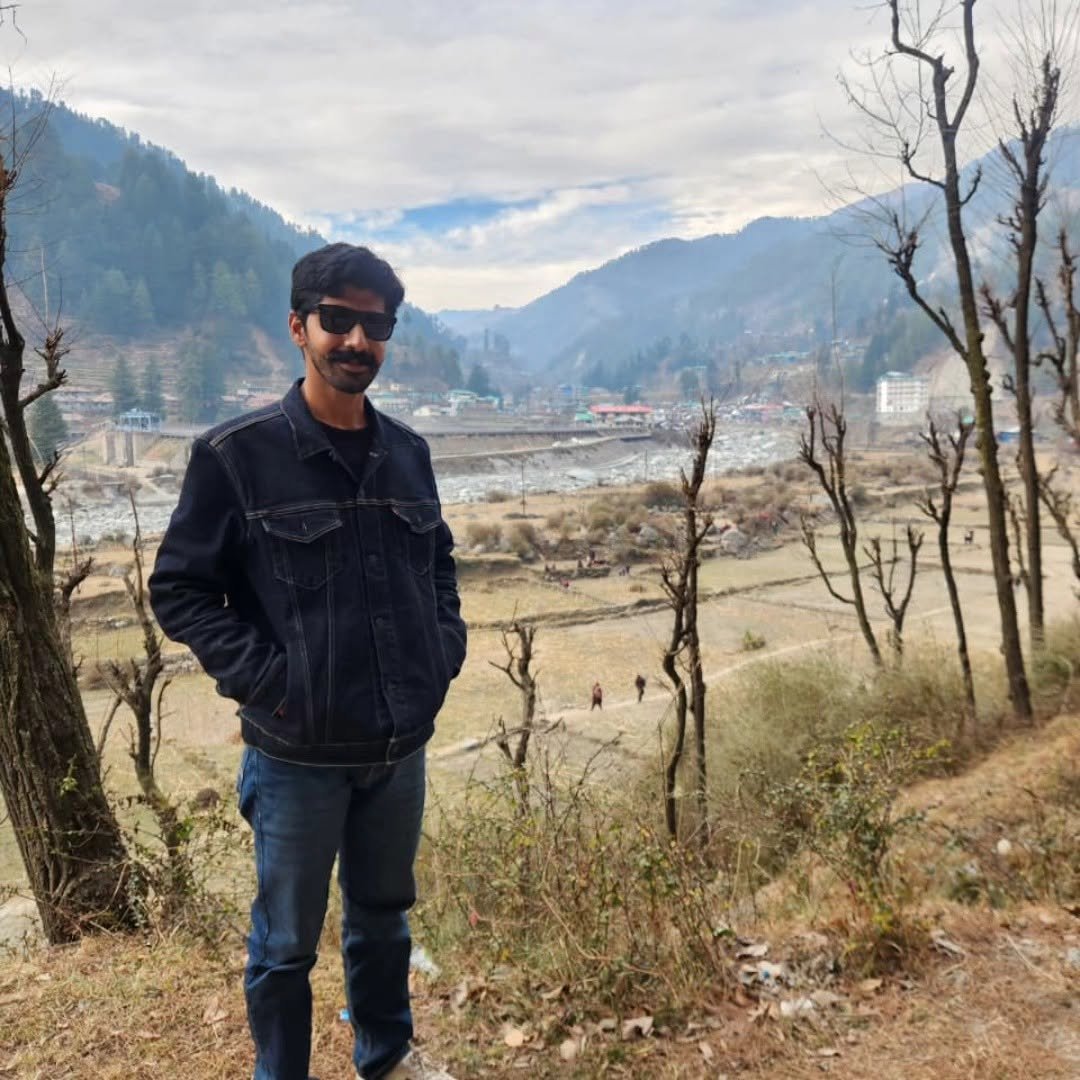 Ayush
AyushHow to reach our nasha mukti kendra in Bilaspur area
Let us be straight with you about geography, because some centres are not. We do not have a building in Bilaspur town. Our centre is at Village Tanda Kholi in Kangra district, and families from across Bilaspur bring their sons to us there.
Why our rehab centre in Bilaspur's district sits out of town
Distance is not a drawback here. It is part of the treatment. A man in recovery who can walk to his old dealer's street in ten minutes, or stand at the same spot on the four-lane where the bus used to stop, is fighting his illness with one hand tied. Putting two districts between him and that highway is exactly what the first months need.
It also means privacy. In Bilaspur, Ghumarwin or Swarghat everyone knows everyone, and the fear of the neighbours finding out keeps more families silent than the cost of treatment does. Nobody at the centre knows your village, and nobody in your village needs to know where he has gone.
Being further away does not mean being cut off. Visits and family counselling sessions are planned so that one journey does both, we update you by phone through the week, and aftercare after discharge runs on the phone rather than on the road.
135 kmapproximate road distance from Bilaspur bus stand to our centre at Tanda Kholi, via Ghumarwin, Hamirpur and Kangra
3 to 3.5 hrsroughly, by car or taxi in normal conditions. A map on your phone will show you the exact route and timing on the day
Direct busHRTC and private buses run from Bilaspur towards Hamirpur, Kangra, Dharamshala and Pathankot through the day
Towns and villages around Bilaspur we serve
Men reach our de-addiction centre in Bilaspur area from every corner of the district. If your place is not named here, it is still covered; call and ask.
- Bilaspur SadarBilaspur town, Kothipura, Changar Palasiyan, Diara Sector, Kandrour and the villages above Govind Sagar.
- GhumarwinGhumarwin, Balog, Malyawar, Beri Dadolan, Behna Jattan and the Hamirpur road villages.
- Jhandutta and BharariJhandutta, Bharari, Jejwin and the eastern tehsil villages.
- Swarghat and Naina DeviSwarghat, Shri Naina Devi Ji, Kainchi Mod, Garamoda and the Punjab border belt.
- Barmana and NamholBarmana, Namhol, Berri, Talai and the cement works and highway villages.
- Kalol and the Satluj sideKalol, Markand and the villages along the river and the Govind Sagar shoreline.
- The Hamirpur and Kangra roadEverything between Ghumarwin and the centre. Families on this road are also within reach of our nasha mukti kendra in Kangra catchment and of the rehab centre in Dharamshala page.
Because the centre sits in Kangra district, families travelling up from Bilaspur often also read our rehab centre in Palampur page, or the rehab centre in Nurpur page if they are going on towards Pathankot. It is the same centre, the same team and the same fees whichever page brought you here. You can also start at our main site.
From the Bilaspur bus stand
Take an HRTC or private bus towards Hamirpur, and from there on to Kangra, Dharamshala or Pathankot. Most run via Ghumarwin and Nadaun. Get down at Tanda Medical College and take an auto for the last bit, or continue into Kangra bus stand and take a taxi. Start early so the whole journey happens in daylight.
By car or taxi
Out of Bilaspur through Ghumarwin to Hamirpur, then on through Nadaun towards Kangra and Tanda. Ask any driver for the FCI godown at Tanda Kholi, beside the medical college. Call us when you set out and again when you are close and we will talk you in.
By train
Bilaspur has no railway station, and buses are the only public transport into and out of the district. Coming to us, the narrow-gauge Kangra valley line is the useful one: through services from Pathankot were restored in June 2026 and Kangra Mandir station is a short auto ride from the centre. Check at the station that the train is running before you rely on it.
By air
Gaggal airport near Kangra, also called Dharamshala airport, is the nearest airport to the centre, and a taxi from there comes almost straight to Tanda. Bhuntar in Kullu is the other airport serving Bilaspur, but for reaching us Gaggal is much the simpler way in.
Questions about our rehab centre in Bilaspur
These are the questions families ask our rehab centre in Bilaspur district most often. If yours is not here, call us. Every conversation is private, there is no obligation, and nobody will be put under pressure to admit anyone.
Serving families across Bilaspur and nearby villages. This map shows the area we serve; our centre's address is in the contact section below.

Which is the best nasha mukti kendra in Bilaspur?
Judge it on six things you can check rather than on who ranks first. A registration certificate from the HP State Mental Health Authority, detox under medical supervision, a stay long enough to work, the family inside the treatment, fees in writing, and staff you are allowed to meet. We meet all six, our registration is Sr. No. 193, and you are welcome to verify each one before you decide anything.
Why do searches for a nasha mukti kendra in Bilaspur show centres in other states?
Because there is another, much larger Bilaspur in Chhattisgarh, and a great many of the pages ranking for this phrase are written by call centres in Indore, Nagpur and Delhi aiming at that city. If the person who answers cannot name Ghumarwin, Swarghat or Barmana without checking, they are not near you. Ask where the centre physically is before you discuss anything else.
How far is your rehab centre from Bilaspur?
Our centre is at Village Tanda Kholi in Kangra district, not in Bilaspur town. From the Bilaspur bus stand it is roughly 135 km by road via Ghumarwin, Hamirpur and Kangra, about three to three and a half hours by car or taxi in normal conditions. A map on your phone will show you the exact route and timing on the day you travel.
How do we reach you from the Bilaspur bus stand?
Take an HRTC or private bus from Bilaspur towards Hamirpur, and on from there to Kangra, Dharamshala or Pathankot. Most run via Ghumarwin and Nadaun. Get down at Tanda Medical College and take an auto for the last stretch, or continue to Kangra bus stand and take a taxi. Ask the driver for the FCI godown at Tanda Kholi. Call us when you set out and we will guide you in.
Is there a railway station in Bilaspur we can use?
No. Bilaspur has no railway station and buses are the only public transport into and out of the district. For reaching us, the narrow-gauge Kangra valley line is the useful one: through services from Pathankot were restored in June 2026 and Kangra Mandir station is a short auto ride from our centre. Check at the station that the train is running that day before planning around it.
Which towns and villages around Bilaspur do you take men from?
From the whole district. Bilaspur town, Kothipura, Changar Palasiyan, Diara Sector, Kandrour, Ghumarwin, Balog, Malyawar, Beri Dadolan, Behna Jattan, Jhandutta, Bharari, Jejwin, Swarghat, Shri Naina Devi Ji, Kainchi Mod, Garamoda, Barmana, Namhol, Berri, Talai, Kalol and Markand. If your village is not on that list, call anyway.
Which drugs are Bilaspur families dealing with most?
Chitta above all, because the highway from Punjab runs through the district, then sharab. Charas and bhang are everywhere since cannabis grows wild along the Satluj. Poppy husk and doda move along the same four-lane and are common among older men and drivers, and banned pharmaceutical tablets turn up in most cases too. Most men who reach us are using more than one of these at once.
Is chitta really a problem in Bilaspur, or is it being exaggerated?
It is not exaggerated. Bilaspur registered 233 NDPS cases in 2025, the third highest of any district in Himachal, and the SP put the district at 67 cases and 146 arrests in just two months of 2026. In August 2026 police seized 232 grams of chitta in a single day on the four-lane, and 158 grams off two Volvo buses later the same month.
Why does so much chitta pass through Bilaspur?
Geography. The Kiratpur to Manali four-lane runs the length of the district and is the main road from Punjab into upper Himachal, so Bilaspur is both a through route and a market. Almost every large seizure here is a highway case: buses stopped at Baloh, the Kainchi Mod tunnel near Swarghat, the Garamoda barrier on the Punjab border. Men arrested have come from Tarn Taran, Amritsar, Gurdaspur and Batala.
Is there a government nasha mukti kendra in Bilaspur we should try first?
Bilaspur does not have a dedicated government de-addiction centre, but it does have AIIMS Bilaspur at Changar Palasiyan, a 750-bed tertiary hospital with a psychiatry department, 24x7 emergency and nominal OPD fees, on 01978-280500. That is the place to start for an assessment or an emergency. The nearest residential government-side options are the IRCA at Hamirpur and the Red Cross centre at Bhuntar in Kullu. If the free route can do what your family needs, take it.
Why is your rehab centre in Bilaspur's district located outside the town?
Because keeping a man within walking distance of his old dealer, or of the stretch of four-lane where the bus used to stop, is the fastest way to lose him in the first month. Space from that world is part of the treatment, and so is privacy: in Bilaspur, Ghumarwin or Swarghat everybody knows everybody, and the fear of neighbours finding out keeps more families silent than the cost of treatment does.
Can families from Bilaspur visit during treatment?
Yes. Visits are planned with the counsellors, usually after the first stabilisation period, because contact during withdrawal turns into pleading to come home and sets recovery back. After that, most Bilaspur families come about once a month and we schedule the family counselling session for the same visit so that one journey does both.
Which is the best rehab center near me in Bilaspur?
The same six checks apply: a State Mental Health Authority registration certificate, detox under medical supervision, a stay long enough to work, the family inside the treatment, fees in writing, and staff you are allowed to meet. We meet all six and we welcome you to verify each one. If you searched for rehab near me or nasha mukti kendra near me from anywhere in the district, call first and we will tell you honestly whether our programme suits your family.
Is there an alcohol treatment center near me in Bilaspur?
Alcohol is treated in the same residential programme as every other substance, so an alcohol treatment center and a de addiction center are the same place here. Our alcohol de-addiction in Bilaspur begins with medically supervised detox, because stopping heavy daily drinking suddenly can cause seizures, then treats the liver, sleep, nutrition and the depression underneath. On a state border with constant liquor seizures, this is not a rare problem.
Is illegal liquor a real danger around Bilaspur?
Yes. Sitting on the Punjab border makes Bilaspur a natural route for liquor that is cheaper or differently taxed on the other side. In September 2026 the Excise Department seized 180 cases of liquor marked for sale in Chandigarh only at the Garamoda barrier, with the case registered at Swarghat police station, and the Deputy Commissioner called it the second major seizure in three days. Bilaspur was also one of the districts supplied by the racket behind the 2022 Sundernagar hooch deaths.
Does bhang or charas really need treatment? It grows everywhere here.
Growing wild does not make it harmless, and the quantities moving through this district are not personal use: two of the seven cases in which Bilaspur police froze assets involved 5.7 kg and 1.8 kg of hashish. What we treat is the young man whose studies, job and motivation have quietly fallen apart over two or three years of bhang and charas, and who is often using something else alongside it by the time anybody notices.
We live in Jhandutta or Naina Devi and cannot travel easily. What do we do?
Call us first and do the whole assessment on the phone, so you only make the journey once and only if it is the right thing to do. We will tell you which bus to take to Bilaspur or Ghumarwin and onward, what to bring, and roughly how long the day will take. If he is too unwell to travel, take him to AIIMS Bilaspur or the nearest community health centre first and call us from there.
What is chitta ka ilaj at your centre?
It starts with medically supervised detox: medication to manage the cramps, vomiting, sweating and sleeplessness, with monitoring and nursing round the clock. Once he is stable, the real treatment begins, which is counselling, CBT for the depression or anxiety underneath, the 12-step programme, group therapy, yoga and fitness, family work and a written relapse prevention plan for the day he goes home.
How long does chitta treatment in Bilaspur families ask about actually take?
Detox takes one to two weeks. Recovery takes much longer. We recommend 180 days in residence because chitta rarely lets go in 15 or 30 days, and the men who relapse fastest are almost always the ones who left early. The programme is flexible and fees are monthly, so a shorter stay is possible and costs less, but we will say plainly what it can and cannot achieve.
Is chitta withdrawal dangerous?
Chitta withdrawal is rarely fatal by itself, but it is severe enough that almost nobody gets through it alone at home. The greater danger comes afterwards. Once the body loses tolerance, going back to the old dose can stop his breathing, which is why so many overdose deaths happen soon after a failed attempt to quit. Detox under medical supervision removes both risks.
What are the signs of a chitta overdose, and what do we do?
Very slow or stopped breathing, blue lips or fingertips, pinpoint pupils, cold clammy skin, and a person who cannot be woken by shouting or shaking. This is an emergency. Call an ambulance or get him to the nearest hospital immediately, keep him on his side, and do not leave him alone or wait to see if he sleeps it off.
He has relapsed after chitta before. Is there any point trying again?
Yes. Relapse is part of this illness, not proof that he is beyond help, and many men here are on their second or third attempt. What matters is looking honestly at why the last one failed: a stay that was too short, a depression nobody treated, a family that was never involved, or no plan for the first week at home. We start there.
He injects. Is chitta de-addiction different for him?
The programme is the same but the medical care is more careful. Injecting brings the risk of overdose, abscesses, hepatitis B and C and HIV, so we screen at admission, treat infections or refer for them, and watch him more closely through detox. Tell us at assessment if he has been injecting, even if he has hidden it from you until now.
What is sharab chudane ka ilaj and how does it work?
It begins with medically supervised detox, because alcohol is one of the few substances where stopping suddenly can be dangerous. After that we treat the whole picture: sleep, nutrition, liver and blood pressure, the depression or anxiety that usually sits underneath sharab ki lat, and the habits and company that keep it going. Counselling, the 12-step programme and family sessions run through the stay.
Is alcohol withdrawal dangerous at home?
It can be. After years of heavy daily drinking, stopping abruptly can cause tremors, confusion, hallucinations, seizures and delirium tremens, which can kill. If he drinks from the morning, has ever had a fit, or has liver trouble, do not lock him in a room and wait it out. Get him into medical care, either with us or at a hospital.
My husband drinks every day but still goes to work. Does he need alcohol rehab in Bilaspur?
Holding down a job does not mean the drinking is under control; it usually means the crash has not arrived yet. The questions that matter are whether he can stop for a week without feeling ill, whether the amount keeps rising, whether money and sleep and temper have changed, and whether he drinks before noon. If you are frightened of him or of the bills, that is reason enough to call.
My father has been drinking for thirty years. Is he too old for a de-addiction centre in Bilaspur district to help?
No. We take men aged 18 and above with no upper age limit, and older men often do very well because the motivation is real and the denial has worn thin. What changes is the medical side: we look harder at the liver, the heart, blood pressure, diabetes and nutrition, and the detox is managed more slowly and more carefully.
Do you treat charas, ganja, bhang, doda and goliyon ka nasha as well?
Yes, all of them, inside the same residential programme. Charas, ganja and bhang are treated mainly with CBT, routine and fitness. Opium, afeem, doda, bhukki and poppy husk need a medically managed taper. Tramadol, codeine syrup and alprazolam are tapered under supervision too, because stopping a benzodiazepine suddenly can cause seizures.
What is the difference between a rehabilitation center and a de addiction center?
In India the words are used interchangeably, and a nasha mukti kendra usually means the same thing again. Strictly, a de-addiction centre handles the medical side, which is detox and getting the substance out safely, while rehabilitation covers the months of counselling, therapy and relapse prevention that follow. A good centre does both, which is what we do. Our full explainer on the difference between a rehab centre and a nasha mukti kendra goes through it properly.
Which is the best rehab centre in Bilaspur, and how should we judge?
The best rehabilitation centre in Bilaspur for your family is the one you can check rather than the one with the loudest advertisement. Ask to see the State Mental Health Authority registration certificate, ask who prescribes during detox, ask how long the core stay is, ask what the family's role is, ask for the fees in writing, and ask to meet the staff. Any centre that avoids those questions has answered them.
Is your nasha mukti kendra in Bilaspur district government registered?
Yes. We hold Provisional Registration Sr. No. 193 from the HP State Mental Health Authority, Shimla, under Sections 66(4) and 66(11) of the Mental Healthcare Act 2017, issued on 14/05/2026. The certificate is displayed at the centre and you are welcome to inspect it. We are also a registered charitable trust, but we do not pretend a trust deed is a treatment licence.
What are the fees?
Rs 12,500 a month for Shared Residential Care, Rs 25,000 a month for B Caring, which is a deluxe twin-sharing room with an upgraded diet, and Rs 40,000 a month for A Caring, which is a private room. Medically supervised detox is Rs 6,000, charged once at admission whichever plan you choose. The treatment is identical in every plan.
What is included in the monthly fee?
Accommodation, all meals, prescribed medication, doctor and psychiatrist reviews, individual counselling, group therapy, the 12-step programme, yoga, fitness and every activity at the centre, plus family counselling sessions. Anything outside this, such as a hospital referral or transport, is discussed with the family before it is spent.
Can we choose a shorter stay than 180 days?
Yes. The programme is flexible and fees are monthly, so a shorter stay costs less. Being honest about it: one month can get him safely through detox and stabilised. Three months adds real therapy and the beginnings of new habits. Six months is what gives a relapse prevention plan a fair chance of holding once he is back among the same people and places.
What if he refuses to come for treatment?
Almost everyone refuses at first, and that is the illness talking rather than a final answer. Do not raise it during a craving or a drunk evening. Choose a calm hour, describe what you have seen instead of what he is, and make one clear offer. Call us beforehand and a counsellor will help you plan that conversation, and will explain what the Mental Healthcare Act 2017 allows.
Can we admit him by force?
We do not do forced admissions and no lawful centre should. The Mental Healthcare Act 2017 sets out narrow conditions for supported admission, and they require a proper assessment rather than a family decision alone. In practice, a man dragged in against his will leaves as soon as he can. Getting him to agree, even reluctantly, is worth the extra week it takes.
Is admission confidential?
Completely. As a registered mental health establishment we are bound by the Mental Healthcare Act 2017 to keep his records private. Nothing is shared with employers, neighbours, panchayat members or anyone outside the treatment. Nobody at the centre will know your village, and nobody in your village needs to know where he has gone.
Who can be admitted, and what should we bring?
Men aged 18 and above, with no upper age limit. This is a male-only residential centre. Bring his Aadhaar or another photo ID, your own ID, and any old prescriptions or discharge papers. A few sets of clothes and basic toiletries are enough. Tell us at the assessment about seizures, liver problems, diabetes, TB, HIV or any psychiatric medicine he is on.
He has tried nasha chudane ka ilaj before and it failed. Why would this be different?
Because most failed attempts were not really treatment. A fortnight in a locked room is detox at best, and detox alone almost never holds. What changes the odds is length of stay, psychiatric care for what lies underneath, the family being taught how to help, and a written plan for the first weeks at home. If those four were missing last time, this will not be the same thing.
What happens after discharge?
Every man leaves with a written relapse prevention plan naming his triggers, his warning signs and the people he will call. Aftercare means follow-up calls and reviews through the first fragile months at home, and our helpline stays open to former residents and their families. If he slips, tell us early, because a slip caught in a week is far easier to turn around.
Guides for families in Bilaspur
Six honest reads from our rehab centre in Bilaspur district, for households anywhere from Swarghat to Jhandutta who want to understand what is happening before they decide what to do about it.
Rehab Centre or Nasha Mukti Kendra?
What the words actually mean, how a de-addiction centre differs from rehabilitation, and which one he needs.Read the articleWarning Signs of Drug and Alcohol Addiction
The physical, behavioural and financial signs families miss, and what each one usually means.Read the article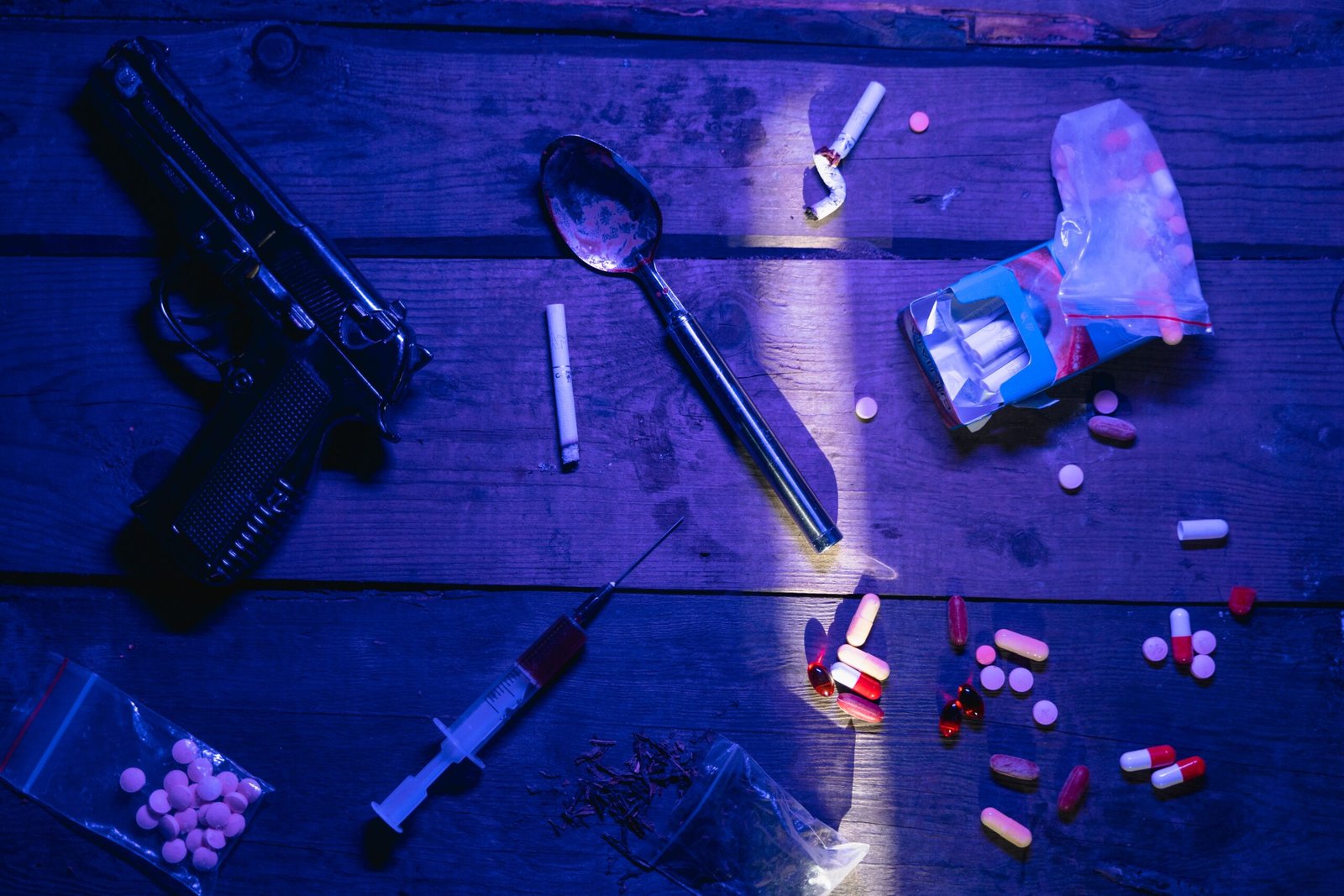
The Psychology of Addiction
Why addiction is a response to pain rather than a failure of willpower, and how the brain can learn to heal.Read the article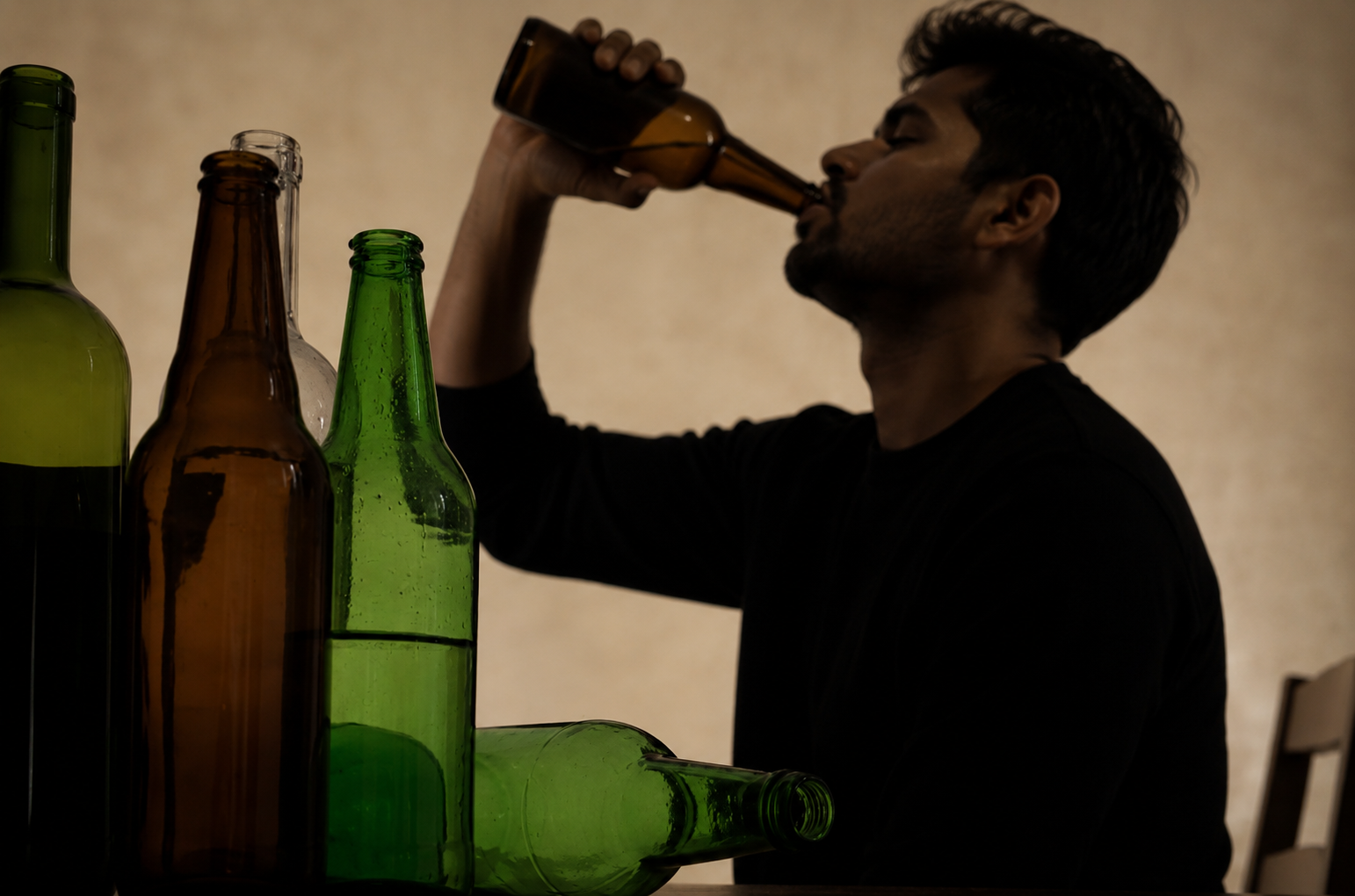
Alcohol Addiction Recovery
The silent warning signs of sharab ki lat, how alcohol rewires the brain, and the real path back to health.Read the article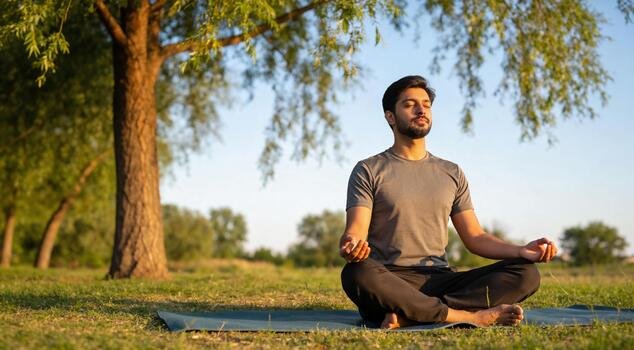
Yoga for Stress and Anxiety
Simple asanas and breathwork to calm the nervous system and settle a restless mind.Read the articleGhar Mein Koi Chitta Le Raha Hai
A guide in Hindi for families who suspect somebody at home is using chitta, and what to do next.Read the articleContact our rehab centre and nasha mukti kendra in Bilaspur
One phone call is where it starts.
Tell us what is happening at home. Calls are confidential, there is no obligation, and a counsellor will talk you through what to do next even if you never come to us.
From Bilaspur that is roughly 135 km by road via Ghumarwin, Hamirpur and Kangra, about three to three and a half hours by car. A map on your phone will show the exact route on the day.
- +91 62304 15581, call or WhatsApp
- info@eshancharitabletrust.org
- Open 24x7, admissions any day
Need someone right now? National de-addiction helpline 14446, Tele MANAS 14416. More at Nasha Mukt Bharat Abhiyaan, and district information at hpbilaspur.nic.in.
Eshan Charitable Trust, rehab centre and nasha mukti kendra for Bilaspur families
HP State Mental Health Authority, Shimla: Provisional Reg. Sr. No. 193 under Sections 66(4) and 66(11), Mental Healthcare Act 2017, issued 14/05/2026.
Trust Regd. No. 2025/19/IV/123, Book No. IV, Vol. 4067, Sub-Registrar-I, Kashmere Gate, Delhi, 14 February 2025.
Centre address: Near FCI Godown, Village Tanda Kholi, Ward No. 7, PO Kholi, Tehsil & District Kangra, Himachal Pradesh 176001. We serve families across Bilaspur district, Himachal Pradesh; we do not operate a branch inside Bilaspur town, and we are not connected to any centre in Bilaspur, Chhattisgarh.